

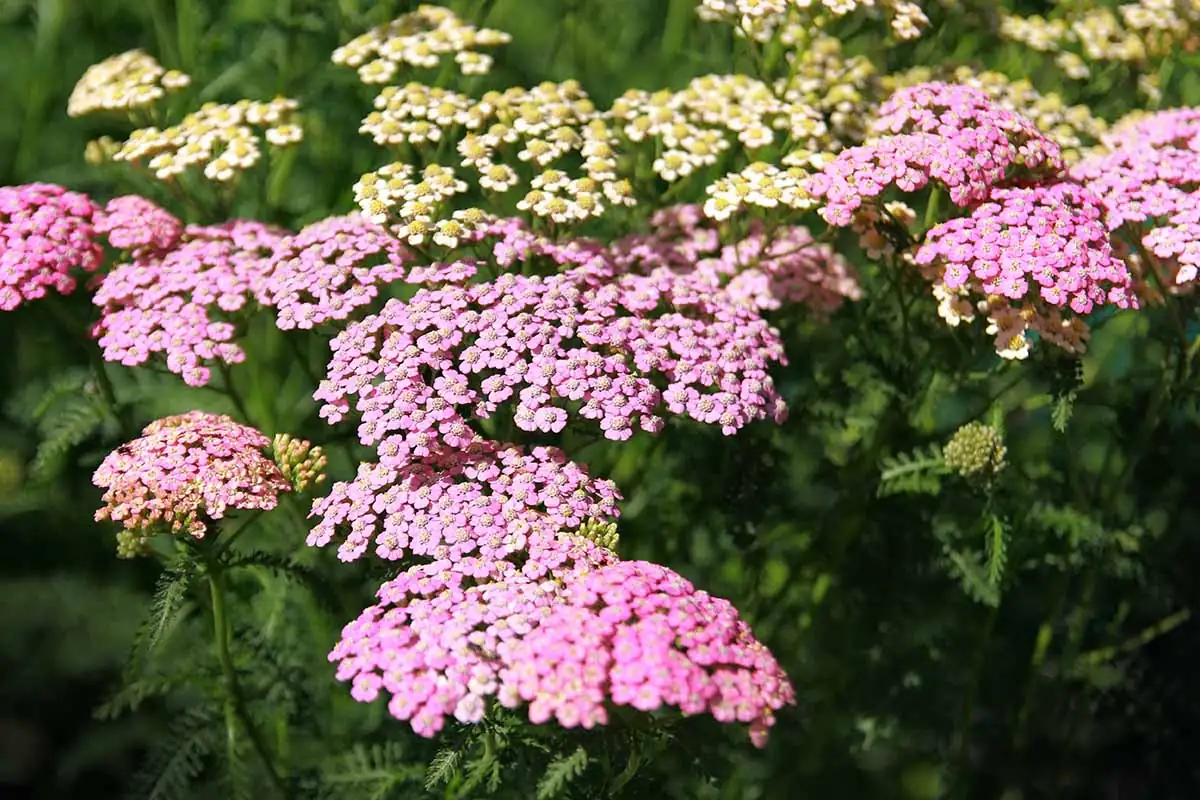
Yarrow, scientifically known as Achillea millefolium, is more than just a resilient and charming addition to your garden. This hardy perennial, native to the temperate regions of the Northern Hemisphere, weaves a rich tapestry of historical and cultural significance. From its mythical connections to its enduring presence in folk medicine, yarrow stands as a botanical tapestry of love, healing, and protection.
Unraveling the Myth: Achilles and the Soldier’s Herb
Have you ever wondered why yarrow is sometimes called the “Soldier’s Herb”? The answer lies in the corridors of Greek mythology. The genus name, Achillea, pays homage to the legendary warrior Achilles. It is said that Achilles used yarrow to treat the wounds of his soldiers during battles, a fitting testament to the plant’s reputation for healing and resilience. Imagine the soldiers, battle-worn and weary, finding solace in the soft, feathery leaves of yarrow. This historical narrative beautifully illustrates how deeply intertwined yarrow is with themes of protection and restoration.
The Language of Flowers: Symbolism and Cultural Resonance
In the delicate language of flowers, yarrow speaks of healing and enduring love. These twin meanings make it an ideal “get well soon” gesture or a symbol of unwavering affection. Across various European cultures, yarrow has been a part of courtship rituals and love charms. For instance, young women in England and Ireland once used yarrow leaves in a playful practice to predict true love’s fate. Such customs highlight yarrow’s role in human relationships, bridging ancient beliefs with modern sentiments.
Yarrow’s symbolism doesn’t stop at love and healing. It also represents courage and protection. Warriors of old would carry yarrow into battle, believing in its magical ability to shield them from harm. This association with bravery has persisted, making yarrow a poignant symbol in memorials and tributes to those who have shown exceptional valor.
Yarrow’s Medicinal Legacy: From Ancient Remedies to Modern Uses
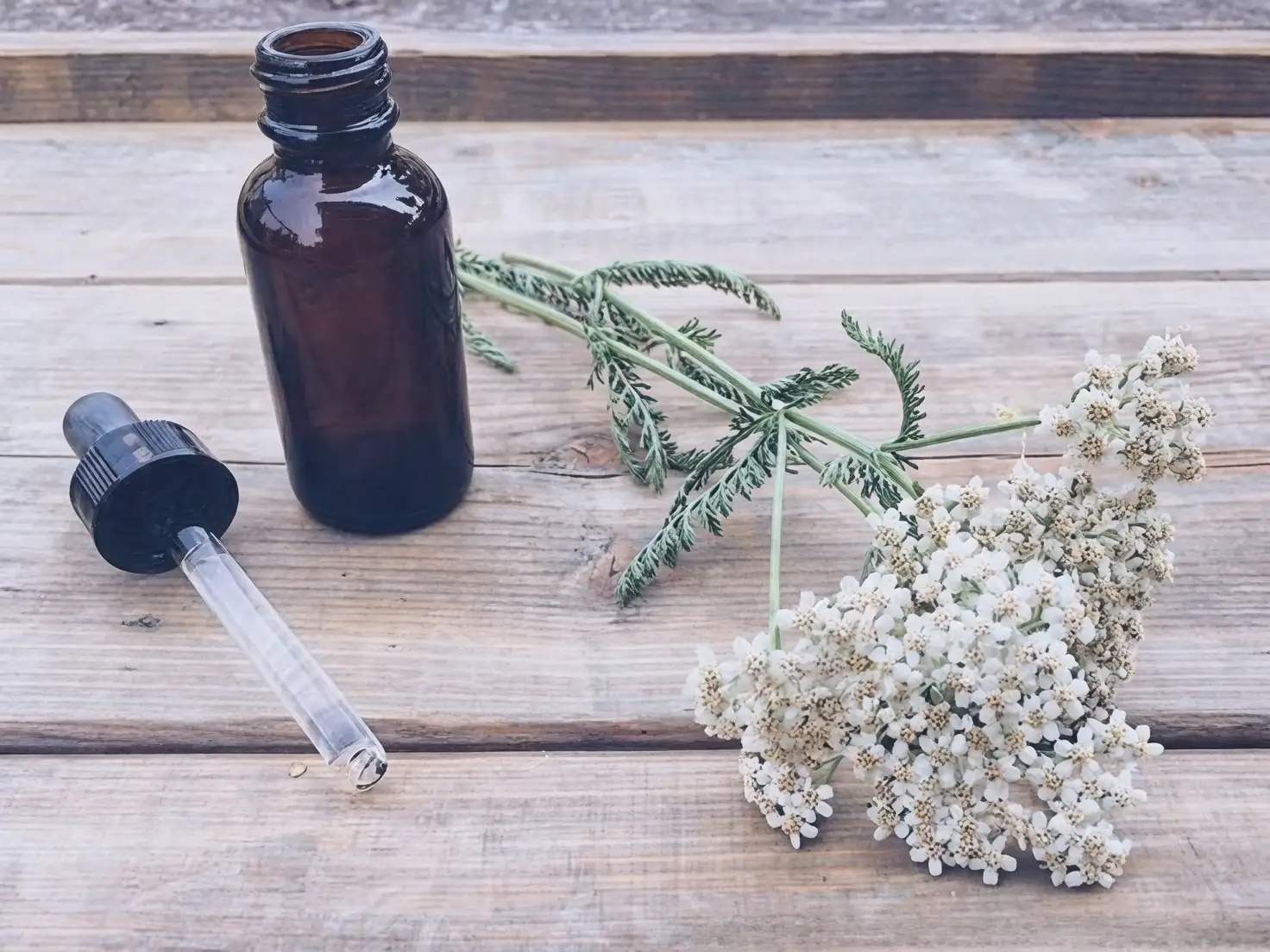
Long before modern medicine, yarrow was a staple in the apothecaries of the past. Its use as a medicinal herb is well-documented across cultures, from Native American life medicine to European folk remedies. Yarrow was prized for its ability to stop bleeding, soothe inflammation, and even aid digestion. However, while its historical uses are fascinating, one should always consult with a healthcare professional before integrating it into contemporary health practices.
In addition to its medicinal applications, yarrow has found its way into the culinary arts. Its leaves, though bitter, can add a unique twist to salads and other dishes. Yet, a word of caution: yarrow is toxic to pets, so keep it out of reach of your furry friends.
A Garden Gem: Growing and Caring for Yarrow
Imagine a plant that thrives on neglect, yet rewards you with profuse blooms. Yarrow is just that—a gardener’s dream. It flourishes in full sun and poor soil, making it a perfect choice for low-maintenance gardens. Its drought-tolerant nature means you can enjoy its beauty without constant watering. Plus, its flat-topped flowers attract a plethora of pollinators, turning your garden into a buzzing haven of biodiversity.
To keep your yarrow looking its best, deadhead spent flowers to encourage more blooms, and consider dividing clumps every few years to manage its spread. This simple care routine ensures that yarrow remains a stalwart presence in your garden year after year.
Fun Facts and Lore: The Enchantment of Yarrow
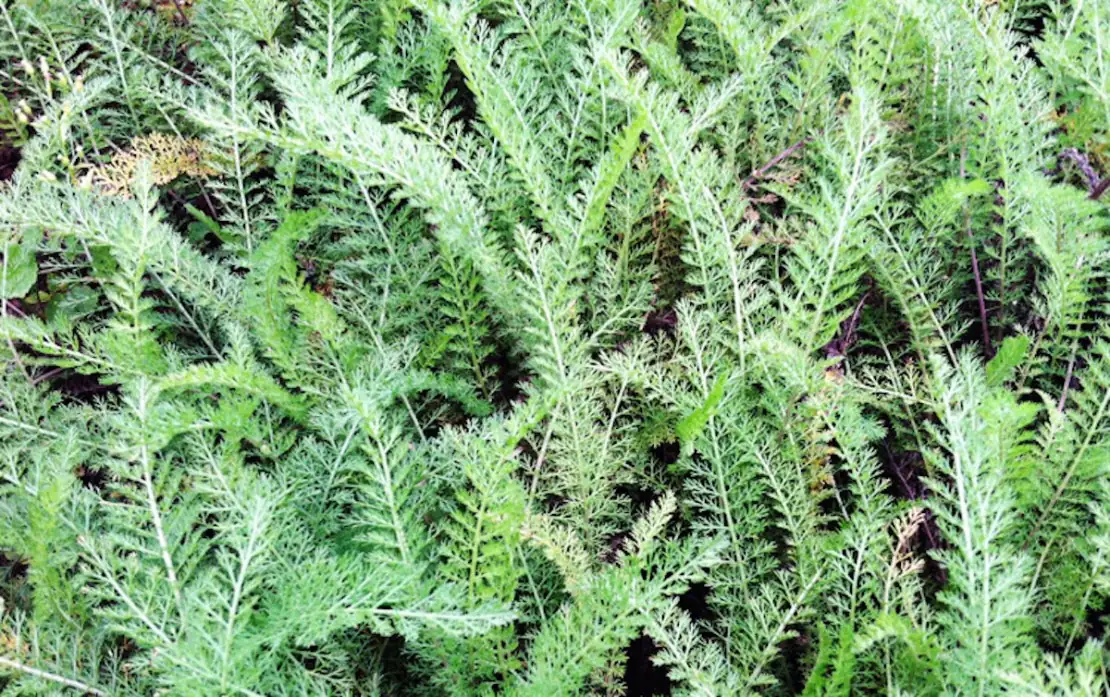
Did you know that yarrow’s species name, “millefolium,” means “thousand leaves”? This poetic nod to its finely divided foliage underscores its delicate beauty. And here’s an enchanting tidbit: some birds, like starlings, have been known to line their nests with yarrow, possibly to ward off parasites.
Yarrow’s deep blue essential oil, rich in chamazulene, is another fascinating aspect of this plant, celebrated for its anti-inflammatory properties. Whether it’s dyeing wool or featuring in age-old legends, yarrow’s versatile nature continues to captivate and inspire.
In essence, yarrow is much more than a mere garden plant. It is a living link to our shared past, a symbol of strength and resilience, and a testament to the enduring bond between humans and nature. So, next time you see a cluster of yarrow flowers, take a moment to appreciate their silent stories—of love, healing, and protection—that have transcended time and culture.


