

Enhancing Garden Aesthetics and Ecological Benefits with Buddleja davidii and Its Companions
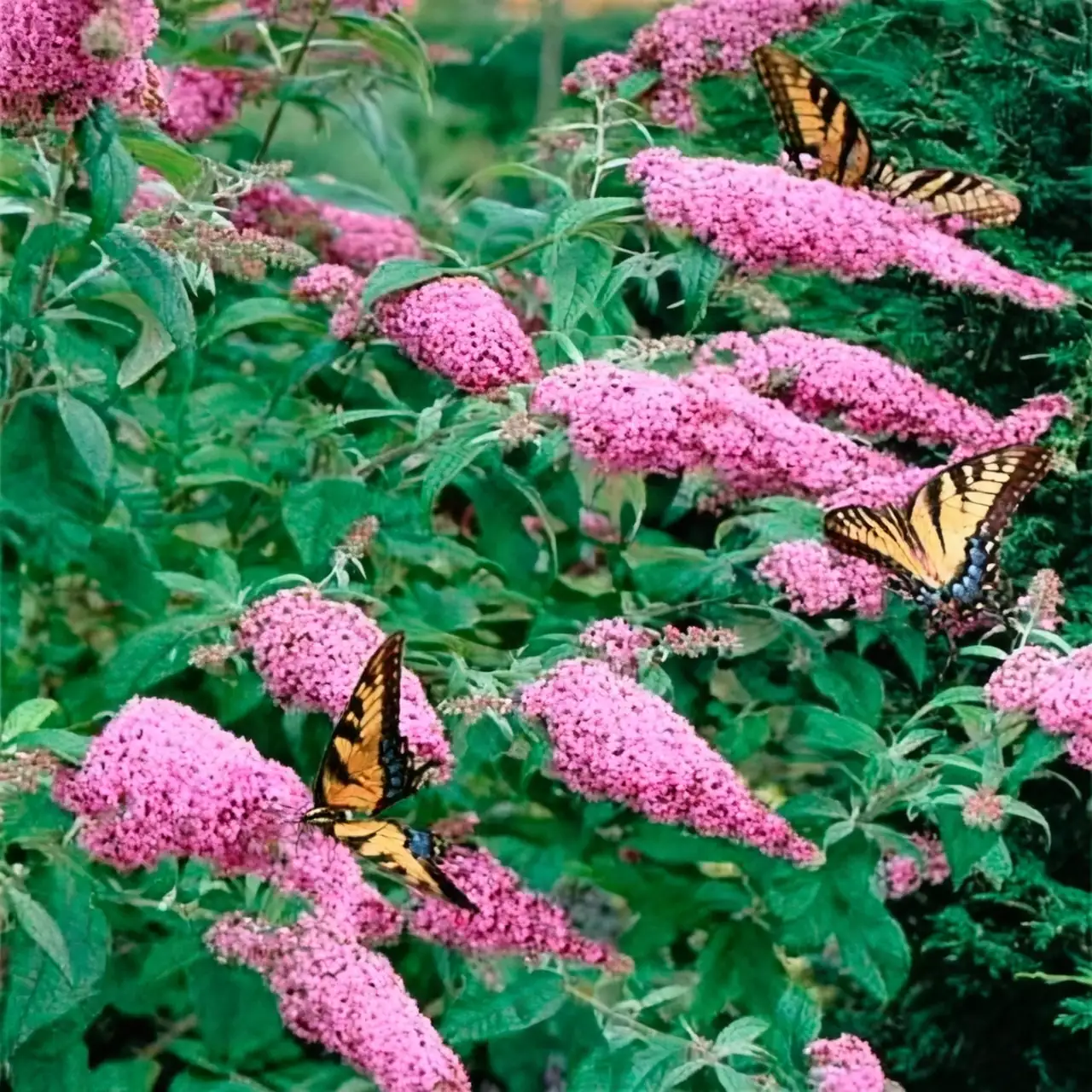
Imagine a garden that thrums with life, where butterflies flit from bloom to bloom, and the air is filled with the gentle hum of bees. This can be the reality when you plant Buddleja davidii, commonly known as the Butterfly Bush, with thoughtfully chosen companions. Let’s explore creative planting ideas that not only elevate the visual appeal of your garden but also foster a thriving ecosystem for pollinators.
Why Choose Buddleja davidii?
Buddleja davidii earns its nickname “Butterfly Bush” by drawing in pollinators like no other. With its long, fragrant flower spikes, this shrub is a beacon for butterflies, bees, and other beneficial insects from early summer until the first frost. Its drought-tolerant nature and low maintenance needs make it an ideal candidate for sunny borders, cottage gardens, and pollinator havens. But remember, a garden is like a well-composed symphony—every player must contribute to the harmony.
The Perfect Partners: Shrubs and Perennials
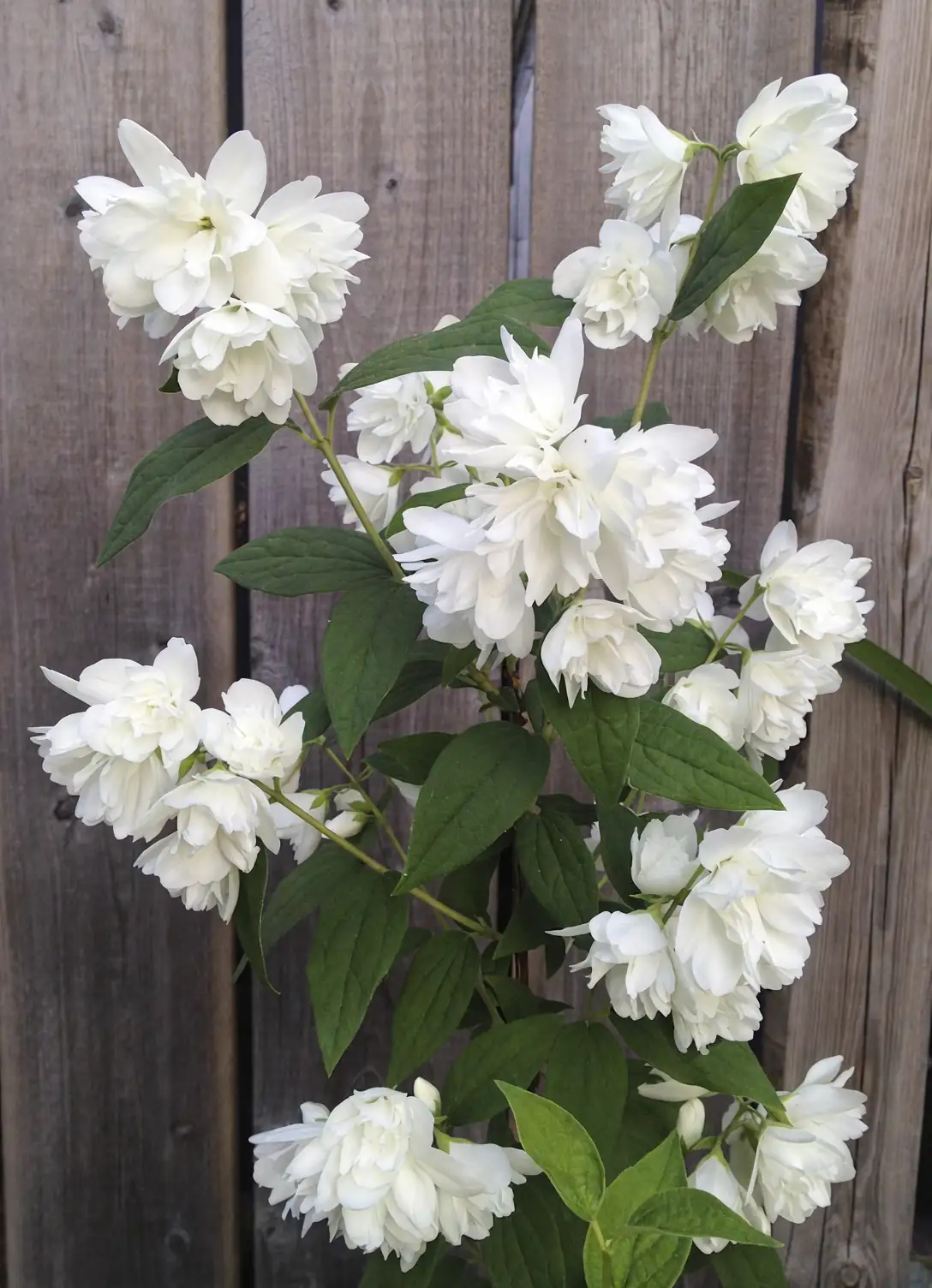
Lilacs and Mock Orange
Picture your Butterfly Bush flanked by lilacs and mock oranges. These traditional spring bloomers set the stage with their fragrant flowers, creating a lush backdrop for Buddleja’s summer performance. Together, they form a continuous, informal hedge that thrives in full sun and well-drained soil.
Crape Myrtle and Rose of Sharon
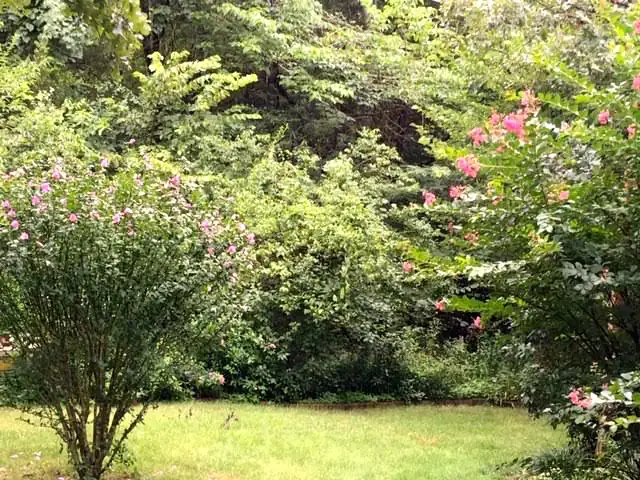
For late summer drama, consider pairing your Butterfly Bush with Crape Myrtle and Rose of Sharon. These deciduous shrubs share similar needs and extend the blooming season with their vibrant display of colors. Their vertical structure complements the arching habit of Buddleja, adding depth and interest to your garden composition.
Catmint and Russian Sage
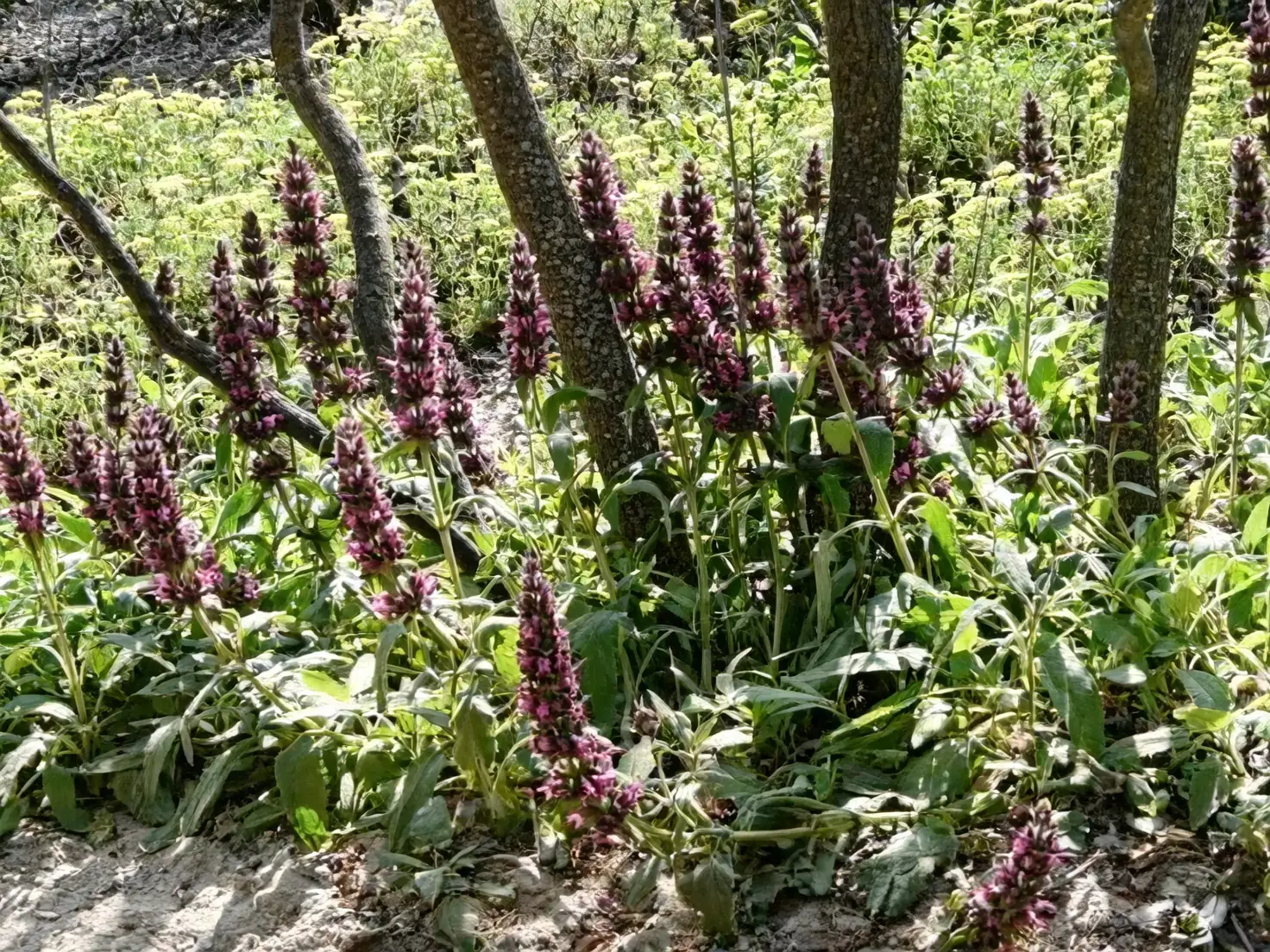
The silvery foliage of Catmint and Russian Sage perfectly complements the gray-green leaves of Buddleja. These drought-tolerant perennials are not only visually striking but also enhance the garden’s appeal to pollinators. Their overlapping shades of blue, purple, and pink provide a serene and cohesive color palette.
Groundcover and Underplanting
Sedum and Salvia
Lower-growing perennials like sedum and salvia work wonders as groundcovers. They create a cooling effect around the roots of Buddleja, which is especially beneficial during hot, dry spells. Plus, their nectar-rich flowers continue to attract pollinators even as the Butterfly Bush begins to wind down its blooming season.
Bee Balm and Aster
For a splash of vibrant color and extended bloom time, plant Bee Balm and Aster alongside your Butterfly Bush. Bee Balm’s bright flowers are a magnet for hummingbirds and butterflies, while Aster’s late-season blooms fill any gaps as Buddleja starts to enter dormancy. Together, they ensure your garden remains a hub of activity well into fall.
Color and Contrast with Foliage
Mountain Mint
Mountain Mint introduces contrasting textures with its silver foliage and white flowers. It’s a powerful pollinator plant that also repels deer, making it both a practical and attractive choice for your garden.
Lavender and Yarrow
Lavender’s fragrant blooms and yarrow’s feathery leaves add texture and scent, creating a sensory experience for both humans and pollinators. These plants also act as natural pest repellents, protecting your Butterfly Bush from unwelcome garden guests.
Crafting a Pollinator Paradise
By strategically selecting companion plants for Buddleja davidii, you create a diverse ecosystem that supports a variety of pollinators. Each plant plays a role—some provide nectar, others offer habitat or repel pests, and together, they create a balanced, vibrant garden.
Don’t just plant a garden; compose a living masterpiece that transforms with the seasons, providing beauty, fragrance, and ecological value. Let your Butterfly Bush be the star of the show, surrounded by an ensemble cast that makes your garden a true pollinator paradise.


