

A Botanical Symphony of Symbolism: Discovering Buddleja davidii
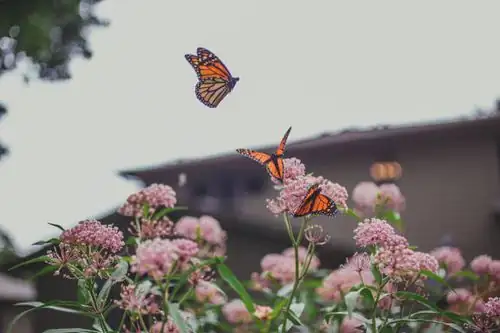
Have you ever wandered through a sunlit garden and found yourself captivated by a shrub teeming with fluttering butterflies, its long panicles of flowers swaying gently in the breeze? This enchanting plant, known as Buddleja davidii or the Butterfly Bush, is more than just a visual delight—it’s a botanical symbol of transformation, hope, and resilience.
The Essence of Transformation
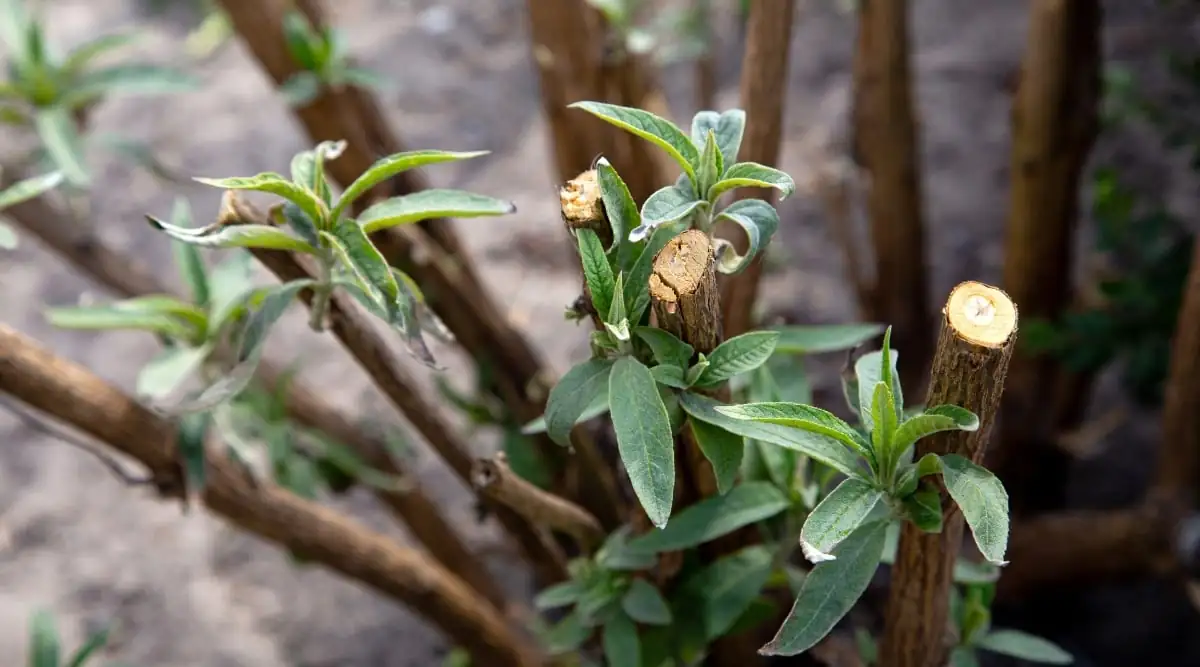
Imagine the life of a butterfly: from a humble caterpillar to a magnificent flying creature. The Butterfly Bush mirrors this journey, embodying the spiritual essence of transformation and growth. Its ability to bounce back after a hard pruning or a cold winter is a testament to its resilience, much like the caterpillar’s metamorphosis. This transformation is not just physical but deeply symbolic, representing personal growth, renewal, and the beauty that emerges from change.
A Beacon of Hope
In the aftermath of World War II, Britain saw the Butterfly Bush flourishing amidst ruins and rubble. Dubbed the “bombsite bush,” it became a symbol of resilience and hope, thriving where little else would. This symbolism extends to its role in gardens today, where its presence is a reminder that beauty can emerge from adversity. The plant’s vibrant blossoms and the fluttering butterflies it attracts serve as a living metaphor for perseverance and the persistent charm of nature.

Spiritual Magnetism and Attraction
There’s an almost mystical allure to the Butterfly Bush. With its fragrant, nectar-rich flowers, it draws in butterflies, bees, and other pollinators as if by magic. This magnetism is not just a biological phenomenon but also a spiritual one. In the world of symbolism, the Butterfly Bush encourages us to harness our own inner magnetism—to draw positivity and opportunities into our lives, much like its blossoms attract butterflies.
Gift-Giving and Celebrations
Gifting a Butterfly Bush can be a profound gesture. Whether marking a wedding, a new home, or a fresh start, this plant symbolizes new beginnings and hope. Its cascading flowers and vibrant presence make it a popular choice for celebrations, embodying the promise of growth and renewal. In Chinese culture, the Butterfly Bush is often associated with rejuvenation, making it a meaningful gift for those embarking on a new chapter in life.

Practical Planting and Care
If you’re considering adding this symbol of transformation to your garden, here’s what you need to know:
- Sunlight: Aim for full sun—Buddleja davidii thrives with at least 6–8 hours of sunlight daily.
- Soil: Well-drained, slightly acidic to neutral soil is ideal. Avoid wet, poorly draining sites.
- Watering: Regular watering is crucial during establishment, but once settled, the plant becomes quite drought-tolerant.
- Pruning: A hard prune in spring encourages lush growth and abundant blooms. Avoid fall pruning to maintain winter hardiness.
A Note on Invasiveness
While the Butterfly Bush is beloved for its beauty and symbolism, it’s important to be mindful of its potential invasiveness in some regions. In places like Oregon and Washington, it’s considered a noxious weed due to its prolific self-seeding. Opt for sterile or seedless cultivars and practice deadheading to curb unwanted spread.
Conclusion
Buddleja davidii is not just a plant—it’s a living narrative of resilience, transformation, and the beauty of change. Whether you’re drawn to its spiritual symbolism or simply the joy it brings to your garden, the Butterfly Bush is a poignant reminder of nature’s endless capacity for renewal and hope. So next time you see its blossoms swaying in the breeze, take a moment to appreciate the profound stories they tell and the inspiration they offer.


