

Meet the Resilient Butterfly Bush: Buddleja davidii
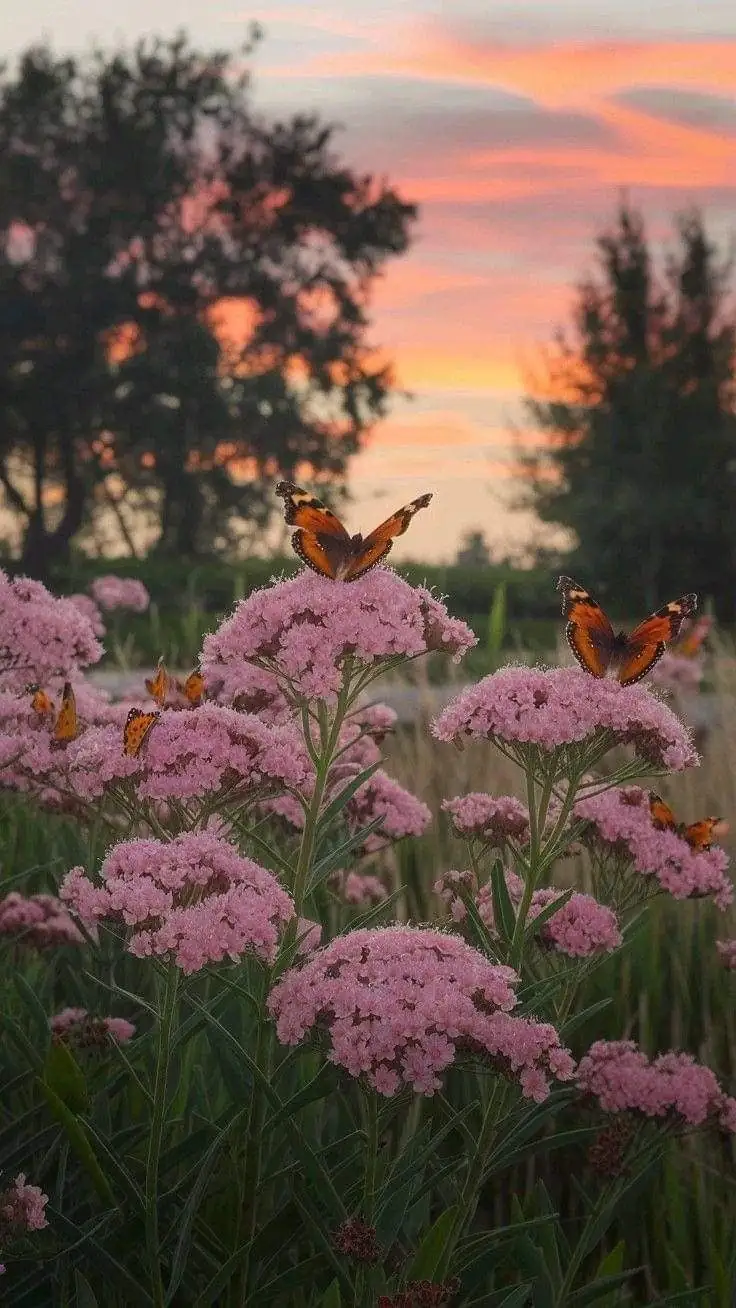
Imagine strolling through a garden in mid-summer, the air alive with buzzing bees and the gentle flutter of butterfly wings. What could be the star attraction of this vibrant scene? Often, it’s the Buddleja davidii, affectionately known as the Butterfly Bush. This delightful shrub is more than just a feast for the eyes; it’s a testament to nature’s resilience and adaptability.
A Tale of Two Names
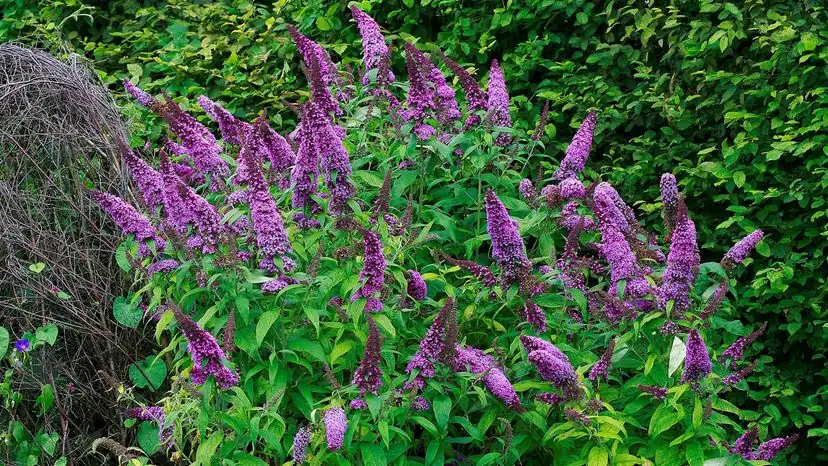
Before diving into the fascinating world of Buddleja davidii, let’s clear up a common mix-up: this plant is often confused with its relative, Buddleja lindleyana. Both are part of the Buddleja genus, cherished for their profusion of fragrant flowers that act like magnets for pollinators. However, Buddleja davidii is the classic Butterfly Bush, with its long, cone-shaped flower clusters and a reputation for thriving against the odds.
From the Mountains of China to Your Backyard
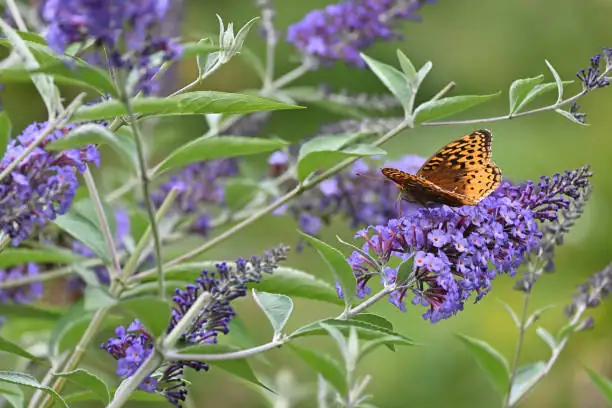
Native to the rugged terrains of central China, particularly the Sichuan and Hubei provinces, Buddleja davidii has journeyed far from its origins. It grows naturally in diverse environments such as limestone outcrops and rocky stream banks, showcasing its ability to adapt. This adaptability made it a perfect candidate for gardens around the world, where it continues to charm with its lilac to purple blooms, often adorned with a striking orange-yellow “eye.”
The Post-War Pioneer Spirit
In post-WWII Britain, Buddleja davidii earned the nickname “bombsite bush.” Amidst the rubble of bomb-damaged lots, this tenacious plant sprouted and flourished, symbolizing resilience and hope. It’s as if the Butterfly Bush said, “No place is too rough for me!” Today, it continues to embody transformation and rebirth, thriving in the most unexpected places.
The Pollinator’s Best Friend
While the Butterfly Bush is celebrated for attracting adult butterflies with its nectar-rich flowers, it doesn’t serve as a host plant for caterpillars. This means that while it provides a feast for adult butterflies, it doesn’t support their full life cycle. For a truly butterfly-friendly garden, pair it with native host plants like milkweed, which cater to caterpillars, ensuring future generations of butterflies.
Thriving in Any Garden
Buddleja davidii is a gardener’s dream: fast-growing, easy to maintain, and remarkably drought-tolerant once established. Here are a few tips to keep your Butterfly Bush happy:
- Sunlight: Loves basking in full sun. Aim for at least 6–8 hours daily to ensure a bounty of blooms.
- Soil: Prefers well-drained, slightly acidic to neutral soils. Avoid soggy spots to prevent root rot.
- Pruning: Cut back hard in spring to encourage vigorous growth and more flowers. Deadhead spent blooms to prolong the flowering season.
- Watering: Initially requires regular watering, but becomes drought-tolerant over time.
A Word of Caution: Invasive Tendencies
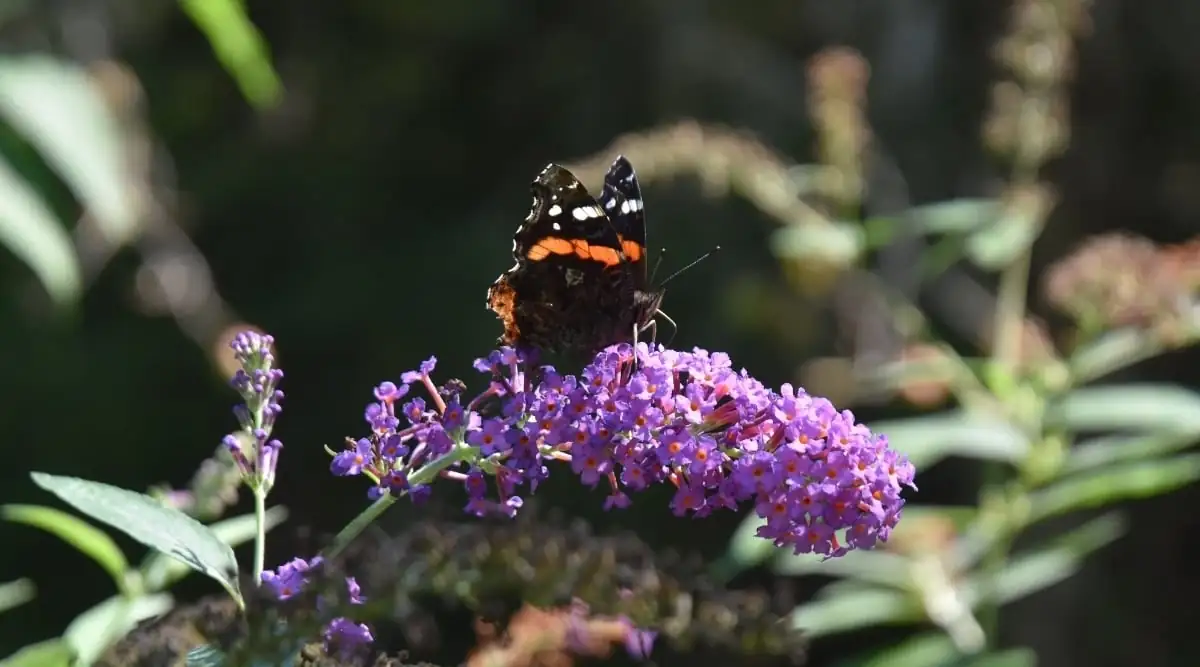
Despite its many charms, Buddleja davidii has a weedy side. In some regions, especially the Pacific Northwest of the U.S., it can spread aggressively, outcompeting native plants. If you’re in an area where it’s considered invasive, consider planting sterile or seedless varieties, and always deadhead to prevent seed spread.
Fun Facts and Fascinating Tidbits
- A Seed Machine: A single flower panicle can produce tens of thousands of tiny seeds, explaining its invasive capabilities.
- Not Just for Butterflies: While named for its butterfly appeal, the plant also attracts bees, lady beetles, and even the occasional hummingbird.
- A Cornucopia of Colors: Cultivars expand the color palette beyond the wild lilac to include whites, pinks, yellows, and deep purples.
In conclusion, Buddleja davidii is more than just a pretty face in the garden. It’s a symbol of resilience and adaptability, thriving where many plants dare not grow. Whether you’re a seasoned gardener or a newcomer to the world of horticulture, this plant offers both beauty and a lesson in nature’s tenacity. So, why not welcome a Butterfly Bush into your garden and join its ongoing story of transformation and renewal?


