Cultivating the Perfect Butterfly Bush: Your Ultimate Guide to Buddleja davidii Care
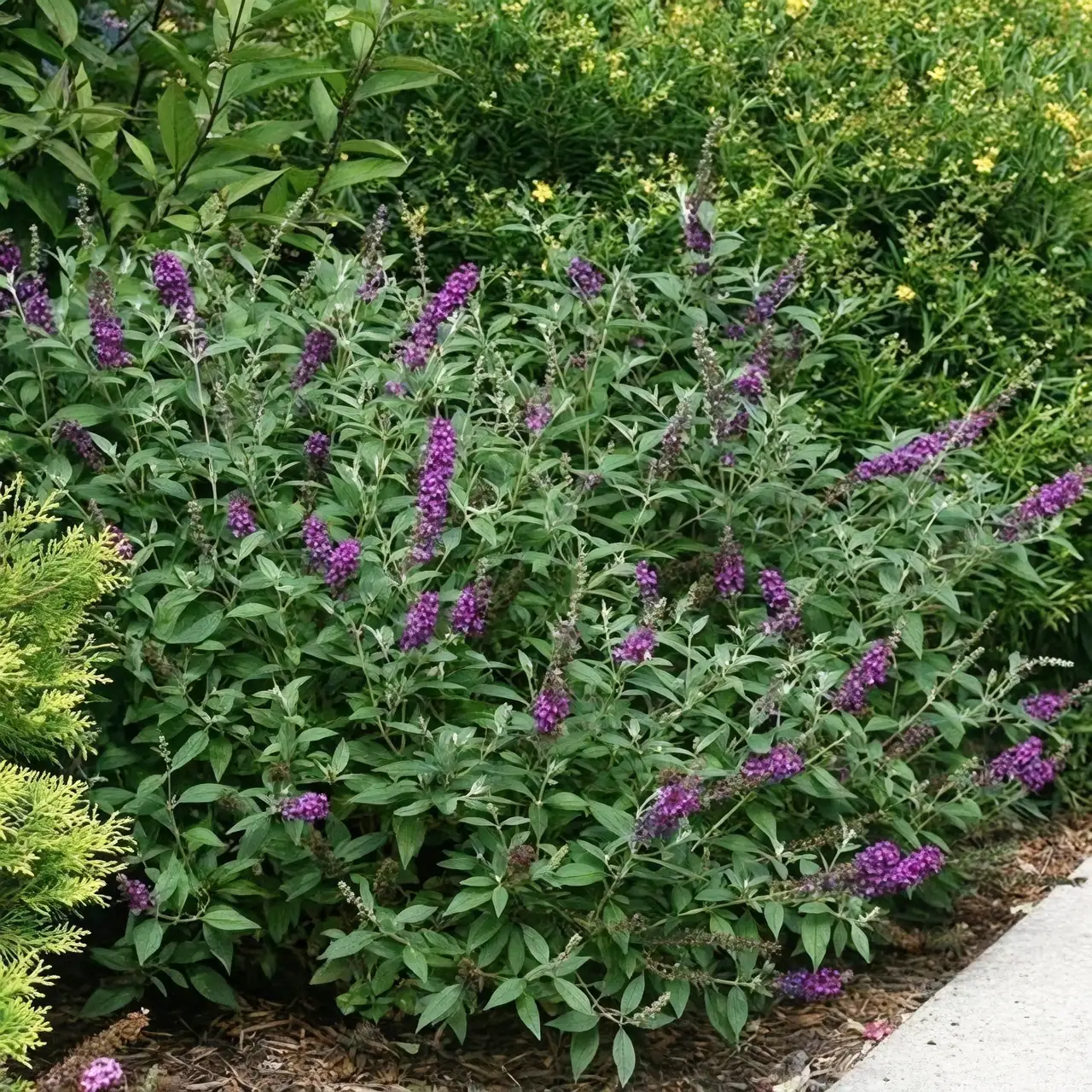
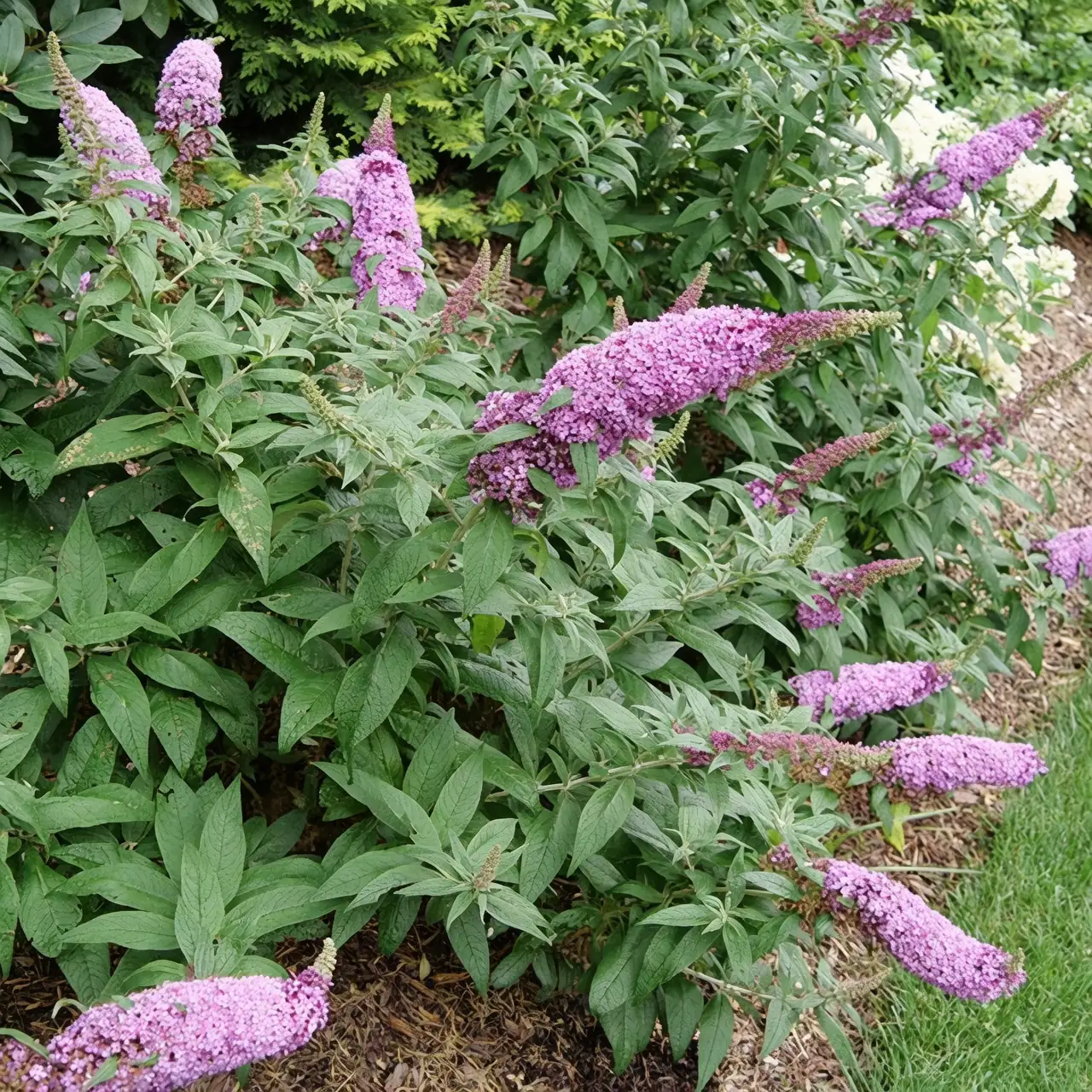
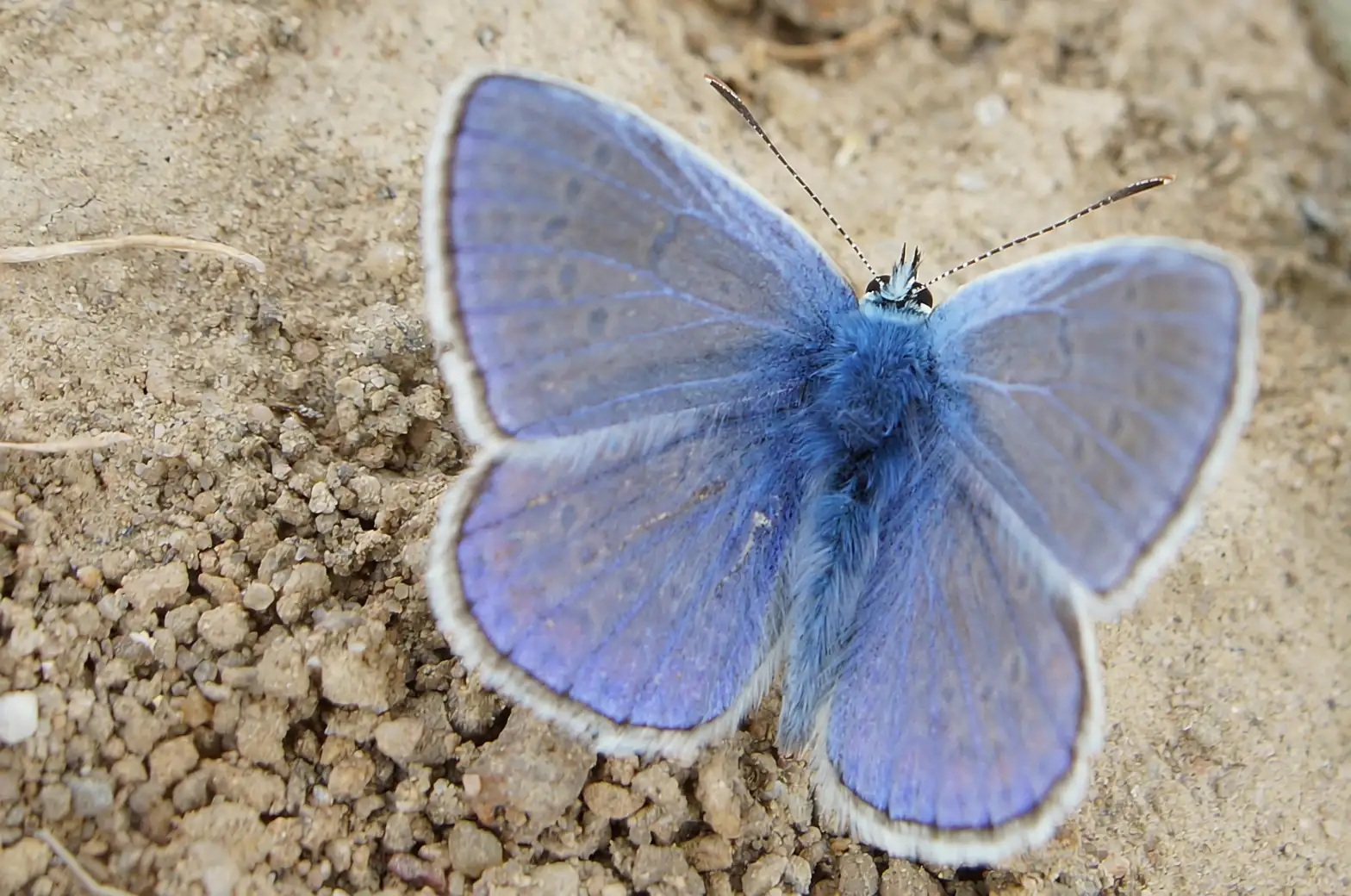
Imagine a garden teeming with fluttering butterflies, buzzing bees, and a kaleidoscope of colors. This enchanting scene is often brought to life by the Buddleja davidii, affectionately known as the Butterfly Bush. A true garden gem, this flowering shrub is celebrated for its fragrant, nectar-rich blooms that act like a magnet for pollinators. But how do you ensure this plant thrives and blooms to its full potential? Let’s dive into the world of Buddleja davidii care.
Light Up Your Garden with Sunlight
To truly unlock the potential of your Butterfly Bush, you’ll need to place it under the spotlight—literally. Buddleja davidii craves full sun, requiring at least 6 to 8 hours of bright sunlight each day. In shaded areas, these shrubs can become leggy and produce fewer flowers. Picture it as the plant equivalent of a sun-loving beachgoer; the more sunshine, the more vibrant and lively it becomes.
Watering Wisdom: Quenching the Thirst
While the Butterfly Bush is known for its hardiness and drought tolerance once established, it does require consistent watering during its first year. Aim for approximately 1.3 cm (0.5 in) of water per week, ensuring the soil remains moist but never waterlogged. Imagine sipping a refreshing drink on a hot day—hydration is key, but moderation is crucial to avoid soggy soil that can lead to root rot.
Soil and Drainage: The Solid Foundation
This bush thrives in average, well-drained soil. Think of it as the plant’s foundation, much like a well-built home. While it can tolerate clay soil, make sure enhancements are made for proper drainage. Planting “high” by creating a slight mound can help prevent water from pooling around the roots, allowing it to breathe easily.
The Art of Pruning: Sculpting for Success
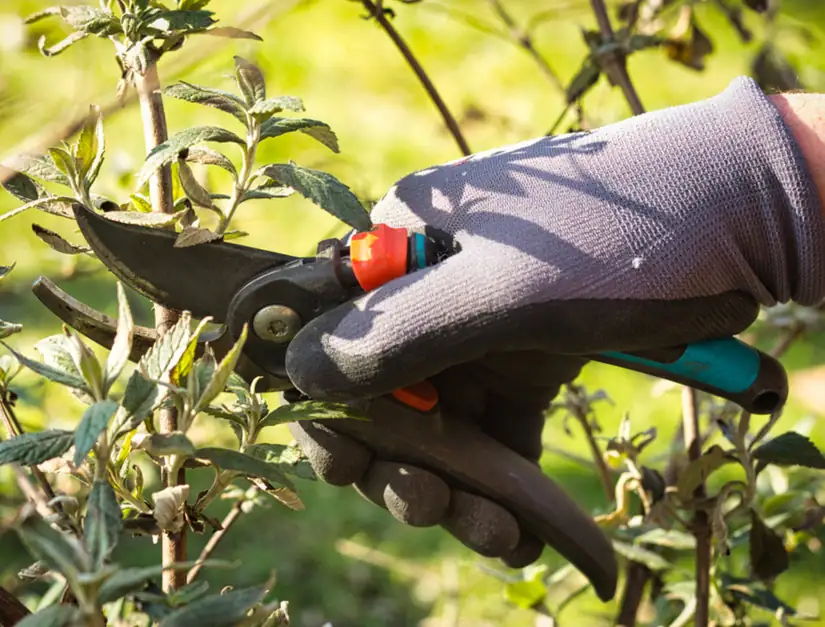
Pruning your Butterfly Bush is akin to giving it a fresh haircut, encouraging vigorous growth and stunning flowers. The best time to prune is in spring, after new buds begin to appear. Don’t be afraid to cut it back hard—this encourages new shoots and larger blooms. Additionally, deadheading spent flowers throughout the growing season will keep your bush blooming beautifully.
Fertilization: Less is More
When it comes to feeding your Buddleja davidii, remember that less is more. A light layer of compost in spring usually provides all the nutrients it needs. Excessive fertilization can encourage leafy growth at the expense of flowers. Think of it like a balanced diet; a little goes a long way in maintaining health and vitality.
Seasonal Care: Adapting with the Seasons
- Spring: Prune after bud break and top-dress with compost.
- Summer: Water deeply as needed and deadhead regularly.
- Fall: Remove flower heads to limit self-seeding; apply mulch in colder zones.
- Winter: Expect dieback in colder climates, but rest assured, the plant typically resprouts vigorously in spring.
A Word on Invasiveness
Butterfly Bushes can sometimes be invasive, particularly in regions like the Pacific Northwest. If you live in an area where Buddleja davidii spreads easily, consider choosing seedless cultivars and regularly deadheading to prevent unwanted propagation.
A Historical Nod to Resilience
The allure of the Butterfly Bush extends beyond its beauty. Named after Reverend Adam Buddle, with its species name honoring Père Armand David, this plant symbolizes resilience and transformation. After World War II, it famously colonized bomb-damaged areas in Britain, earning the nickname “bombsite bush” for its pioneering spirit.
Nurturing a Pollinator Paradise
While Buddleja davidii is excellent for feeding butterflies with its nectar, it doesn’t typically serve as a host plant for caterpillars. To create a truly butterfly-friendly garden, pair it with native host plants that support the full life cycle of these delicate pollinators.
By embracing the magnificent Butterfly Bush and following these care tips, you’ll not only enhance your garden’s visual appeal but also support local wildlife, creating a vibrant ecosystem that sings with life. Happy gardening!