
A Tropical Oasis: The Enchanting World of Dypsis lutescens
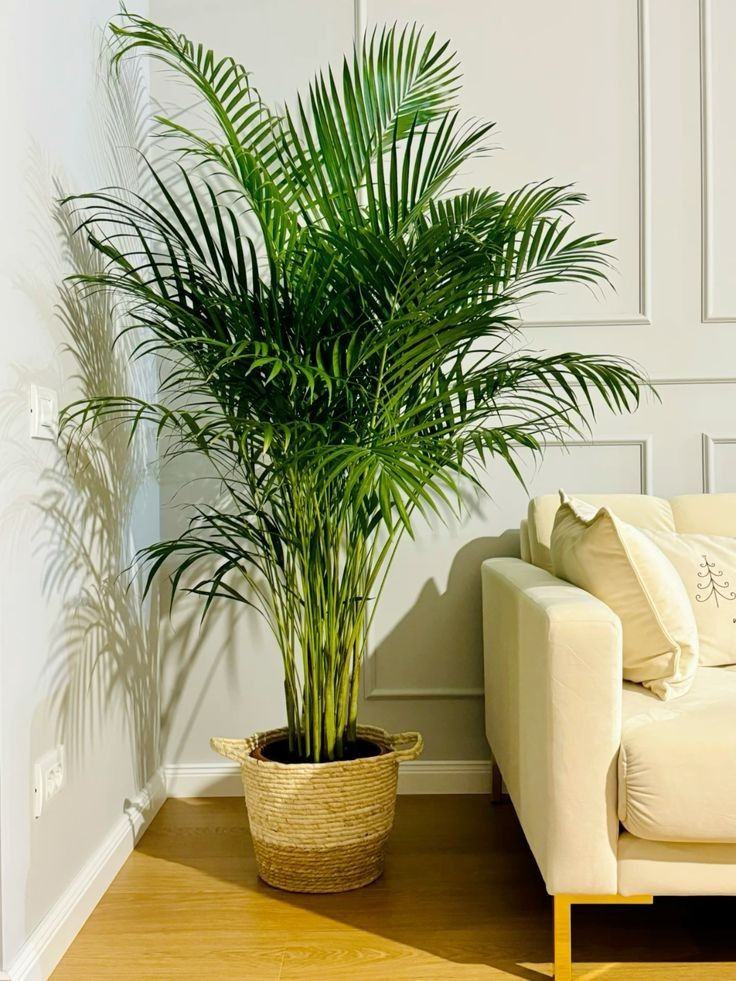
Imagine stepping into a room and feeling as though you’ve been transported to a serene, sun-drenched tropical island. The gentle sway of lush, feather-like fronds swirls around you, whispering tales of faraway lands. Welcome to the captivating world of Dypsis lutescens, the Areca Palm, a plant that brings a touch of paradise to any space it graces.
A Tale of Names and Origins
This palm’s aliases read like a list of exotic travel destinations: Bamboo Palm, Butterfly Palm, Golden Cane Palm, and Yellow Palm. Each name hints at a unique aspect of its appearance or origin. Native to the sun-dappled forests of Madagascar, Dypsis lutescens stands as a testament to the island’s biodiversity. The plant’s multiple, cane-like stems bear a striking resemblance to bamboo, earning it the Bamboo Palm moniker, while the golden hues of its leaf stems and veins explain its “Golden” and “Yellow” titles.
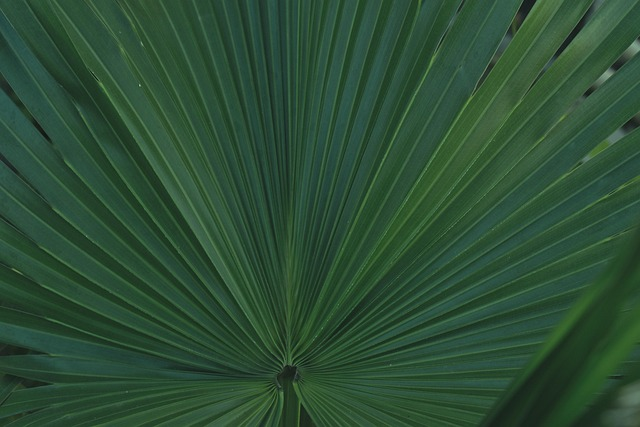
The Fountain of Fronds
A true spectacle of nature, the Areca Palm grows in a clumping fashion. Imagine a fountain, with water cascading outwards; similar is the growth habit of this palm. Its slender, upright stems spring from a common base, and as they mature, the fronds arch elegantly outward, creating a lush, green canopy. Indoors, it typically reaches heights of 5 to 8 feet, but when given room to stretch outdoors in warm climates, it can soar up to 30 feet!
Light, Water, and a Hint of Mystery
Dypsis lutescens thrives in bright, indirect light, a reminder that even in the plant kingdom, balance is key. Too much direct sunlight can scorch its fronds, while low light slows its growth. The palm’s watering needs are similarly nuanced: keep the soil evenly moist, but never soggy. Imagine sipping a perfect cup of tea—just enough to quench your thirst without drowning the flavors.
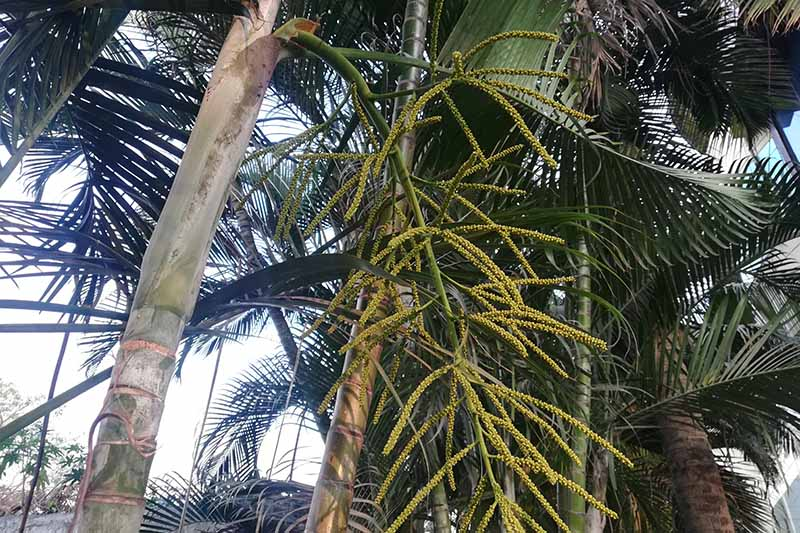
Curiously, indoor flowering is rare, making it a bit like spotting a unicorn in your living room. Those lucky enough to see it bloom outdoors are treated to panicles of small, golden flowers that mirror the sun’s warmth.
Air Purifying Wonder
For those of us living in bustling urban environments, the Areca Palm offers a breath of fresh air—literally. It’s celebrated not only for its aesthetic appeal but also for its rumored air-purifying capabilities. While the science behind its effectiveness in purifying air varies, its reputation as a natural humidifier and freshener is well appreciated. It’s like having a tiny rainforest ecosystem right in your living room!
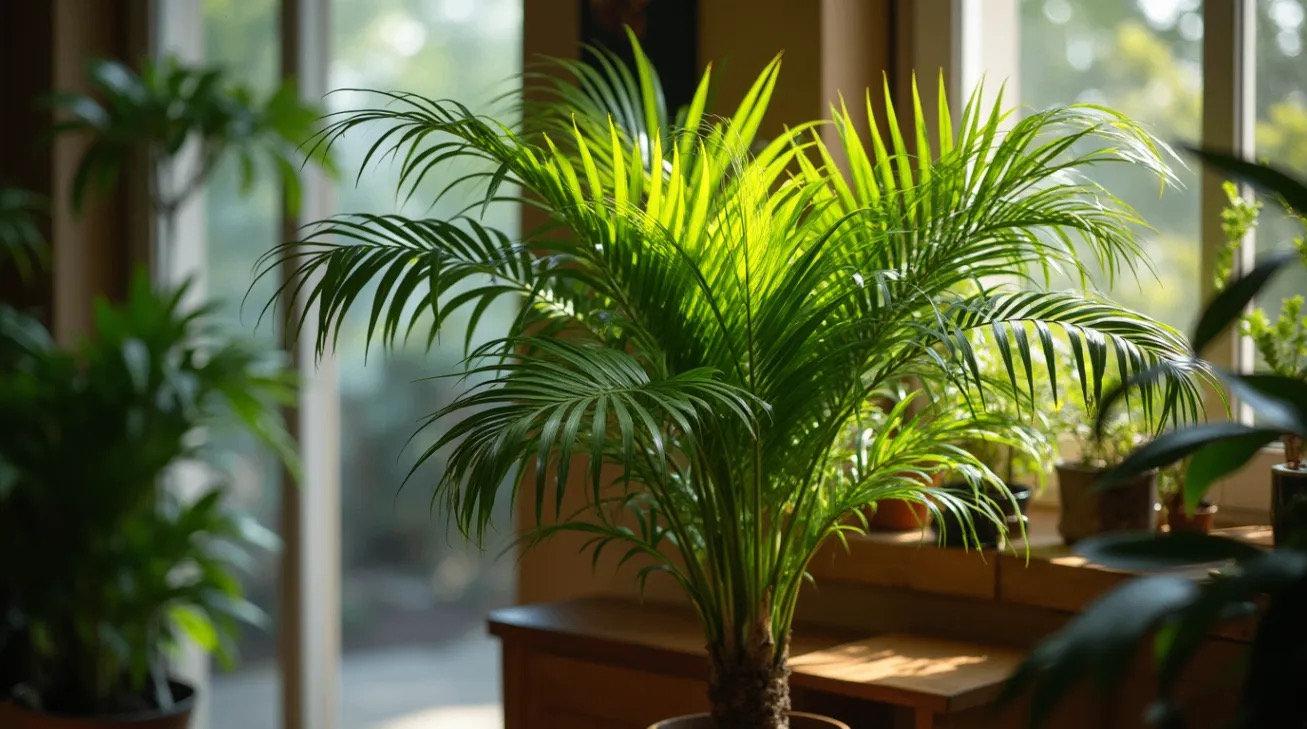
A Green Companion
Caring for Dypsis lutescens is like nurturing a friendship—easy and rewarding. It doesn’t demand much, just a little attention to its preferences for warmth, humidity, and light. When these are met, it rewards its caretaker with vibrant green fronds that bring life to any room.
Symbolism and Serenity
In Feng Shui, the Areca Palm is akin to a gentle breeze that brings positive energy and tranquility into a space. It’s a living symbol of elegance and calm—a plant that silently whispers “relax, breathe, and enjoy the moment.”
Common Queries and Fascinating Facts
- Why do the leaf tips turn brown? Think of it as a plant’s way of saying, “I need a little more humidity and less fluoride in my water, please!”
- Can it live in low light? It can manage, much like how we handle a dimly lit room, but it thrives best when basking in indirect sunlight.
- Is the Areca Palm the same as the true Areca Palm? A common mix-up! This delightful houseplant is Dypsis lutescens, while the “true” Areca Palm is Areca catechu, renowned for its betel nuts.
In the world of houseplants, Dypsis lutescens stands out as a cherished green companion. With its striking appearance and easy-going nature, it transforms homes into lush, inviting havens. Whether you’re a seasoned plant parent or a newbie to the indoor jungle, the Areca Palm is ready to bring a touch of tropical magic to your life.