
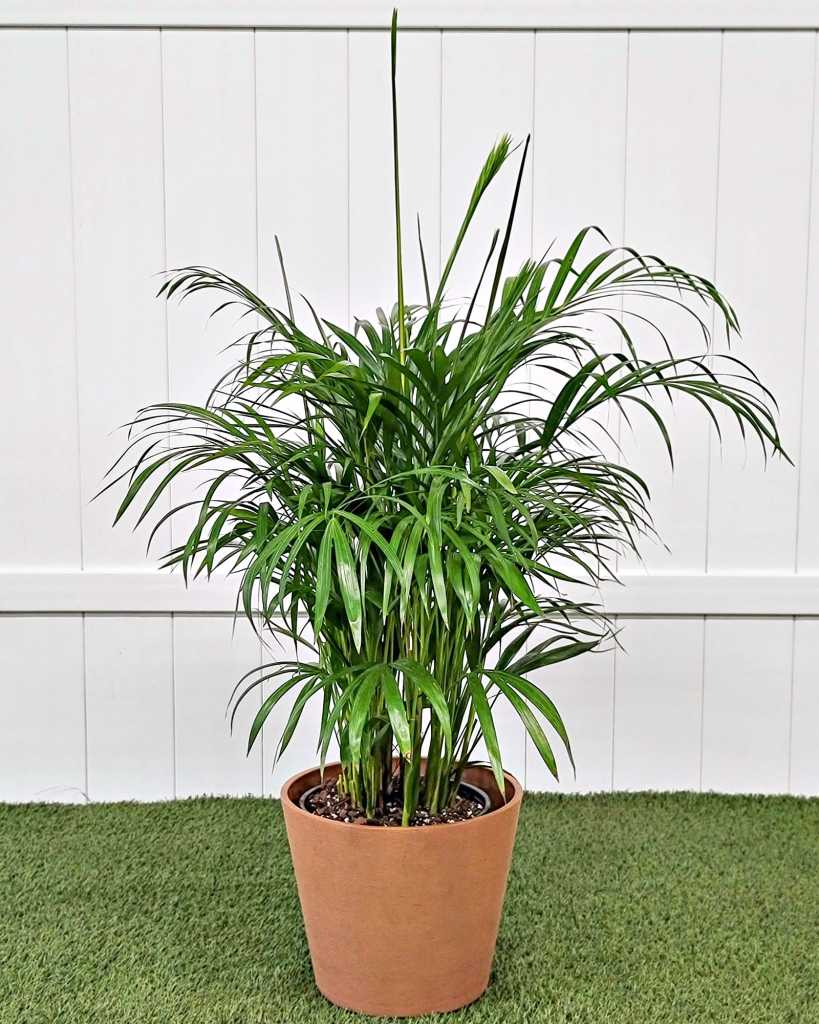
In the dense, whispering forests of Madagascar, where the air is thick with the scent of rich earth and ancient growths, the Areca Palm, known scientifically as Dypsis lutescens, first unfurled its elegant, feather-like fronds. This plant, with its slender, bamboo-like canes and lush, arching greenery, has traveled far from its native habitat, becoming a beloved staple in homes and gardens around the world. How did this captivating palm make such a journey from exotic wilderness to our living rooms? Let’s explore the intriguing story of the Areca Palm.
A Journey from Madagascar to the World
The Areca Palm hails from Madagascar’s littoral forests, a place of both beauty and peril. While its native habitat is endangered, this palm has found new life across the globe, thriving in tropical and subtropical landscapes. From the Andaman Islands to Florida, its presence is a testament to adaptability and resilience.
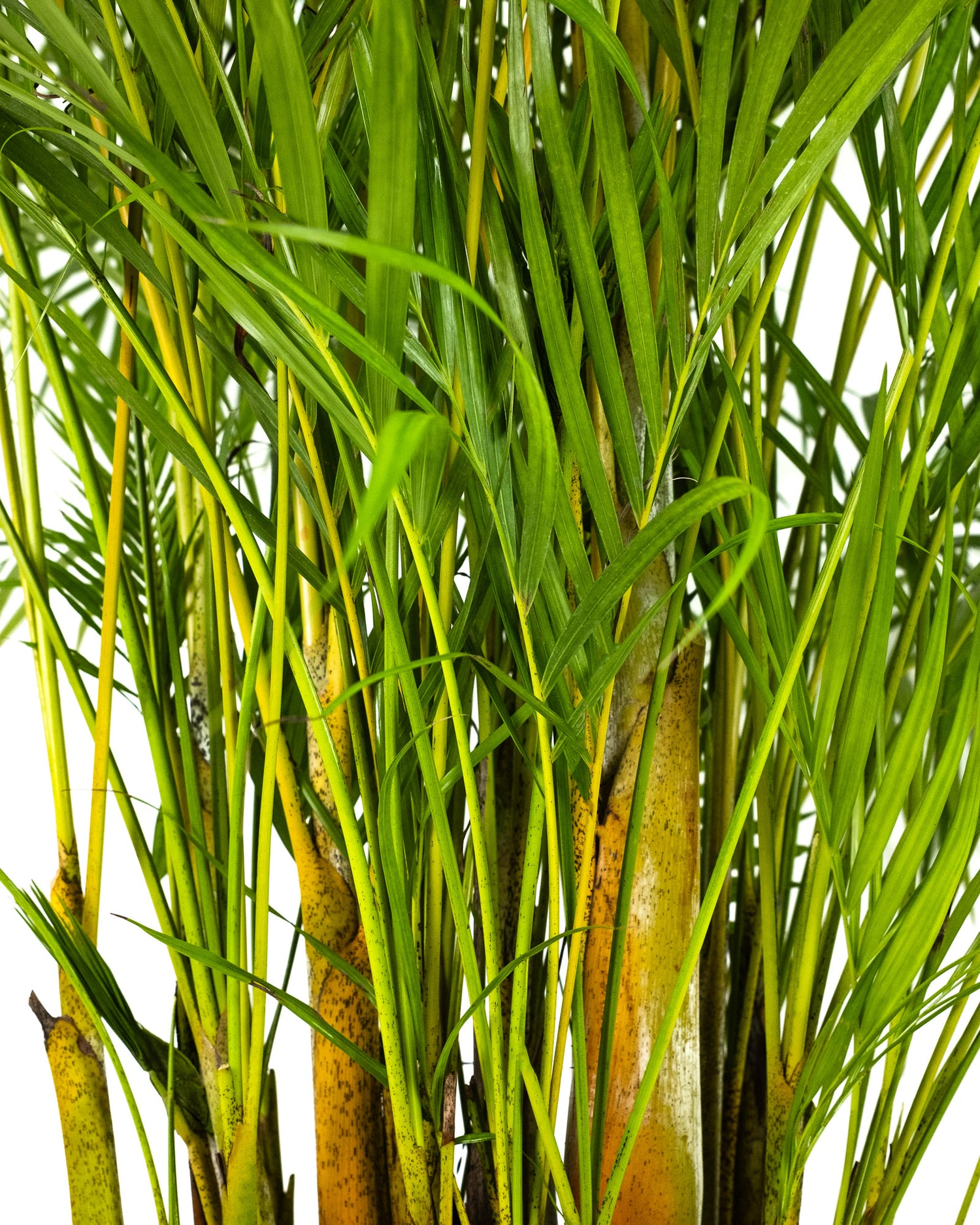
In its homeland, the Areca Palm stands tall, sometimes reaching up to 30 feet. Its canes, reminiscent of bamboo, rise from the ground in clusters, creating a fountain of green that sways gracefully in the breeze. The palm’s yellow petioles, which inspired the moniker “Golden Cane Palm,” glow in the sunlight, adding to its allure.
The Houseplant Revolution
Despite its majestic outdoor presence, the Areca Palm has garnered fame as one of the most popular indoor plants. Its journey indoors began in the 19th century, when plant enthusiasts discovered its potential to bring a slice of the tropics into the confines of the home. Today, it is celebrated not just for its beauty, but also for its reputation as a natural air purifier, lending a breath of fresh air to our living spaces.
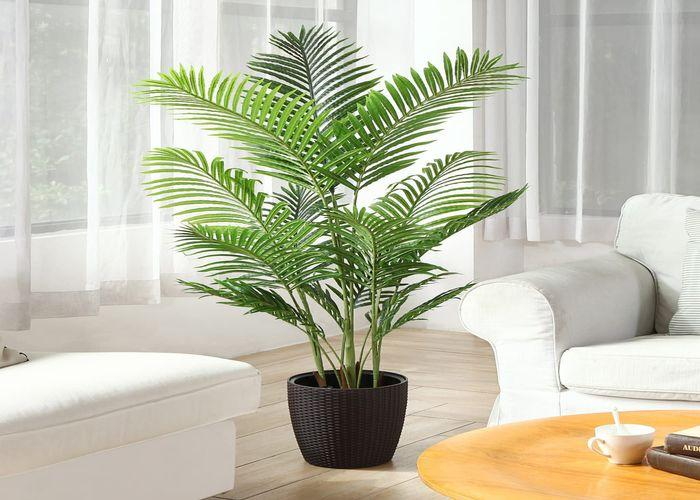
When you walk into a room adorned with an Areca Palm, you instantly feel a sense of calm and elegance. It’s as if you’ve stepped into a serene tropical retreat, far removed from the hustle of everyday life. This is no coincidence—in Feng Shui, the palm is associated with positive energy and tranquility, making it a perfect addition to any home.
Cultivation and Care
Caring for an Areca Palm is akin to tending to a living, breathing piece of art. While it thrives in bright, indirect light, it can adapt to lower light conditions, making it versatile for various indoor settings. The secret to its lush foliage is humidity. This palm loves moisture, and regular misting or a humidifier can keep it looking its best, preventing the dreaded brown tips that often betray its thirst.
Watering requires a delicate balance. The soil should be kept evenly moist but not waterlogged, a reminder of its origins in the moist forests of Madagascar. In return for your care, the Areca Palm rewards you with a vibrant display of greenery that can transform any space into a tropical paradise.
Propagation and Growth
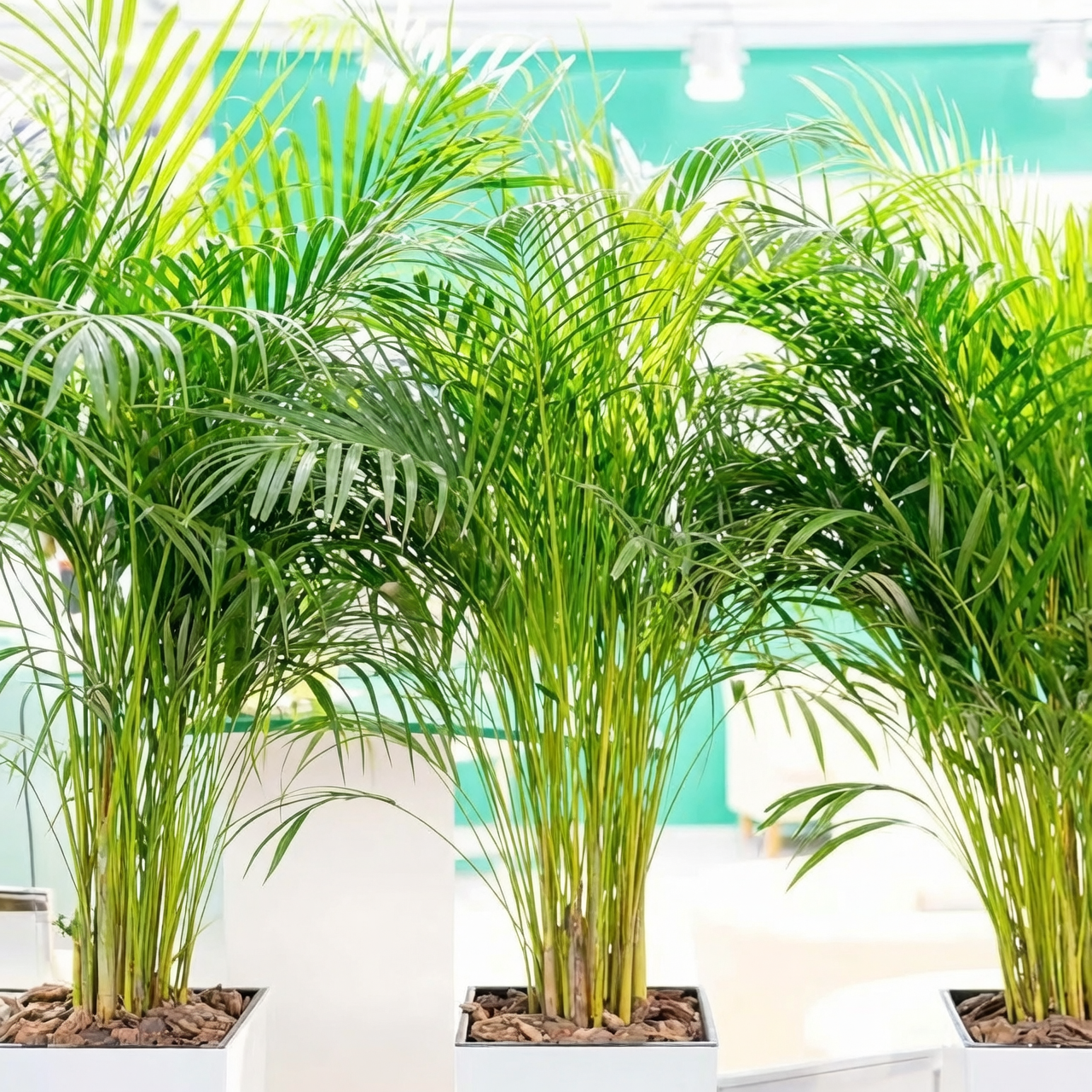
For those looking to expand their collection, propagation by division in spring is the way to go. As the palm develops offsets, these can be carefully separated and replanted, each becoming a new fountain of life. Though seed propagation is possible, it is a slow endeavor, suited more to patient gardeners with a penchant for nurturing growth from scratch.
The Symbolism of the Areca Palm
Throughout history, the Areca Palm has been a symbol of elegance and welcome. Its presence in a room is often likened to an “instant resort energy,” a promise of relaxation and escape. The palm’s ability to purify air and boost humidity adds to its symbolic value, enhancing the well-being of those who reside in its presence.
FAQs: Common Concerns Addressed
- Why do the leaf tips turn brown?
Low humidity, inconsistent watering, or mineral-heavy water can cause this. Increase humidity and ensure even watering to keep the fronds lush.
- Can it survive in low light?
Yes, though its growth will slow. For a fuller appearance, place it near a window with bright, indirect light.
- How often should I water it?
Water when the top inch of soil is dry, ensuring thorough drainage to prevent root rot.
- When is the best time to repot?
Every 2–4 years in spring, when the roots are pot-bound and growth is resuming.
A Living Legacy
The Areca Palm is more than just a plant; it’s a living piece of history and a testament to nature’s beauty and resilience. Whether gracing the floors of a living room or providing a lush backdrop in a tropical garden, it continues to captivate and inspire. As you tend to your Areca Palm, remember its journey—from the endangered forests of Madagascar to the heart of your home—and let it remind you of the elegance and tranquility it brings to life.