
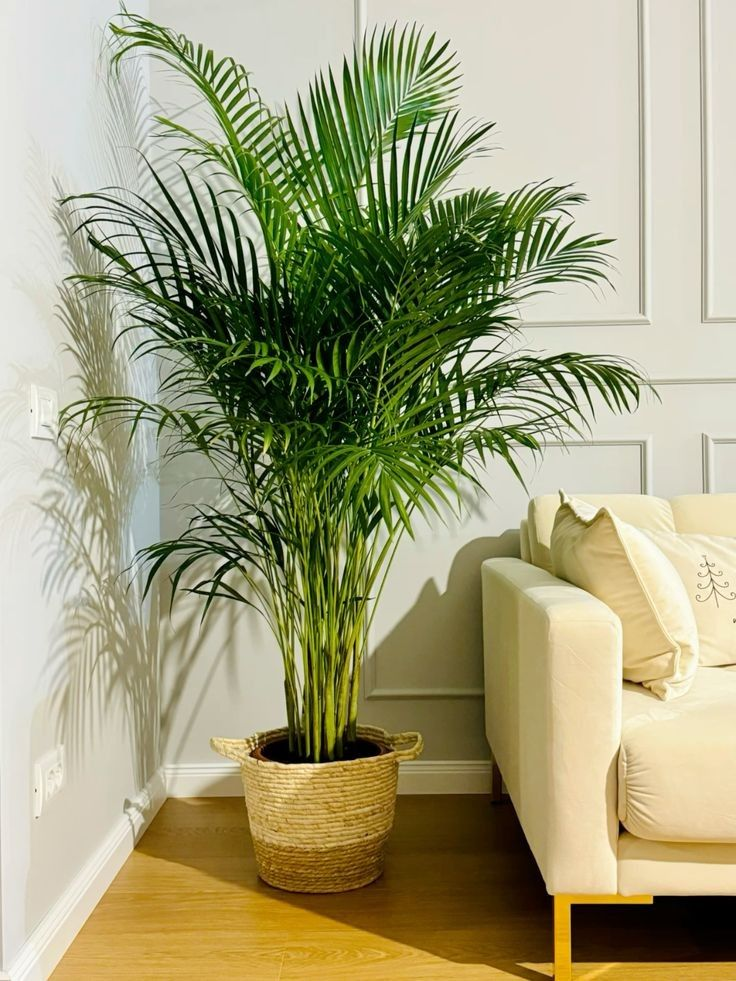
The Areca Palm, known scientifically as Dypsis lutescens, is a tropical gem that brings an essence of resort-like tranquility to any indoor space. Whether you’re a seasoned plant enthusiast or a budding green thumb, caring for this lush, clumping palm is both rewarding and accessible. With its graceful, arching fronds and bamboo-like canes, it’s no wonder the Areca Palm is a favorite for those looking to infuse a touch of the tropics into their home or office. But how do you ensure it thrives, maintaining its vibrant elegance? Let’s delve into the ideal care techniques for Dypsis lutescens.
Light: The Sunlit Dance of Fronds
Imagine a sun-dappled forest floor where light filters gently through the leaves—this is the kind of light your Areca Palm craves. Bright, indirect light is its sweet spot, akin to a radiant, overcast day. Position it near an east or north-facing window, or a few feet back from a brighter south or west-facing window with a sheer curtain. While it can tolerate lower light conditions, you’ll notice a slower growth rate and a less lush appearance. Avoid direct midday sun, which can scorch its fronds, much like a sunburn on a fair-skinned beachgoer.

Temperature: A Warm Embrace
The Areca Palm revels in warmth, much like a sunbather on a tropical beach. Keep it in a comfortable indoor range between 13–24°C (55–75°F), with an appreciation for even warmer conditions up to 35°C (95°F) if humidity and water are sufficient. It’s crucial to shield it from cold drafts and temperatures dipping below 10°C (50°F), as this can lead to unsightly brown tips and overall plant distress.
Watering: A Delicate Balance
Picture your Areca Palm as a discerning guest—it appreciates a consistent, slightly moist environment but abhors soggy feet. Water your palm when the top 2–5 cm (1–2 inches) of soil feels dry to the touch. In the warmth of summer, this might mean more frequent watering, while winter calls for a more restrained approach. Use room-temperature water, and if your tap water is high in minerals, consider using filtered or distilled water to avoid brown tips—your palm’s gentle way of hinting at its displeasure with hard water.

Humidity: The Tropical Mist
Envision the moist, humid air of a rainforest—this is the environment in which your Areca Palm feels most at home. Aim for a humidity level of 50% or higher. Regular misting, a pebble tray, or a humidifier can help recreate this ambiance, preventing issues like spider mites, which thrive in dry conditions. Think of it as a spa treatment for your palm—refreshing and revitalizing.
Soil and Fertilization: Nutrient-Rich Foundations
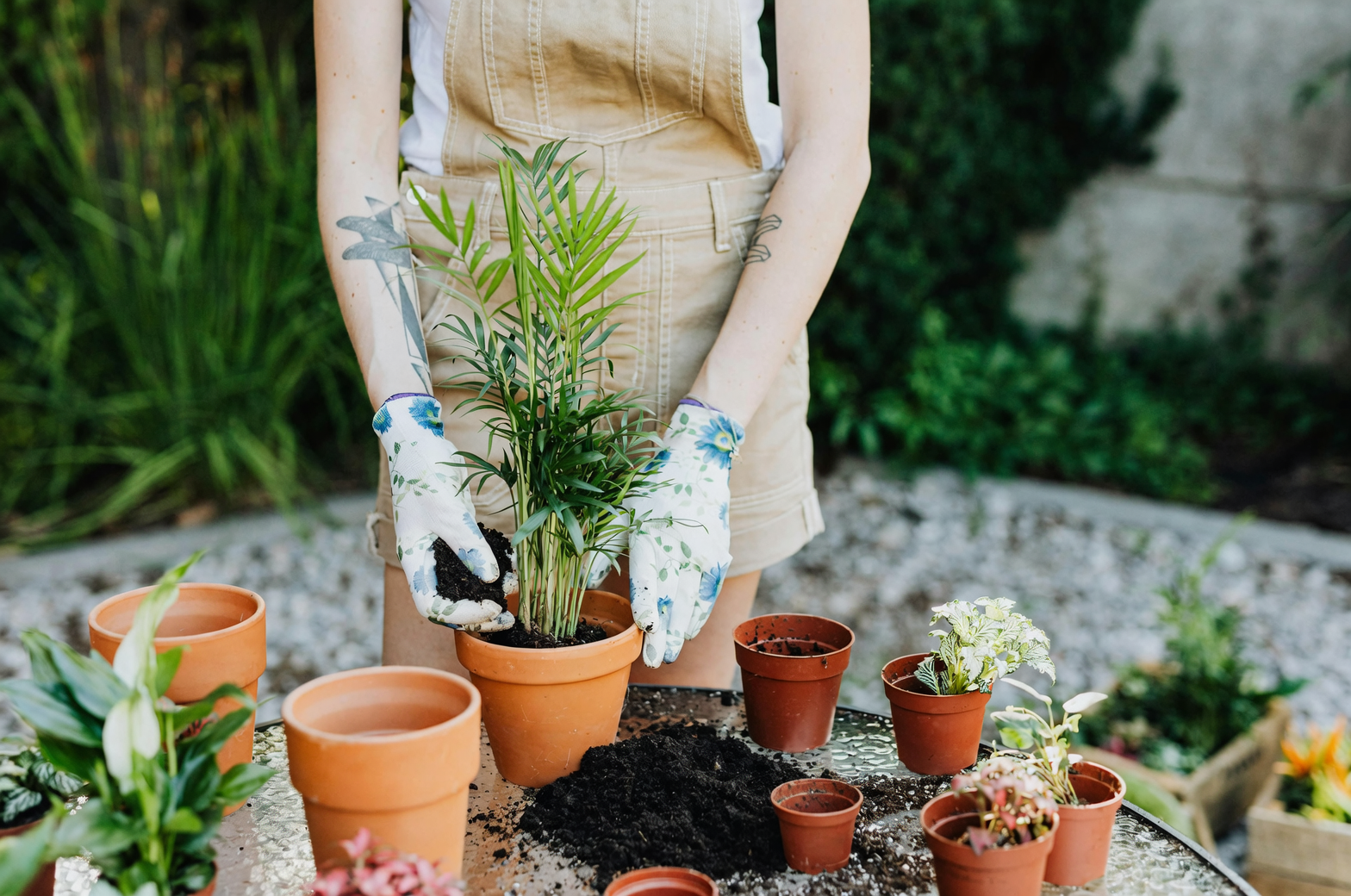
The soil for your Areca Palm should be loose, rich, and well-draining, akin to the fertile forest floor of its native Madagascar. A peat or coco-based mix with added perlite or coarse sand works wonders. During the growing season, from spring through early autumn, feed your palm lightly every two weeks with a balanced liquid fertilizer at half strength. Pause fertilization in winter, allowing your palm to rest and rejuvenate.
Pruning and Propagation: Gentle Tidying
Pruning your Areca Palm is akin to giving it a gentle haircut—remove fully brown or dead fronds at the base to maintain its tidy appearance. Avoid cutting healthy green fronds, as this can stress the plant. For propagation, division in spring is your best bet; separate sections with a solid root system and provide warmth and humidity as they establish themselves.
Common Challenges and Solutions
Brown tips are often a signal of low humidity or inconsistent watering. Increase humidity, ensure even watering, and consider switching to gentler water sources. If your palm’s growth seems stalled, check its light exposure and fertilization schedule. And remember, patience is key—your Areca Palm is a slow but steady grower.
Embrace the Tropical Elegance
Caring for Dypsis lutescens is like curating a little piece of paradise in your living space. With the right balance of light, warmth, water, and care, your Areca Palm will reward you with its lush, vibrant presence, transforming any room into a tranquil, tropical escape. So, are you ready to invite this elegant guest into your home and watch it thrive?