


—
Growing Cosmos bipinnatus from seed is like painting your garden with a palette of vibrant colors. Known by many as the “Garden Cosmos” or “Mexican Aster,” these flowering plants are not just a visual delight but also a gardener’s best friend, attracting pollinators while being incredibly easy to grow. If you’re ready to transform your garden into a lively, colorful dance of petals, let’s dive into the steps and secrets of cultivating Cosmos bipinnatus from seed.
Why Grow Cosmos bipinnatus?
Cosmos bipinnatus, native to the high-altitude regions of Mexico, is a superstar of summer gardens. Picture daisy-like blooms fluttering atop slender, wiry stems, all set against a backdrop of feathery, fern-like foliage. These plants are not only visually stunning but also offer a host of benefits:
- Pollinator Magnet: Bees, butterflies, and birds flock to cosmos, making them perfect for wildlife-friendly gardens.
- Low Maintenance: They thrive in poor to average soils and require minimal watering once established.
- Long Blooming Season: Expect blooms from summer until the first frost, keeping your garden lively for months.
Getting Started: Seed Propagation
Growing Cosmos bipinnatus from seed is an adventure in patience and payoff. Here’s your step-by-step guide to sowing these beauties:
Step 1: Seed Collection and Storage
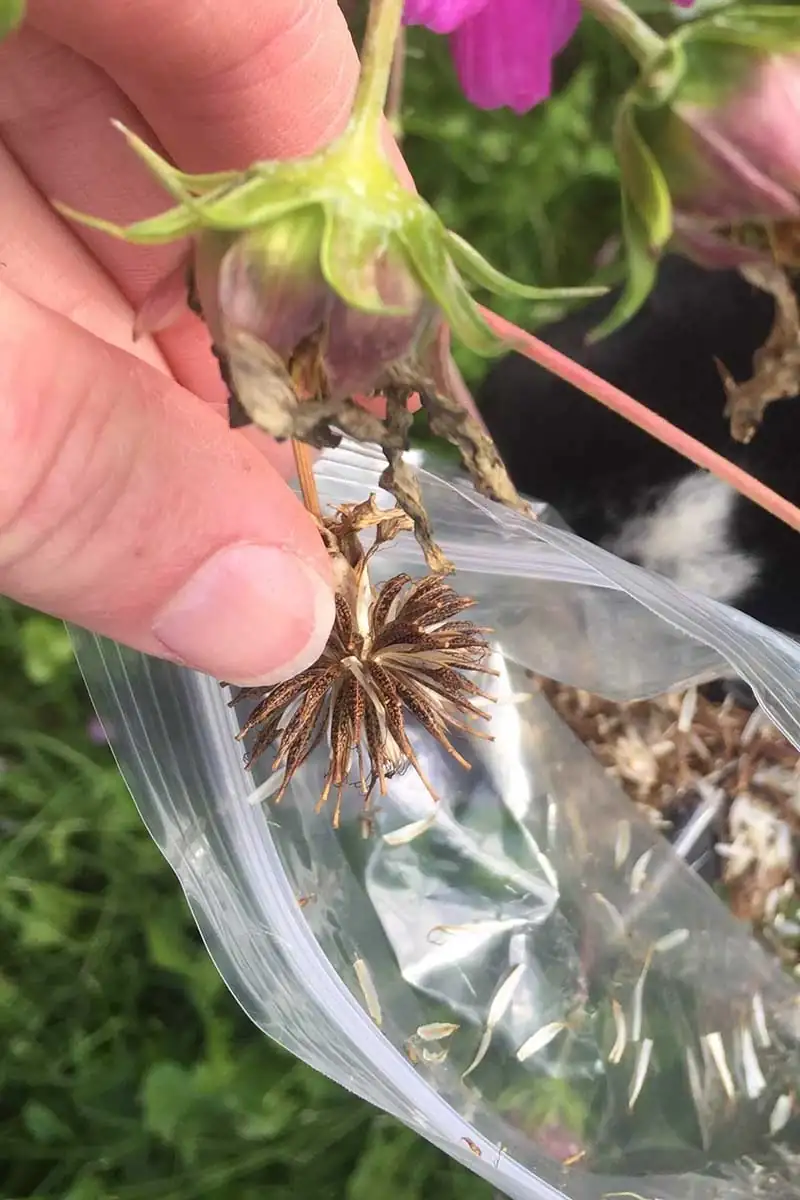
Start by collecting seeds from mature plants at the end of the season. Let the seed heads dry on the plant until they turn brown and crunchy, then gently rub the seeds into a container. Store them in a cool, dry place, and they’ll remain viable for up to three years.
Step 2: Choose Your Timing
- Direct Sowing: Once the threat of frost has passed, sow seeds directly into the garden. This method mimics their natural propagation and ensures strong growth.
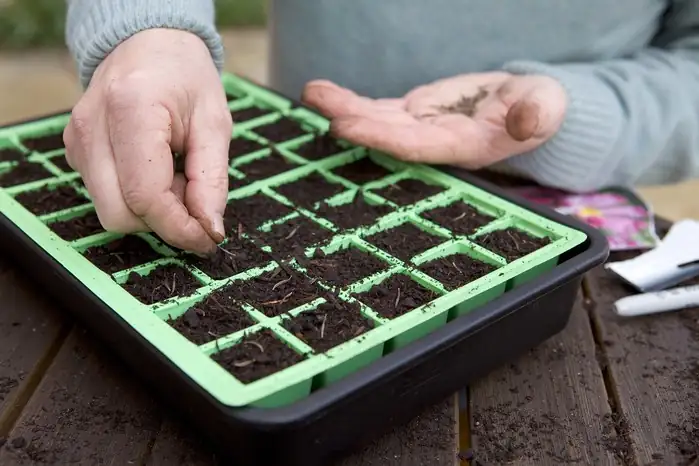
- Indoor Starting: For a head start, sow seeds indoors 6-8 weeks before the last frost. Use seed trays with a seed-starting mix, keeping the soil moist but not waterlogged.
Step 3: Planting the Seeds
- Soil Preparation: Cosmos prefer well-draining soil, ideally sandy or loamy. Rich, fertilized soils can lead to lush foliage but fewer blooms.
- Sowing Technique: Scatter the seeds over prepared soil, lightly rake them in, and water gently. Space the seeds to allow for air circulation, which helps prevent mildew.
Step 4: Germination and Thinning
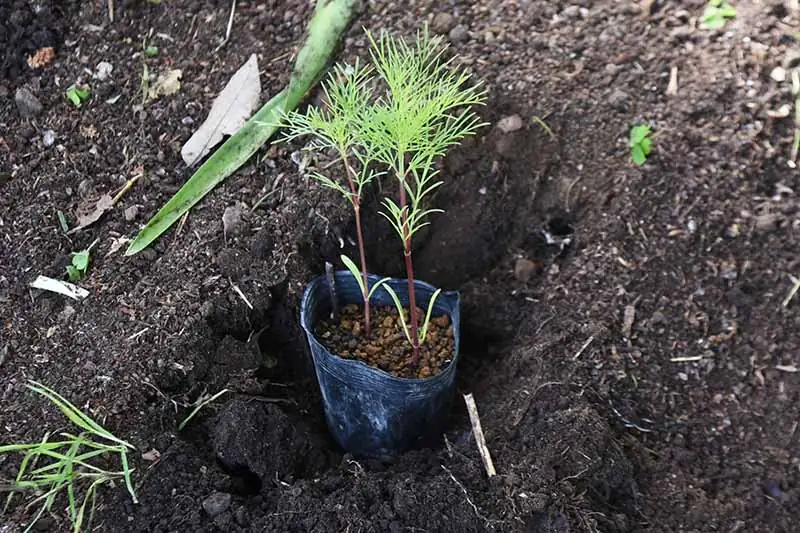
Seeds typically germinate in 7-21 days at temperatures around 24°C (75°F). Once seedlings develop their first true leaves, thin them to about 30-45 cm (12-18 inches) apart to ensure healthy growth.
Cultivation Tips for Blooming Success
Sunlight and Watering
Cosmos thrive best in full sun, requiring 6-8 hours of direct light daily. While they are drought-tolerant once established, water deeply only when the soil is dry to encourage deep root growth.
Minimal Fertilization
These plants are happy in nutrient-poor soils. Avoid high-nitrogen fertilizers, which can result in more leaves and fewer flowers. A light phosphorus-forward feed can boost blooms if they slow down.
Pruning and Maintenance
- Deadheading: Regularly remove spent flowers to encourage continuous blooming.
- Midseason Trim: If plants become leggy or tired, cutting them back by one-third can rejuvenate growth.
- Staking: Taller varieties might need staking, especially in windy gardens.
Troubleshooting Common Issues
Bloom Failures
If your cosmos aren’t blooming, consider these factors:
- Sunlight: Ensure they are getting enough direct sunlight.
- Soil Richness: Move them to poorer soil or reduce fertilization.
- Spacing: Improve air circulation by thinning crowded plants.
Pests and Diseases
Cosmos are generally trouble-free but can occasionally face aphids, thrips, or powdery mildew. Good spacing and airflow, combined with a gentle spray of water or insecticidal soap, can keep these at bay.
The Charm of Cosmos: Symbolism and History
Cosmos are more than just attractive flowers; they carry a rich symbolism of harmony and balance. Their name, derived from the Greek “kosmos,” reflects an ordered and harmonious universe. In flower language, cosmos can convey joy in love and life, with colors suggesting purity, romance, or passionate affection.
Introduced to European gardens in the late 18th century, cosmos have enchanted gardeners worldwide, from the wildflower meadows of Mexico to the carefully curated borders of Japanese gardens.
Final Thoughts
Growing Cosmos bipinnatus is a rewarding journey that brings vibrant color and life to any garden. Whether you’re a novice gardener or a seasoned pro, these plants offer a simple yet stunning way to enhance your outdoor space. So grab some seeds, get planting, and watch as your garden transforms into a tapestry of cosmic beauty.


