

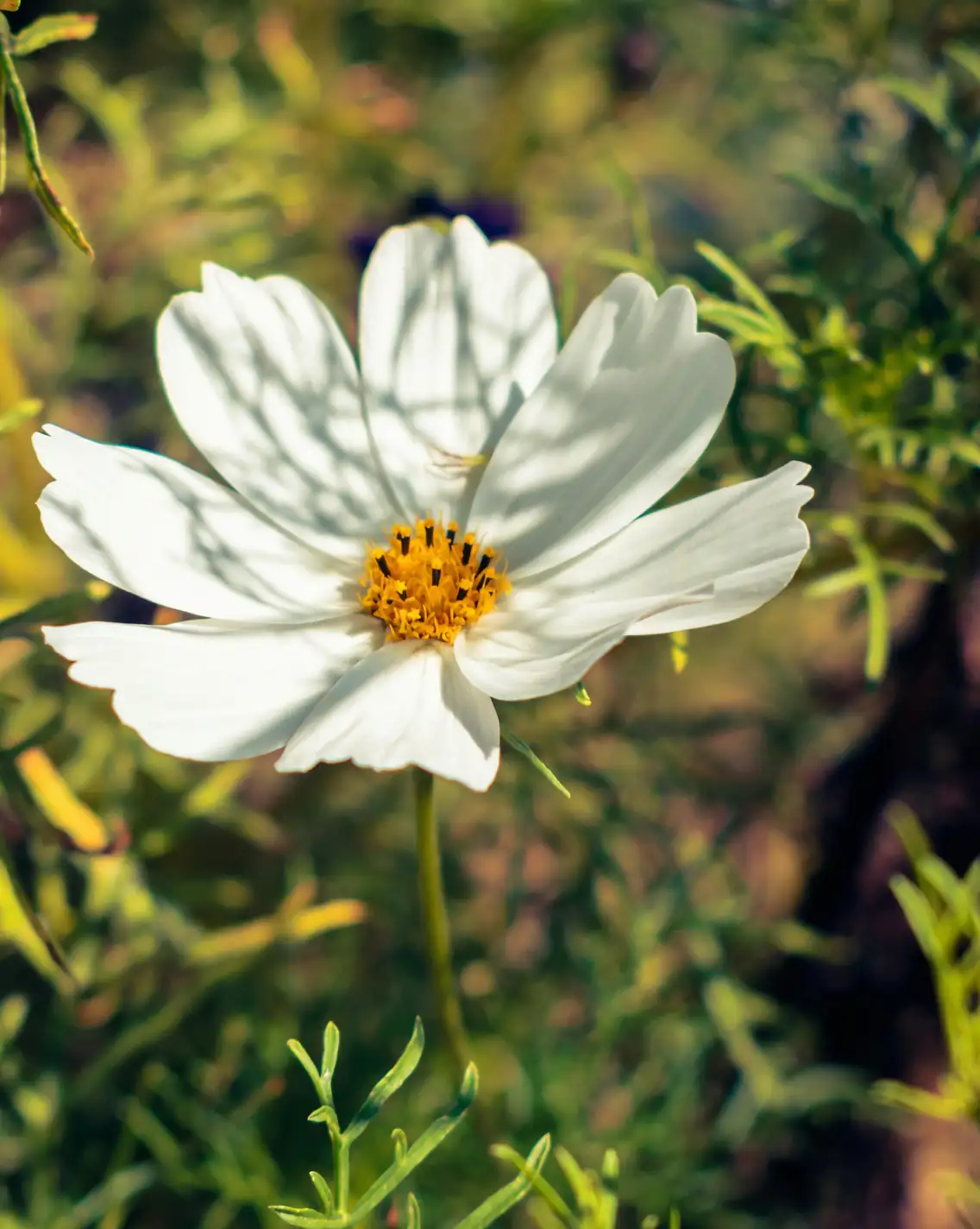
Unveiling the Tale of Cosmos bipinnatus: From Mexican Mountains to Global Gardens
Picture a garden filled with delicate, swaying blooms that seem to dance gracefully in the summer breeze. Welcome to the enchanting world of Cosmos bipinnatus, or as many gardeners affectionately call it, the Garden Cosmos or Mexican Aster. This charming plant has woven its way from the high-altitude realms of Mexico to become a cherished staple in gardens worldwide. So, what makes this flower so captivating, and how did it travel from Mexican mountains to global fame?
The Origins: A Mexican Marvel
Cosmos bipinnatus is a proud native of Mexico, thriving particularly in the highlands at altitudes ranging from 1,600 to 2,800 meters. These high-altitude origins have endowed the plant with a remarkable resilience, allowing it to flourish in less-than-ideal soil conditions. Imagine a plant that not only survives but thrives in poor, sandy, or loamy soils—truly a gardener’s dream!
In the late 18th century, the Spanish botanist Antonio José Cavanilles first described and named this species. The name “Cosmos” is derived from the Greek word “kosmos,” meaning an ordered and harmonious world, a nod to the flower’s symmetrical beauty. The irony isn’t lost that a plant symbolizing order emerged from the wild, untamed beauty of Mexican landscapes.
A Global Journey: From Europe to Japan
After its introduction to European gardens, the charm of Cosmos bipinnatus quickly spread. By 1887, it had captured the hearts of gardeners in Japan, where it became equally beloved. Its ease of growth, combined with an ability to self-seed, meant that once introduced, it never truly left the gardens it graced.
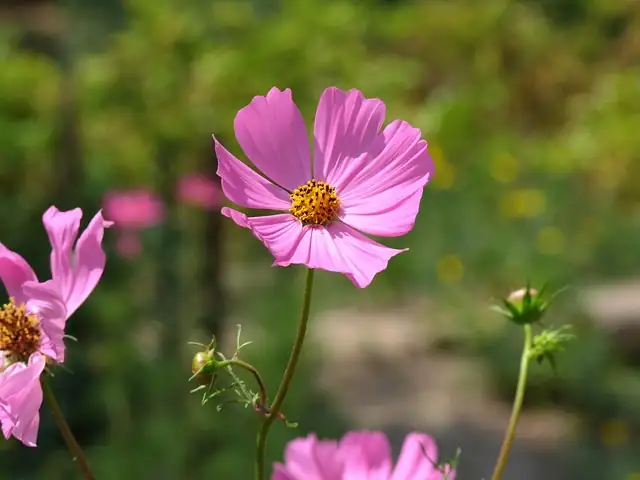
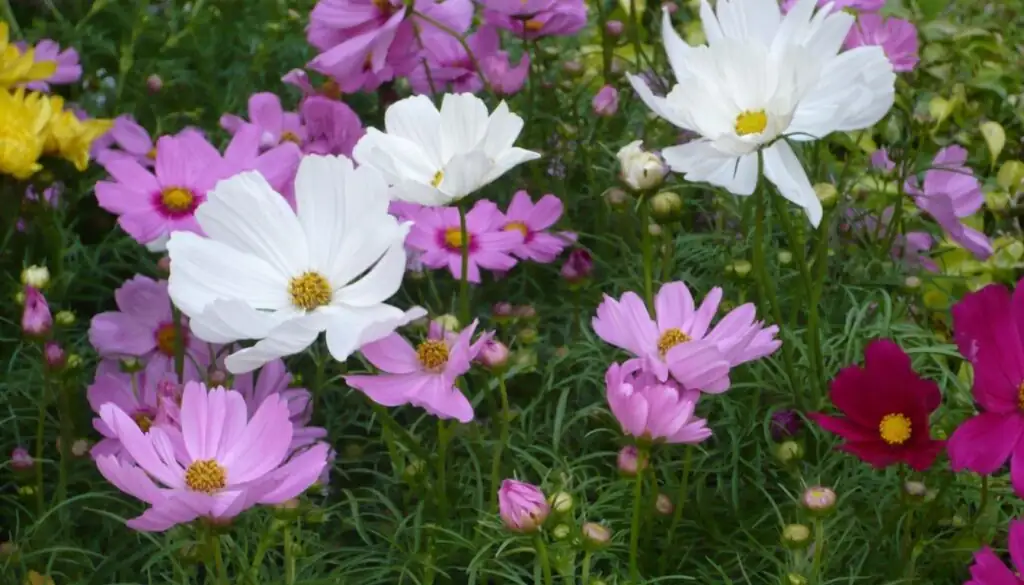
Today, Cosmos bipinnatus is celebrated for its ornamental beauty across continents. Its dazzling array of colors—ranging from whites and pinks to deep reds and purples—adds a splash of color to any garden setting. From cottage gardens to wildflower meadows, its versatility is unmatched.
The Garden’s Light Dancer
With its daisy-like blooms perched on slender, wiry stems, Cosmos bipinnatus is the quintessential “dancing in the breeze” flower. Its finely divided, feathery foliage gives it a delicate, airy appearance even when fully grown. Typically, these plants reach heights between 30 to 180 centimeters, sometimes stretching as tall as six feet, making them a striking feature even from a distance.
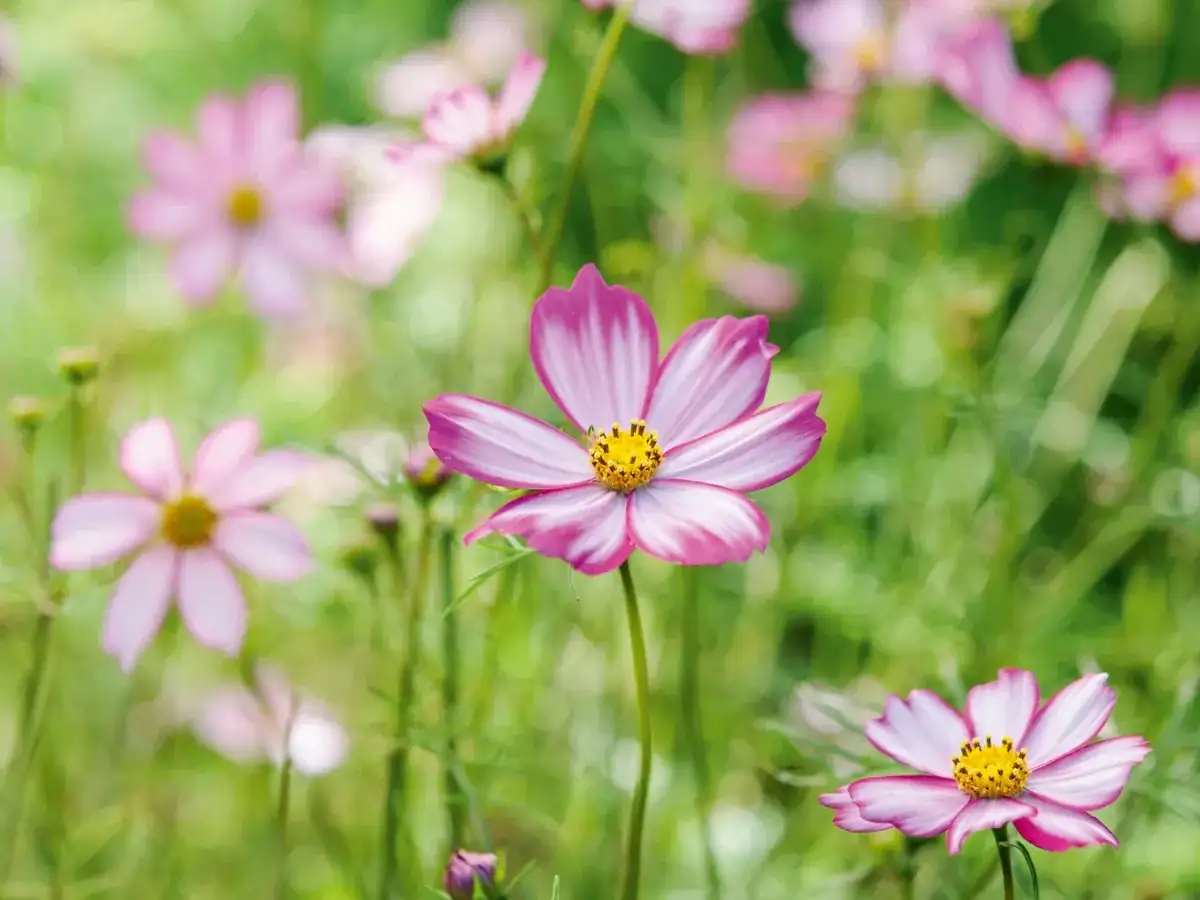
Yet, it’s not just about appearances. Cosmos bipinnatus is a powerhouse for attracting pollinators, drawing in bees and butterflies with its nectar-rich flowers. Its blooms are a summer-long spectacle, often gracing gardens from June until the first frost.
A Symbol of Harmony and Joy
In the language of flowers, Cosmos bipinnatus carries a rich tapestry of meanings. Often associated with harmony, balance, and peace, it embodies the joy found in love and life. Its symmetrical blooms are a visual representation of order and tranquility, making it a favorite in both Victorian-era flower arrangements and modern bouquets.
Care and Cultivation: A Gardener’s Delight
One of the reasons Cosmos bipinnatus has become so widespread is its ease of care. This plant is incredibly forgiving, thriving in full sun with minimal watering once established. It is drought-tolerant and self-seeds readily, ensuring its return year after year in frosty climates. For those seeking a low-maintenance plant that rewards with abundant blooms, Cosmos is a perfect choice.
- Sunlight: Full sun, about 6–8 hours daily.
- Soil: Prefers poor to average well-draining soils.
- Watering: Light hand—water deeply when the soil is dry.
- Fertilization: Minimal; avoid high-nitrogen fertilizers.
Troubleshooting: Common Concerns
While generally trouble-free, Cosmos bipinnatus can face challenges from aphids, thrips, and occasional diseases like powdery mildew. The key to prevention? Good spacing, sunlight, and airflow. If your cosmos aren’t blooming, they might just need more sunlight or a less nutrient-rich soil.
The Final Petal: A Universal Beauty
Cosmos bipinnatus, with its rich history and effortless beauty, is more than just a garden flower. It is a testament to the power of nature’s elegance, a symbol of harmony that connects cultures and landscapes. Whether you’re a seasoned gardener or a newcomer, planting Cosmos bipinnatus is like inviting a piece of the cosmos into your garden—a touch of universal beauty that reminds us of the world’s wondrous order.


