

Unlocking the Secrets to Effortless Cosmos bipinnatus Care
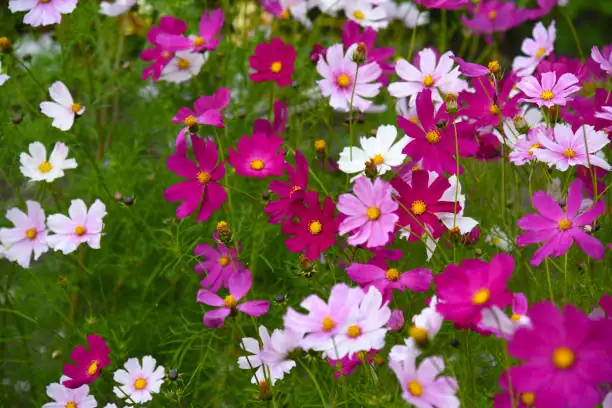
Imagine a garden filled with vibrant, dancing blooms that sway gracefully in the summer breeze, drawing the attention of bees and butterflies. That’s the magic of Cosmos bipinnatus, also known as the Garden Cosmos or Mexican Aster. Native to the highlands of Mexico, these charming, daisy-like flowers are a must-have for anyone looking to add a splash of color to their garden with minimal fuss. But how do you ensure these carefree superstars truly flourish? Here are some essential tips to help your Cosmos thrive with ease.
Light Up Their World
Cosmos bipinnatus loves basking in the sun. To get the best out of them, plant them in a spot that receives full sun—about 6 to 8 hours a day. While they can tolerate partial shade, you might notice a drop in flowering and overall vigor. Think of them as sun-worshippers; the more light they soak up, the more vibrant and prolific their blooms.
Watering Wisdom
When it comes to watering, Cosmos bipinnatus is like a camel of the plant world—drought-tolerant and not too thirsty. Initially, you’ll want to water them regularly until they’re well-established. Once they’ve settled in, you can switch to a “less is more” approach. Water deeply but infrequently, only when the soil has dried out. Overwatering can lead to fewer flowers and invite unwanted diseases.
Soil and Fertilization: Less is More
Cosmos bipinnatus prefers well-draining soil and is quite happy in poor to average soil conditions. Rich, highly fertilized soil can result in lush foliage but fewer blooms—like a plant that’s all dressed up with nowhere to go. If your soil is particularly poor, a light application of balanced fertilizer at planting time will suffice. Remember, too much nitrogen is a flower’s enemy here, so keep it lean and mean.
Seasonal Maintenance: Keeping the Show Going
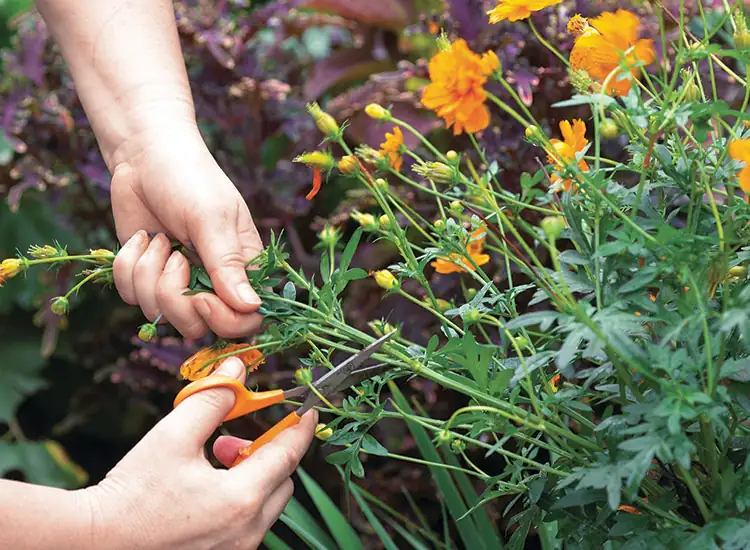
As summer progresses, deadheading spent flowers is key to prolonging bloom time. If your Cosmos starts looking tired midseason, don’t hesitate to give them a trim back by about one-third. This encourages a fresh flush of blooms, ensuring your garden remains a colorful spectacle. And for those show-stopping tall varieties, a bit of staking can prevent them from bowing under the weight of their own beauty in windier spots.
Propagation and Self-Seeding
Cosmos bipinnatus is an annual, but don’t worry—they have a knack for self-seeding. If you leave a few seed heads on the plants come autumn, you’ll likely be greeted with new seedlings the following spring. For more control, sow seeds directly outdoors after the last frost, or start indoors 4 to 6 weeks prior. The seeds germinate quickly, often within a couple of weeks, bringing eager anticipation of the blooms to come.
Pest and Disease Management
Although Cosmos are generally trouble-free, keep an eye out for aphids and the occasional incidence of powdery mildew. Good spacing, plenty of sun, and decent airflow usually keep these issues at bay. If pests do make an appearance, a firm spray of water or a dab of insecticidal soap often does the trick.
The Symbolism of Cosmos
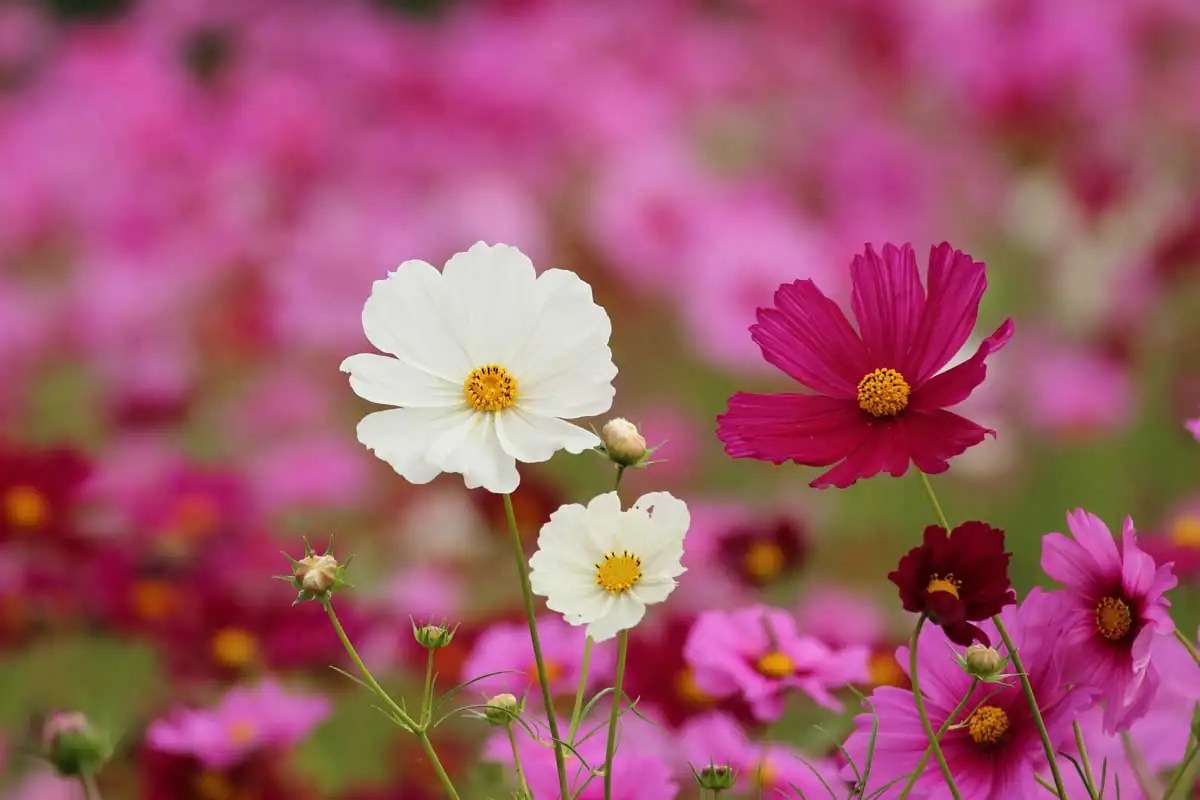
The word “Cosmos” is derived from the Greek “kosmos,” meaning an ordered and harmonious world, a nod to the flower’s perfect symmetry. In the language of flowers, Cosmos is associated with harmony, balance, and simple joy. Their various colors also carry their own meanings—white for purity and peace, pink for romance, and deeper reds for passionate affection. They remind us of the simple joys and balanced beauty in life.
Conclusion
Cosmos bipinnatus is a garden gem requiring minimal effort for maximum beauty. By following these actionable care tips, your garden can become a vibrant haven for pollinators and a joyful splash of color for you. Whether you’re planting them in sunny borders, containers, or as part of a wildflower meadow, Cosmos offers an effortless elegance that delights both the gardener and the garden dweller. So, are you ready to let your Cosmos dance in the breeze?


