

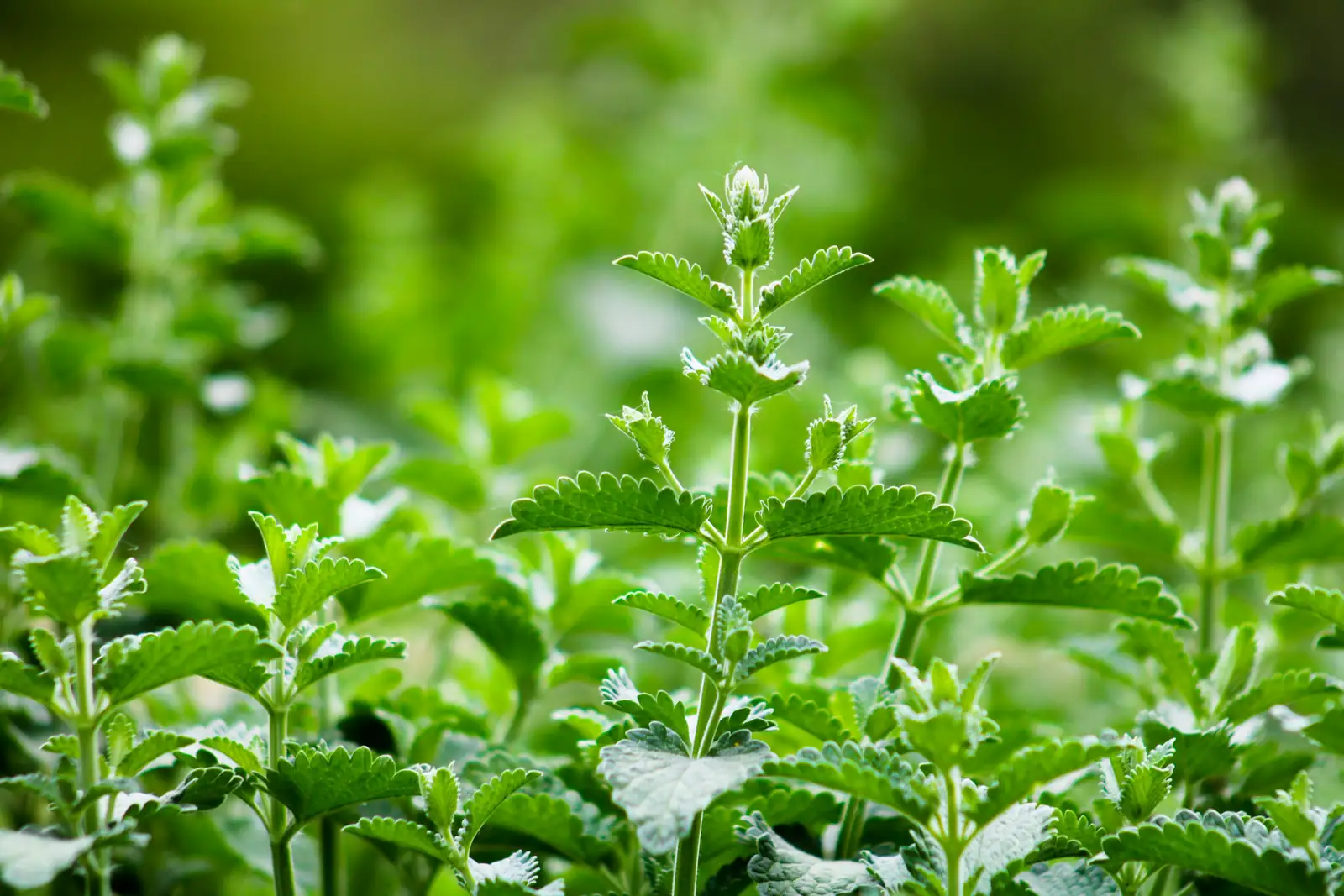
Catnip, or Nepeta cataria L., is a charismatic member of the mint family that has won the hearts of both humans and cats. This plant, known for its euphoric effect on felines, is also a beloved addition to gardens for its soft, gray-green leaves and charming spikes of tiny white flowers. But like any garden charmer, catnip comes with its own set of challenges. Let’s explore how to keep your catnip healthy and vibrant, tackling common issues like aphids and powdery mildew with expert finesse.
The Feline Favorite with a Flair for Growing
Catnip is more than just a cat stimulant. It’s a resilient, easy-going perennial that thrives in various conditions. Originating from Europe, Southwestern and Central Asia, and North Africa, it’s now a familiar face in North American gardens and beyond. Its aromatic foliage and drought tolerance make it a staple in herb and pollinator gardens, while its natural mosquito-repelling oil is a bonus for any outdoor space.
Common Challenges and Their Solutions
Aphids: The Tiny Sap-Suckers
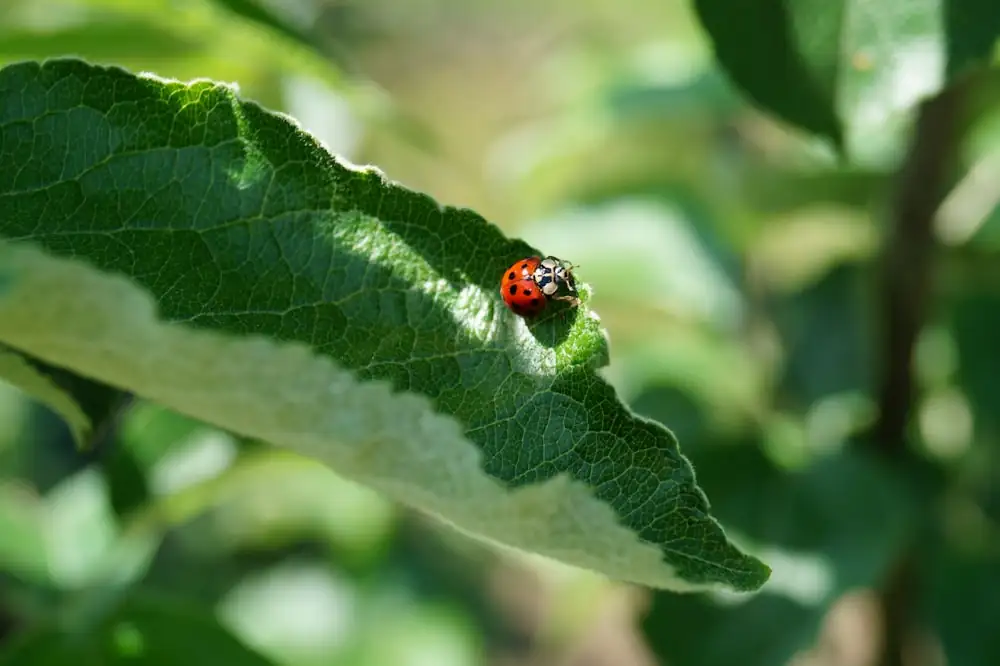
Aphids are small but mighty pests that can quickly make themselves at home on your catnip, sucking the sap and causing stunted growth. These tiny bugs can be managed in several ways:
- Natural Predators: Encourage beneficial insects like ladybugs and lacewings, which naturally feast on aphids.
- Water Power: A strong spray of water can dislodge them. Be sure to do this early in the day, so the plant dries before evening.
- Insecticidal Soap: For persistent infestations, insecticidal soap is an effective, eco-friendly solution.
Powdery Mildew: The Unwanted Dusting
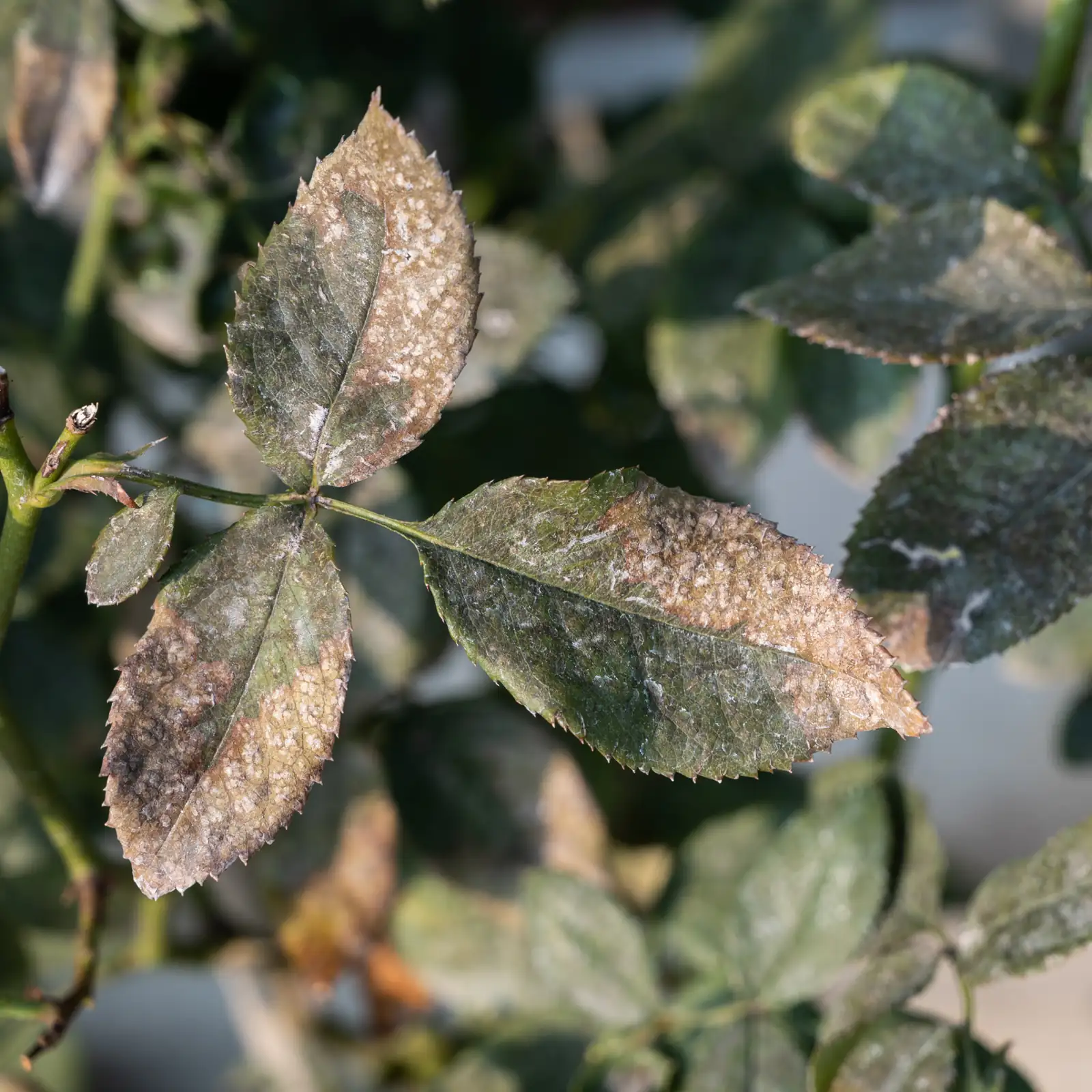
Powdery mildew appears as a white, powdery coating on leaves and is often the result of high humidity and poor air circulation. Here’s how to keep it at bay:
- Airflow: Plant catnip with enough space between clumps to ensure good air circulation.
- Watering Technique: Avoid overhead watering. Instead, water the base of the plant.
- Baking Soda Solution: A homemade remedy, such as a mixture of baking soda and water, can help control mildew. Spray it on affected foliage.
Root Rot: The Silent Threat
Root rot is often the result of overwatering or poor drainage. Catnip prefers well-drained, sandy, or loamy soil. To prevent this issue:
- Drainage: Ensure your pots or garden beds allow excess water to escape.
- Water Wisely: Water deeply but infrequently, allowing the soil to dry out between waterings.
Nurturing Your Catnip for Optimal Growth
Sun and Soil
Catnip loves the sun—at least six hours a day—though it can tolerate partial shade. It’s adaptable to various soil types but thrives best in well-drained, moderately fertile soil. A pH range of 6.1 to 7.8 is ideal, allowing it to flourish from slightly acidic to alkaline conditions.
Pruning and Harvesting
Regular pruning encourages bushier growth and prolongs blooming. Deadheading spent flowers not only tidies the plant but also prevents excessive self-seeding. Harvesting in late morning after dew dries ensures the strongest aroma, and drying the leaves in a dark, airy place preserves their minty, lightly lemony fragrance.
Propagation
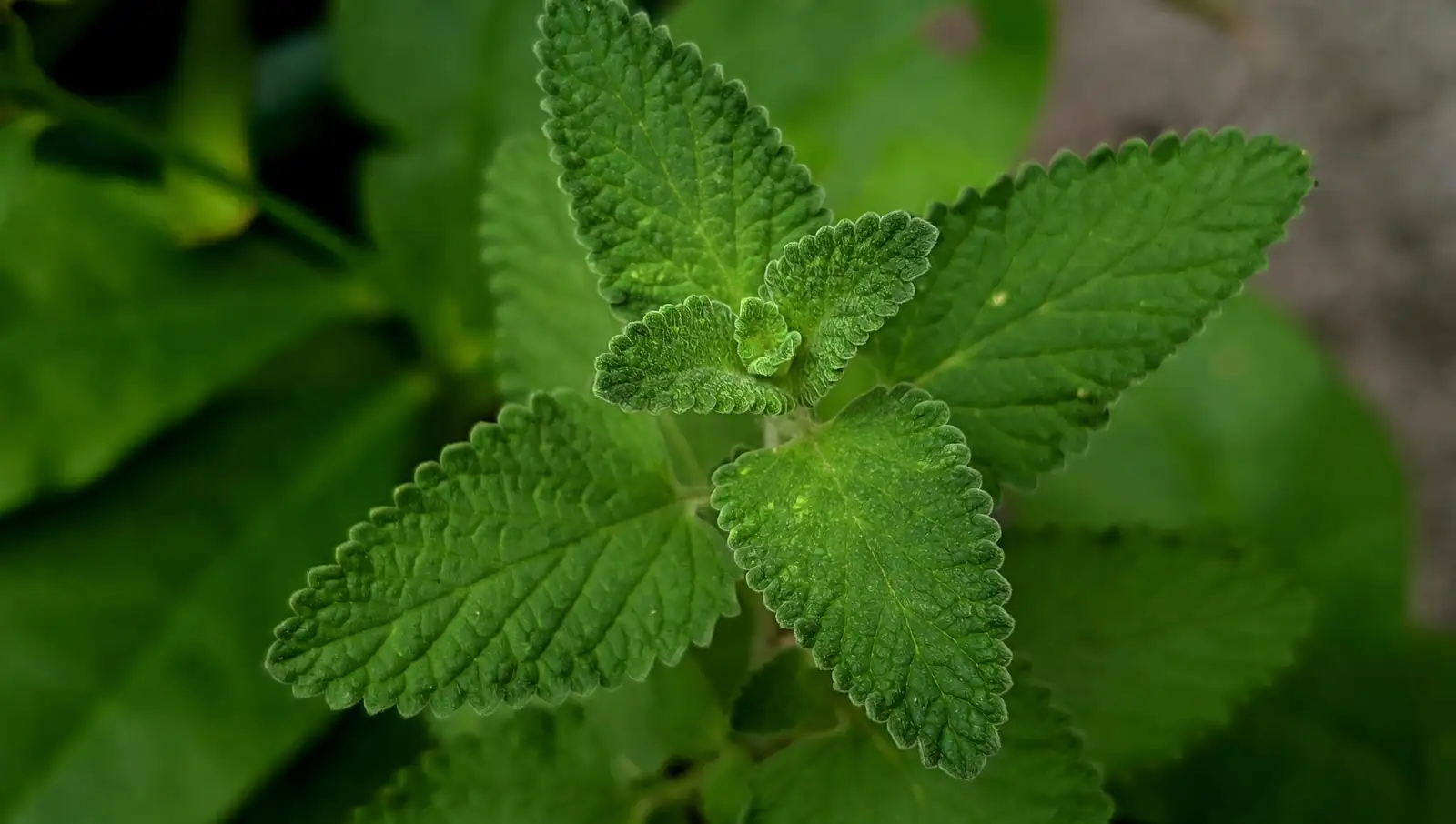
Catnip is easy to propagate from seeds, cuttings, or division. Seeds should be started indoors or sown directly after the last frost, while cuttings can root in water or a moist mix. Dividing clumps in spring or fall helps maintain plant vigor and manage spread.
A Plant with Charm and Utility
Catnip isn’t just for cats; it’s a versatile plant with uses spanning herbal teas, insect repellents, and pollinator support. It symbolizes comfort and happiness, a gentle reminder of calm and cozy moments in a garden or home.
Whether you’re growing catnip for your feline friends or to add a touch of whimsy to your garden, understanding how to combat common issues will ensure your plants remain healthy and vibrant. With these tips, you can enjoy the full spectrum of catnip’s delightful benefits while keeping pests and diseases at bay. Happy gardening!


