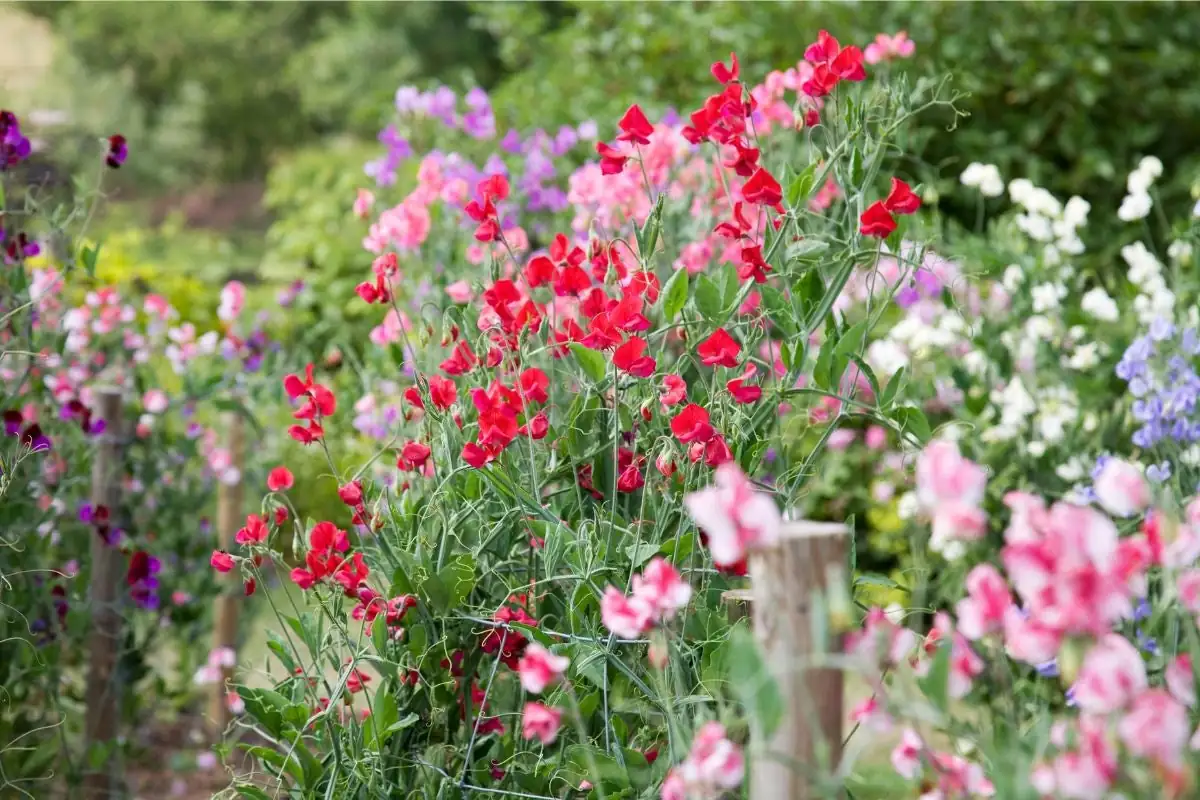
Sweet peas, the delightful climbers with a name as fragrant as their blooms, have charmed gardeners and flower enthusiasts for centuries. Native to the Mediterranean’s sun-drenched landscapes, these plants have a story as captivating as their scent. Let’s dive into the quirky world of Lathyrus odoratus and discover what makes these vibrant blooms a cottage garden staple.
The Fragrant Tale of Lathyrus Odoratus
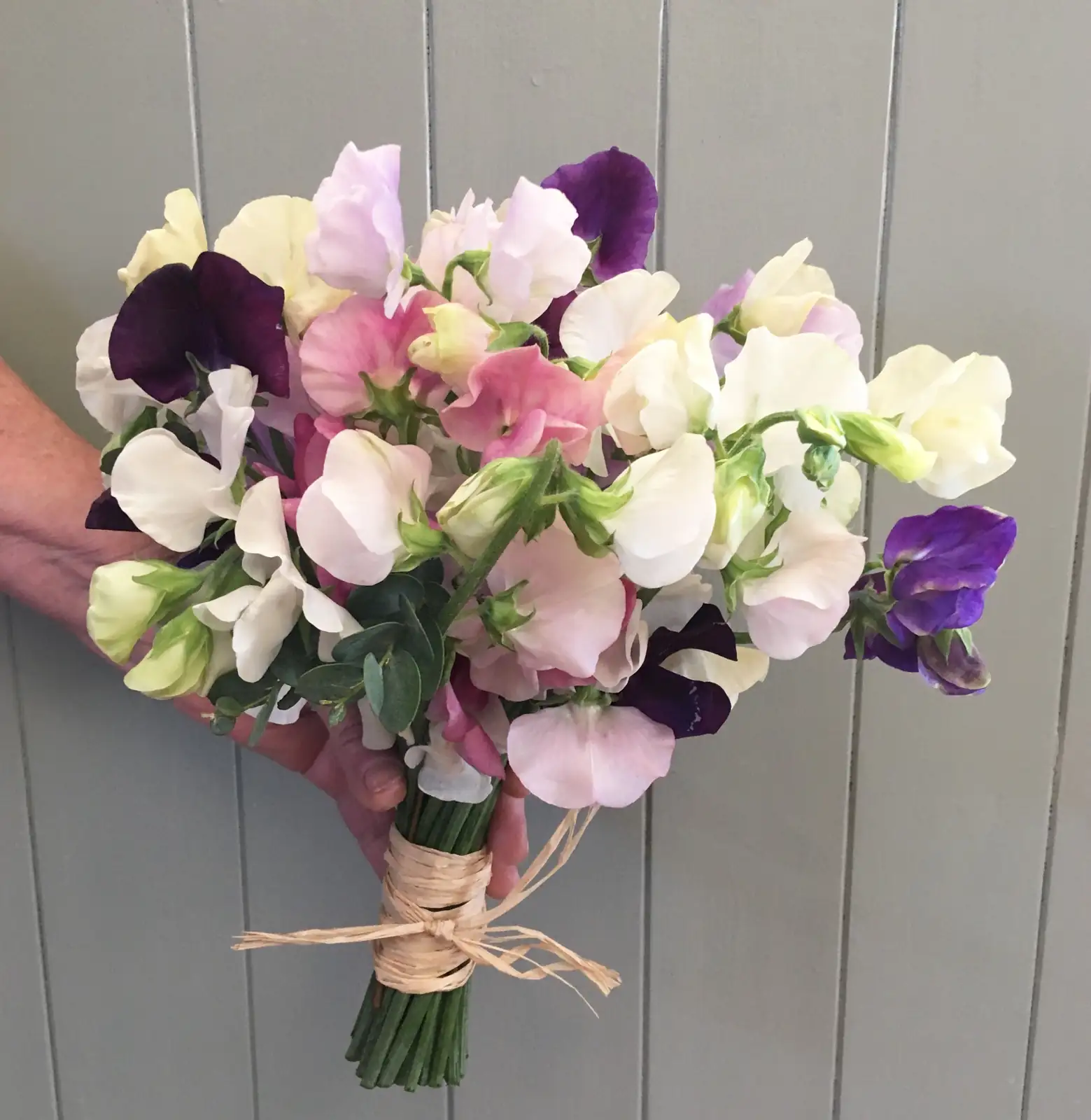
Imagine a garden in full bloom, where clusters of butterfly-shaped flowers paint the air with hues of pink, purple, and white. This is the world of the sweet pea. The scientific name, Lathyrus odoratus, literally means “fragrant pea,” a nod to their signature sweet perfume often reminiscent of honey and orange blossom. But don’t be fooled by their sweet name; unlike their edible relatives, these peas are purely for the eyes and nose—consuming them can lead to illness.
A Rapid Ascent
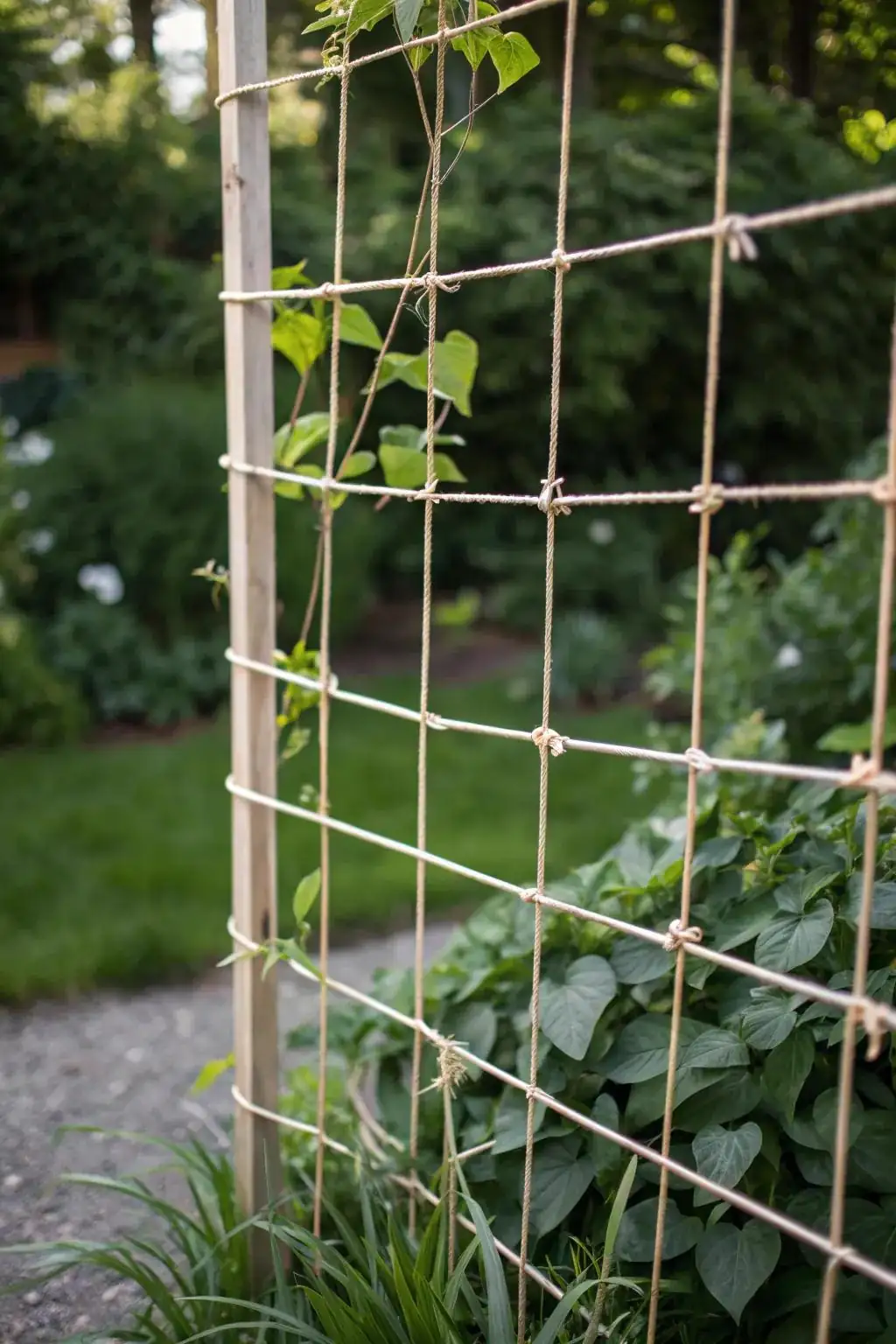
Sweet peas are not just pretty; they’re also fast-paced garden climbers. In the right conditions, these vigorous vines can add up to 30 cm (12 inches) to their height in just a week, reaching impressive heights of up to 3 meters (nearly 10 feet) with proper support. Their growth habit is supported by curly tendrils that latch onto anything they can find, transforming mundane trellises and fences into living tapestries of color.
From Sicily with Love
The sweet pea’s journey began in Sicily in the late 17th century. Francis Cupani, a Sicilian monk, first sent seeds to England, sparking a Victorian obsession. The charming flowers captured the hearts of gardeners, leading to a burst of hybridization efforts. In the late 1800s, Scottish gardener Henry Eckford played a pivotal role in cultivating larger and more colorful blooms, making sweet peas a staple in gardens worldwide.
Cultivation: A Gardener’s Delight
Growing sweet peas requires a bit of finesse, but the rewards are worth the effort. These annuals perform best in cool conditions, thriving in temperatures between 10-25°C (50-77°F). Plant them in deep, well-draining soil enriched with compost, and make sure they receive ample sunlight—at least six hours a day.
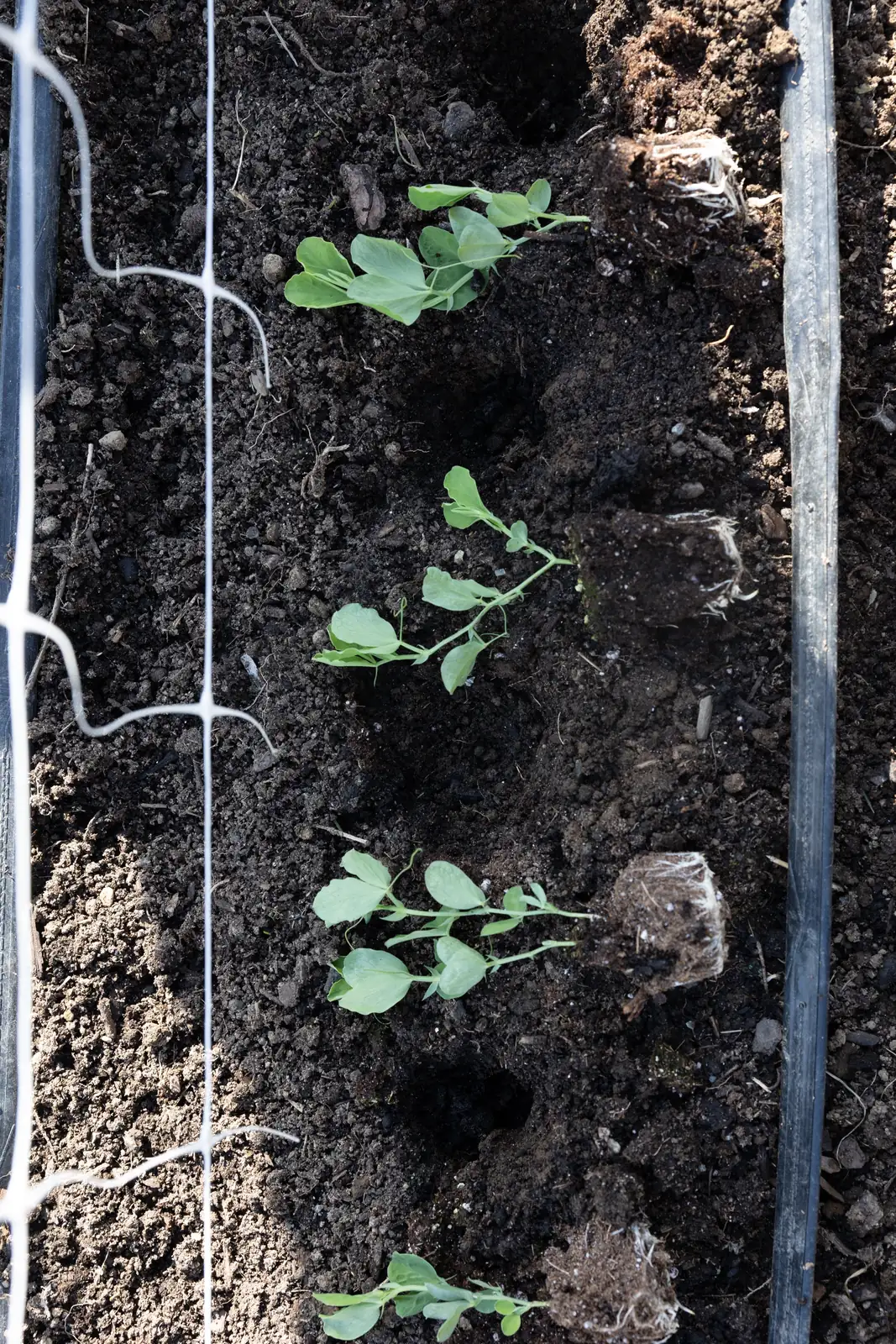
Pro Tip: When sowing, soak the seeds for about 24 hours to expedite germination. Once sprouted, pinch the growing tips to encourage bushier growth, and keep an eye on their watering needs, ensuring the soil stays consistently moist.
Sweet Pea Symbolism: More Than Just A Goodbye
In the language of flowers, sweet peas convey sentiments of farewell and gratitude. This symbolism dates back to Victorian times when they were often given to express thanks or as a way to say goodbye. Their gentle charm also symbolizes blissful pleasure and new beginnings, making them a popular choice for weddings and spring celebrations.
Notable Mentions in Culture
Sweet peas have been a muse in art and literature, often associated with friendship and appreciation. Their captivating beauty and fragrance have inspired poets and artists alike, solidifying their place in the annals of floral history.
A Word of Caution
While sweet peas are enchanting, they come with a warning. All parts of the plant, especially the seeds, contain toxic compounds. Ingesting them can lead to symptoms ranging from vomiting to severe neurological issues, a condition known as “lathyrism.” Thus, it’s crucial to keep them out of reach of children and pets.
Fun Facts to Savor
- The original ‘Cupani’ sweet pea from the 1600s is still cultivated today, admired for its robust scent and charming blooms.
- Modern sweet pea cultivars boast larger flowers and sturdier stems, perfect for cutting and arranging in vases.
Sweet peas are much more than a garden staple; they are a testament to nature’s ability to blend beauty with resilience. Whether adorning a trellis or brightening a bouquet, these fragrant flowers continue to captivate with their vibrant colors and storied past. As you nurture your sweet peas, remember you’re tending to a piece of horticultural history, one that continues to bloom with every season.