

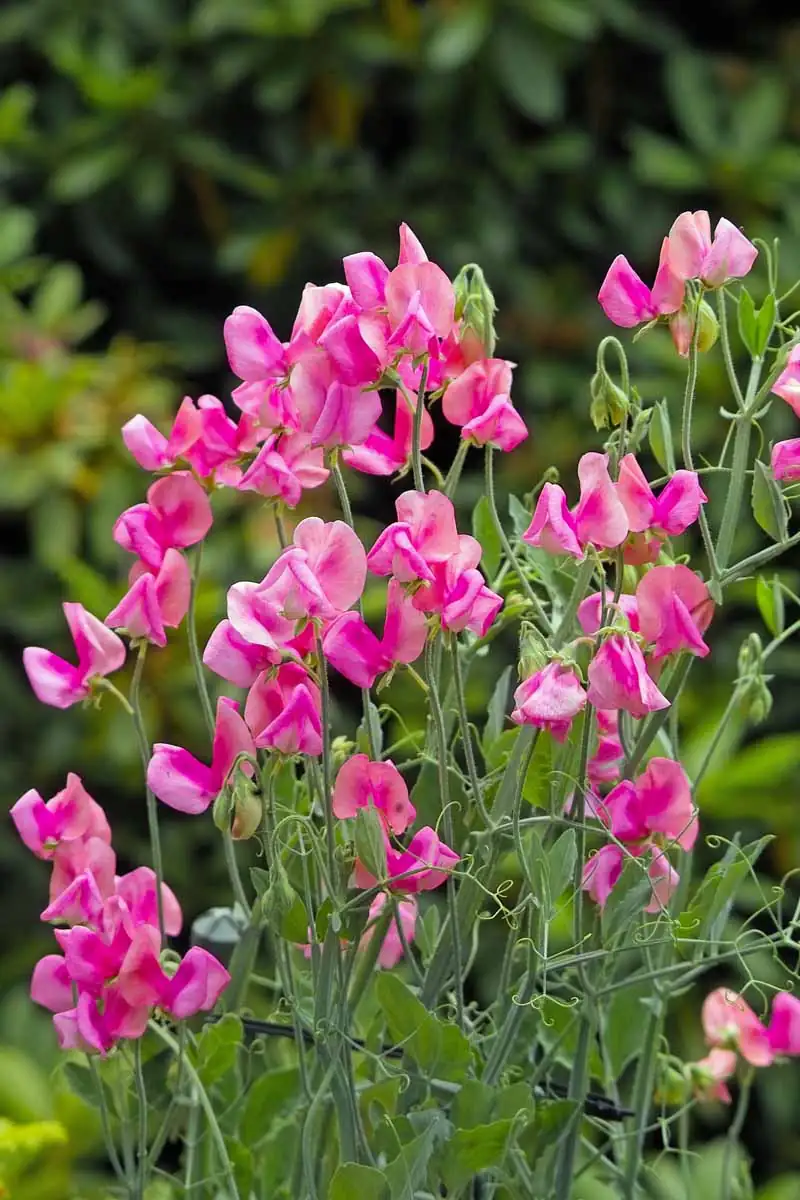
Sweet peas, scientifically known as Lathyrus odoratus, are a delightful addition to any garden, gracing it with their fluttery blooms and enchanting fragrance. These cottage-garden classics, originally from the Mediterranean region, can be a bit finicky, but with the right care, they’ll reward you with a vibrant tapestry of color and scent. Whether you’re a seasoned gardener or a green-fingered novice, let’s dive into the optimal care techniques to ensure your sweet peas flourish.
Unraveling the Mystery of Sweet Pea Success
Sweet peas are like the divas of the floral world—they know their worth and demand a little extra attention to shine. However, once you crack their code, these beauties can transform your garden into a fragrant paradise.
Sunlight and Temperature: Finding the Sweet Spot
Sweet peas thrive in full sun, which is crucial for their growth and flowering. In cooler, northern areas, they revel in an abundance of sunlight. However, if you’re in a warmer region, providing some afternoon shade will protect their delicate blooms from intense heat. Aim for at least six hours of direct sunlight daily.
They prefer cool conditions, with the ideal temperature range being 15–25°C (59–77°F). If temperatures soar above 30°C (86°F), sweet peas can become stressed or even perish. So, in hotter climates, think of them as fair-weather friends who appreciate a break from the midday sun.
Watering: The Art of Consistent Moisture
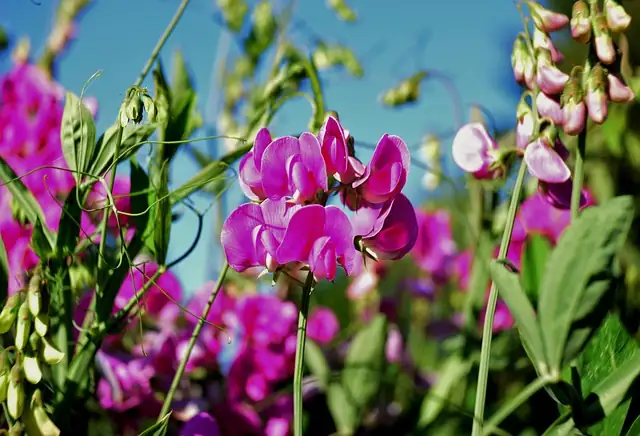
When it comes to watering, sweet peas are like Goldilocks—they prefer it just right. Keep the soil evenly moist but not waterlogged. Deep watering is essential, typically 2–3 times a week, depending on the weather. Avoid overhead watering, especially during flowering, to prevent bud drop and fungal issues. Instead, use drip lines or soaker hoses for a more efficient and gentle approach.
Soil and Fertilization: Nourishing the Roots
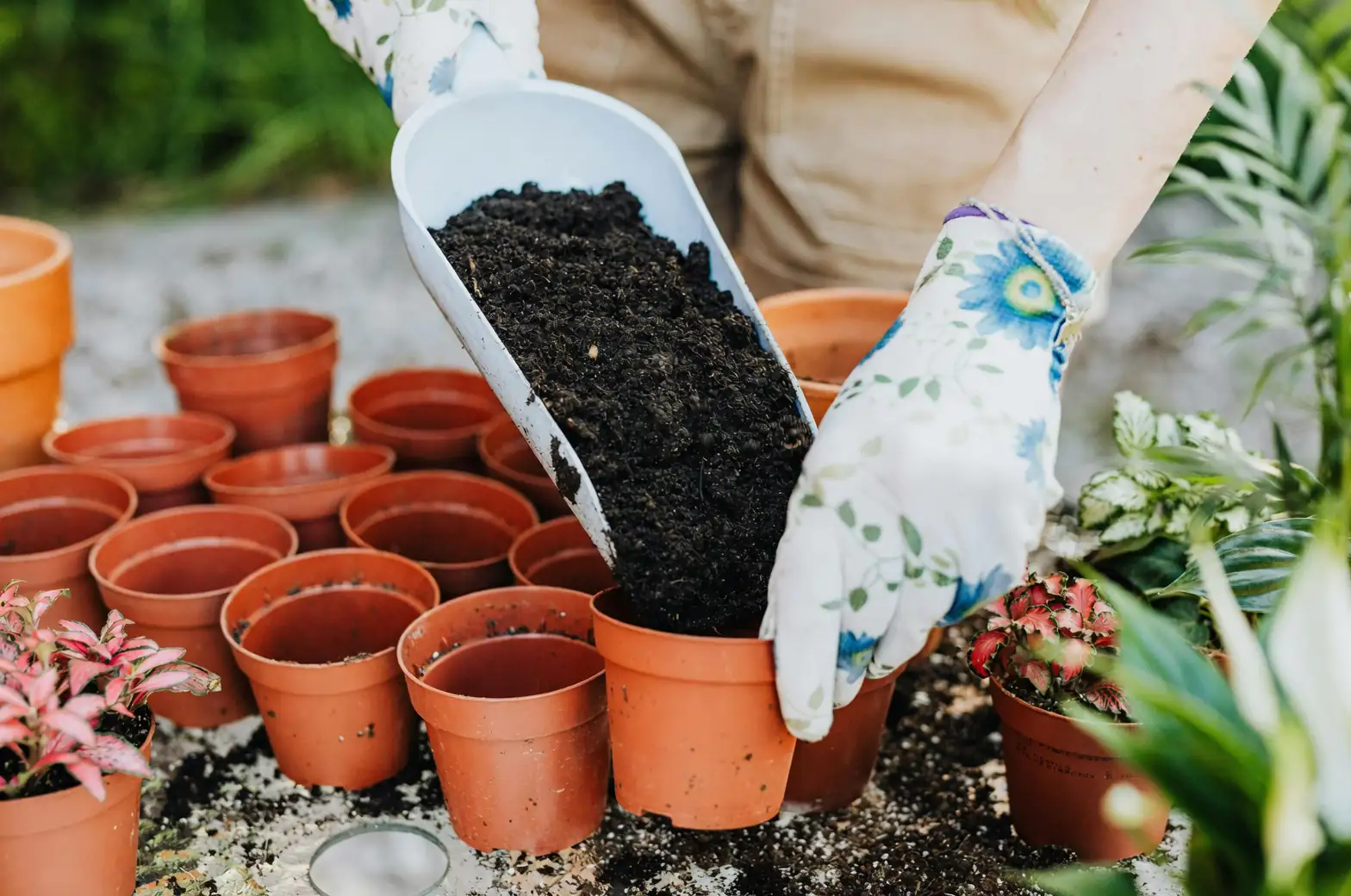
Sweet peas have a taste for rich, well-draining soil. Prepare your planting area with compost or well-rotted manure for a nutrient boost. They favor a neutral to slightly alkaline pH, so if your soil is acidic, consider adding lime.
To encourage more blooms rather than foliage, opt for a high-potash fertilizer over a nitrogen-heavy one. Start feeding monthly, or switch to a liquid feed every 2–3 weeks once blooming begins.
Training and Pruning: Sculpting for Success
Sweet peas are natural climbers, using their twining tendrils to scramble up supports like trellises and fences. To encourage bushier growth, pinch out the growing tip when seedlings reach about 10–15 cm (4–6 in) tall. Deadheading, or better yet, picking flowers regularly, will prevent seed formation and prolong the flowering season.
Sowing and Propagation: Getting a Head Start
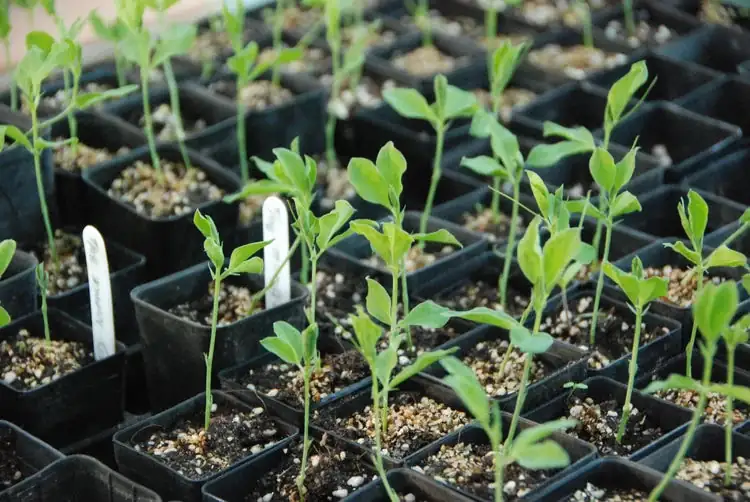
Sweet peas are primarily grown from seed. Soak the seeds for about 24 hours before planting to speed up germination. Alternatively, nick the seed coat, but avoid the seed ‘eye’. Sow them around 1.3 cm (1/2 in) deep in deep pots to accommodate their taproot.
For those in warmer climates, consider sowing in autumn to enjoy early blooms. In colder regions, late winter or early spring sowing is ideal.
Pest and Disease Management: Keeping Your Garden Healthy
Aphids, slugs, and snails are the usual suspects when it comes to pests. Maintain good airflow, water at soil level, and avoid soggy conditions to fend off diseases like powdery mildew and root rot.
The Language of Sweet Peas
In the realm of flower symbolism, sweet peas convey delicate emotions of farewell, gratitude, and new beginnings. Their gentle fragrance speaks volumes, offering a subtle “thank you for a lovely time”. White sweet peas, in particular, symbolize innocence and purity, making them a favorite at weddings and spring celebrations.
Bringing It All Together
Growing sweet peas is akin to cultivating a relationship—they require attention, understanding, and a bit of finesse. But once you master the art of sweet pea care, their joyful blooms and intoxicating scent will make your garden a haven of beauty and tranquility. So roll up your sleeves, follow these tips, and let sweet peas weave their magic in your garden.


