

The Rich Journey of the August Lily: From Ancient China to European Gardens
If a plant could tell stories, the August Lily, or Hosta plantaginea, would narrate epic tales of cultural significance, migration, and horticultural triumph. This unassuming yet elegant plant has been cherished for centuries, capturing hearts with its lush foliage and intoxicating fragrance. Let’s embark on a botanical journey to uncover how this plant traveled from its origins in China to become a darling of European gardens.
Ancient Roots in China
The story of the August Lily begins in the misty landscapes of southeast and south-central China, where it thrives in the shade of mountain forests, grasslands, and rocky paths. Known as 玉簪 (yù zān) in Chinese, the plant has been cultivated since the Han Dynasty, over two millennia ago. Its name, meaning “jade hairpin,” alludes to an enchanting legend: celestial maidens once dropped their jade hairpins at a heavenly banquet, and these turned into the delicate white flowers of the August Lily. This romantic imagery is deeply woven into Chinese culture, where the flower symbolizes purity, elegance, and serene beauty.
The Tang Dynasty and Ornamental Fame

The Tang Dynasty marked a golden age for the August Lily, elevating its status as a prized ornamental plant. Gardeners and botanists of the time celebrated its lush, glossy leaves and the sweet perfume of its trumpet-shaped blooms. The August Lily became a staple in Chinese gardens, admired not only for its beauty but also for its soothing qualities, which found their way into traditional medicine.
Crossing Continents: The European Obsession
Fast forward to the late 18th century: seeds of the August Lily made their way from Macau to Paris, sparking a horticultural craze across Europe. Known affectionately as the “Funkia of Paris,” the plant captivated European gardeners with its unique characteristics. By the early 19th century, it was all the rage in the United States as well.

What made the August Lily so irresistible? Beyond its aesthetic appeal, its nocturnal fragrance was a revelation. The plant’s flowers release their strongest scent in the evening, attracting nocturnal pollinators and charming garden visitors alike. This feature made it a favorite for planting near patios and walkways, where its evening perfume could be best appreciated.
Cultivation and Care: A Gardener’s Delight
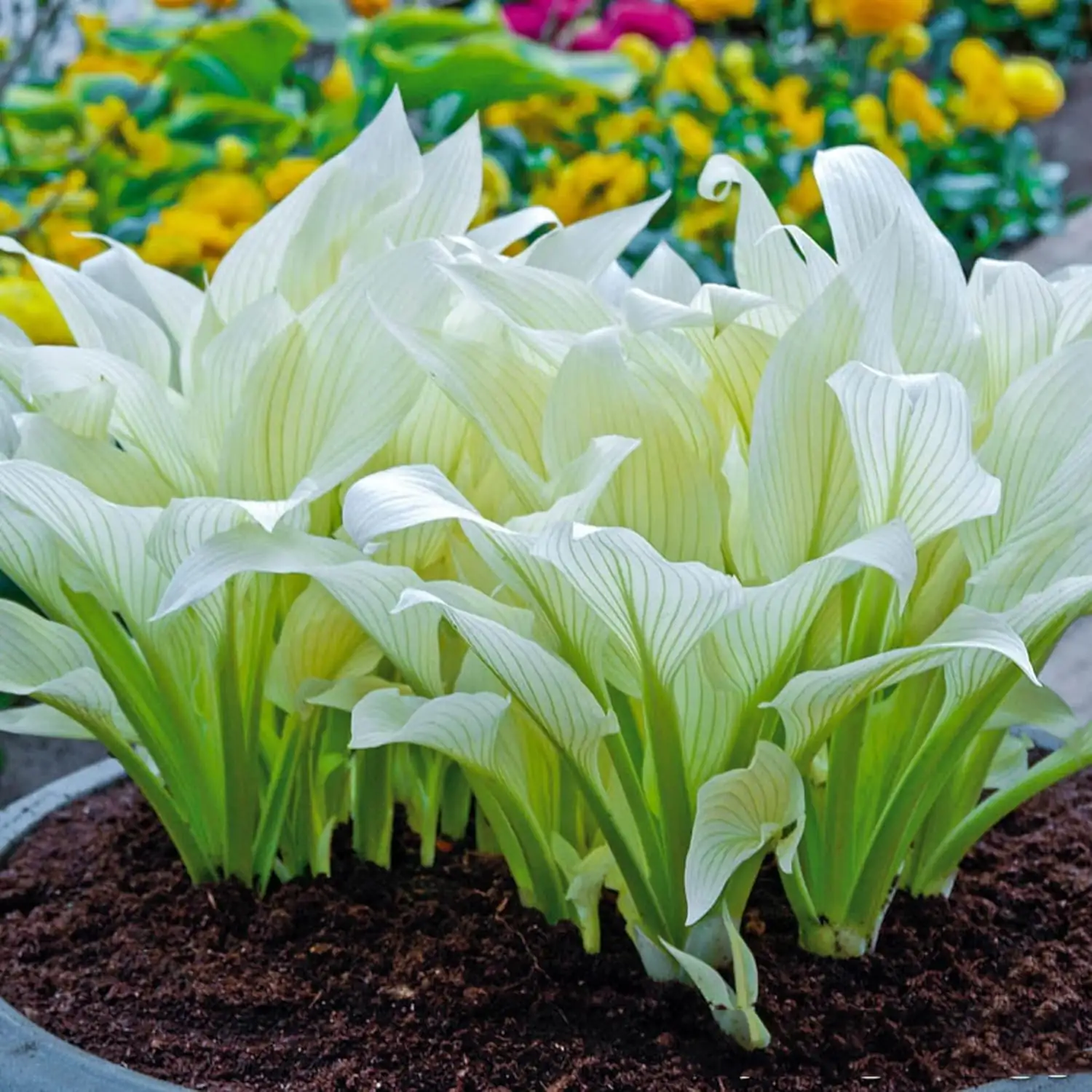
For those looking to cultivate this garden gem, the August Lily is a reliable and beginner-friendly plant. It prefers shade to part shade, thriving in rich, well-drained soil with consistent moisture. Its robust nature allows it to endure cold winters and warm summers, making it suitable for USDA Zones 3–9. While slugs and snails may pose a challenge, the plant’s thick leaves provide some resistance.
Symbolism and Modern Uses
In both Eastern and Western cultures, the August Lily’s white blooms symbolize purity and devotion. In Chinese art and culture, white lilies, including the August Lily, represent unity and long-lasting love, making them popular gifts for weddings and close friendships.
Modern horticulturists continue to explore the plant’s potential, from its use in traditional medicine to its environmental applications in soil stabilization and phytoremediation projects. Its wide array of cultivars contributes to its status as one of the most diverse groups of shade perennials.
Conclusion: A Timeless Treasure
From the serene gardens of ancient China to the elegant landscapes of Europe, the August Lily has transcended cultural boundaries, leaving a fragrant trail of fascination and admiration. Its journey is a testament to the timeless allure of nature’s beauty and the enduring appeal of a plant that, quite literally, blooms in the night. Whether you are a seasoned gardener or a curious novice, the August Lily offers a piece of history, elegance, and tranquility for any shaded garden corner.


