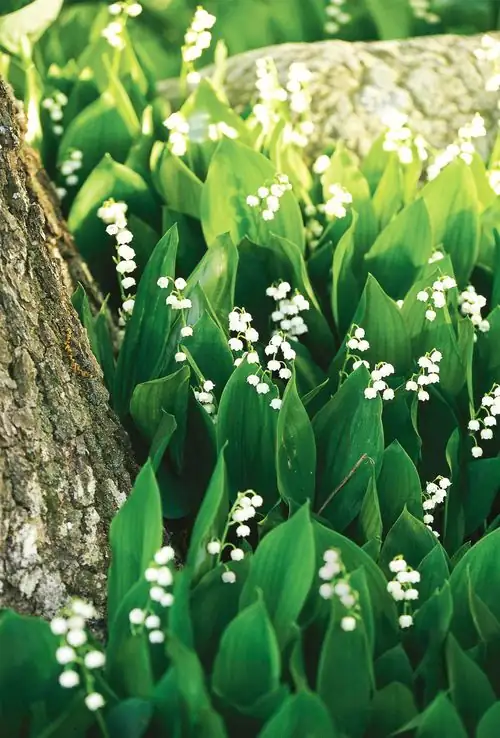
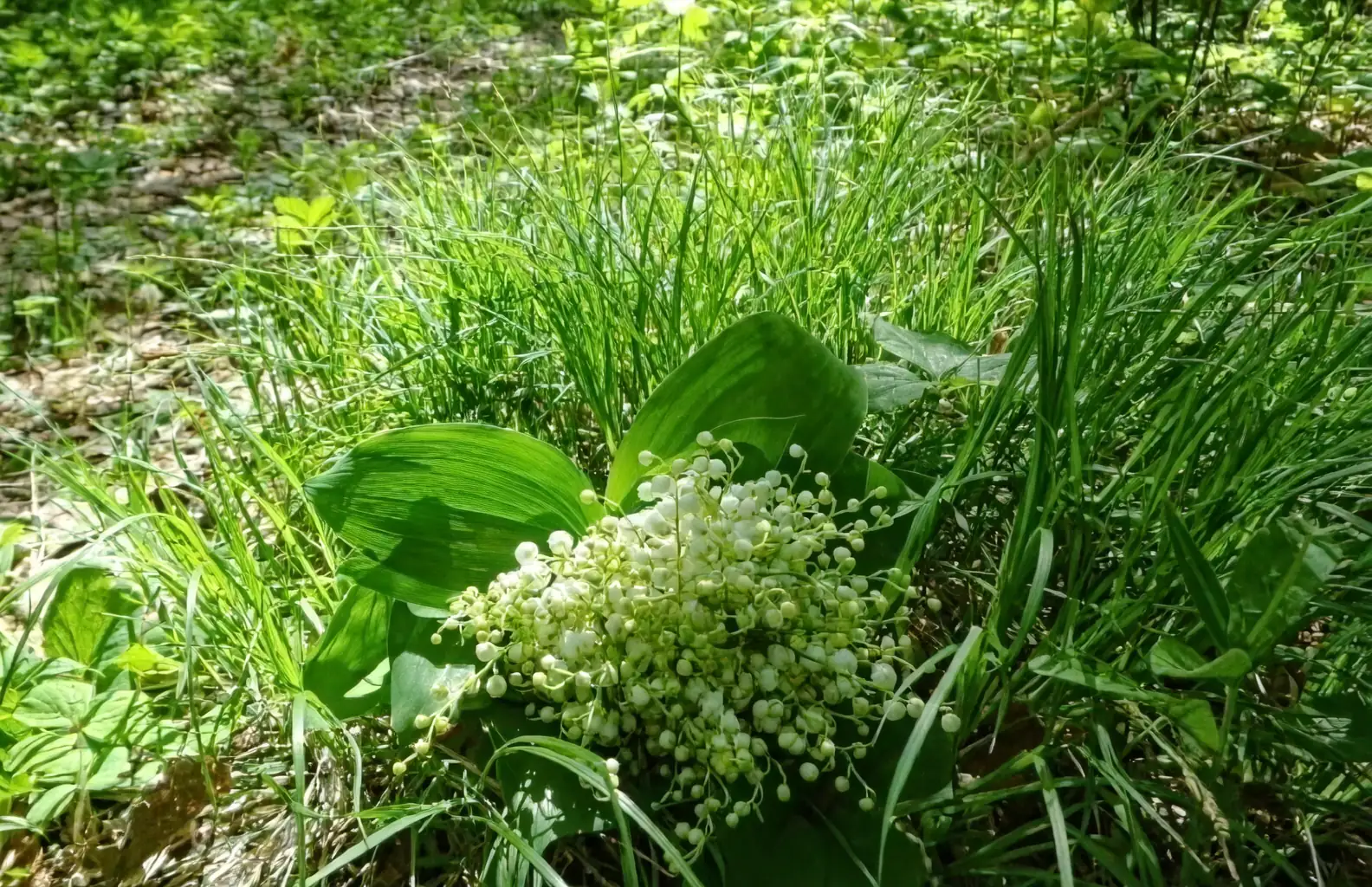
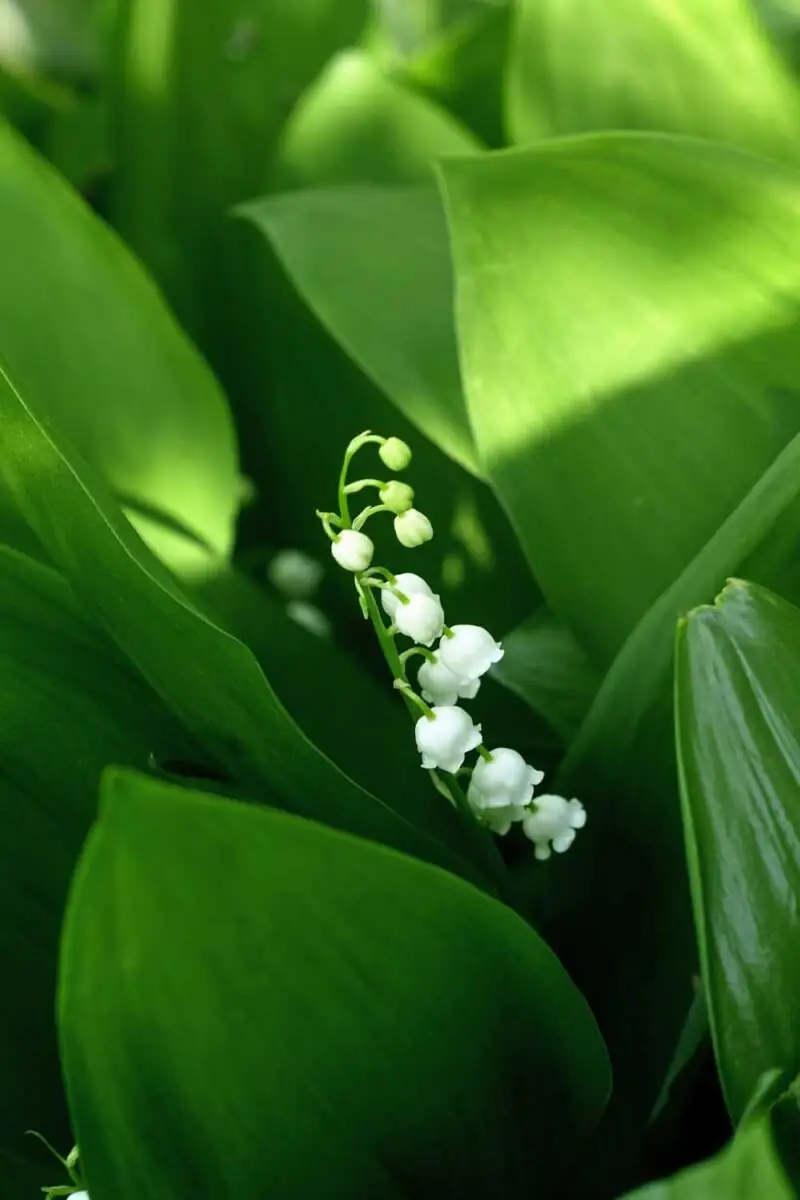
Nestled under the gentle canopy of trees, the Lily of the Valley, or Convallaria majalis, exudes an enchanting presence with its delicate, bell-shaped blooms and rich fragrance. This charming perennial, often known as “Mary’s Tears” or “May Bells,” creates an atmosphere of purity and sweetness wherever it grows. But to truly make your garden a harmonious haven, it’s essential to consider companion planting. So, let’s delve into creating a lush, vibrant garden tapestry with Lily of the Valley at its heart.
The Perfect Environment for Lily of the Valley
Before choosing companions, it’s crucial to understand the ideal conditions for Lily of the Valley. This shade-loving plant thrives best in partial to full shade, making it a perfect resident for woodland gardens and shaded borders. It’s quite the resilient trooper, enduring cold winters and flourishing in the cool temperatures of 8–24°C (46–75°F). However, it does demand a winter chill to rebloom with vigor and grace. The soil should be moist, well-drained, and rich in organic matter, with a slightly acidic to neutral pH—a haven that can accommodate its creeping rhizomes.
Companion Planting: A Symphony of Shade-Lovers
Hostas
Renowned for their lush foliage, hostas add a lush, layered look that complements the dainty blooms of Lily of the Valley. Their broad leaves provide an excellent backdrop, enhancing the visual appeal while helping to mask any late-season weariness of the lilies.
Ferns
Ferns, with their feathery fronds, evoke a sense of timeless elegance. Varieties like the deer fern or maidenhair fern can intermingle with Lily of the Valley, creating a layered effect reminiscent of a woodland fairy tale. Their shared preference for shade and moisture makes them ideal companions.
Astilbe
For a burst of color, consider Astilbe. Its feathery plumes of pink, white, or red bloom in summer, just as the Lily of the Valley’s flowers begin to wane. This transition keeps your garden lively and visually engaging throughout the growing season.
Bleeding Hearts
Another classic shade companion, Bleeding Hearts, offer delicate, heart-shaped blooms that perfectly echo the romantic allure of Lily of the Valley. Their pink or white flowers add a touch of whimsy and continuity to your garden’s narrative.
Coral Bells (Heuchera)
With their vibrant foliage ranging from deep purple to lime green, Coral Bells provide a striking contrast against the green backdrop. These hardy perennials thrive in similar conditions and add a splash of color that endures through the seasons.
Japanese Forest Grass (Hakonechloa macra)
For a touch of movement and texture, Japanese Forest Grass sways gracefully in the breeze, its golden hues providing a delightful contrast to the rich green foliage of Lily of the Valley.
The Art of Creating Harmony
When designing your garden, think of it as an orchestration of living elements. Just as a symphony blends different instruments, a garden thrives on the harmony between its plants. Consider the varying heights, textures, and colors to create a dynamic yet cohesive visual tapestry.
Practical Tips for Planting
- Spacing and Layering: Plant companions at varying distances to allow each plant to showcase its unique beauty. This also helps prevent overcrowding, ensuring each species receives adequate airflow and light.
- Moisture Management: Ensure consistent moisture, especially during dry spells, to support the lush growth of all your shade dwellers. Mulching can help retain moisture and keep roots cool.
- Seasonal Care: As Lily of the Valley enters dormancy, its companions can take the spotlight, providing continuous interest and cover for any fading foliage.
A Word of Caution: Toxicity and Safety
While the garden thrives on its aesthetic appeal, it’s important to remember that Lily of the Valley is highly toxic. Keep children and pets at a safe distance, and consider wearing gloves when handling the plant. Its beauty is best appreciated from a respectful distance.
Symbolism and Cultural Significance
Lily of the Valley carries a rich tapestry of symbolism, often associated with purity, humility, and the “return of happiness.” In many cultures, it’s a traditional wedding flower, embodying the sweet promise of new beginnings. On May 1st, especially in France, it’s customary to exchange sprigs of Lily of the Valley for good luck, a testament to its enduring charm and cultural significance.
By weaving together the right companions, you can transform your shaded garden into an enchanting retreat that whispers tales of beauty, tranquility, and timeless elegance. Whether you’re a seasoned gardener or a budding enthusiast, the right blend of plants will ensure that your garden remains a delightful refuge throughout the seasons.