

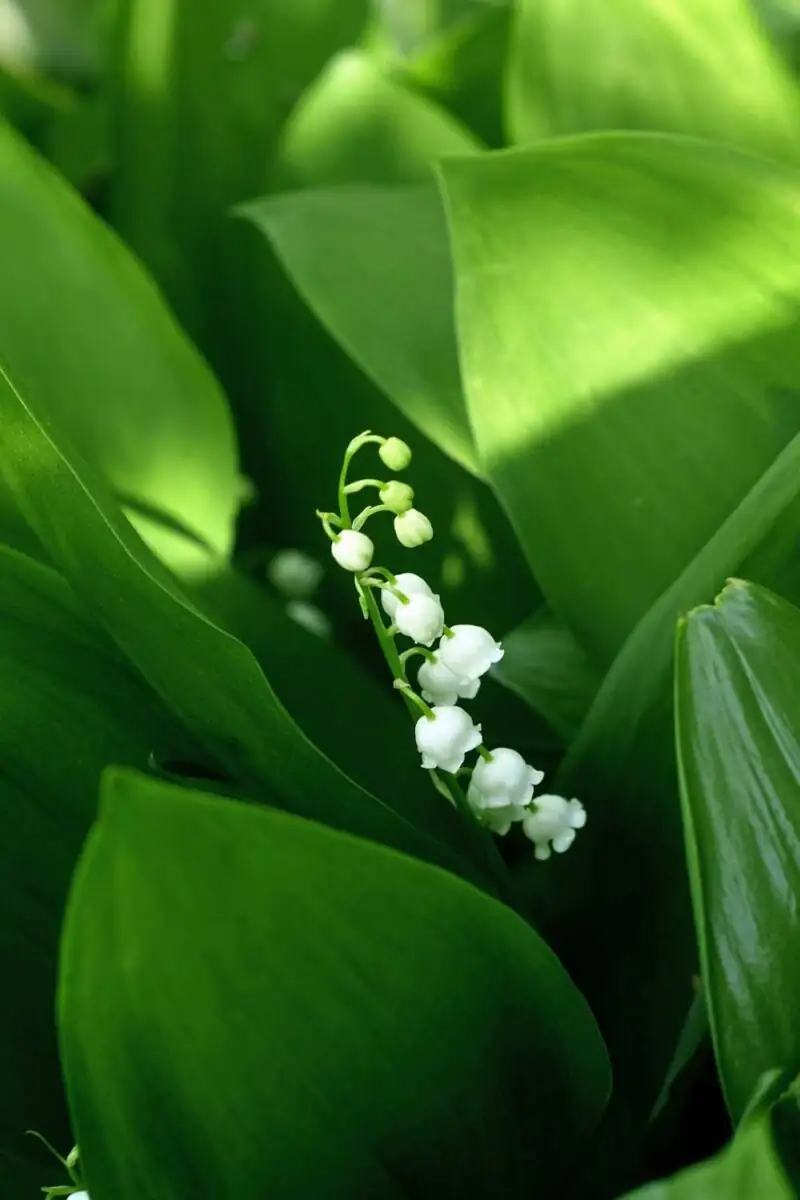
Discovering the Enchanting Symbolism of Lily of the Valley
Imagine a delicate woodland bell ringing in the spring—a gentle harbinger of joy and renewal. This is the essence of the Lily of the Valley, known scientifically as Convallaria majalis. With its dainty, nodding white bells and heavenly fragrance, this charming perennial has woven itself into the fabric of cultural traditions and romantic symbolism across the globe.
A Tale of Purity and Happiness
Why does the Lily of the Valley hold such a special place in our hearts? This flower is steeped in symbolism, often regarded as a messenger of purity and happiness. Its snow-white blossoms are akin to drops of innocence, embodying the essence of humility and sweetness. In the Victorian era, it was said to symbolize a “return to happiness,” and its association with purity can be traced back to its ties with Christian traditions, where it is referred to as “Our Lady’s Tears.”
This poignant name arises from the legend of the Virgin Mary’s tears, shed at the crucifixion of Jesus, which are said to have transformed into these fragrant blooms. Similarly, in the tale of Adam and Eve, the tears of Eve upon being exiled from the Garden of Eden are believed to have given rise to the Lily of the Valley. Such mythical narratives enrich the flower’s symbolism, making it a popular choice for conveying deep emotions.
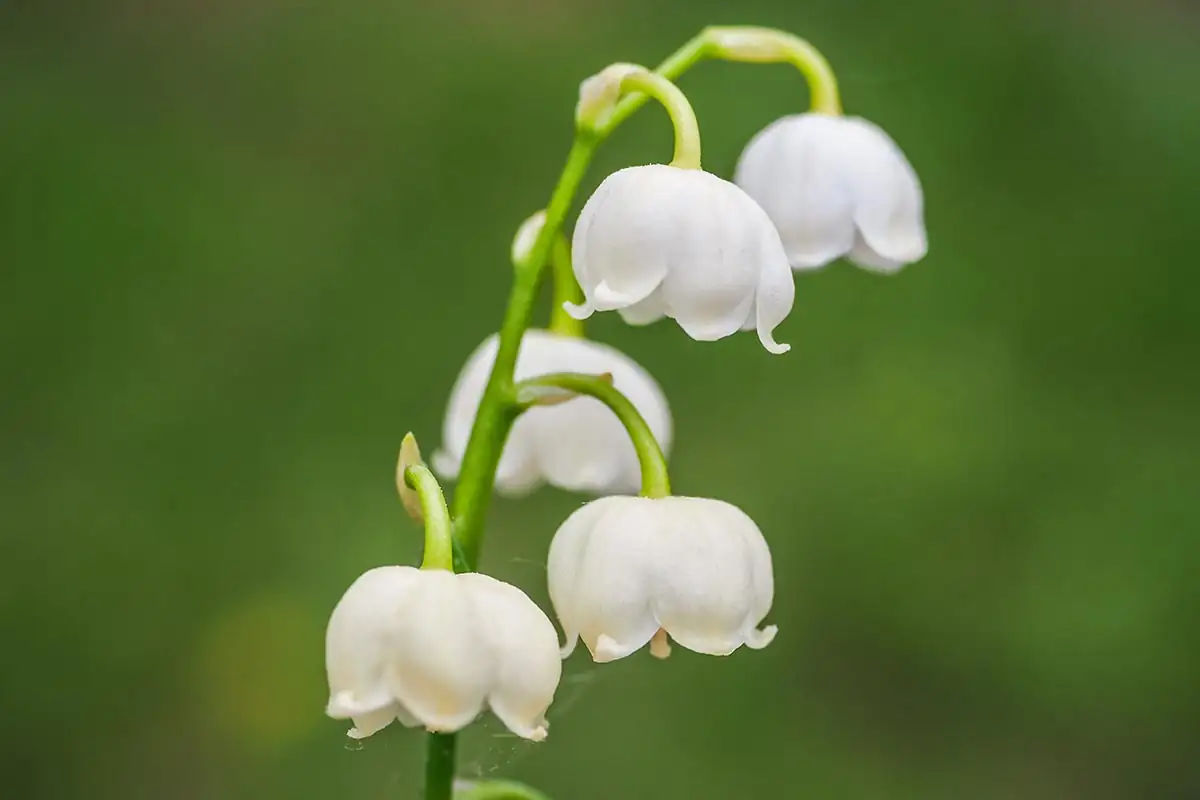
The Flower of Weddings and Celebrations
When it comes to weddings, the Lily of the Valley is a perennial favorite. Its graceful, bell-shaped flowers and sweet scent lend an air of elegance to bridal bouquets. This tradition spans centuries, with notable appearances in royal weddings, including those of Queen Victoria and Kate Middleton. But why is it so beloved for nuptials? Beyond its aesthetic appeal, the Lily of the Valley represents the hope for a happy and pure union—an ideal sentiment for the beginning of a new life together.
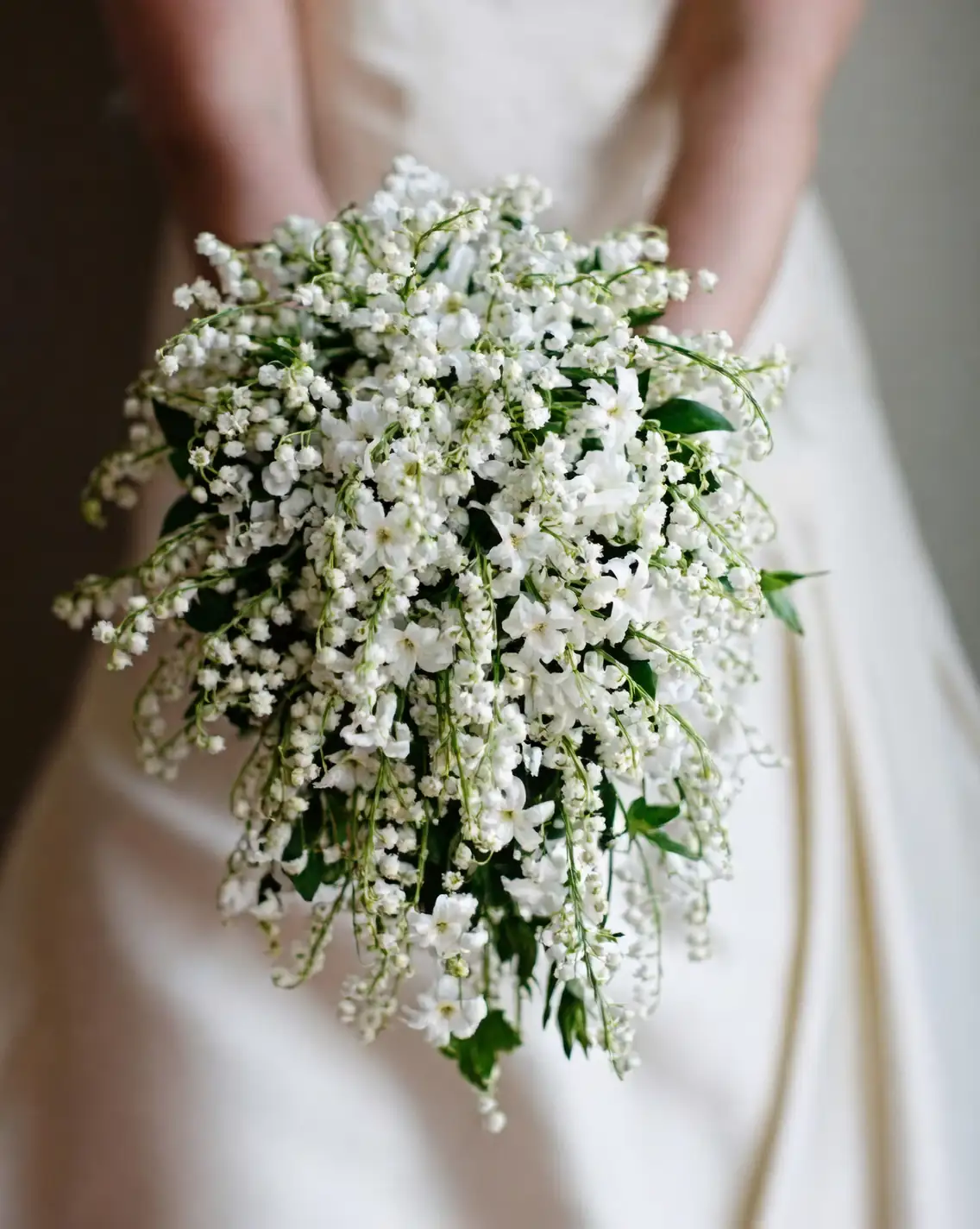
Cultural Significance and Traditions
The cultural footprint of the Lily of the Valley extends well beyond weddings. In France, May 1st is celebrated as La Fête du Muguet, or Lily of the Valley Day, when sprigs are exchanged for good luck. This tradition dates back to the early 20th century, when the flower became a symbol of spring and prosperity. Similarly, in England, medieval “courtship” traditions involved young men presenting these flowers to their beloved as an invitation to dance.
Botanical Marvel and Growing Secrets
Beyond its cultural allure, the Lily of the Valley is a botanical marvel. Native to the cooler temperate zones of Eurasia and North America, it thrives in partial to full shade, often beneath the canopy of deciduous trees. Its ability to spread via rhizomes allows it to form lush, green carpets that are not only visually captivating but also ecologically beneficial. However, gardeners beware: every part of this plant is highly toxic, from its roots to its enticing red berries.
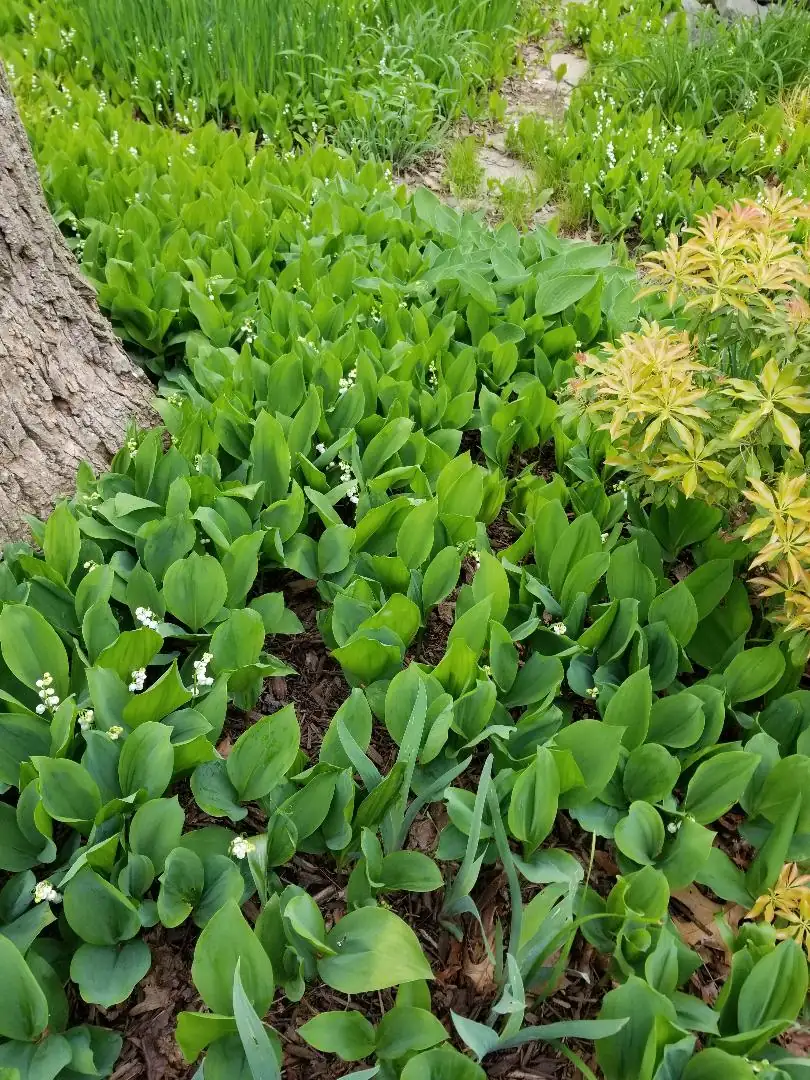
For those wishing to cultivate this charming perennial, it requires specific conditions for optimal growth. Partial shade, a cool climate, and moist, well-drained soil are essential. The plant also benefits from a winter chilling period to ensure robust spring blooms.
Mystical and Medicinal Intrigue
Intriguingly, the Lily of the Valley holds a dual nature—both beautiful and perilous. It contains cardiac glycosides, compounds with potential medicinal uses, particularly in cardiology. However, these same compounds render the plant highly toxic, underscoring the importance of caution in handling and cultivation.
Fun Facts and Final Thoughts
- Despite its name, the Lily of the Valley is not a true lily; it’s part of the Asparagaceae family.
- Its delicate fragrance is often recreated synthetically, as the flowers yield little extract.
- In Finland, it’s celebrated as the national flower, a testament to its cultural significance.
- The plant’s ability to spread and form dense colonies makes it a popular choice for ground cover in shaded gardens.
In the end, the Lily of the Valley is more than just a pretty bloom. It’s a symbol of purity, a harbinger of happiness, and a staple of age-old traditions. Whether you’re enchanted by its mythological roots or its practical beauty in the garden, this flower continues to captivate and inspire, ringing in each spring with its timeless grace.


