

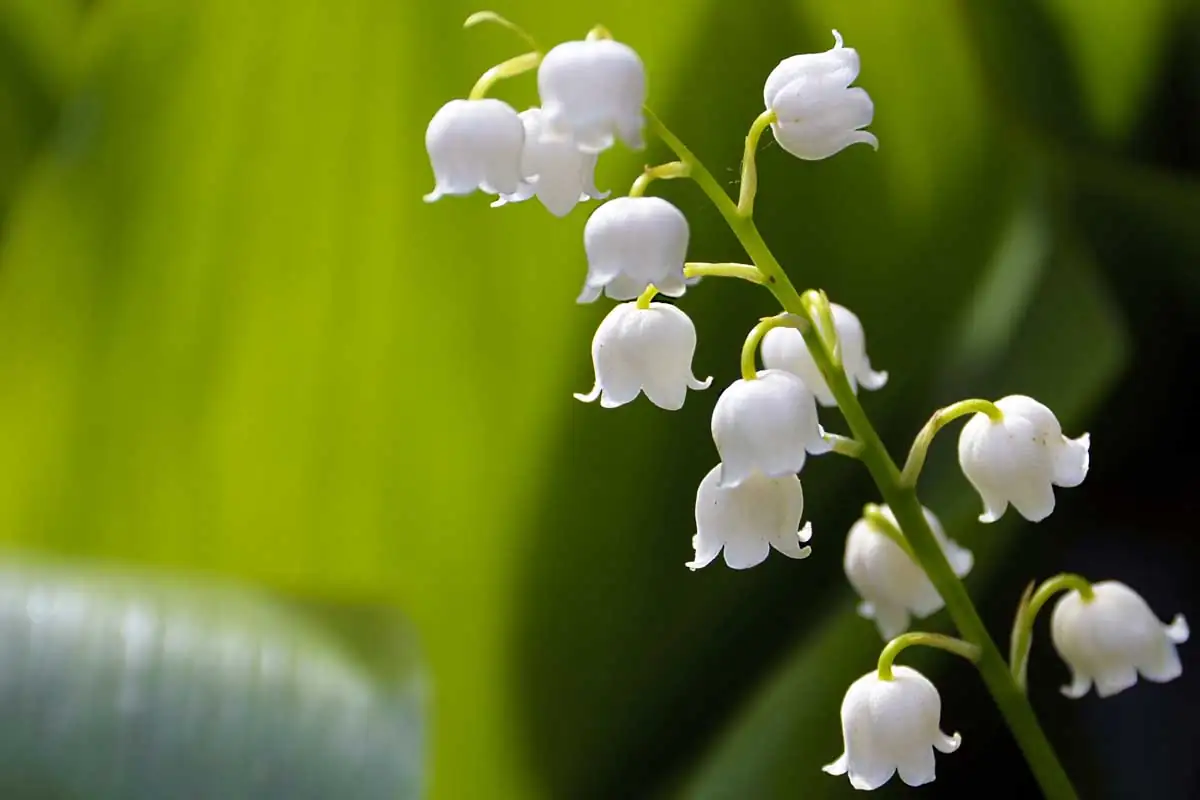
As spring approaches, nature unfurls its myriad wonders, and among them, the Lily of the Valley stands out as a perennial favorite. Known for its enchanting bell-shaped flowers and intoxicating fragrance, Convallaria majalis, or Lily of the Valley, is a delightful addition to any shaded garden. If you’re eager to cultivate this charming plant, read on for expert tips to nurture a flourishing display that will return year after year.
Understanding Lily of the Valley
Before we dive into the practicalities, let’s get acquainted with the plant itself. Lily of the Valley is a rhizomatous perennial that thrives in cool, shaded environments. It’s not a true lily, despite its name, but a member of the Asparagaceae family. This woodland beauty is native to the temperate regions of Eurasia and has found its way into gardens across the globe, prized for its sweetly scented, nodding white or pink flowers.
The Perfect Spot: Light and Soil Requirements
Light
Lily of the Valley is a shade-loving plant, making it ideal for those tricky spots in your garden where other plants may struggle. It thrives in partial to full shade, preferring bright, dappled light that filters through the leaves of deciduous trees. While it can tolerate some morning sun, be wary of hot afternoon rays, which can scorch its delicate leaves.
Soil
The foundation for any successful plant is the soil, and Lily of the Valley is no exception. It flourishes in moist, well-drained soil rich in organic matter. Aim for a slightly acidic to neutral pH, around 5.5 to 6.5, to keep your plants happy and healthy. Avoid waterlogged conditions, as this can lead to root rot.
Planting and Propagation: Setting the Stage
Planting Pips
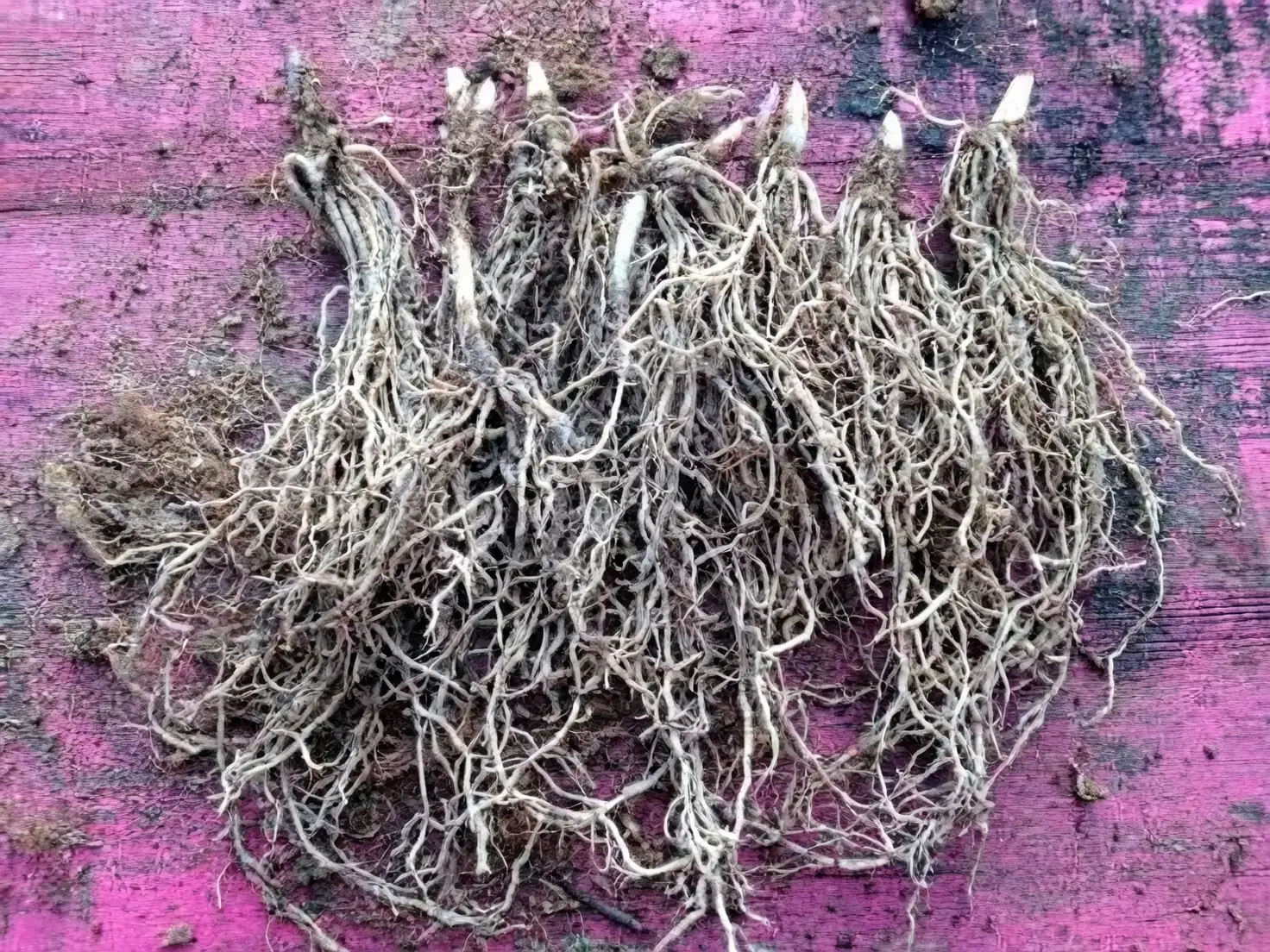
The heart of growing Lily of the Valley lies in planting its pips—small rhizomes with buds ready to burst into life. Here’s how to do it:
- Timing: Plant in early spring or fall, when the soil is workable.
- Spacing: Dig a shallow hole about 1 to 2 inches deep, and place the pip with the bud facing upward. Cover lightly with soil and water thoroughly.
- Distance: Space pips about 6 inches apart, as they will spread over time.
Propagation
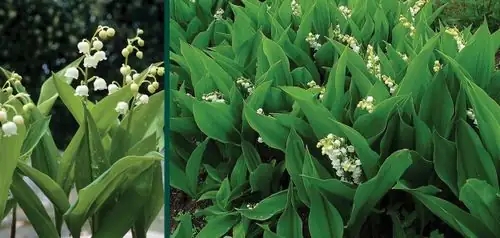
Lily of the Valley spreads via rhizomes, forming dense colonies. To propagate, divide the rhizomes in autumn after the foliage has died back or in early spring before new growth starts. Replant the divisions with the buds just below the soil surface.
Care and Maintenance: Keeping Your Garden Happy
Watering
During active growth and flowering, maintain consistently moist soil. Water during dry spells, but avoid sogginess. In containers, check moisture levels more frequently, and during dormancy, reduce watering significantly.
Fertilization
A yearly top-dress of compost often suffices. If you opt for fertilizer, use a balanced, slow-release type in early spring. Avoid high nitrogen levels once flowering begins.
Pruning and Maintenance
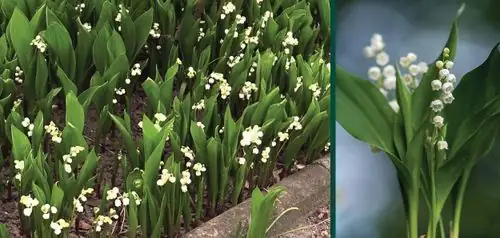
After flowering, remove spent flower stems for a tidier appearance. Allow the leaves to die back naturally, as they replenish the rhizomes’ energy reserves. In fall, apply a light mulch in colder climates for added protection.
Temperature and Humidity Considerations
Lily of the Valley thrives in cool conditions, with an active growth comfort range between 8–24°C (46–75°F). For reliable reblooming, the plant requires a winter chilling period. It’s hardy down to -40°C (-40°F) but struggles in prolonged heat above 30°C (86°F). Moderate humidity is ideal, so maintain consistent moisture and avoid hot, dry air.
Safety and Health: A Word of Caution
While this plant is a joy to behold, remember that every part of the Lily of the Valley is highly toxic. It contains cardiac glycosides that can be dangerous if ingested. Keep it out of reach of children and pets, and wear gloves when handling the plant.
The Language of Flowers: Symbolism and History
Lily of the Valley has long been associated with purity, humility, and the return of happiness. Its sweet fragrance and delicate appearance have earned it a place in royal wedding bouquets and European folklore. May 1st, known as Lily of the Valley Day in France, celebrates this plant as a symbol of good luck and renewal.
With these tips in hand, you’re ready to cultivate a lush and fragrant display of Lily of the Valley in your garden. Whether for its historical significance, its enchanting aesthetic, or simply its delightful scent, this perennial gem promises to bring joy and beauty to your outdoor space for years to come. Happy gardening!


