

Unraveling the Pests and Diseases of the Playful Mimosa pudica
Mimosa pudica L., affectionately known as the Sensitive Plant, is not just a botanical marvel; it’s a dynamic performer in the plant world. With a simple touch or breeze, its leaves fold shyly, capturing the imagination of gardeners and plant enthusiasts alike. Yet, even this bashful beauty faces adversaries in the form of pests and diseases. Let’s dive into the world of Mimosa pudica’s common challenges and explore how to keep your plant thriving.
Common Pests: The Uninvited Guests
Despite its defensive theatrics, Mimosa pudica is not immune to pests. Here are some of the usual suspects:
Sap-Feeding Insects
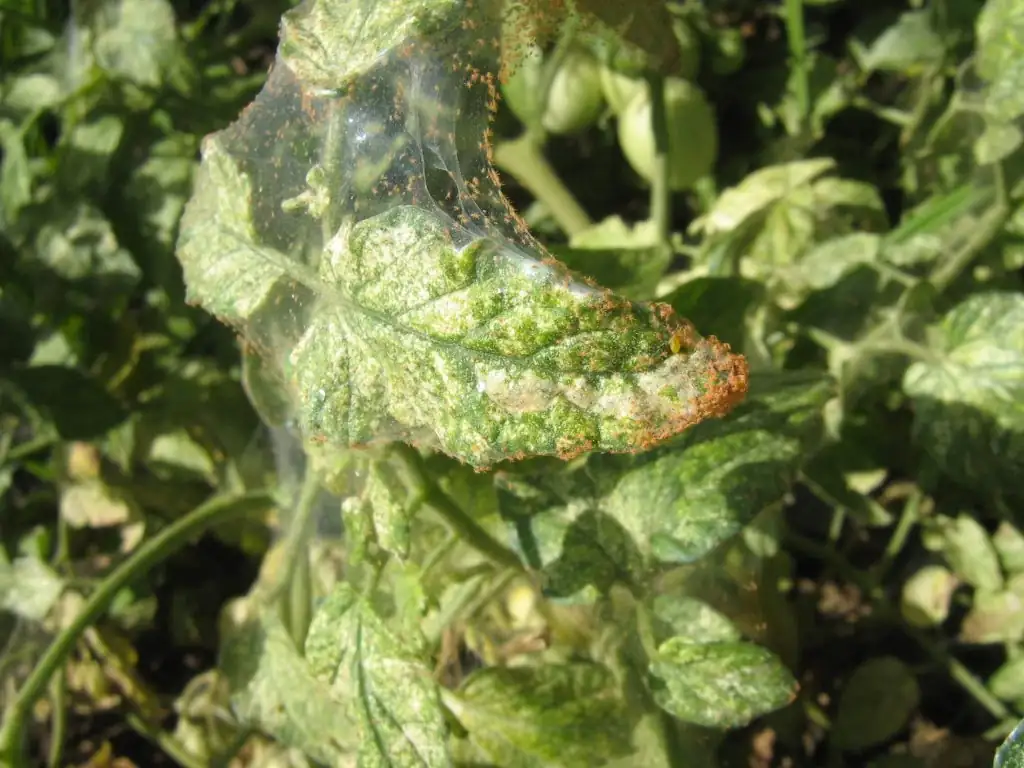
- Spider Mites: These tiny arachnids are notorious for their ability to cover Mimosa pudica’s leaves in a fine webbing. Feeding on plant sap, they leave behind a stippling of white dots, eventually turning the leaves bronze or reddish. As if on cue, the foliage may yellow and drop, leaving the plant looking rather forlorn.
- Acacia Psyllids: Though less common, these sap-feeding insects excrete honeydew, inviting ants and promoting unsightly sooty mold. While most healthy Mimosas can handle a bit of sap loss, severe infestations can lead to leaves and twigs becoming discolored and distorted.
Wood-Boring Insects
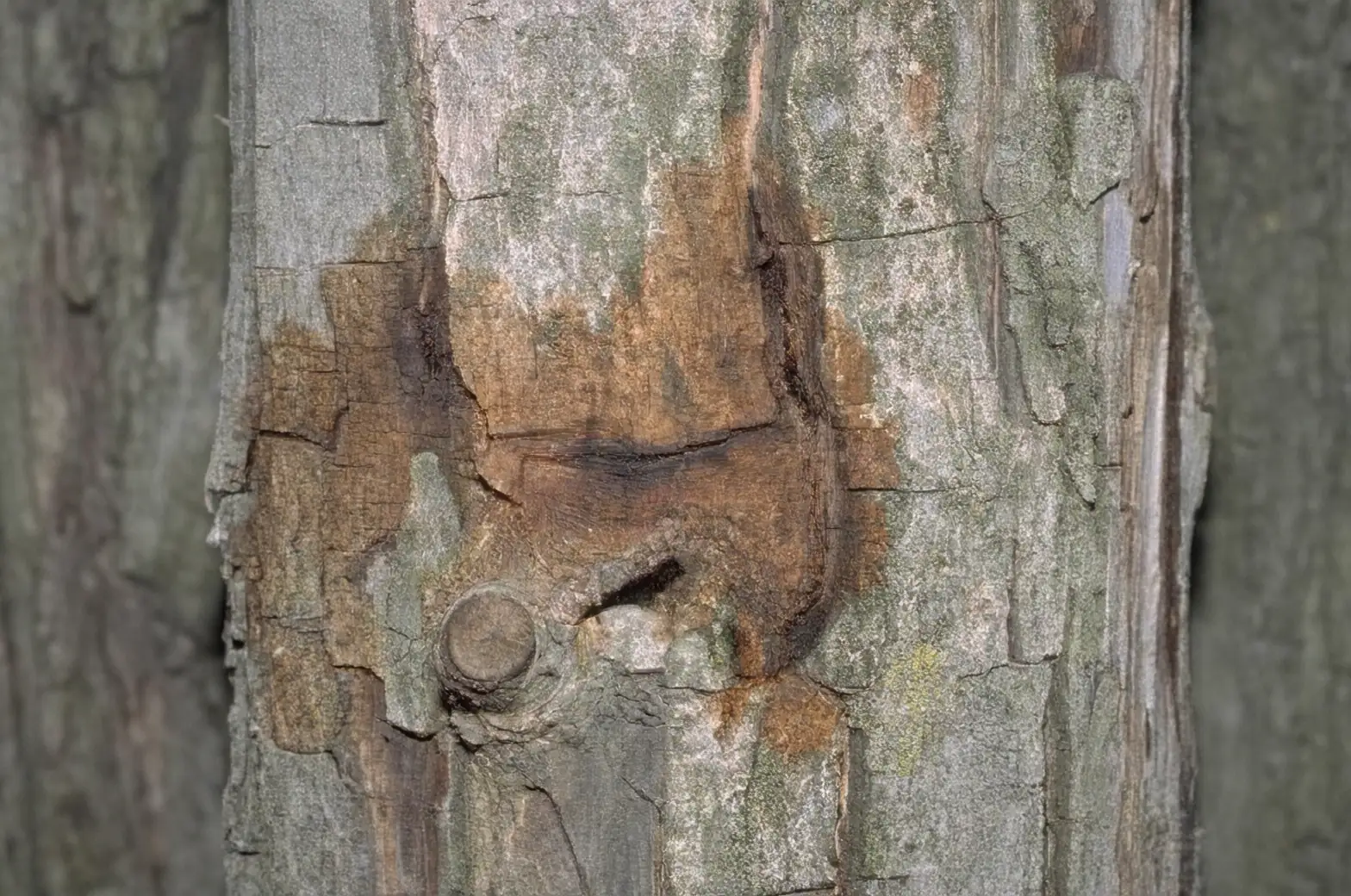
- Carpenterworms: These wood-boring caterpillars can put on quite a destructive show. By tunneling into the sapwood, they create dark sap spots on the trunk and expel frass through entry holes. Their presence often goes unnoticed until the damage becomes significant.
Foliage-Feeding Caterpillars
- Mimosa Webworm: These pests create gray webs around the foliage, consuming leaves and potentially causing complete defoliation. Though their damage is usually cosmetic, a heavily infested plant may lose its lush appearance.
Disease Outlook: A Rare but Possible Threat
Mimosa pudica is generally resilient against diseases, thanks to its robust nature. However, in conditions where moisture is excessive or airflow is poor, fungal infections like powdery mildew or root rot might occasionally rear their heads. Keeping the plant in well-draining soil and ensuring good air circulation can help sidestep these issues.
Prevention and Treatment Strategies
Now that we’ve identified the potential threats, how do we armor our sensitive friend against them?
Proactive Care
- Promote Plant Health: Like a vigilant guardian, ensure that your Mimosa pudica is receiving optimal light, moisture, and nutrition. A well-nourished plant is better equipped to withstand pest pressures.
- Regular Inspections: Make it a routine to check for signs of pests. Look for webbing, honeydew, and leaf discoloration. Early detection is key to effective management.
Natural Remedies
- Insecticidal Soap and Horticultural Oil: These are your frontline defenders against sap-sucking pests like spider mites and psyllids. Apply them according to the label directions, ensuring thorough coverage of the foliage.
- Neem Oil: This natural pesticide can deter many pests while being gentle on the plant. Regular applications can help keep infestations at bay.
- Rinsing and Airflow: Occasionally rinsing the plant’s foliage with water can dislodge mites and improve humidity. Coupling this with good airflow can create an inhospitable environment for many pests.
Conclusion
The Sensitive Plant may be delicate in action, but with the right care, it can withstand the pest pressures that come its way. By understanding the common threats and implementing preventative measures, you can ensure that your Mimosa pudica continues to delight with its fascinating movements and charming pink blooms. So, keep a keen eye, nurture with love, and let this playful plant enchant your garden for seasons to come!


