

A Comprehensive Guide to Caring for Mimosa pudica: The Enchanting Sensitive Plant
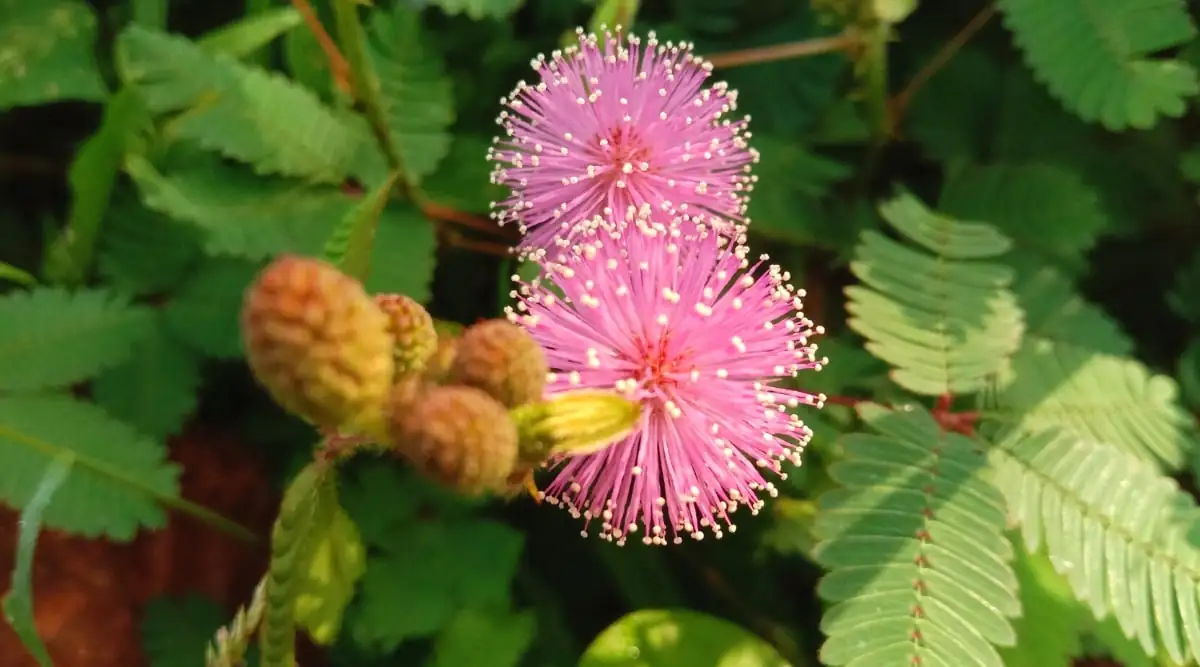
Imagine a plant that dances at your touch, a botanical performer that folds its feathery leaves as if bashfully reacting to your presence. Enter Mimosa pudica, often referred to as the “Sensitive Plant,” “Shameplant,” or “Touch-Me-Not.” This captivating member of the Fabaceae family not only charms with its dramatic leaf-folding but also dazzles with pink pom-pom flowers, making it a delightful addition to any plant lover’s collection. If you’re eager to nurture this intriguing plant, let’s explore the essentials of caring for Mimosa pudica.
Light Requirements: Let There Be Light!
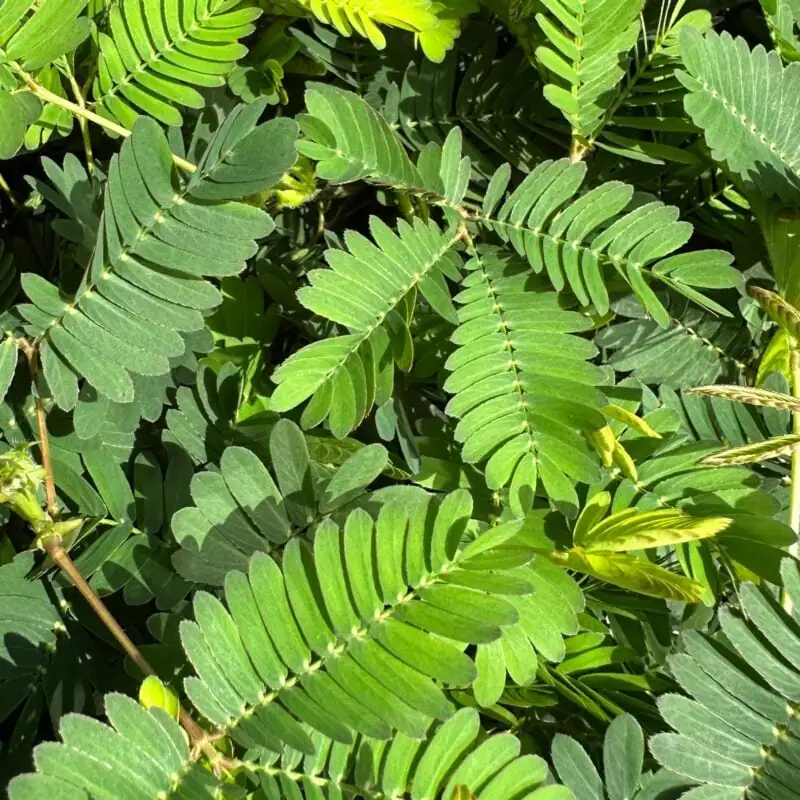
Mimosa pudica thrives in full sun to partial shade, eagerly soaking up bright light to fuel its growth and blooming. Aim for at least eight hours of daylight, which can be achieved by placing it on a sunny windowsill or in a well-lit room. However, like a fair-skinned sunbather, be cautious of too much direct sun, which can scorch its delicate leaves. If the leaflets remain closed during daylight, it’s a signal that your plant might be yearning for more light.
Watering Schedule: A Balancing Act
Watering Mimosa pudica is a bit like performing a balancing act. This plant enjoys consistently moist but never waterlogged soil. During its active growing season, typically from spring to fall, water when the soil surface starts to dry slightly. In hot summer conditions, consider watering in the morning and possibly again later if the soil dries quickly. As winter approaches, reduce watering, allowing the plant to enter a slower growth phase. Avoid letting the pot sit in water, as this could lead to root rot.
Seasonal Changes and Temperature: Keep It Cozy
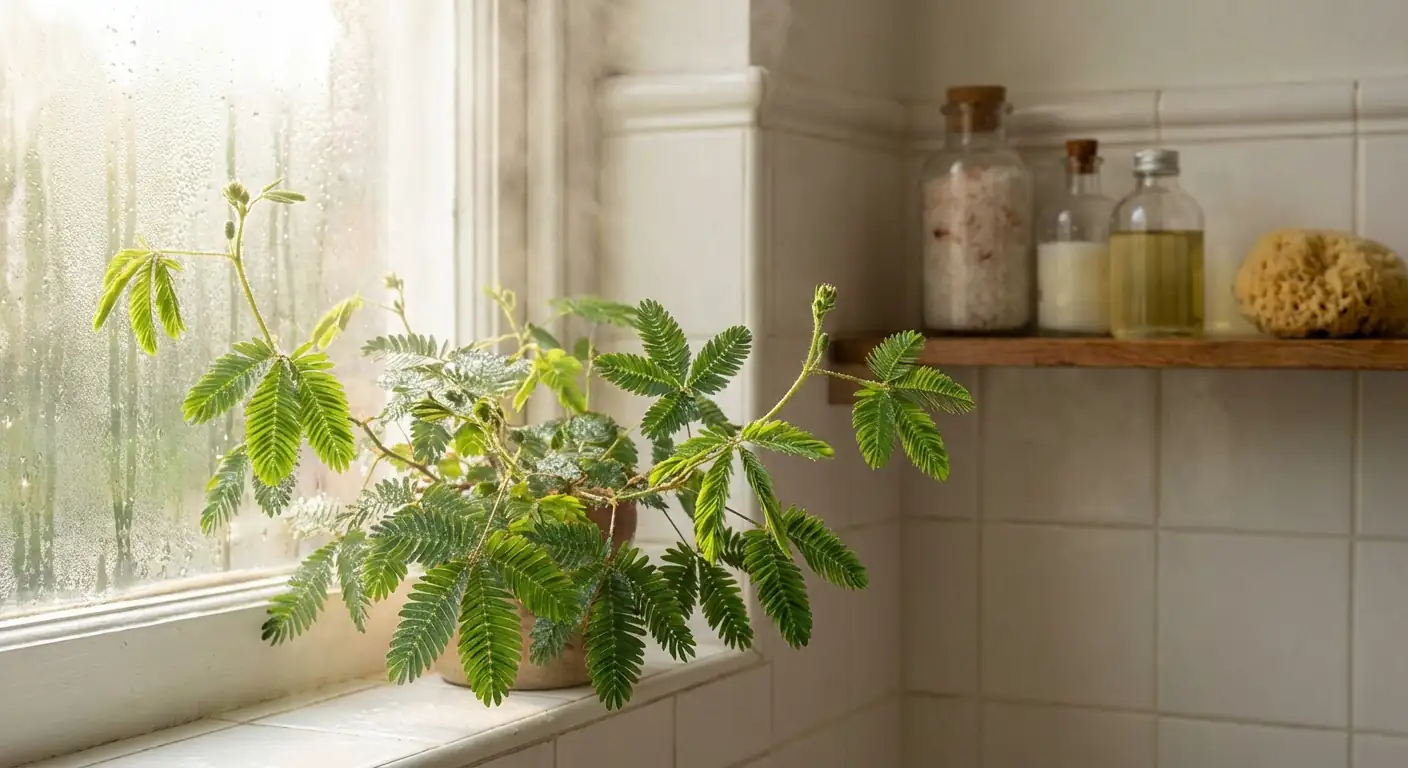
As a native of the Caribbean and South and Central America, Mimosa pudica prefers temperatures between 18–24°C (65–75°F). It shivers at temperatures below 13°C (55°F), so bring it indoors or provide protection if you live in a cooler climate. Maintaining moderate to high humidity will keep your plant happy, making it an ideal candidate for a bathroom or kitchen with natural humidity, or you can place it on a tray of moist pebbles.
Soil and Fertilization: The Foundation of Growth
Plant your Mimosa pudica in well-draining loam or a light potting mix that remains evenly moist. While it can tolerate nutrient-poor soils, good drainage is non-negotiable. During the growing season, feed your plant monthly with a balanced water-soluble fertilizer at half strength. Some enthusiasts opt for a slightly higher-potassium feed every 4-6 weeks to support blooming. If you wish to keep it compact, ease off the fertilization.
Pruning and Propagation: Shape and Multiply
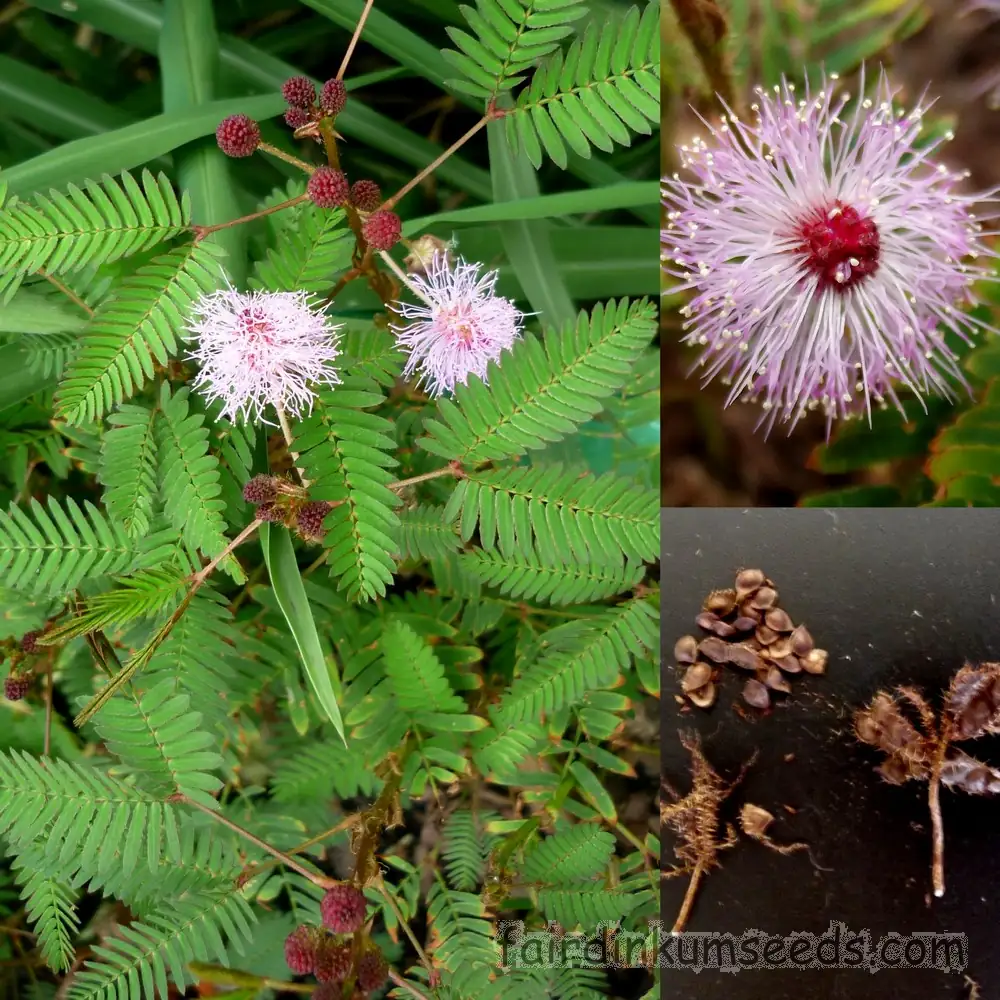
Regular pinching or trimming encourages branching, keeping your plant bushy rather than leggy. You can shorten trailing stems or lightly train it on a small support. For propagation, seeds are your best bet. With a little scarification or an overnight soak, seeds can germinate in about 7-10 days in warm conditions. Alternatively, try rooting stem cuttings in a peat/perlite mix.
Troubleshooting: Common Pests and Issues
While Mimosa pudica is relatively trouble-free, it can occasionally attract spider mites, mealybugs, and thrips, especially in dry conditions. These pests can impact the plant’s responsiveness, so maintain good airflow, rinse the foliage as needed, and treat infestations with insecticidal soap or horticultural oil.
The Symbolism and Fascination of Mimosa pudica
The sensitive plant symbolizes shyness, sensitivity, and warm friendship. Its dramatic folding response, known as thigmonasty, has intrigued botanists and plant enthusiasts alike. This movement, triggered by touch or other stimuli, serves as a defense mechanism, helping deter herbivores and managing stress factors like water loss.
As a plant steeped in both scientific curiosity and ornamental charm, Mimosa pudica offers more than just a pretty face. Whether you’re drawn to its scientific intrigue or its visual appeal, caring for this plant is a rewarding endeavor that brings a touch of magic to your home. So, are you ready to invite this bashful beauty into your botanical collection?


