

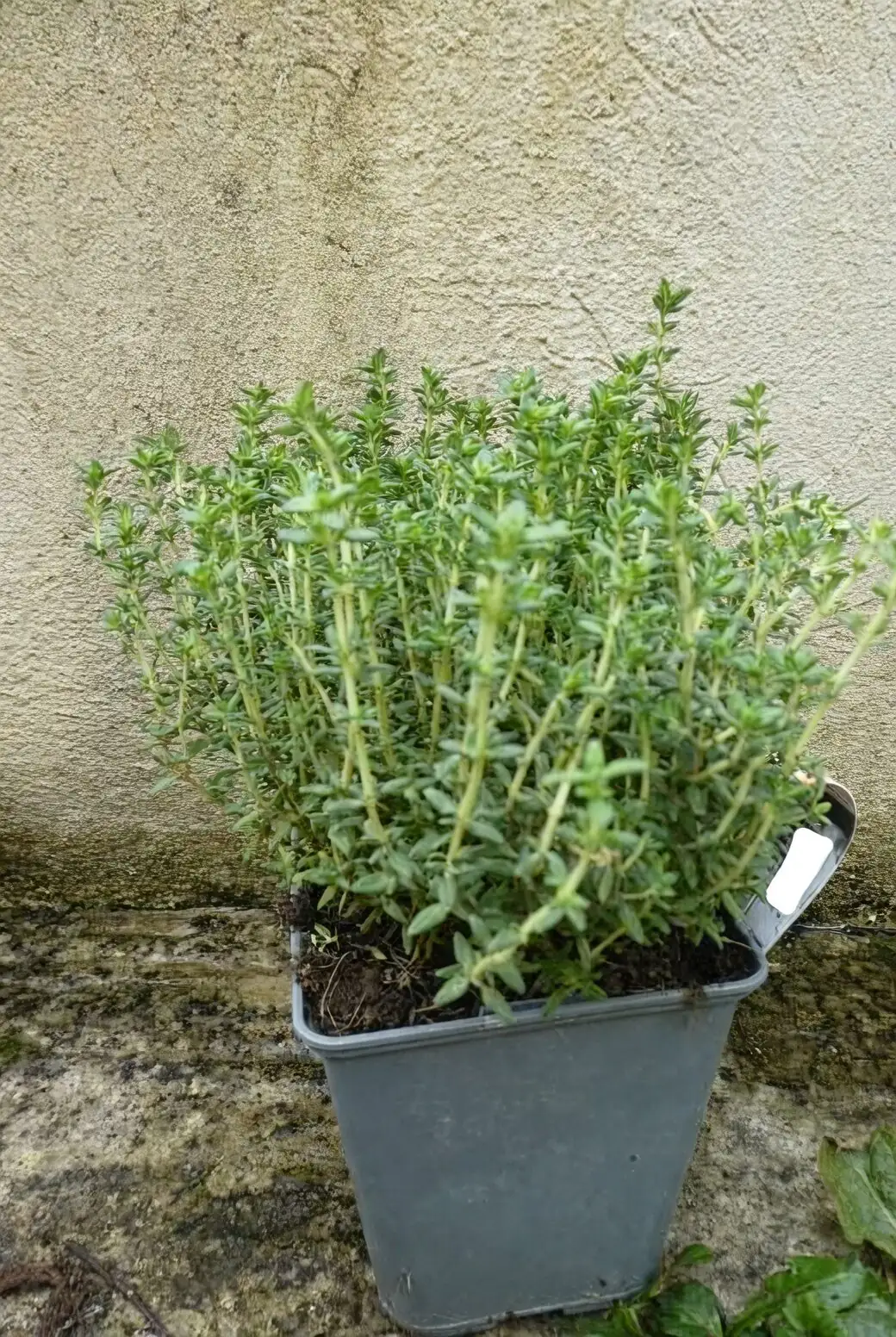
Discover the Art of Caring for Thyme: Your Guide to Thriving Thymus vulgaris Plants
Imagine stepping into your garden and being greeted by a cascade of savory scents, as if you’ve been transported to the sun-soaked shores of the Mediterranean. That’s the magic of Thymus vulgaris, or common thyme—a plant that not only elevates your culinary creations but also infuses your garden with aromatic charm. But how do you ensure your thyme thrives? Let’s delve into the art of caring for this resilient herb.
The Essentials of Growing Thyme
Thyme is part of the Lamiaceae family, sharing its lineage with other beloved herbs like mint and basil. Native to the Mediterranean, it thrives in environments that mimic its homeland: plenty of sunshine, well-drained soil, and a touch of neglect when it comes to watering. Here’s how you can replicate those conditions:
Sunlight and Placement
- Sun Worshipper: Thyme adores sunlight. Place it in a spot where it can bask in at least 6–8 hours of direct sun each day. Indoors, a south-facing window is ideal. If that’s not possible, consider using a grow light to supplement its sunbathing needs.
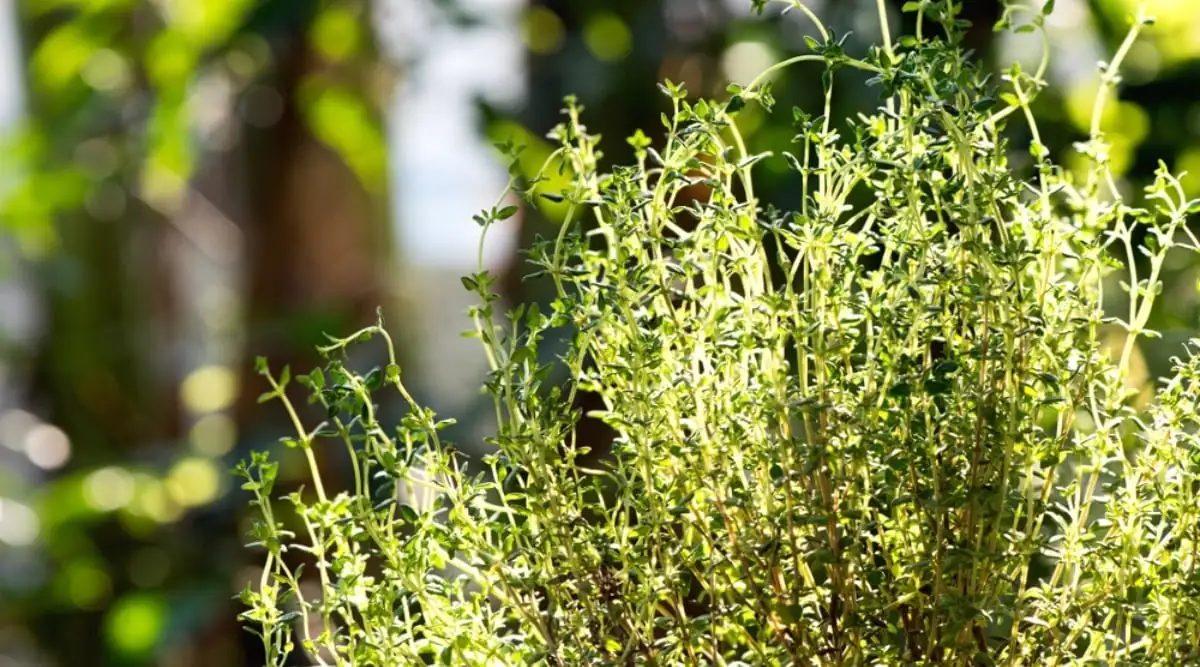
- Versatile Settings: Whether spilling over a rock garden, lining a sunny path, or thriving in a container on your balcony, thyme’s adaptability makes it a delightful addition to any garden space.
Watering Wisdom
- Less is More: Think of thyme as your low-maintenance friend who doesn’t need constant attention. Water deeply, but let the soil dry out between waterings. In pots, ensure the top inch or two of the soil is dry before rehydrating your plant.
- Beware of the Dreaded Wet Feet: Thyme is more likely to sulk from too much water than too little. Overwatering can lead to root rot, especially during winter when the plant’s growth slows down.
Soil and Temperature: Crafting the Perfect Environment
- Lean and Mean: Thyme thrives in lean, well-drained soil. A sandy or gritty mix with a neutral to slightly alkaline pH is perfect. If you’re planting in containers, mix in some grit or perlite to improve drainage.
- Temperature Tolerance: Thyme is heat-tolerant once established, enjoying temperatures between 13°C and 25°C (55°F to 77°F). It can withstand winter lows of -10°C (14°F) if the soil is well-drained.
Seasonal Care and Maintenance
Spring and Summer
- Fresh Start: Spring is the perfect time for a light prune to encourage new growth. You can also divide and transplant mature plants or start new ones from seed.
- Harvest Happiness: Harvest regularly to keep the plant productive. Snipping stems just before flowering ensures the strongest flavor.
Autumn and Winter
- Prepare for Hibernation: As autumn approaches, reduce watering and make sure thyme is in the sunniest spot available. Before hard frosts, take your final harvest.
- Winter Protection: Indoors, keep thyme on the dry side and ensure good airflow to prevent fungal issues. Protect outdoor thyme from excessive wetness.
Pruning, Propagation, and Pests
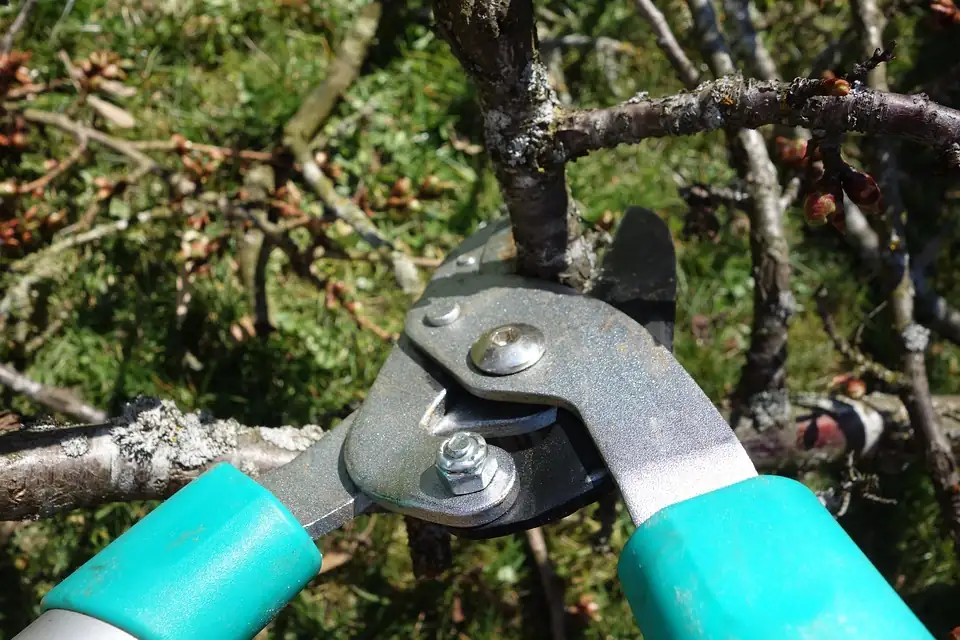
- Pruning: Lightly trim thyme to maintain its shape and prevent woodiness. Avoid cutting into old, leafless stems as this can stunt regrowth.
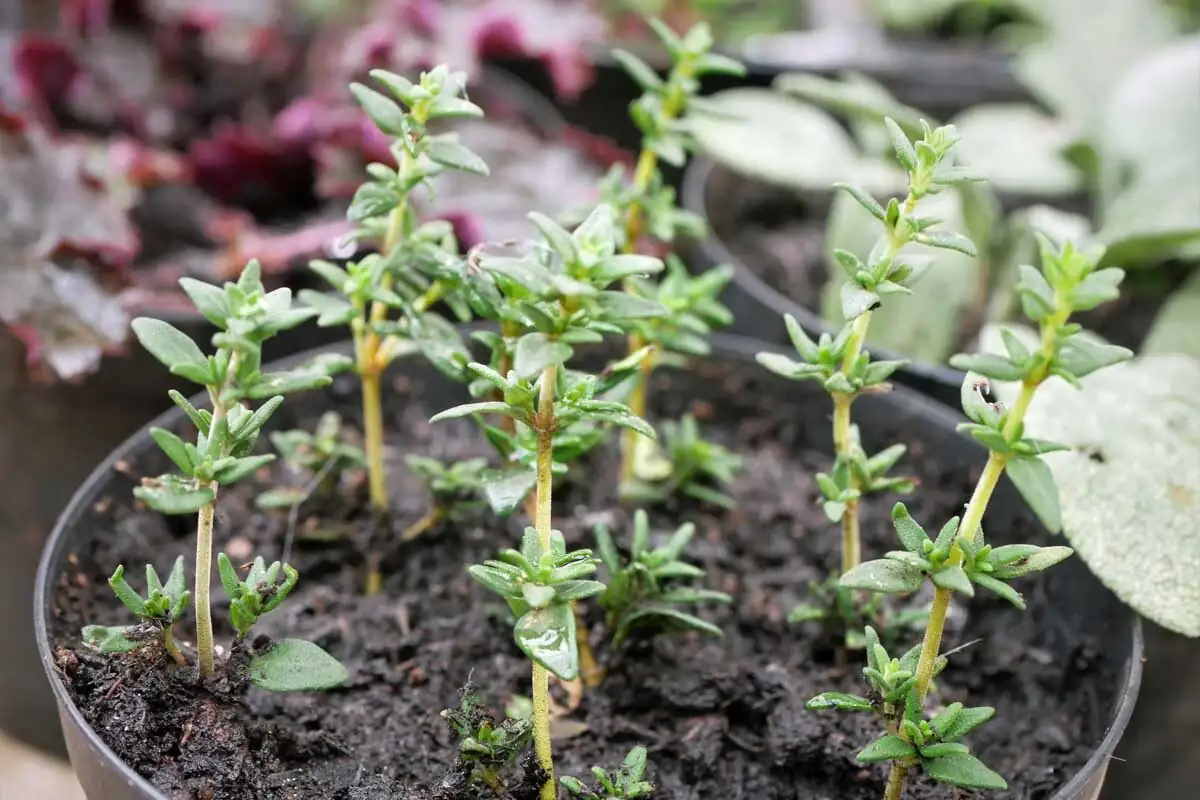
- Propagation: Easy to propagate from seeds, cuttings, or division. For cuttings, select non-flowering tips in spring or early summer.
- Pest Patrol: Generally pest-resistant, thyme’s aromatic oils fend off many invaders. However, watch out for aphids and spider mites indoors.
A Herb Steeped in History
Thyme’s legacy is as rich as its aroma. In ancient times, it symbolized courage and was used in various cultural rituals, from Egyptian embalming to Roman culinary practices. Its essential oil, thymol, has historical uses in antiseptics, showcasing thyme’s versatility beyond the kitchen.
Conclusion: Embrace the Thyme
Whether you’re a seasoned gardener or a novice herb enthusiast, thyme is a rewarding plant that offers more than just culinary benefits. Its resilience, coupled with its ability to attract pollinators, makes it a valuable addition to any garden. So, embrace this fragrant herb and let it transport you to the Mediterranean with every fragrant breeze. Happy gardening!


