

Cultivating the Enigmatic Opium Poppy: A Guide to Growing Papaver somniferum
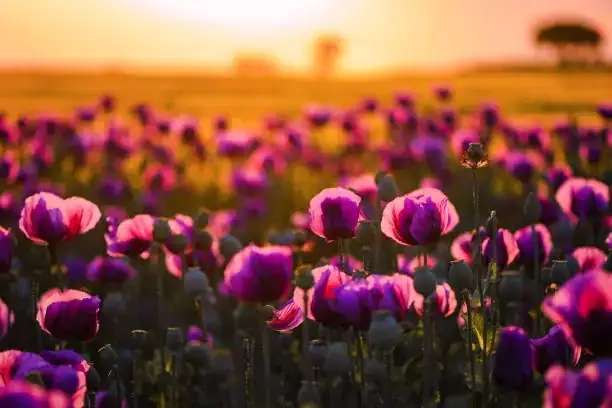
Imagine a garden adorned with the dramatic, crumpled silk blooms of the opium poppy, their colors ranging from deep reds to subtle pinks and pure whites. Papaver somniferum, or the opium poppy, is not just a feast for the eyes; it’s a plant steeped in history and complexity, known for its ornamental beauty and its role in the production of medicinal alkaloids. Let’s embark on a journey to master the art of growing these captivating flowers from seed, ensuring they thrive in your garden.
Understanding Your Opium Poppy
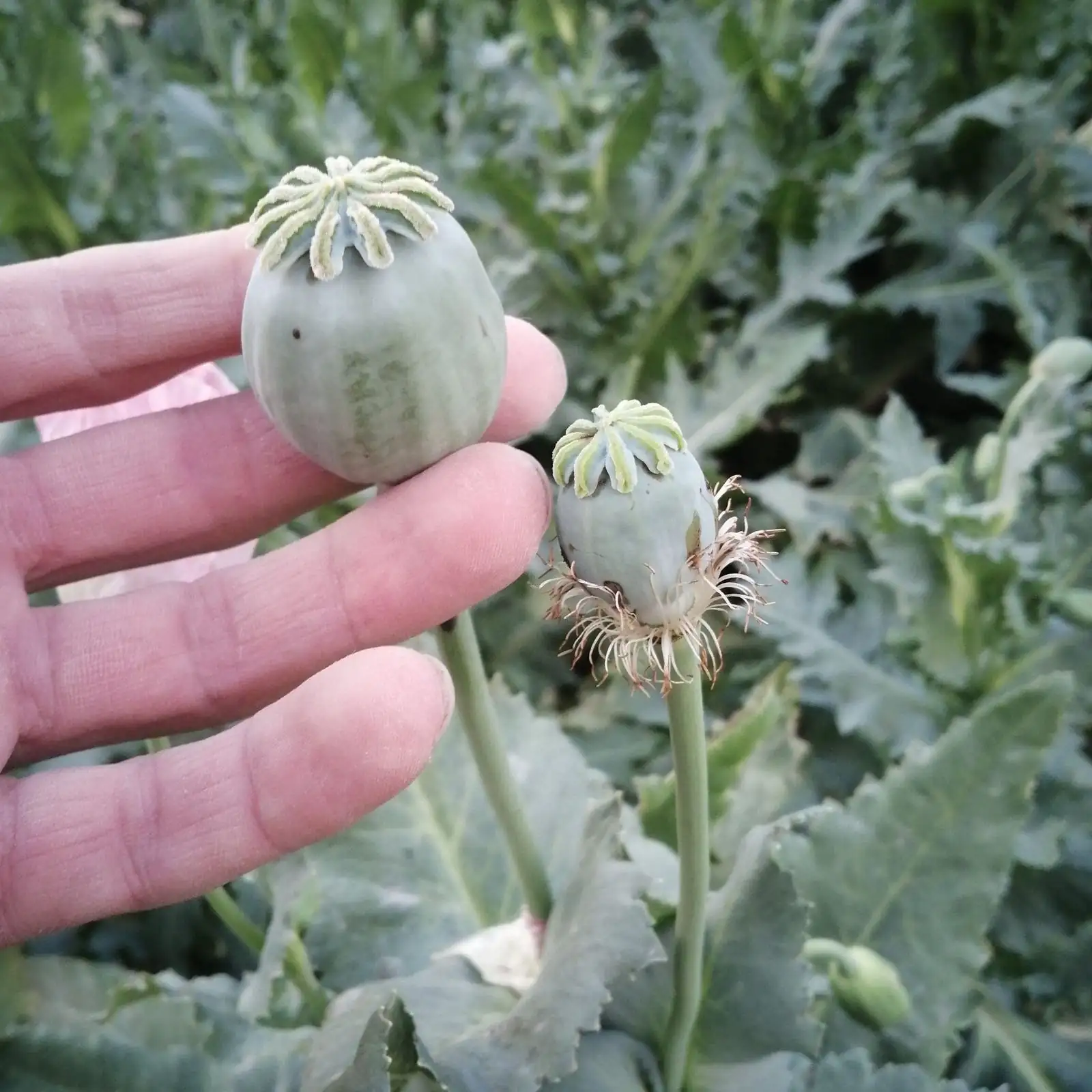
Before you plant, it’s essential to understand the nature of Papaver somniferum. This annual wildflower hails from Southeast Europe and Asia, thriving in cool conditions and full sunlight. It belongs to the Papaveraceae family and prefers well-drained soils. Despite its controversial name, in many regions, the opium poppy is a cherished ornamental plant, known for its bold blooms and distinctive seed pods.
Optimal Conditions for Growth
Sunlight and Temperature
Opium poppies are sun worshippers. For the best blooms, plant them in a spot where they receive at least 6–8 hours of direct sunlight daily. They flourish in cooler temperatures, ideally when daytime highs hover around or below 15°C (59°F). While they can tolerate light frosts, they struggle in prolonged heat, making them suitable for spring or early summer planting in most climates.
Soil and Watering
A well-drained sandy loam or light garden soil with a neutral to slightly acidic pH (6.0–7.5) is ideal for these poppies. During germination and early growth, keep the soil lightly moist. As the plants mature, reduce watering, allowing the soil to dry out between sessions to prevent root rot—a common issue due to their sensitive taproot.
Planting Your Seeds: A Step-by-Step Guide
Timing and Method
Timing is crucial when sowing opium poppy seeds. Depending on your climate, you can either sow seeds in the fall for early spring blooms or in very early spring while the soil remains cool. Here’s how to do it:
- Prepare the Soil: Ensure your garden bed is free of weeds and well-tilled. Add some organic matter if needed, but avoid rich composts that might over-fertilize.
- Sow Sparingly: Scatter seeds over the soil surface. These seeds require light to germinate, so press them gently into the soil without covering them.
- Space Wisely: Once seedlings appear, thin them to about 15–30 cm (6–12 inches) apart. This spacing ensures they have enough room to develop their iconic blooms.

Germination
Poppy seeds typically sprout within 10–30 days at temperatures around 13–15°C (55–59°F). Patience is key—these seeds are small and delicate, but the reward is worth the wait.
Caring for Your Poppies
Fertilization
While opium poppies are light feeders, a balanced, slow-release fertilizer in early spring can be beneficial if your soil is less fertile. Avoid high-nitrogen fertilizers that encourage leaf growth over flowers.
Managing Pests and Diseases
These poppies can attract aphids and are susceptible to downy mildew and root rot. Ensure good air circulation and avoid overwatering. Use insecticidal soap or introduce beneficial insects if aphids become problematic.

Legal Considerations and Safety
Before planting, check local regulations, as growing Papaver somniferum may be restricted or require permits in some areas due to its potential for opium production. Always handle these plants responsibly, keeping them away from children and pets due to their toxic alkaloids.
Harvesting and Seed Collection
After the opium poppies bloom, you can choose to deadhead them to extend the flowering season or allow some pods to mature for seed collection. Wait until the pods turn tan-brown and hear the seeds rattle before harvesting. Store seeds in a cool, dry place for planting next season.
A Legacy of Beauty and Caution
The opium poppy’s dual identity as a source of beauty and narcotics has painted it as both a garden treasure and a plant of caution. Its symbolism of sleep and peace reflects its historical use as a sedative and its poignant role in remembrance traditions.
By understanding and respecting the opium poppy’s needs and legalities, you can enjoy its enchanting presence in your garden while appreciating its rich history and multifaceted role in human culture. With the right care and attention, your opium poppies can bloom into a captivating display of nature’s artistry.


