

A Journey Through Time: The Story of Papaver somniferum
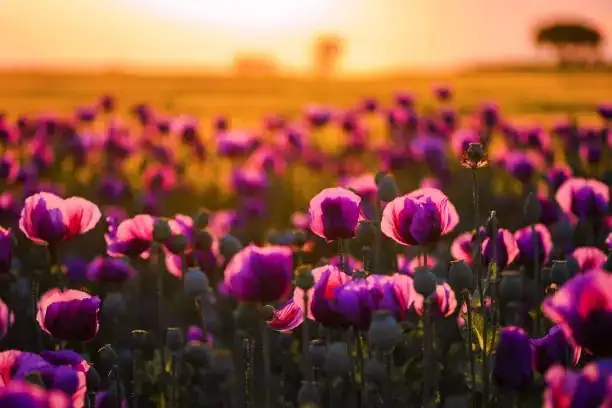
Imagine a garden bathed in the soft hues of dawn, vibrant blooms swaying gently in the morning breeze. Among them stands Papaver somniferum, the opium poppy, a plant as captivating in its beauty as it is complex in its history.
Ancient Origins
Our journey with the opium poppy begins thousands of years ago. Archaeological evidence suggests that this plant was cultivated as far back as 5000 BCE. The ancient Sumerians, residing in what is now Iraq, are believed to have been among the first to cultivate the opium poppy, referring to it as Hul Gil, the “joy plant.” This moniker highlights early recognition of the plant’s euphoric effects.
From Mesopotamia, its cultivation spread like wildfire across continents. The poppy found its way to the Assyrians, Egyptians, Greeks, and Romans, each culture embracing it both for its medicinal properties and its ritualistic uses. Opium’s spread was fueled by trade routes like the Silk Road, which carried its seeds and stories from the Mediterranean through Asia.
A Plant of Duality
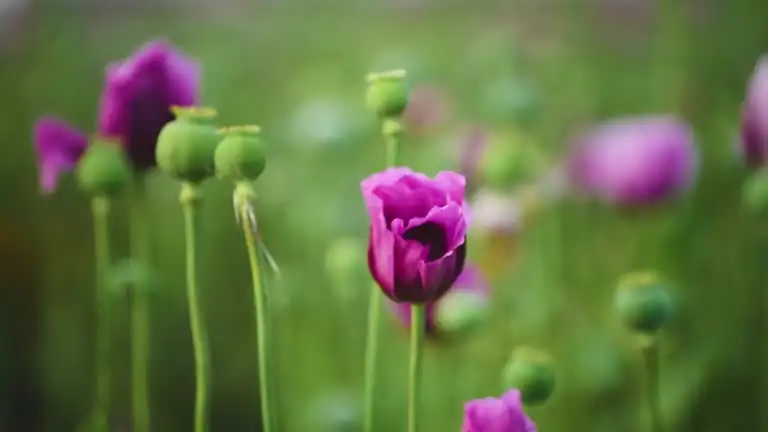
Papaver somniferum is a plant that sits at a fascinating crossroads of beauty and utility. Its large, solitary flowers—ranging in colors from red to pink, and occasionally orange—are a feast for the eyes. Yet, beneath this visual allure lies a more profound, often contentious role in human history.
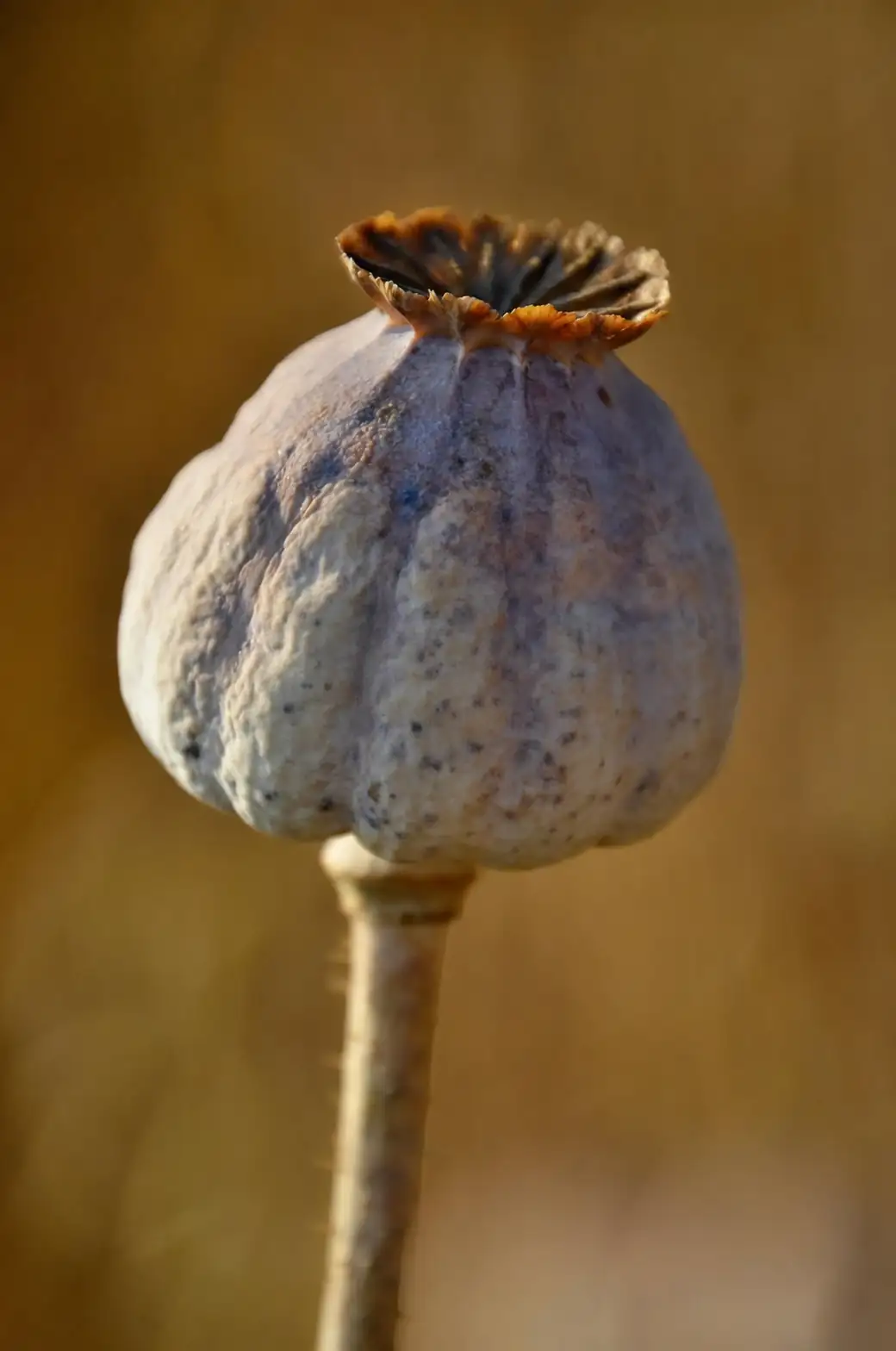
This plant is the source of opium, a substance that has been both a balm and a bane. The opium poppy’s latex, when harvested from its unripe seed capsules, contains potent alkaloids such as morphine and codeine. These compounds have been transformed into powerful medicines that alleviate pain and suppress severe coughs. However, they are also the foundation for some of the world’s most addictive substances.
Cultural Evolution and Symbolism
The duality of the opium poppy is mirrored in its cultural symbolism. While it is often linked with themes of sleep and peace due to its sedative history, it has also become a poignant symbol of remembrance. The red poppy gained international recognition as a symbol for fallen soldiers after the fields of Flanders bloomed with poppies following World War I—a natural memorial immortalized in the poem “In Flanders Fields.”
Moreover, in Greek mythology, the poppy is associated with Demeter, the goddess of the harvest, and Hypnos, the god of sleep, underscoring its role in both renewal and rest.

Modern Uses and Challenges
Today, Papaver somniferum continues to play an essential role in both ornamental gardening and the culinary world. Its seeds, safe for consumption, add a delightful nutty crunch to baked goods and are used in oils. However, the plant’s association with narcotics has made its cultivation a closely regulated affair.
In the realm of medicine, the poppy remains invaluable. Its alkaloids are crucial for manufacturing pain-relief medications, yet this same utility has led to complex legal and ethical debates surrounding its cultivation and use.
Growing the Opium Poppy
For those captivated by its beauty, growing Papaver somniferum presents both an opportunity and a challenge. The plant thrives in full sun and well-drained soil, with a preference for cool climates. Its seeds, remarkably tiny, require light to germinate, making surface sowing essential. Yet, due to its legal restrictions, potential growers must always verify local regulations.
The Legacy of Papaver somniferum
The opium poppy’s legacy is one of beauty interwoven with controversy, a testament to its enduring impact on human society. As we continue to navigate the complexities of its use and symbolism, Papaver somniferum remains a plant that invites reflection on the delicate balance between nature’s gifts and their implications.
In exploring the opium poppy, we uncover not just a plant, but a narrative that spans millennia—a story that continues to unfold, as vibrant and multifaceted as the flowers themselves.


