

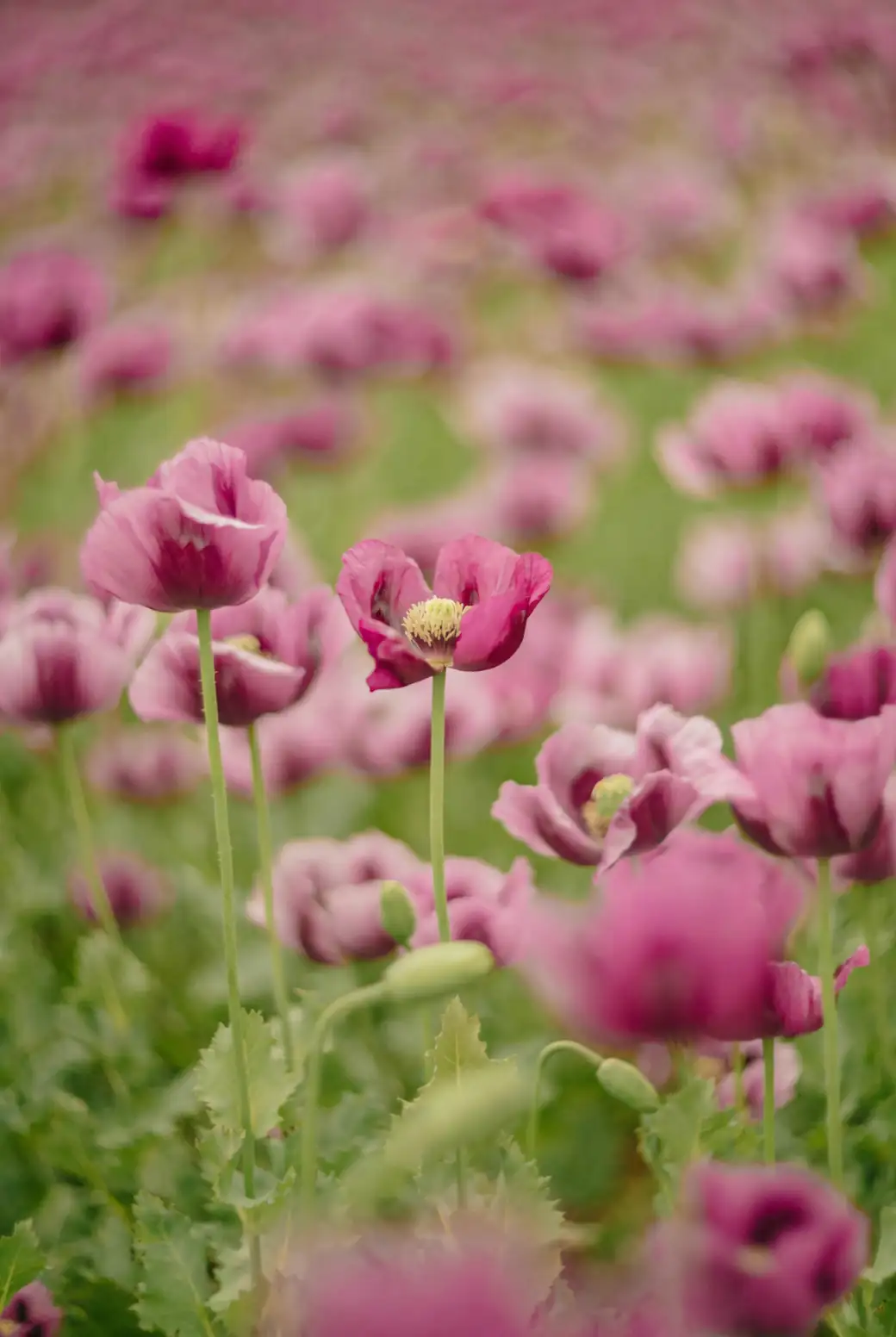
Cultivating Papaver somniferum: A Gardener’s Guide to the Opium Poppy
Imagine a garden with a burst of colors ranging from deep reds to soothing whites, where every breeze adds a gentle rustle to a sea of crinkled petals. Welcome to the world of Papaver somniferum, more commonly known as the Opium Poppy—an enchanting and multifaceted plant that has been cultivated for millennia. While its name may conjure images of ancient apothecaries, this poppy is a charming addition to any garden as long as you navigate its cultivation with care and respect for local regulations.
Choosing the Perfect Spot: Light and Soil
Opium poppies are sun worshippers. To get the most out of their stunning blooms, plant them in an area that basks in full sunlight for at least 6 to 8 hours daily. This not only ensures vigorous flowering but also prevents the lanky, sparse growth that can happen in shadier spots.
When it comes to soil, think light and airy. Well-drained sandy loam or light garden soil with a pH between 6.0 and 7.5 is ideal. These poppies detest soggy conditions, so make sure your chosen plot doesn’t hold water—a recipe for root rot. If your soil leans towards the clay side, consider amending it with sand or organic matter to improve drainage.
Timing is Everything: When and How to Plant
Opium poppies thrive in cool conditions, making timing crucial. Direct sow the seeds in fall or very early spring, when the soil is still cool. This plant doesn’t take kindly to transplanting, due to its sensitive taproot, so sowing directly where you want them to grow is best. Gently press the seeds onto the soil surface, as they need light to germinate, and resist the urge to bury them.
Once sown, patience is key. Germination can take anywhere from 10 to 30 days, with ideal temperatures hovering around 13–15°C (55–59°F). As seedlings emerge, thin them to about 15–30 cm (6–12 in) apart to give each plant room to thrive.
Watering Wisdom: Finding the Balance
Watering your poppies is a bit like Goldilocks’ porridge—it needs to be just right. During germination and early growth, keep the soil lightly moist. Once established, allow the soil to dry out moderately between waterings. Overwatering is a common pitfall, especially given the poppy’s taproot, which is prone to rot if left too wet.
Feeding and Caring: Less is More
Opium poppies are light feeders. In nutrient-rich garden soil, you might find they need no additional fertilizer. If your poppies seem lackluster, a mild, balanced, slow-release feed in early spring can help. Avoid fertilizers high in nitrogen, which could transform your poppy patch into a lush jungle of leaves with few flowers.
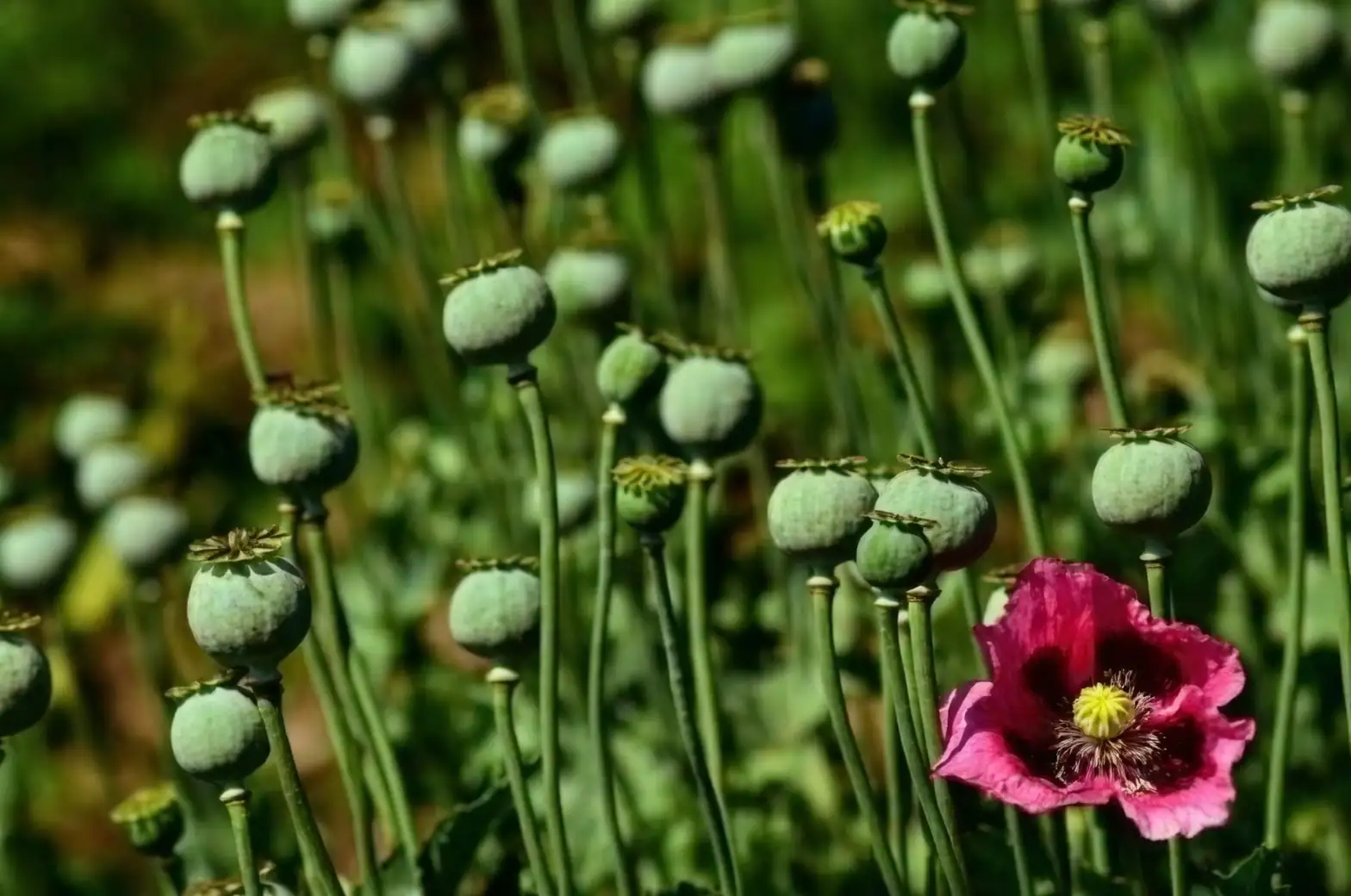
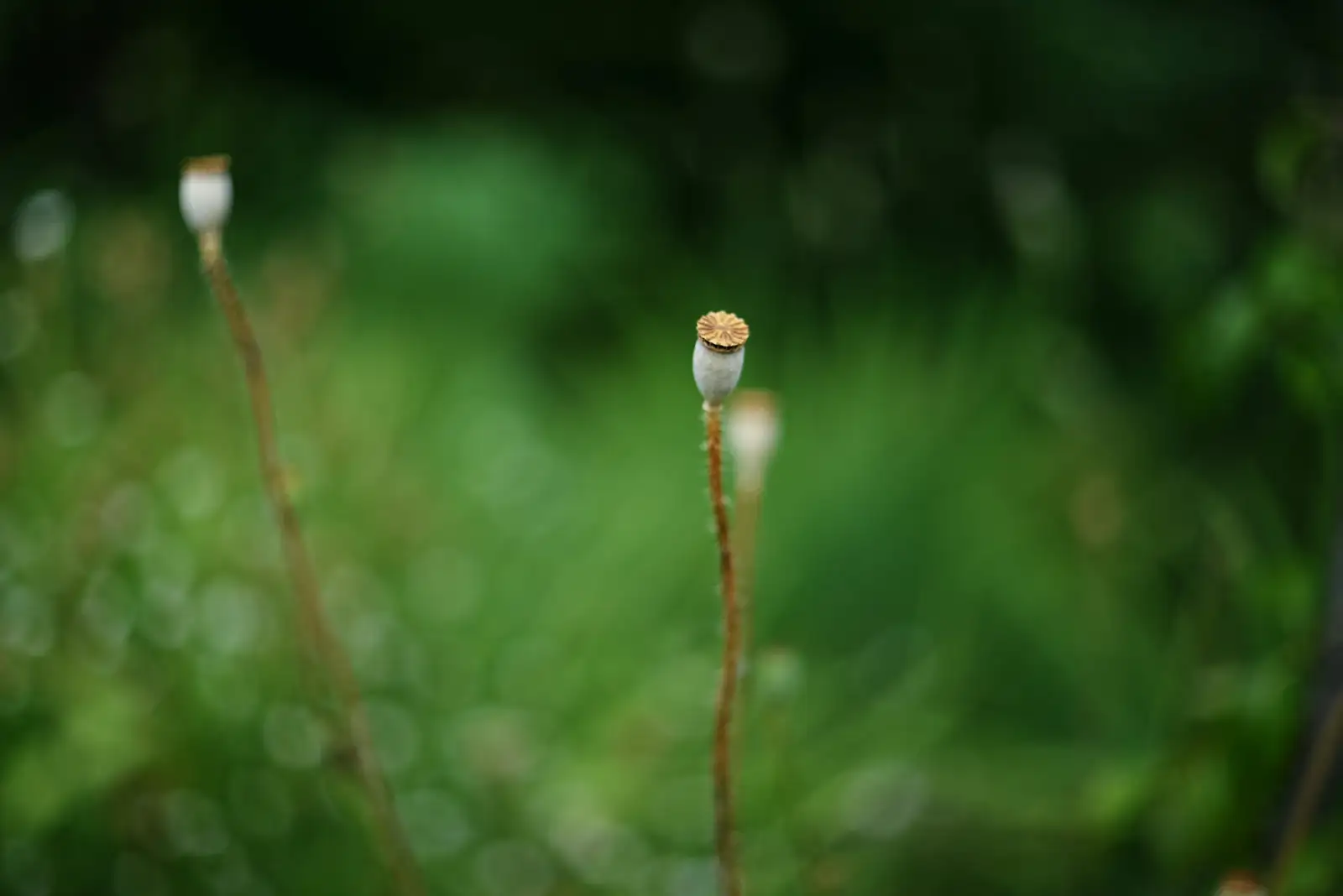
Deadheading spent blooms can extend the flowering season if you wish, but if you’re after seeds, allow some flowers to mature into pods. These pods will eventually dry and can be harvested for seeds, which can be scattered for next year’s crop or stored in a cool, dry place.
Seasonal Considerations: Adapting to Climate
The flowering season for Papaver somniferum typically stretches from late spring to early summer (May to July). In the summer, enjoy the blooms and let the pods mature. Water only during extended dry spells. In suitable climates, sowing in the fall can lead to earlier spring blooms. In winter, plants may overwinter as small rosettes, which can be protected with light mulch in harsher climates.
Guarding Against Pests and Diseases
Like any garden plant, opium poppies aren’t without their challenges. They can attract pests like aphids and thrips, and issues like downy mildew and bacterial blight can crop up in damp, crowded conditions. Encourage good airflow, avoid overwatering, and consider using insecticidal soap or beneficial insects to keep aphids at bay.
A Note on Safety and Legal Considerations
Papaver somniferum is not just a pretty face—its association with opium alkaloids means it is subject to legal restrictions in many areas. Always check local laws before planting. While mature poppy seeds are safe for culinary use, other parts of the plant can be toxic if ingested. Handle with care, and keep out of reach of children and pets.
Conclusion: The Beautiful Balance
Growing Papaver somniferum is a dance between art and science, a touch of patience, and a respect for its storied past. Whether you’re drawn to its ornamental beauty, its historical significance, or its culinary seeds, cultivating opium poppies can be a deeply rewarding experience. Just remember, in the world of opium poppies, balance is key—between sun and shade, water and drought, beauty and responsibility.


