

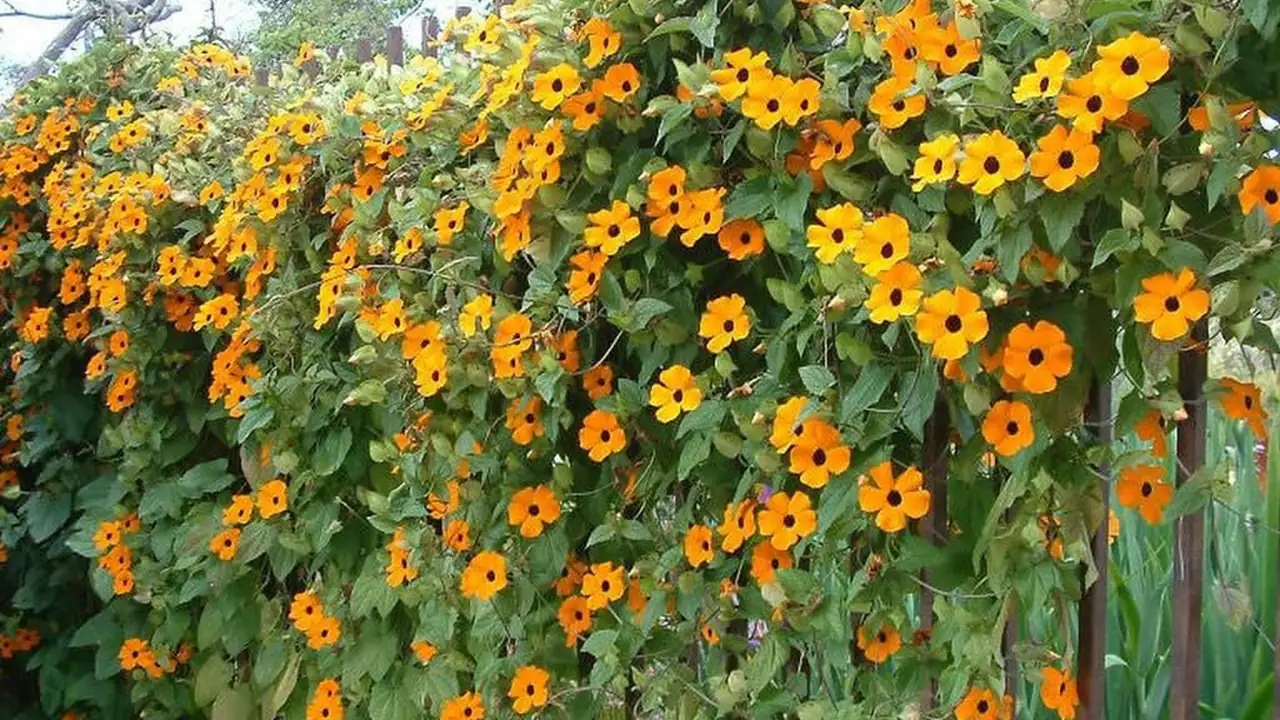
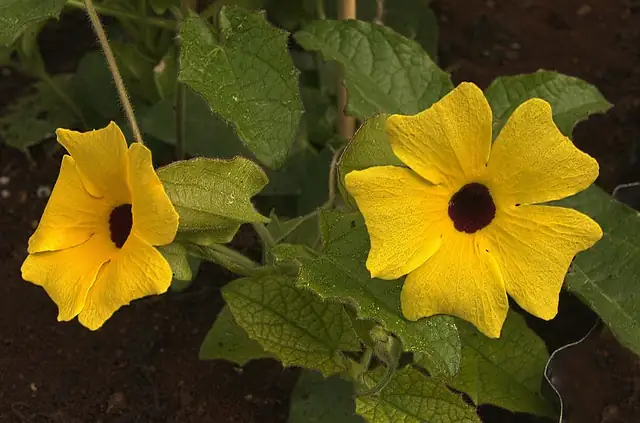
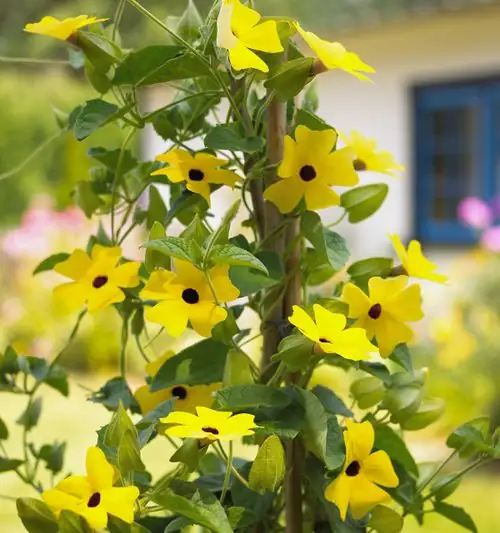
Looking to add a cheerful touch to your garden? Thunbergia alata, commonly known as the Black-eyed Susan Vine, might be just what you need. This vibrant, fast-growing climber is a garden favorite, renowned for its showy trumpet-shaped flowers that flaunt a dramatic dark eye. But what if you could enhance its beauty and boost your garden’s pest resistance with the right plant companions? Let’s explore some ideal partners for your Black-eyed Susan Vine and create an even more stunning garden tapestry.
Why Choose Companion Planting?
Companion planting is more than just an aesthetic choice—it’s a practical gardening strategy. By selecting plants that coexist harmoniously, you can enhance growth, deter pests, and maximize yields. The Black-eyed Susan Vine thrives in full sun, loves climbing, and blooms profusely, which makes it an excellent candidate for companion planting.
Top Companion Plants for Thunbergia alata
1. Zinnias
Zinnias are a perfect pairing with Black-eyed Susan Vine. Their bright, daisy-like flowers complement the vine’s vivid blooms, creating a festival of colors. Zinnias also attract pollinators like bees and butterflies, which can further boost the blooming of your Thunbergia alata.
2. Nasturtiums
These edible, trailing flowers add a splash of color and a peppery twist to your garden ensemble. Nasturtiums are known for their ability to repel pests like aphids, making them a functional and beautiful addition. Plant them near the base of your Black-eyed Susan Vine to create a cascading effect.
3. Morning Glories
Pairing these two climbing plants can create a vertical garden masterpiece. Morning Glories offer a complementary color palette with their pastel hues and share the Black-eyed Susan Vine’s love for basking in the sun. Together, they can transform fences or trellises into living walls of color.
4. Cosmos
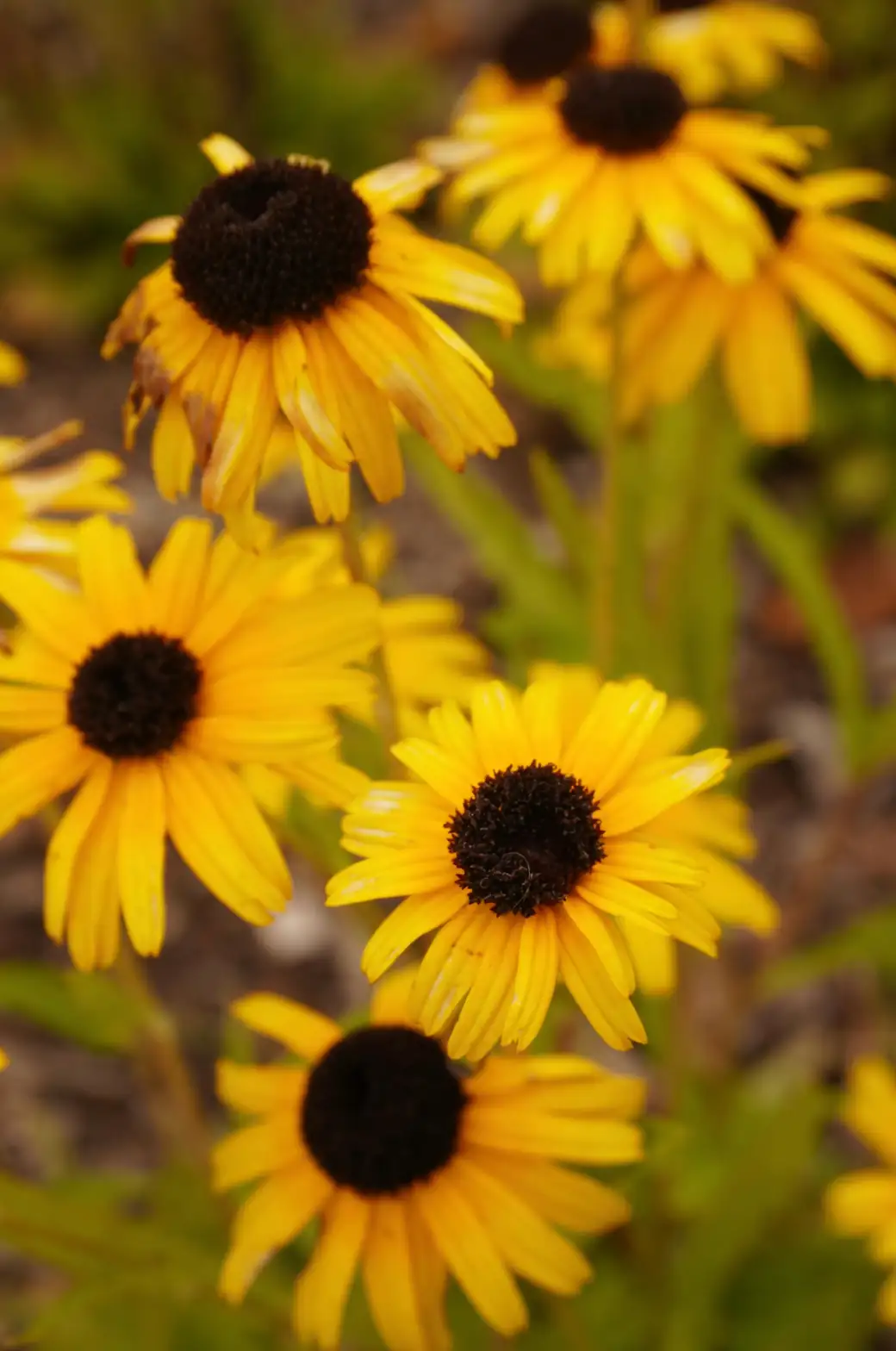
With their airy foliage and delicate blooms, Cosmos add a whimsical touch to any garden. They thrive in similar conditions to the Black-eyed Susan Vine and can help attract beneficial insects, enhancing the overall health of your garden ecosystem.
Enhancing Pest Resistance
While Thunbergia alata is relatively trouble-free, companion planting can bolster its defenses. Here’s how these companions can help:
- Zinnias and Cosmos attract beneficial insects that prey on common garden pests.
- Nasturtiums can serve as a trap crop, luring pests away from your prized Thunbergia alata.
- Morning Glories provide thick foliage that can deter some pests and offer additional habitat for beneficial creatures.
Planting Tips for a Harmonious Garden
- Layout: Position your climbers like Black-eyed Susan Vine and Morning Glories on trellises or fences where they can get plenty of sunlight. Place bushier plants like Zinnias and Cosmos in front to create layers.
- Soil and Watering: Ensure well-draining soil enriched with organic matter for all plants. While Thunbergia alata prefers consistent moisture, be mindful of not overwatering its companions, especially if they are not as thirsty.
- Sun Exposure: All these plants love the sun. Ensure they receive at least 6 hours of direct sunlight daily to thrive.
Embrace the Cheerful Resilience
Often associated with cheerfulness and resilience, the Black-eyed Susan Vine’s symbolic “little dark eye” evokes a sense of joy and perseverance. By choosing the right companions, you can enhance these qualities in your garden, creating a vibrant, harmonious space that’s as delightful as it is functional.
Whether you’re an experienced gardener or a green-thumbed beginner, Thunbergia alata and its companions offer a lively, easy-to-care-for garden experience. So, why not give them a try and watch your garden flourish with color, life, and a touch of magic?


