

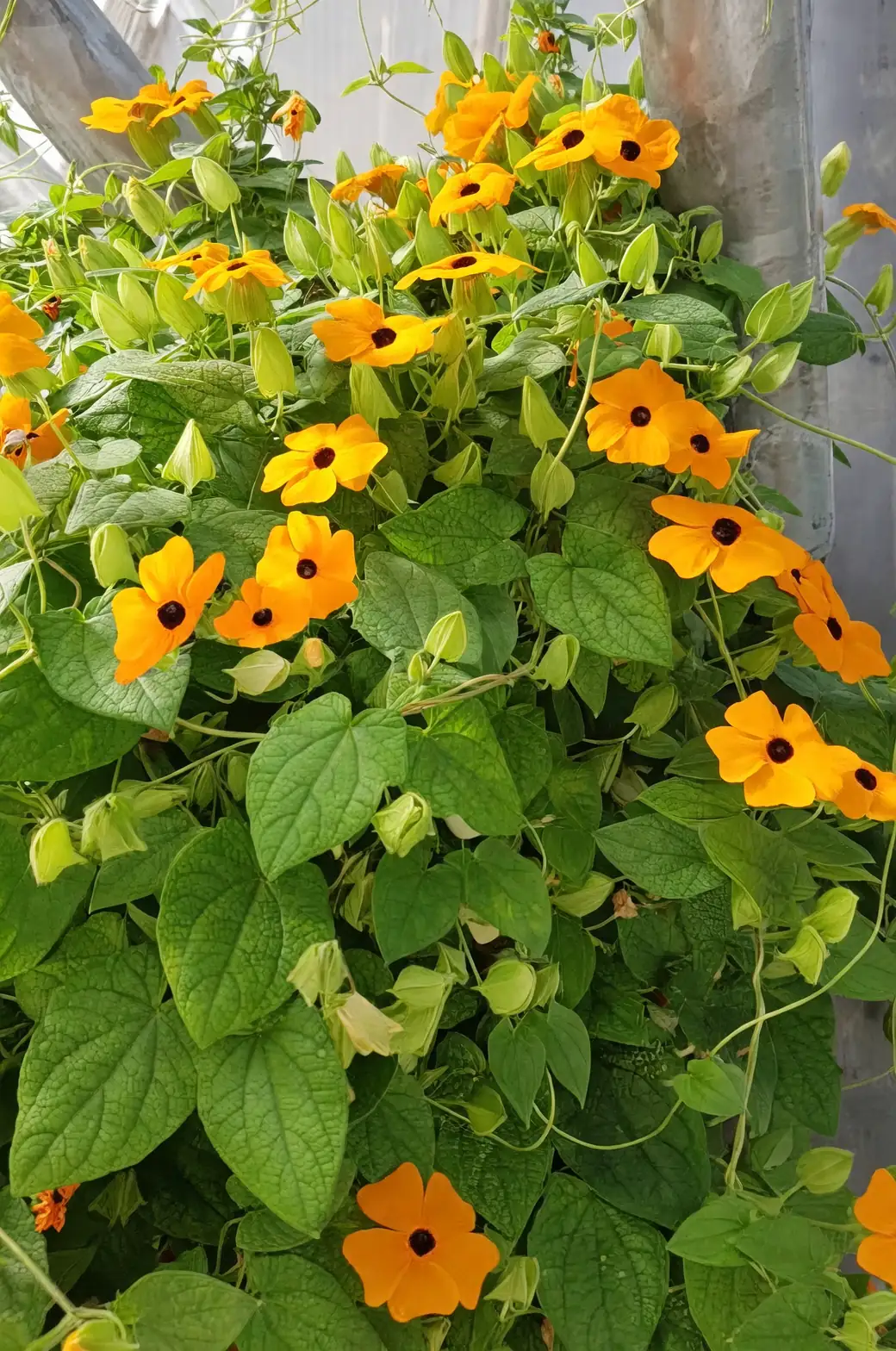
Transforming Vertical Spaces with Thunbergia alata: A Vibrant Guide
Imagine a cascade of bright, cheerful flowers gracing your fence or trellis, each bloom offering a pop of color that demands attention. Meet the Black-eyed Susan Vine, or Thunbergia alata—a plant that’s more than just a pretty face. This tropical twiner is a master at transforming vertical spaces into vibrant displays, making it a must-have for any garden enthusiast looking to make the most out of their small space.
The Magic of Vertical Gardening
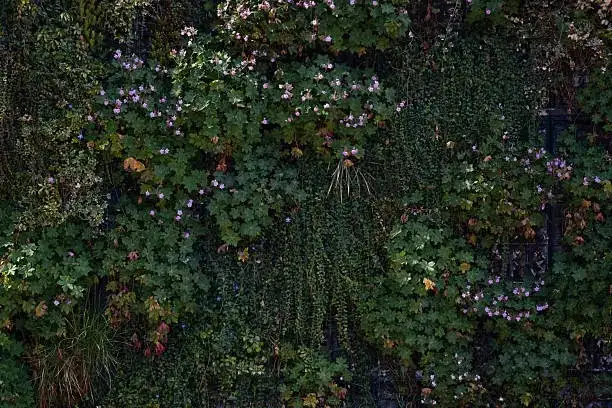
Vertical gardening is like painting your canvas upwards. It’s perfect for those tight on horizontal space but big on creativity. Thunbergia alata, with its rapid growth and generous blooms, is your ideal partner in this endeavor. Whether you’re looking to liven up a dull fence, add charm to a balcony, or create a living wall, this vine’s versatility is unparalleled.
Meet Thunbergia alata: The Climber Extraordinaire
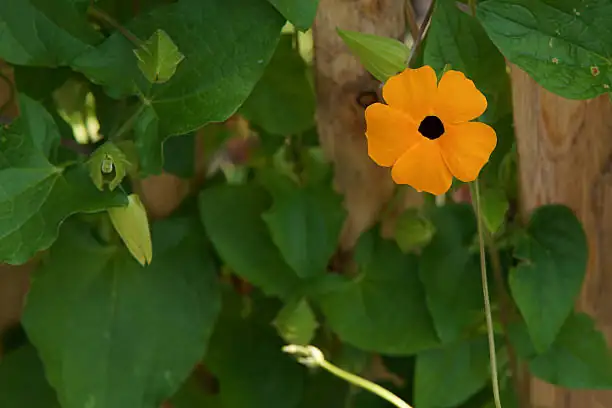
Originating from the tropical regions of East Africa, Thunbergia alata comes from the Acanthaceae family and is renowned for its striking five-petaled flowers that flaunt a dark, dramatic “eye” at the center. These blooms come in a spectrum of hues—orange, yellow, white, pink, red, and delightful bicolors. As it climbs, it twines its stems around supports, making it perfect for trellises, arbors, and fences.
Key Characteristics:
- Growth Habit: Twining vine that can grow up to 3–8 feet as an annual and up to 20 feet in frost-free climates.
- Leaves: Heart-shaped, soft, and lightly hairy with a deep green hue.
- Flowers: Trumpet-shaped, approximately 1.5 inches across, with a unique dark throat.
Creating Your Vertical Paradise
1. Choosing the Right Spot:
For the best show, plant Thunbergia alata in full sun where it receives at least 6 hours of direct sunlight per day. In regions with scorching afternoons, a touch of shade can prevent stress and prolong blooming periods.
2. Providing Support:
While Thunbergia alata can trail beautifully from hanging baskets, giving it a sturdy support structure like a trellis or wire frame is essential if you want it to climb. This allows the vine to display its full vertical potential.
3. Soil and Watering Needs:
Plant your vine in rich, well-draining soil. Keep it evenly moist, especially during dry spells, but be careful not to overwater. A layer of mulch can help maintain soil moisture and reduce watering frequency.
4. Feeding and Pruning:
Feed your vine lightly during active growth with a balanced fertilizer every 4–6 weeks. To encourage more blooms, switch to a phosphorus-rich formula as buds form. Pruning is not necessary for flowering but can keep the plant tidy and encourage bushier growth.
The Joy of Colors and Seasons
From late spring through fall, Thunbergia alata will grace your garden with its vibrant blooms. It’s a visual treat that continues well into the cooler months, often until the first frost. Its long blooming season and ease of care make it a favorite among gardeners who seek beauty without the fuss.
A Symbol of Resilience and Cheer
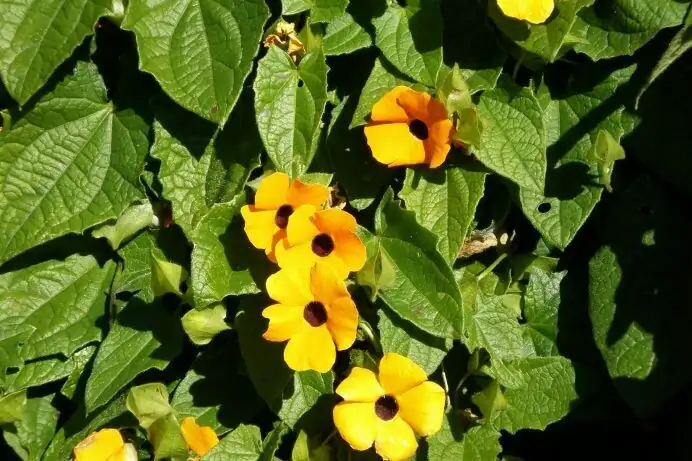
In the language of flowers, Thunbergia alata symbolizes cheerfulness and resilience—apt qualities for a plant that brightens any space with its steadfast blooms. Its striking “eye” seems to gaze back at the world with a smile, reminding us to find joy in the little things.
Troubleshooting and Care Tips
While generally pest and disease-free, keep an eye out for spider mites and whiteflies, particularly in indoor settings or dry conditions. Ensure good airflow to prevent powdery mildew, and treat any pests with insecticidal soap if necessary.
Conclusion
Thunbergia alata isn’t just a plant; it’s an invitation to explore the vertical possibilities of your garden. Whether you’re an urban gardener with a small balcony or someone looking to add a splash of color to a larger space, this vine offers a delightful solution. Embrace the art of vertical gardening and let Thunbergia alata transform your space into a living masterpiece.


