

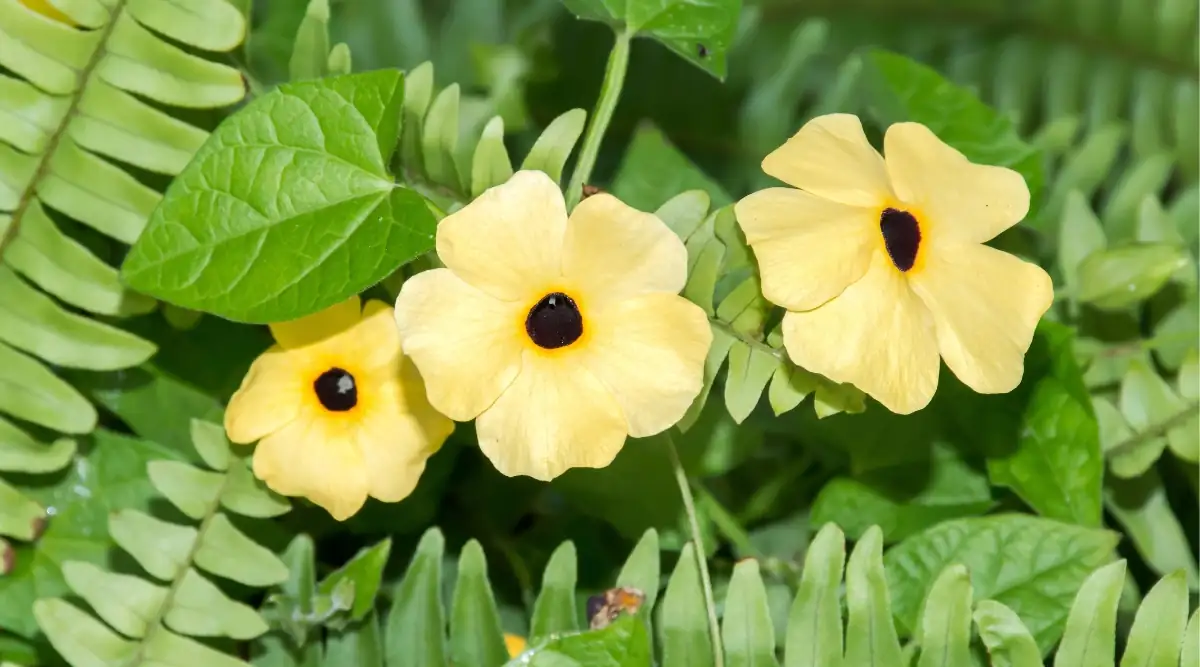
Beneath the cheerful blooms of the Black-eyed Susan Vine, also known scientifically as Thunbergia alata, lurk potential pests and diseases that can threaten its vibrant display. This tropical twining climber, celebrated for its striking flowers and enthusiastic growth, thrives when well-cared for. Let’s delve into identifying and resolving the common challenges that might affect your beloved Black-eyed Susan Vine, ensuring its health and vitality.
Recognizing Common Pests
Spider Mites
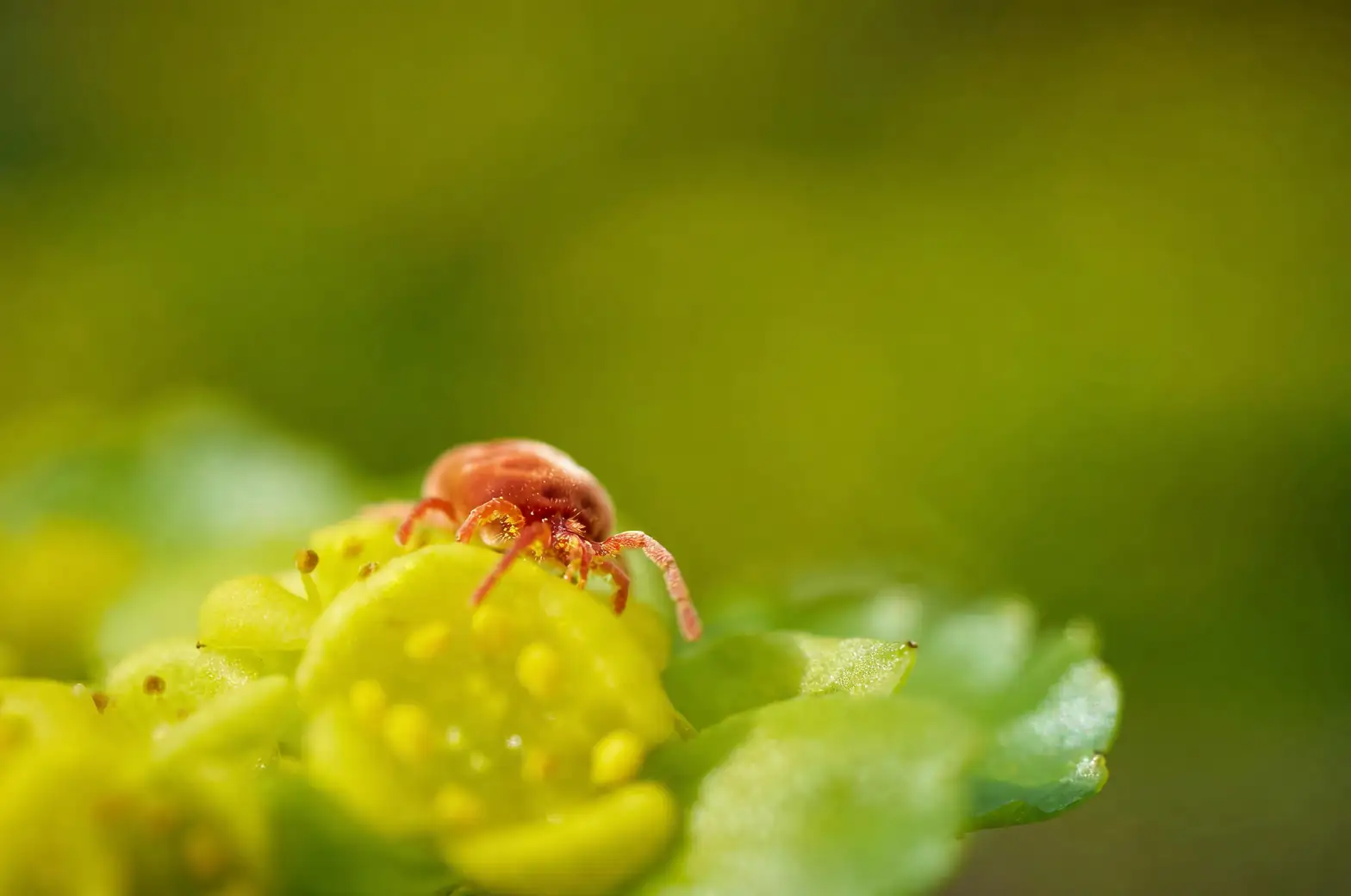
Imagine the smallest of intruders making their home on your vine, weaving delicate webs. Spider mites are notorious for thriving in dry, indoor conditions. They suck the sap from the leaves, leading to a stippled appearance and eventual leaf drop.
Solution: Combat these pests by increasing humidity around your plant and providing good airflow. A strong spray of water can dislodge them. For persistent infestations, use insecticidal soap or horticultural oil.
Whiteflies
These tiny, moth-like insects flutter around when disturbed, leaving behind sticky honeydew that can encourage sooty mold growth.
Solution: Regularly check the undersides of leaves for whiteflies. Employ yellow sticky traps to monitor and reduce their numbers. For severe cases, use insecticidal soap, ensuring thorough coverage of all plant surfaces.
Mealybugs and Scale
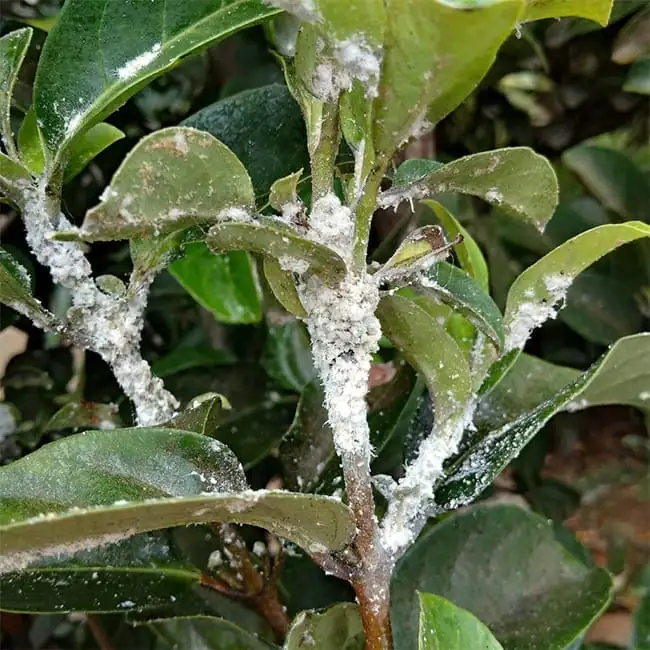
These pests appear as white, cottony masses or waxy bumps on stems and leaves. They, too, sap the plant’s vitality by feeding on its juices.
Solution: Remove them manually with a cotton swab dipped in alcohol. For larger infestations, insecticidal soap or horticultural oil can be effective.
Tackling Common Diseases
Powdery Mildew
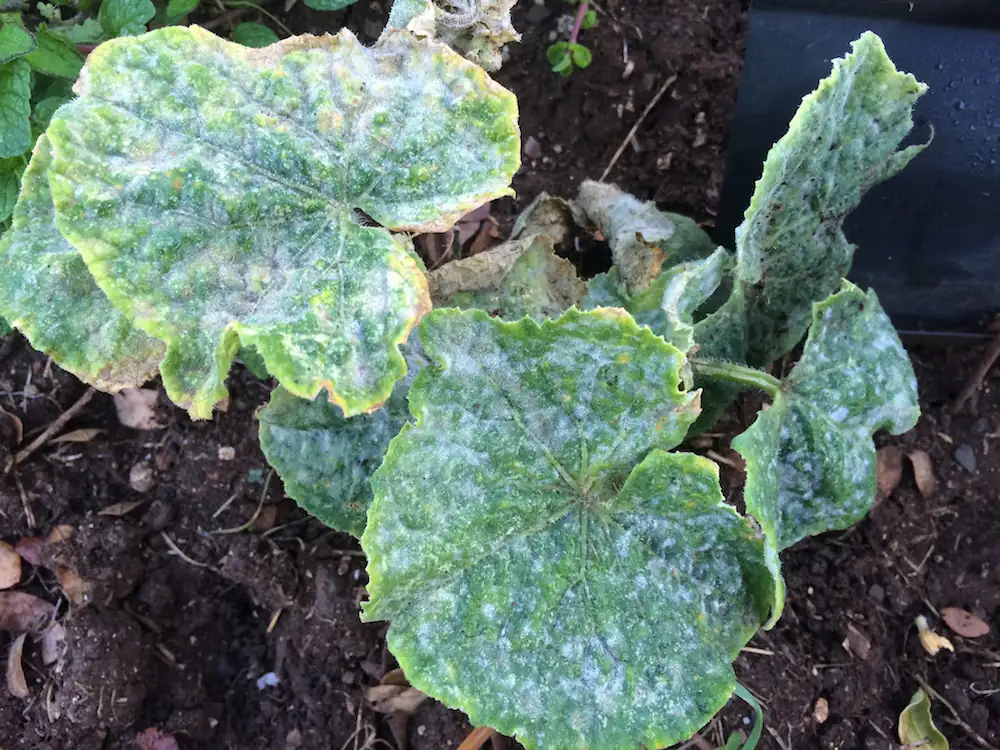
This fungal disease presents as a white, powdery coating on leaves, hindering photosynthesis and weakening the plant.
Solution: Improve air circulation around your Black-eyed Susan Vine and avoid overhead watering. If mildew appears, a fungicide treatment can help manage the spread.
Cultural Care for Prevention
Sunlight and Watering
Your Black-eyed Susan Vine thrives best in full sun, basking in over six hours of daily light. Ensure your plant receives consistent moisture, but avoid waterlogged conditions, which can invite root rot.
Soil and Fertilization
A rich, well-draining soil is ideal. Amend with organic matter to enhance nutrient content. During active growth, feed with a balanced fertilizer every 4–6 weeks. Too much nitrogen can lead to lush foliage but fewer blooms, so switch to a phosphorus-rich formula when buds form.
Pruning and Propagation
While not mandatory for flowering, pinching the tips of young growth encourages bushiness. Trim back long shoots to maintain shape and remove any tired or diseased growth promptly. Propagation from seeds or cuttings is straightforward, allowing you to expand your collection effortlessly.
The Language of Flowers
In the language of flowers, Black-eyed Susan Vine symbolizes cheerfulness and resilience, its bright blooms seemingly smiling back at you. The “black eye,” a deep purple-brown throat, adds a touch of drama and intrigue, making this plant a cheerful addition to any garden.
By staying vigilant and addressing issues promptly, your Thunbergia alata can continue to enchant with its vibrant, cascading blooms. Whether climbing up a trellis or spilling from a basket, this robust vine rewards care with a stunning display from late spring through fall. Keep the pests and diseases at bay, and your garden will be ablaze with color and life.


