A Comprehensive Guide to Propagating Lotus Plants: Division and Seed Techniques
Are you enchanted by the mesmerizing beauty of the lotus, Nelumbo nucifera, with its serene flowers and lush leaves? Whether you’re looking to cultivate a tranquil water garden or simply want to bring a touch of Asian elegance to your patio, propagating lotus plants can be a rewarding adventure. This guide will walk you through two primary methods: division and seed propagation. Both are rewarding in their own right, and each step will bring you closer to a flourishing oasis of lotus blooms.
Propagating Lotus Through Division
Lotus division is like giving your plant a fresh start. It’s akin to a hairdresser’s trim that invigorates new growth and spreads the beauty around.
When to Divide
Spring is the prime time for division. As the weather warms and young shoots begin to emerge, your lotus is ready for a new chapter.

Steps for Division
- Preparation: Carefully remove the plant from its container or pond. This is best done when the soil is moist but not too wet, reducing stress on the plant.
- Identifying Rhizomes: Look for healthy, thick rhizomes. Each should have at least one plump, undamaged growing tip. These are the powerhouses of new growth.
- Separation: Gently separate the rhizomes, ensuring each piece has a viable growing tip. Be cautious—these tips are delicate!
- Replanting: Place each rhizome in heavy, mud-like soil. Position them horizontally with the growing tip facing upwards. Cover lightly with soil to protect them.
- Watering: Maintain a water level of about 6-12 inches above the soil. This steady moisture is the lifeblood of your lotus.
- Sunlight: Ensure your lotus enjoys full sun—at least 6-8 hours a day. This light is crucial for vigorous growth.
Troubleshooting Tips
- Broken Tips: If a growing tip breaks, don’t worry too much. While it may delay growth, the rhizome can still recover.
- Overcrowding: Avoid planting too many rhizomes in one area. Each needs space to thrive.
Propagating Lotus from Seed
Growing lotus from seed is a journey of patience and wonder, echoing the timeless cycle of life that the lotus itself symbolizes.
Steps for Seed Propagation
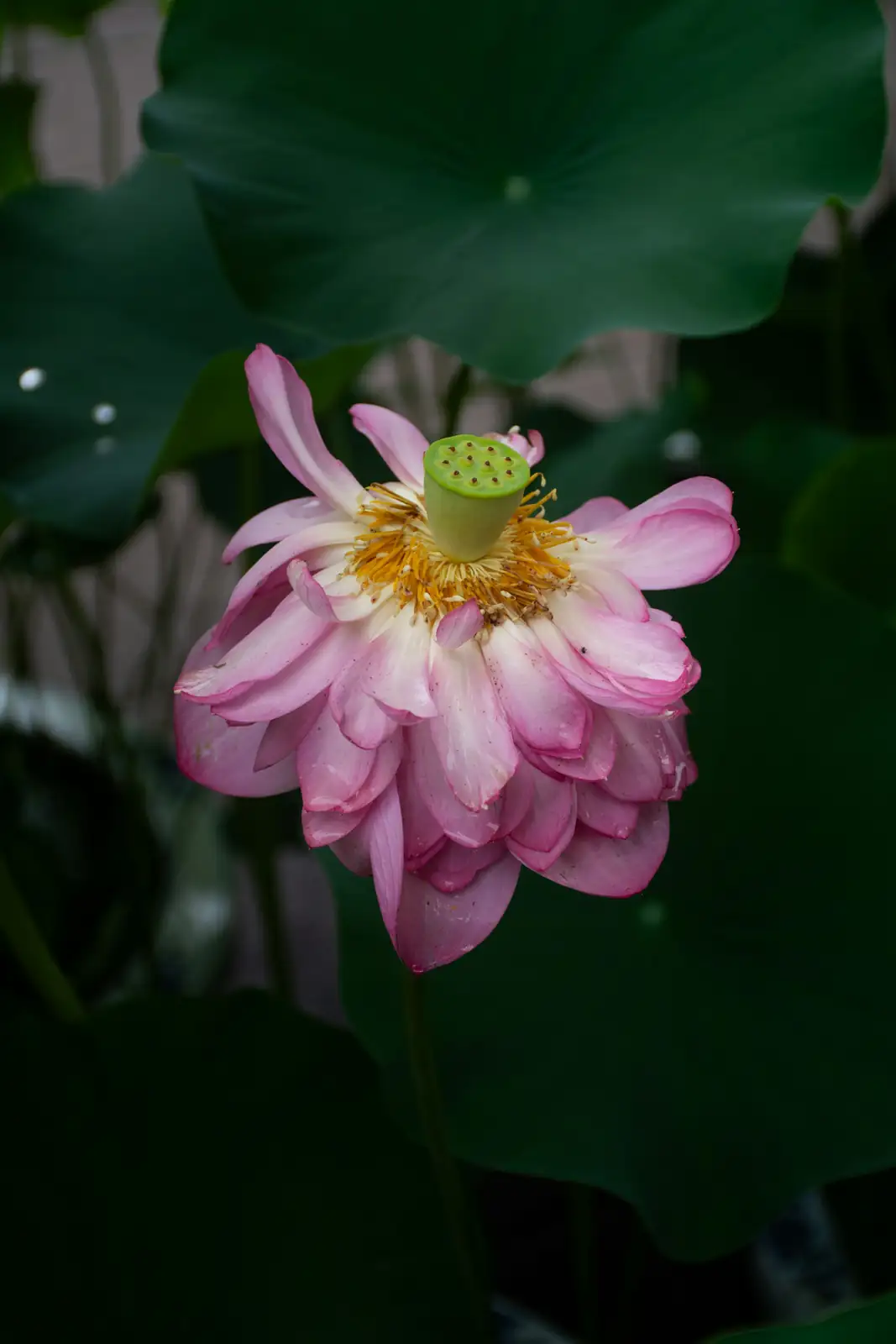
- Select Seeds: Choose mature, hard seeds, similar to tiny acorns. They should be dark brown, indicating dormancy.
- Scarification: Gently file or sand one end of each seed until the cream-colored inner layer is visible. This allows water to penetrate and awaken the seed.
- Soaking: Place the seeds in warm water and set them on a sunny windowsill. Change the water daily to prevent bacteria growth. In about a week, watch as life unfurls!
- Early Growth: Once sprouts reach about four inches, transfer them to a shallow dish with clay-rich soil and more water.
- Transplanting: As the seedlings grow stronger over 4-6 weeks, move them to their permanent aquatic home, ensuring they have plenty of sunlight and water warmth.
Ideal Conditions
- Temperature: Maintain water temperatures between 75-87°F to mimic the lotus’s native warm habitats.
- Light: Bright, indirect sunlight is best during the germination phase, transitioning to full sun as they mature.
Troubleshooting Tips
- Rotting Seeds: Avoid waterlogging by ensuring good drainage and changing the soak water regularly.
- Slow Growth: Patience is key. Ensure ample warmth and sunlight to encourage development.
Caring for Your Lotus
Now that your lotus is growing, maintaining its health is vital for a show-stopping display.
- Fertilization: Use aquatic fertilizers during the growing season, typically every 2-4 weeks. Focus on phosphorus-lean formulas as buds form.
- Pruning: Remove spent flowers and yellowed leaves to keep your lotus tidy and healthy. Avoid cutting stems below the waterline.
- Winter Care: In cooler climates, ensure rhizomes are protected from freezing. Submerge containers below the freeze line or overwinter indoors.
The Resilient Beauty of Lotus
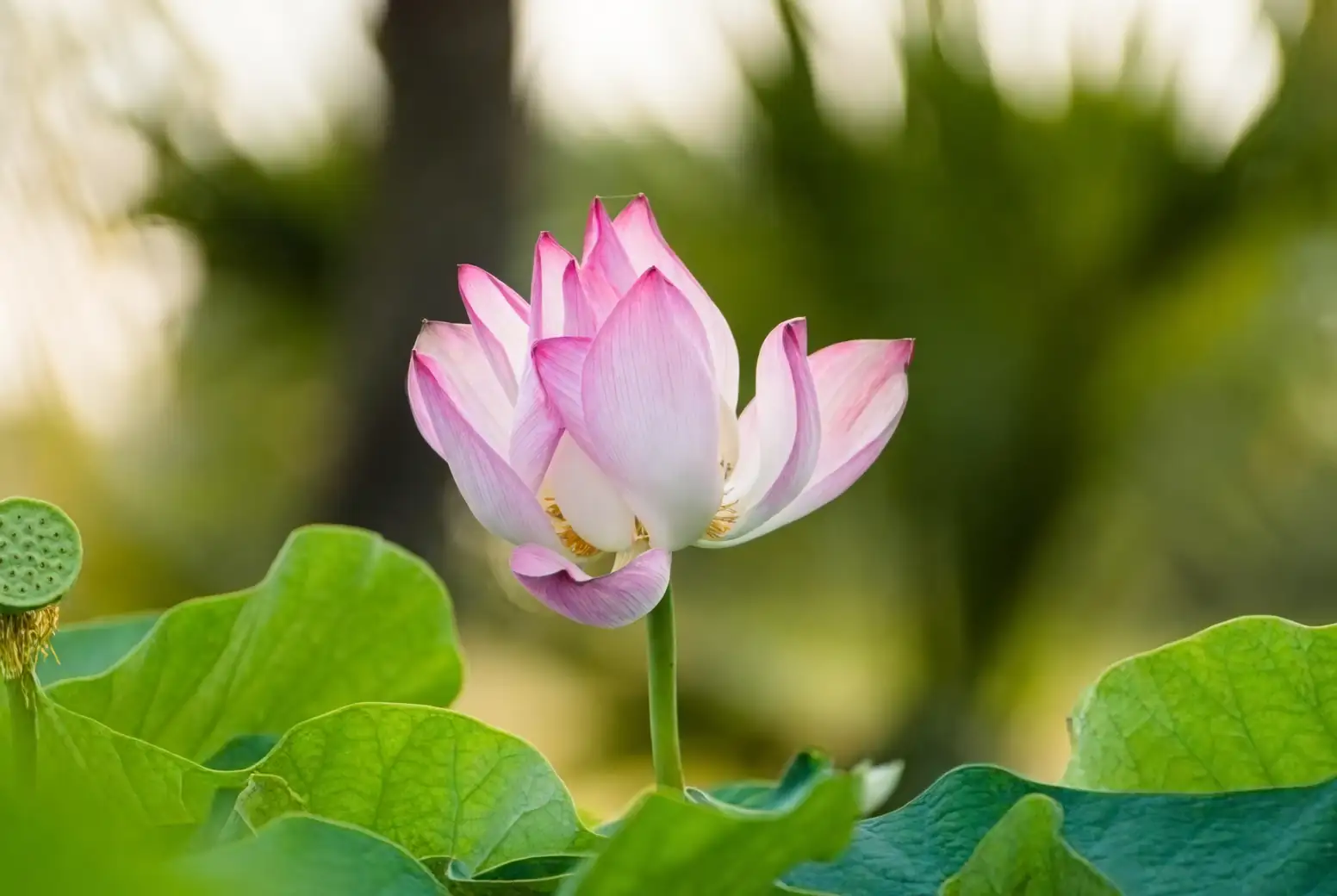
The lotus is more than just a plant—it’s a symbol of purity, resilience, and rebirth. In many Asian cultures, it’s revered for its ability to rise above the mud and bloom with pristine beauty. This symbolism is deeply rooted in Buddhist and Hindu traditions, where the lotus represents spiritual awakening and enlightenment.
By propagating lotus, you’re not only cultivating a stunning aquatic showpiece but also participating in a rich tradition that celebrates life’s enduring beauty. Whether through division or seed, each method offers a unique journey, resulting in a flourishing lotus that will captivate the senses and soothe the soul. Happy gardening!