

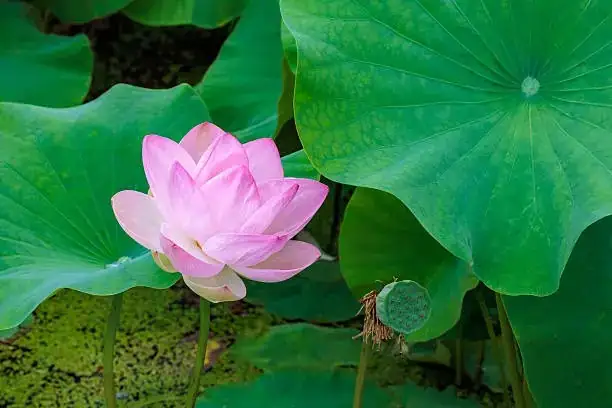
Nelumbo nucifera, commonly known as the Lotus, is a plant of profound beauty and deep cultural significance. This iconic aquatic perennial, native to Asia and northern Australia, captivates with its ability to rise from the mud, symbolizing purity and enlightenment across various cultures. As gardeners, we can nurture this remarkable plant to achieve lush growth and vibrant blooms, transforming our water gardens into serene sanctuaries. Here’s your hands-on guide to mastering the art of lotus care.
The Art of Water Management
Water is life to the lotus, and managing it correctly is key to the plant’s vitality. Unlike terrestrial plants, think in terms of water depth instead of traditional watering. Here’s how you can get it right:
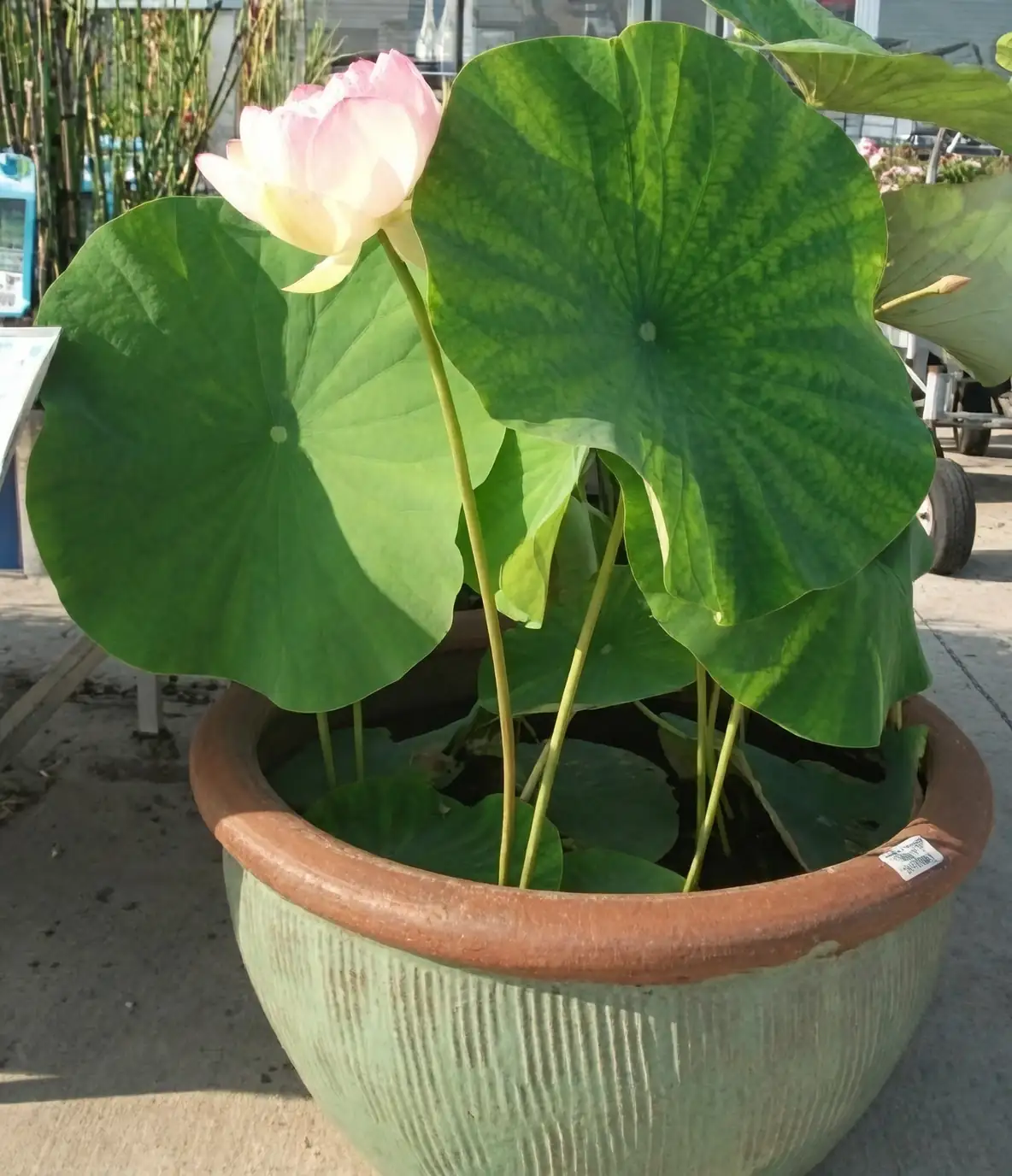
- Water Levels: Start with water about 6–10 cm (2.4–3.9 in) above the soil in spring. As the lotus grows stronger, increase the depth to around 15–45 cm (6–18 in) for standard varieties. Dwarf and mini types prefer shallower conditions of about 5–30 cm (2–12 in). The secret is consistency—never let the water level drop below the soil, and avoid sudden, deep inundations that can submerge leaves for extended periods.
- Container Considerations: In containers, ensure a stable water level. A wide, stable container helps prevent tipping and allows ample space for rhizome expansion.
Sunlight: The More, The Merrier
Lotus thrives in full sun, which is crucial for robust growth and prolific flowering. Aim for at least 6–8 hours of direct sunlight daily. While lotus can tolerate some light shade during extreme heat, insufficient sunlight results in weak growth and fewer flowers. Choose the sunniest spot in your garden to place your lotus, whether in a pond or a container.
Seasonal Care Tips
Spring: Awaken and Energize
As temperatures rise, your lotus will begin its annual resurgence. Floating leaves will appear first, followed by upright leaves.
- Repotting and Division: Spring is the perfect time to repot or divide your lotus. Handle the fragile growing tips of rhizomes with care to avoid damage.
- Fertilization: Begin feeding once you see upright leaves. Use pond or aquatic fertilizer and continue every 2–4 weeks throughout the growing season.
Summer: The Season of Splendor
Summer is when lotus shows its true glory, with fragrant blooms and vigorous growth.
- Maintain Water Levels: Keep water levels consistent as described and ensure the plant receives full sun.
- Feeding Frenzy: Increase the frequency of feeding compared to hardy waterlilies, as lotus demands more nutrients to sustain its growth and flowering.
Autumn: Preparing for Rest
As the days shorten, it’s time to prepare your lotus for dormancy.
- Fertilization Cessation: Stop fertilizing to allow the plant to transition into dormancy naturally.
- Seed Pod Harvesting: If you wish to collect seeds, autumn is the time to do so. Lotus seeds are known for their extraordinary longevity.
Winter: The Resting Phase
In cooler regions, lotus dies back to its rhizomes, which go dormant.
- Freeze Protection: In-ground lotus can survive winter if rhizomes remain below the freeze line. For container-grown plants, overwinter them in a frost-free place to prevent freezing.
Troubleshooting: Pests and Diseases
While generally hardy, lotus can fall victim to pests like aphids, whiteflies, and spider mites. Slugs and snails may also chew through leaves. Maintain good water quality and remove badly affected leaves to manage these issues. Use controls safe for aquatic environments to avoid harming the ecosystem.
Embrace the Lotus Effect
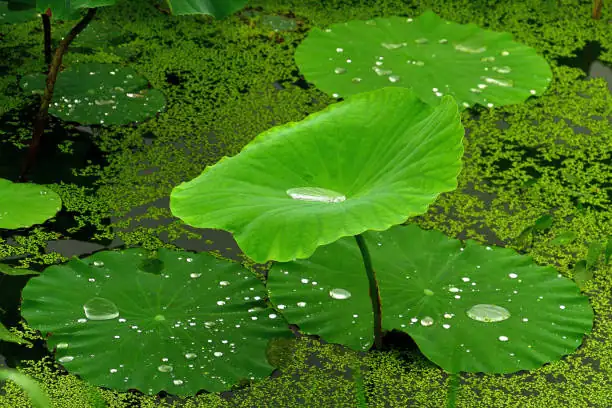
The lotus leaf’s superhydrophobic surface, known as the “lotus effect,” inspired modern self-cleaning materials. Water beads and rolls off the leaf, taking dirt with it. This natural marvel exemplifies the plant’s elegance and resilience.
In conclusion, cultivating Nelumbo nucifera is a rewarding endeavor that brings both beauty and tranquility to your water garden. By mastering water management, ensuring ample sunlight, and following seasonal care tips, you can enjoy the full splendor of this sacred plant. Let your lotus rise from the mud, a testament to purity and inner strength, blooming gloriously in your garden for years to come.


