

Adam’s Needle: Mastering the Art of Yucca filamentosa Care
A Stalwart of the Garden
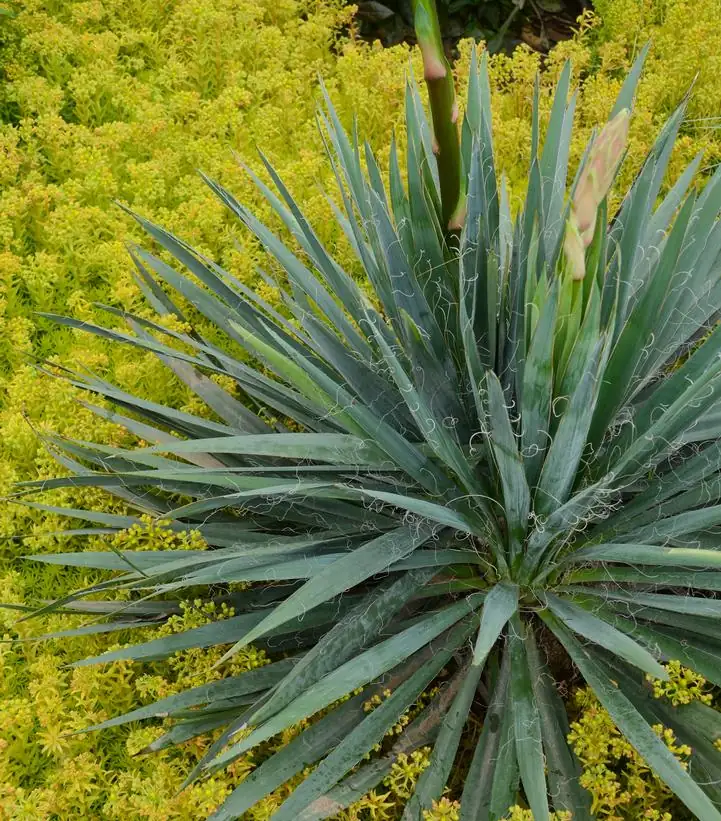
Welcome to the world of Yucca filamentosa, more commonly known as Adam’s Needle—a name that conjures images of resilience, protection, and fresh starts. This striking plant, with its sword-like leaves edged with curly white threads, is not just a feast for the eyes but also a stalwart guardian, thriving where many others falter. Whether you’re an experienced gardener or a novice plant parent, understanding the specific care needs of this plant can transform your garden or indoor space into a veritable desert oasis.
Sunlight: The Essential Ingredient
For Adam’s Needle, sunlight is its lifeblood. Imagine it basking under the full, unrelenting sun—its leaves soaking in the rays to power robust growth and dramatic blooms. Full sun is ideal, but it also tolerates bright light. If you’re growing it indoors, situate it near your sunniest window to simulate the outdoors. Consider this plant your personal solar panel, transforming sunlight into a tower of creamy-white blooms that appear in late summer.
Watering Wisely: Less is More
Watering Yucca filamentosa is like crafting a fine wine—patience and timing are everything. In the wild, these plants endure drought with ease, so overwatering is the cardinal sin that can lead to root rot and plant decline. If planted outdoors, aim to water deeply but infrequently, approximately every 1-2 weeks during hot spells, and reduce significantly in cooler months. For potted plants, let the top two inches of soil dry out before quenching their thirst. Remember, an Adam’s Needle can handle a dry spell far better than a waterlogged soil bed.
Seasonality: Embracing Nature’s Rhythm
Adam’s Needle is a plant of the seasons, each phase of its life cycle synchronized with nature’s tempo. In spring, prepare for a burst of growth by resuming more regular watering. This is also the ideal time for repotting and propagation. Come summer, it’s all about sun-drenched days and occasional feeding with a balanced fertilizer every 2-3 months to fuel the spectacular flower spikes. As autumn approaches, scale back watering and let the plant ease into its winter dormancy, keeping it much drier and safe from soggy soils.
Soil and Placement: Setting the Stage for Success
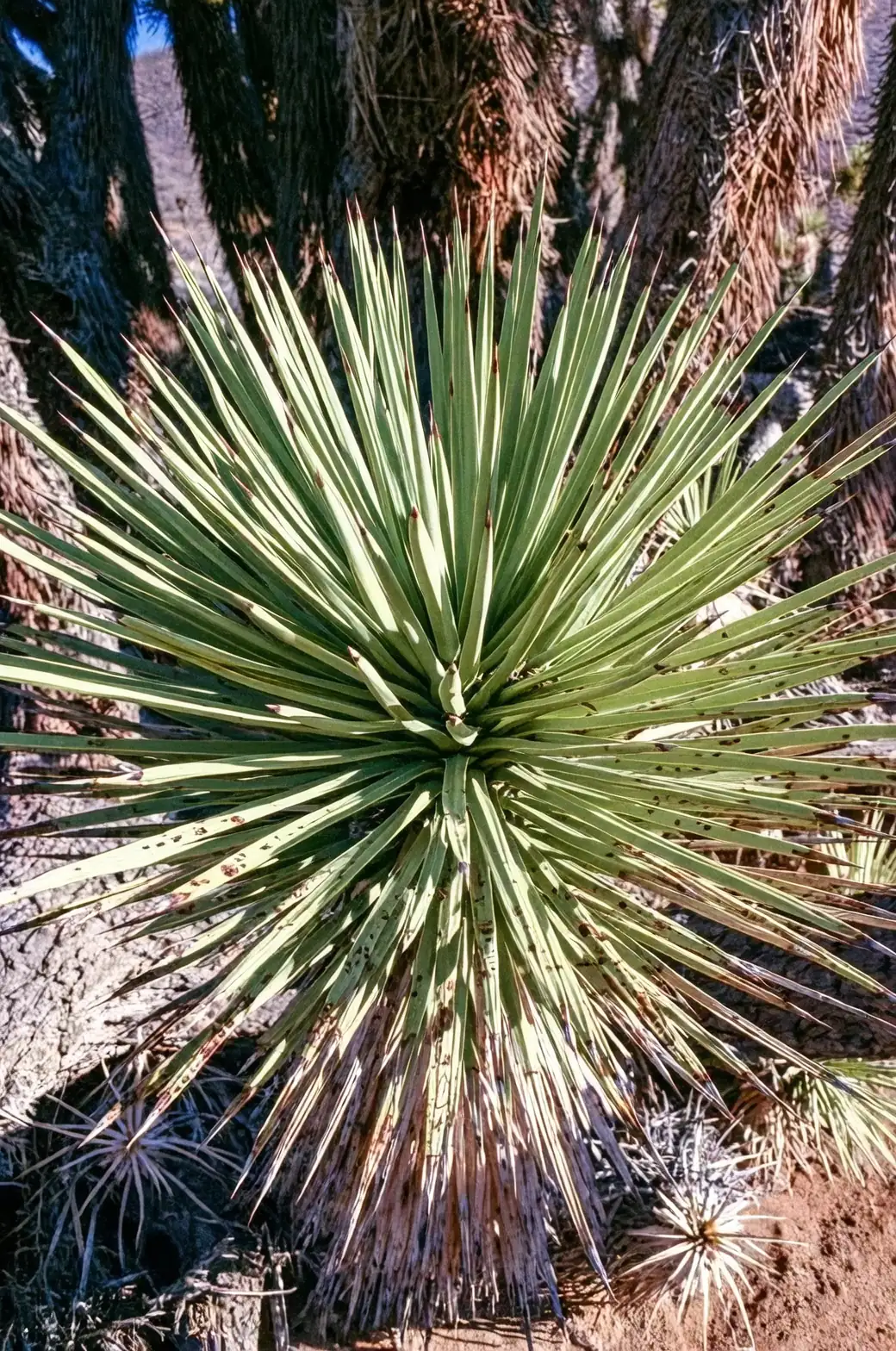
The secret to a thriving Yucca filamentosa lies in well-draining soil, much like the gritty desert landscapes it calls home. A sandy loam or a gritty mix amended with perlite or grit is perfect. Outdoors, they are stunning additions to sunny borders, rock gardens, and xeriscapes. Indoors, ensure you use a heavy pot to prevent tipping and keep in mind that sharp leaf tips need room, away from high-traffic areas.
Pruning and Propagation: The Careful Art of Cultivation
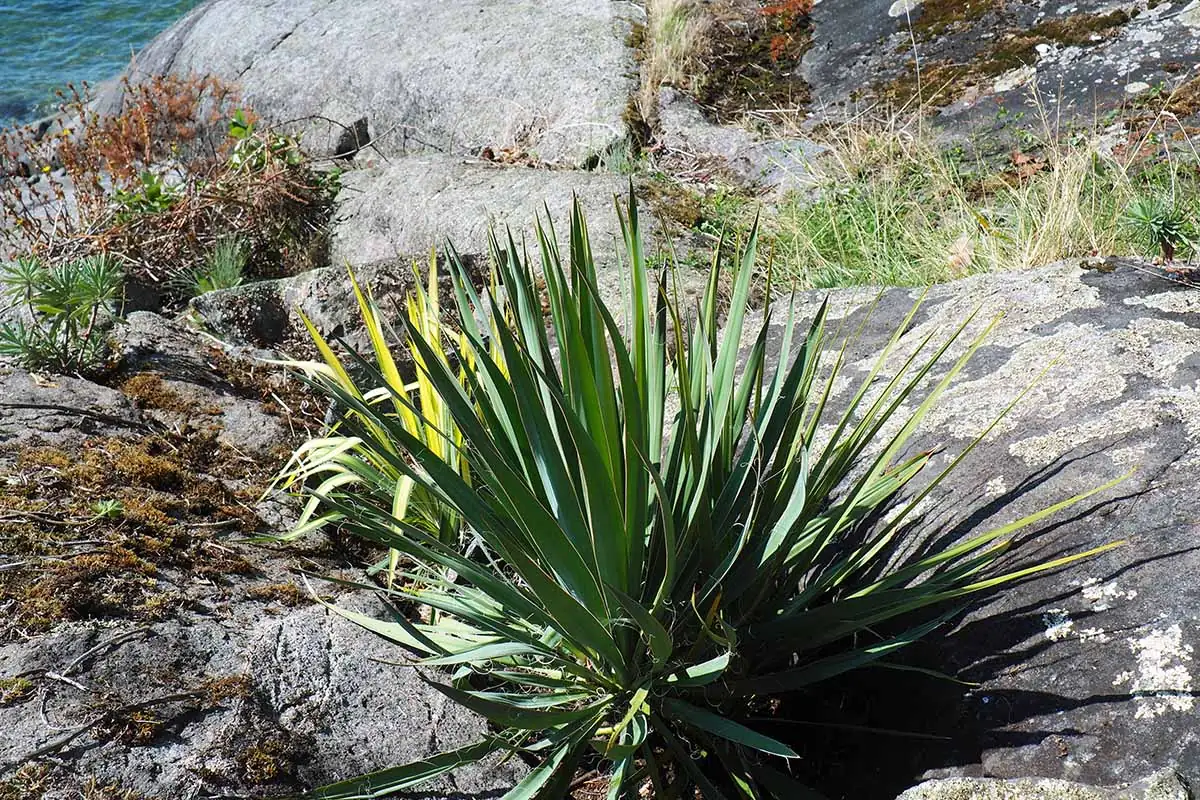
Pruning Yucca filamentosa is about tidying up and encouraging new growth. After flowering, snip the spent stalks near the base. Yellowing lower leaves are a natural occurrence and can be removed as needed—just watch out for those sharp tips! Propagation is best achieved through division or offsets (pups), which can be separated in spring or fall. Each division should have roots to ensure successful establishment.
A Plant of Resilience and Legend
Symbolically, Adam’s Needle stands for resilience and endurance—a fitting testament to its ability to thrive against the odds. Historically, it has been a valuable resource for Indigenous peoples, its strong fibers and saponin-rich roots used for cordage and soap, respectively.
Common Challenges: Troubleshooting Tips
While generally hardy and trouble-free, Yucca filamentosa can sometimes face pests like scale insects or mealybugs, especially indoors. Outdoors, aphids may visit the flower stalks. Promote good airflow, water at the base, and treat pests with insecticidal soap if necessary. Remember, yellowing leaves might simply be the plant’s natural aging process, but excessive yellowing could indicate overwatering.
A Final Word
Yucca filamentosa, with its architectural form and robust nature, is a testament to the beauty of the desert brought into our homes and gardens. With the right care, it can serve as a dramatic focal point and a living symbol of strength and endurance. So, are you ready to invite the desert’s allure into your space?


