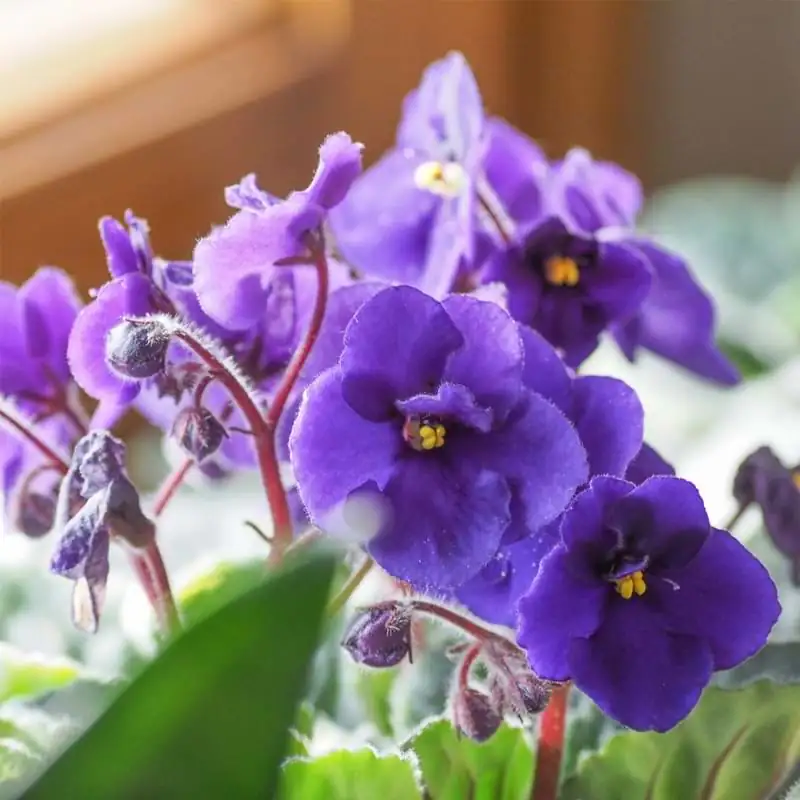
In the world of houseplants, the African Violet, scientifically known as Streptocarpus ionanthus, stands as a beloved gem, not just for its beauty, but for its rich symbolism and cultural significance. Known also by names like Cape Violet and Usambara Violet, this plant carries messages that go beyond its velvety leaves and vibrant blooms. Let’s take a deep dive into the world of African Violets and explore the symbolic tapestry they weave.
The Language of Flowers: More Than Just Petals
Flower language, or floriography, has long been a means of expression where words might fail. During the Victorian era, flowers were a covert way to convey emotions and messages, each bloom carrying its own unique story. African Violets are no exception. Their symbolism is steeped in themes of devotion, loyalty, and enduring love. These sentiments are beautifully encapsulated in their diverse color palette—purple speaks of loyalty and wisdom, blue whispers of tranquility, white radiates purity, and pink conveys gentle affection.
Spirituality and Serenity
Beyond emotional symbolism, African Violets are also seen as spiritual tokens. In many cultures, they are associated with serenity and grace, offering a sense of peace and spirituality to those who tend to them. Their presence in a room is akin to a gentle reminder of faithfulness and devotion, making them a perfect gift for loved ones.
A Triumph of Care and Expertise
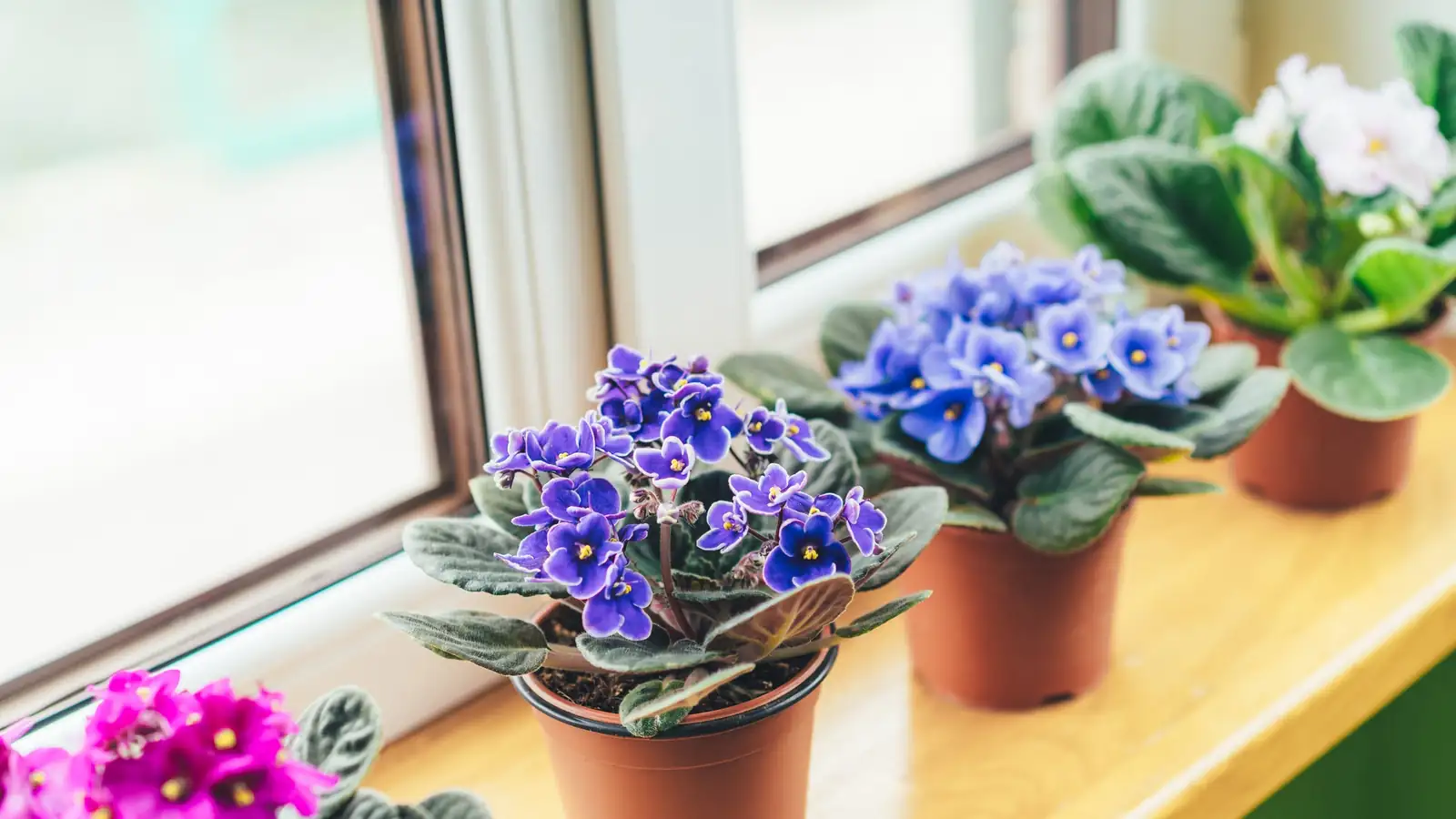
For the aficionado, growing African Violets is not merely a pastime; it’s a testament to horticultural prowess. A plant in full bloom isn’t just a visual delight; it’s a sign of successful care—a high-five from the plant world. Robust blooms tell the tale of optimal conditions, while sparse flowering gently nudges the grower to tweak their care routine.
The Perfect Home Companion
African Violets are tailored to indoor life, thriving in bright, indirect light—akin to the gentle glow of an east-facing windowsill. Their compact size and year-round blooming capacity make them a favorite for adding a splash of color to desks and windowsills. But beware the harsh midday sun; these plants prefer to bask in the soft glow of filtered light, much like a sunbather under a beach umbrella.
Care and Nurture: A Balancing Act
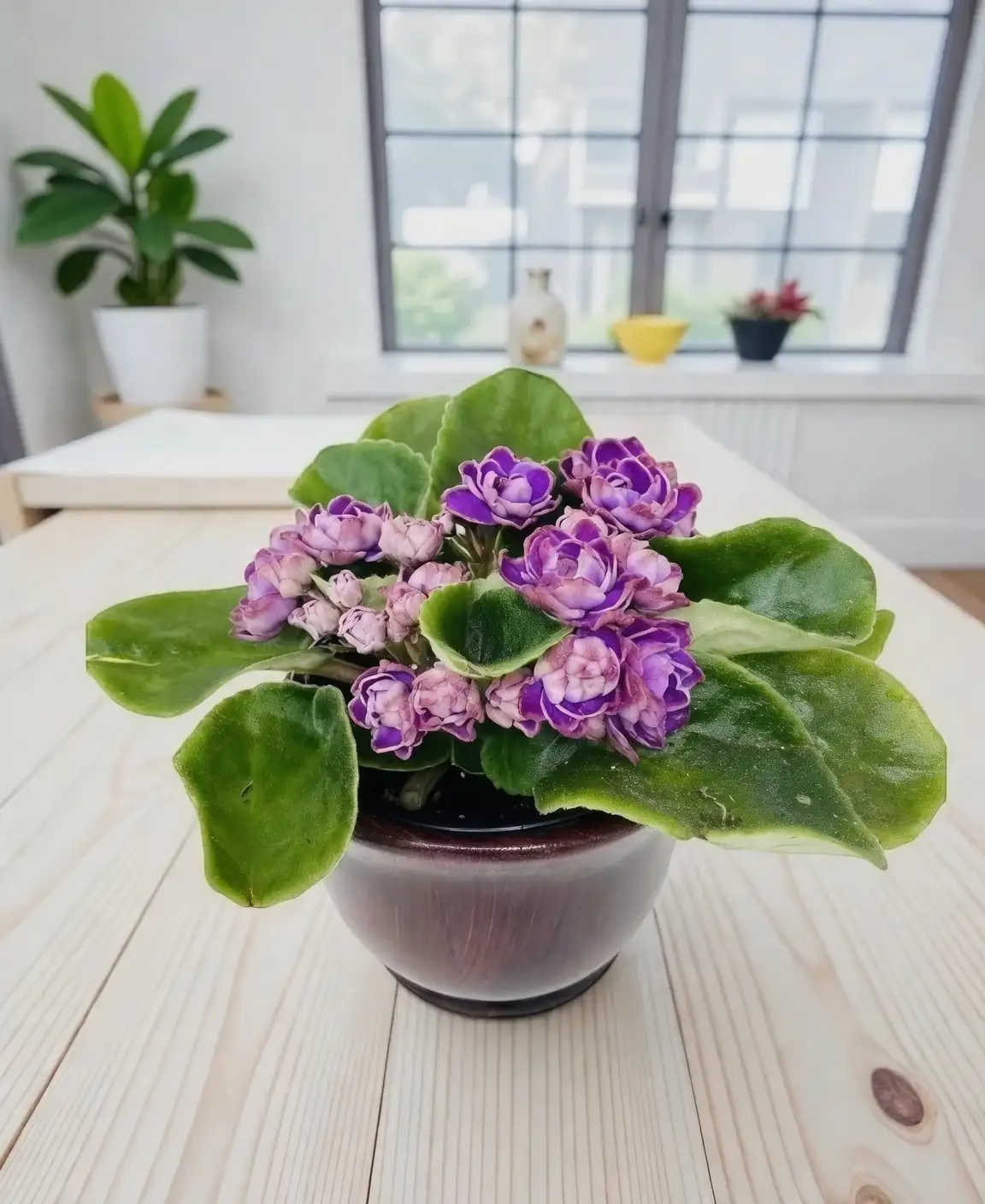
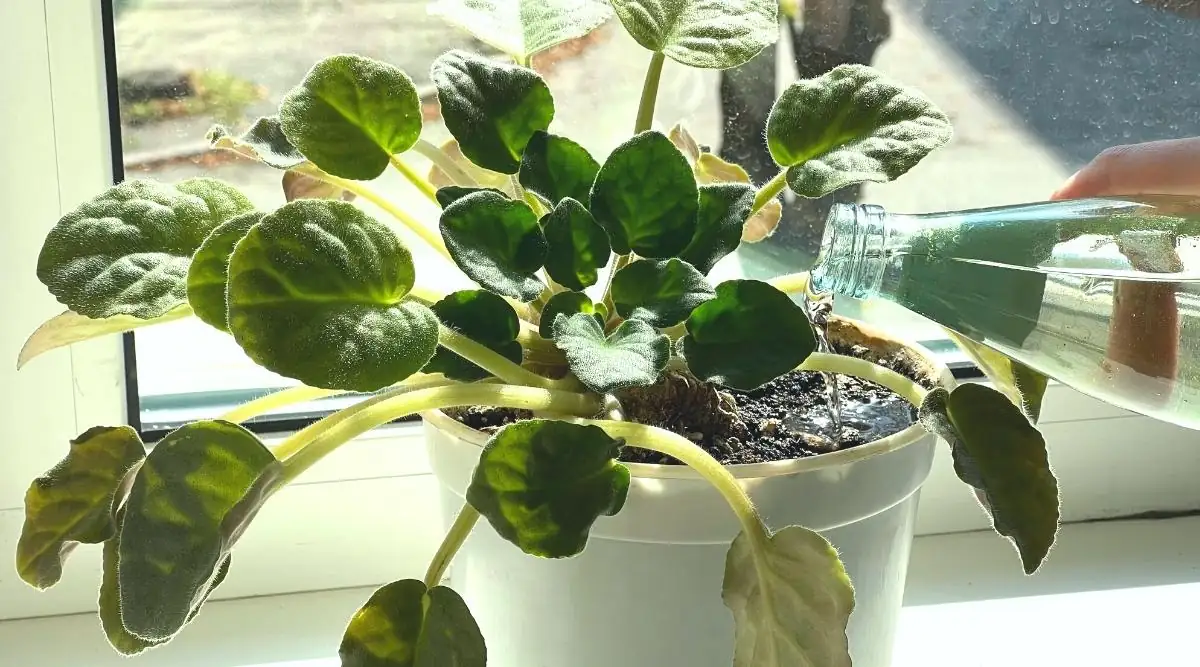
African Violets require a delicate balance of care. They thrive in moderate to high humidity, ideally between 40-60%, though some enthusiasts aim higher for peak performance. Their soil, akin to a cozy bed, should be light and airy—think fluffy clouds that drain well to prevent root rot. Watering must be precise, avoiding the crown to keep the leaves dry and happy.
Cultural Roots and Modern-Day Relevance
Discovered in the Usambara Mountains of Tanzania by Baron Walter von Saint Paul-Illaire in 1892, these plants quickly became a staple of indoor gardening. Known historically as Saintpaulia, their journey into homes worldwide is a testament to their charm and the ease with which they can be propagated. A single leaf can produce multiple new plants, making them a favorite among collectors and a staple of plant swaps and gifts.
Fun Facts and Tidbits
- Contrary to their name, African Violets aren’t true violets; they belong to the Gesneriaceae family.
- Their fuzzy leaves and ability to propagate from a single leaf have earned them the title of “swap plants” among enthusiasts.
- With thousands of cultivars, their diversity includes everything from ruffled doubles to striking bicolors.
In the end, African Violets are more than just pretty faces in the plant kingdom. They are storytellers, bearers of messages, and symbols of timeless emotions. Whether you’re gifting one to convey loyalty or nurturing your own as an emblem of personal triumph, the African Violet is a plant that speaks volumes without uttering a word.