

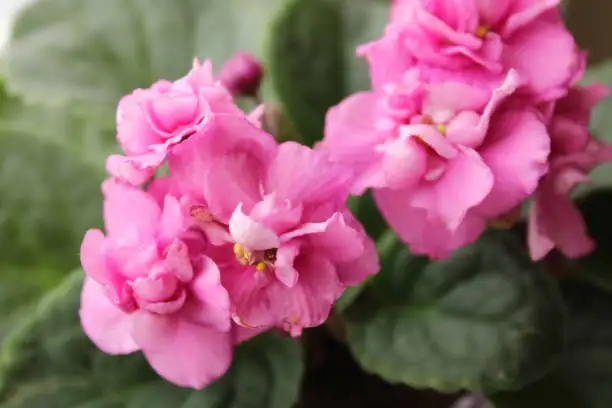
Imagine a houseplant with a seemingly magical ability to bloom continuously throughout the year, adding vibrant hues of purple, blue, pink, and even white to your living room or office. Meet the African Violet, scientifically known as Streptocarpus ionanthus. This charming plant, native to the lush mountain forests of eastern Africa, is a collector’s favorite due to its compact size, velvety leaves, and a knack for easy propagation. But like any cherished garden gem, it faces its share of challenges. Let’s dive into the world of protecting your African Violet from common pests and diseases and ensure it remains the showstopper it is meant to be.
Identifying Common Pests
African Violets may not be demanding divas, but they do have their nemeses. Here’s a closer look at some of the tiny troublemakers:
Aphids
These sap-sucking insects are often the culprits behind curling leaves and distorted growth. They are small, but in large numbers, aphids can seriously weaken your plant. A simple home remedy involves gently wiping them off with a mix of warm water and a bit of dish soap.
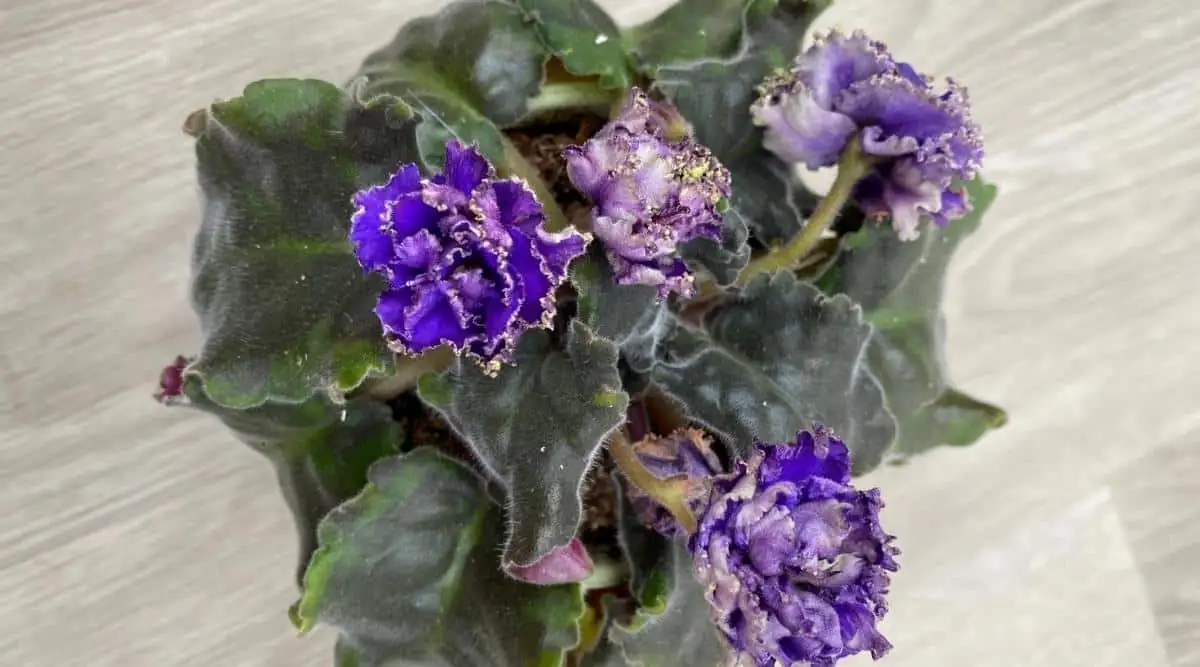
Spider Mites
Invisible to the naked eye, these minuscule mites suck the life out of your plant, leaving behind stippled leaves and fine webs. Increase humidity and wash the foliage with a gentle spray of water to keep them at bay.
Thrips
Thrips are notorious for causing flower and leaf damage. They can spread the Impatiens Necrotic Spot Virus (INSV), which is unfortunately a death sentence for your plant. The best defense is a good offense: regular monitoring and removal of infected blooms can help.
Mealybugs
These pests resemble small cotton balls and often hide in the nooks of your plant. For light infestations, a cotton swab dipped in rubbing alcohol can be effective in removing them.
Battling Common Diseases
Diseases often hitch a ride on the back of poor cultural practices. Here’s how to spot and stop them:
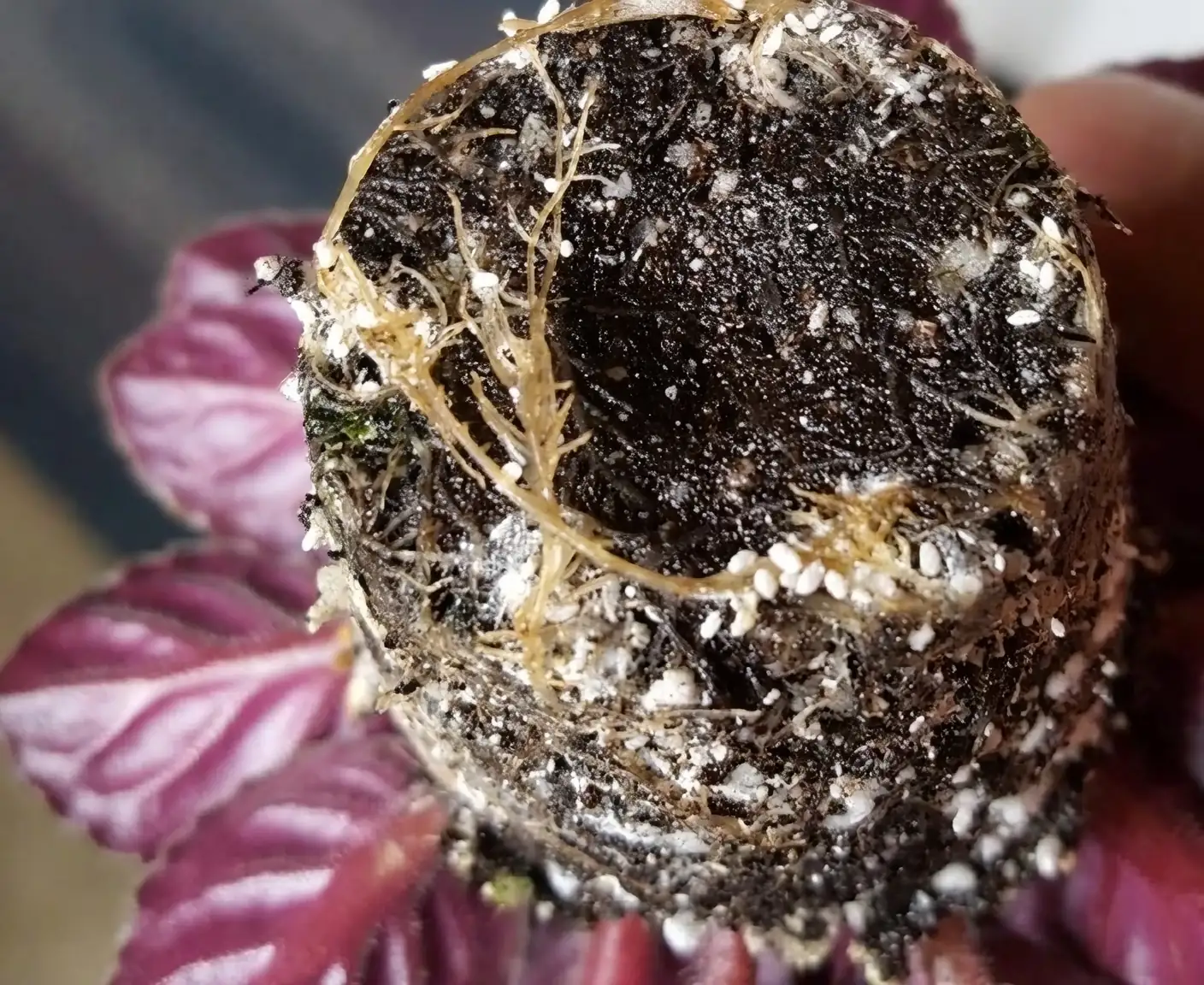
Crown and Root Rot
This is the villainous duo in African Violet care, often caused by overwatering or poor drainage. If you notice your plant’s crown or roots turning mushy, act quickly. Discard severely affected plants, and ensure you’re using a fast-draining soil mix to prevent future occurrences.
Powdery Mildew
A fungal disease that coats leaves in a white, powdery substance. Improve air circulation and keep leaves dry to prevent its spread. Neem oil can be an effective treatment.
Botrytis Blight
Characterized by brown, fuzzy patches on the plant, this disease thrives in damp conditions. Avoid overhead watering and remove any dead or dying plant material promptly.
Keeping Your African Violet Healthy
Light & Placement
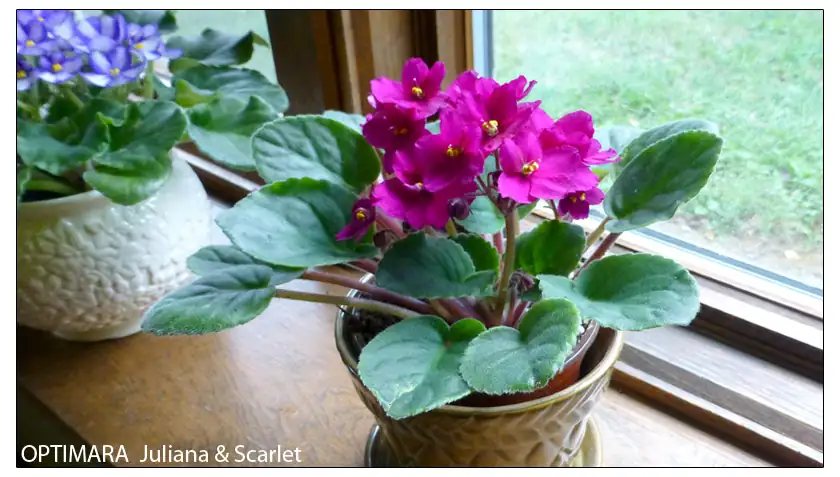
African Violets thrive in bright, indirect sunlight. An east-facing window is ideal, or you can place them under grow lights for 12-14 hours a day. Remember, too much direct sunlight can scorch their delicate leaves.
Temperature & Humidity
These plants prefer temperatures between 16-27°C (61-80°F). Aim to maintain humidity levels around 40-60% for optimal growth. A pebble tray or a humidifier can help achieve this balance.
Watering Wisely
Water when the top 2-3 cm of the soil feels dry, and use room-temperature water to prevent leaf spotting. Bottom-watering is a preferred method to keep the foliage dry, reducing the risk of rot.
Feeding & Pruning
A light, regular feeding schedule every 2-4 weeks with a balanced fertilizer will keep your plant blooming. Remove spent blooms and any yellowing leaves to encourage healthy growth.
Propagation: Sharing the Love
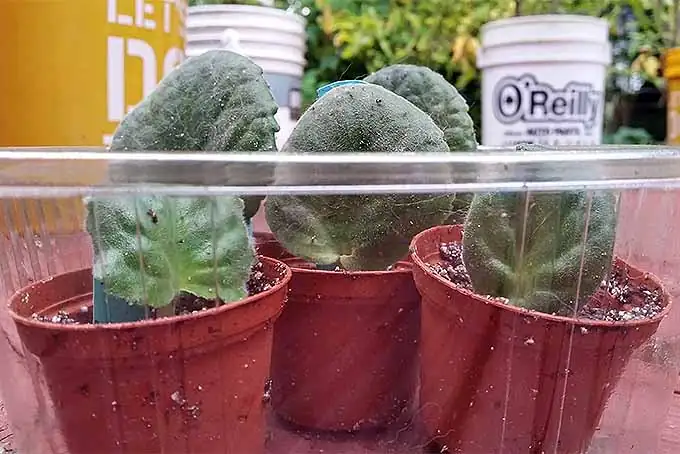
One of the most endearing qualities of African Violets is their ease of propagation. A single leaf can give rise to a whole new family of violets, making them perfect for sharing with friends. Simply take a healthy leaf with a bit of stem, place it in a moist propagation mix, and watch new plantlets emerge in weeks.
In Conclusion
With a little vigilance and the right care routine, your African Violet can thrive and bring joy for years. By understanding the common pests and diseases, you can tackle issues head-on and keep your plant in blooming health. So, whether you’re a seasoned green thumb or a budding botanist, let the African Violet enchant your home with its timeless beauty and charm. Happy growing!


