

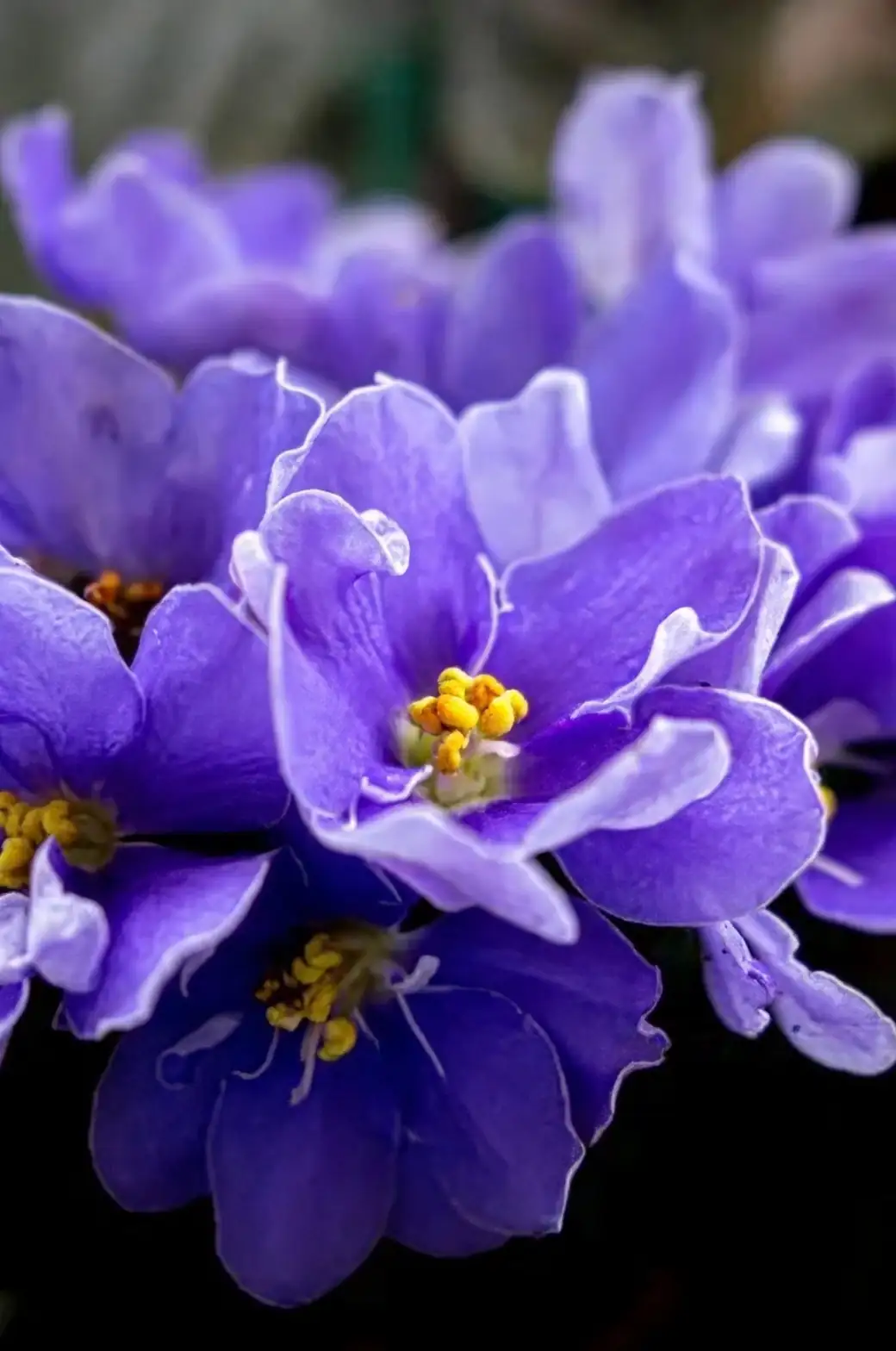
African violets, scientifically known as Streptocarpus ionanthus, are like the gems of the houseplant world. With their vibrant blooms and fuzzy leaves, these delightful little plants brighten even the gloomiest corners of your home. But how do you ensure that these charming companions thrive year-round? Let’s dive into the secrets of watering, light, and seasonality to help your African violet flourish.
Understanding Watering: A Balancing Act
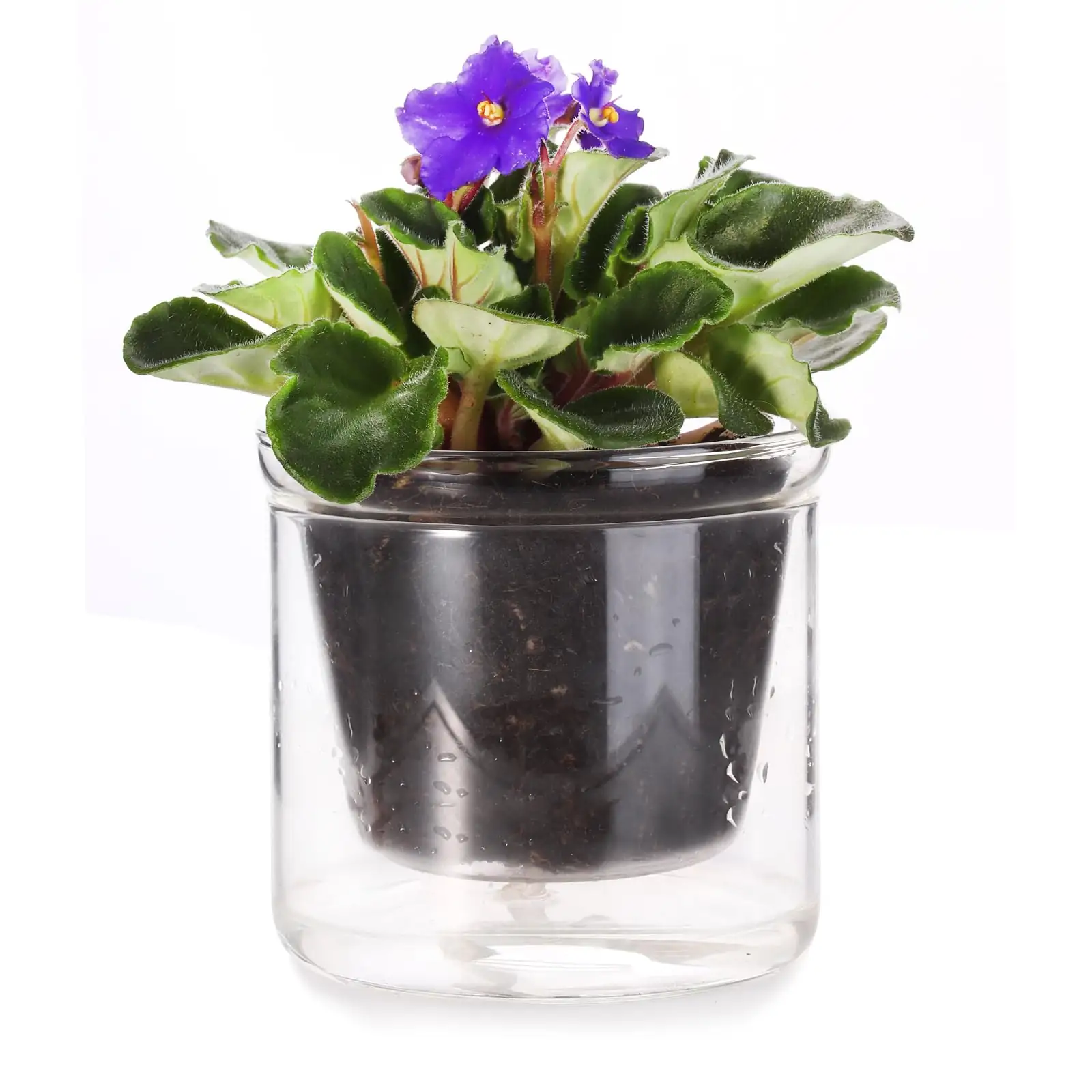
Think of watering your African violet like brewing the perfect cup of tea—too much or too little can spoil the experience. These plants prefer their soil to be evenly moist but never soggy. A good rule of thumb is to water when the top inch of the potting mix feels dry to the touch. This typically means watering every 7 to 10 days, but it can vary depending on your home’s environment.
Watering Tips:
- Room-Temperature Water: Use water that’s neither too hot nor too cold to avoid shocking the plant.
- Bottom Watering: Place the pot in a shallow dish of water for about 30 minutes. This method hydrates from the roots up, keeping leaves dry and preventing spots.
- Avoid the Crown: If you prefer top-watering, gently pour water around the pot’s edge, steering clear of the plant’s crown to prevent rot.
Lighting: The Goldilocks Zone
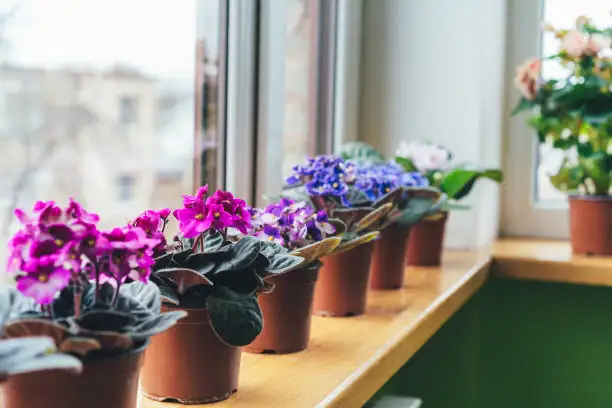
African violets crave bright, indirect light, much like Goldilocks searching for the perfect porridge—not too harsh, not too dim. An east-facing window usually provides the ideal light conditions. If you only have a south-facing window, a sheer curtain can help filter the intense midday sun.
Lighting Tips:
- Consistent Bright Light: Aim for about 12 to 14 hours of bright, indirect light daily. Grow lights are a reliable alternative if natural light is scarce.
- Watch for Leaf Clues: Stretching leaves reaching for the light signal that your plant yearns for more luminescence, while bleached leaves indicate too much direct sunlight.
Seasonality: Timing is Everything
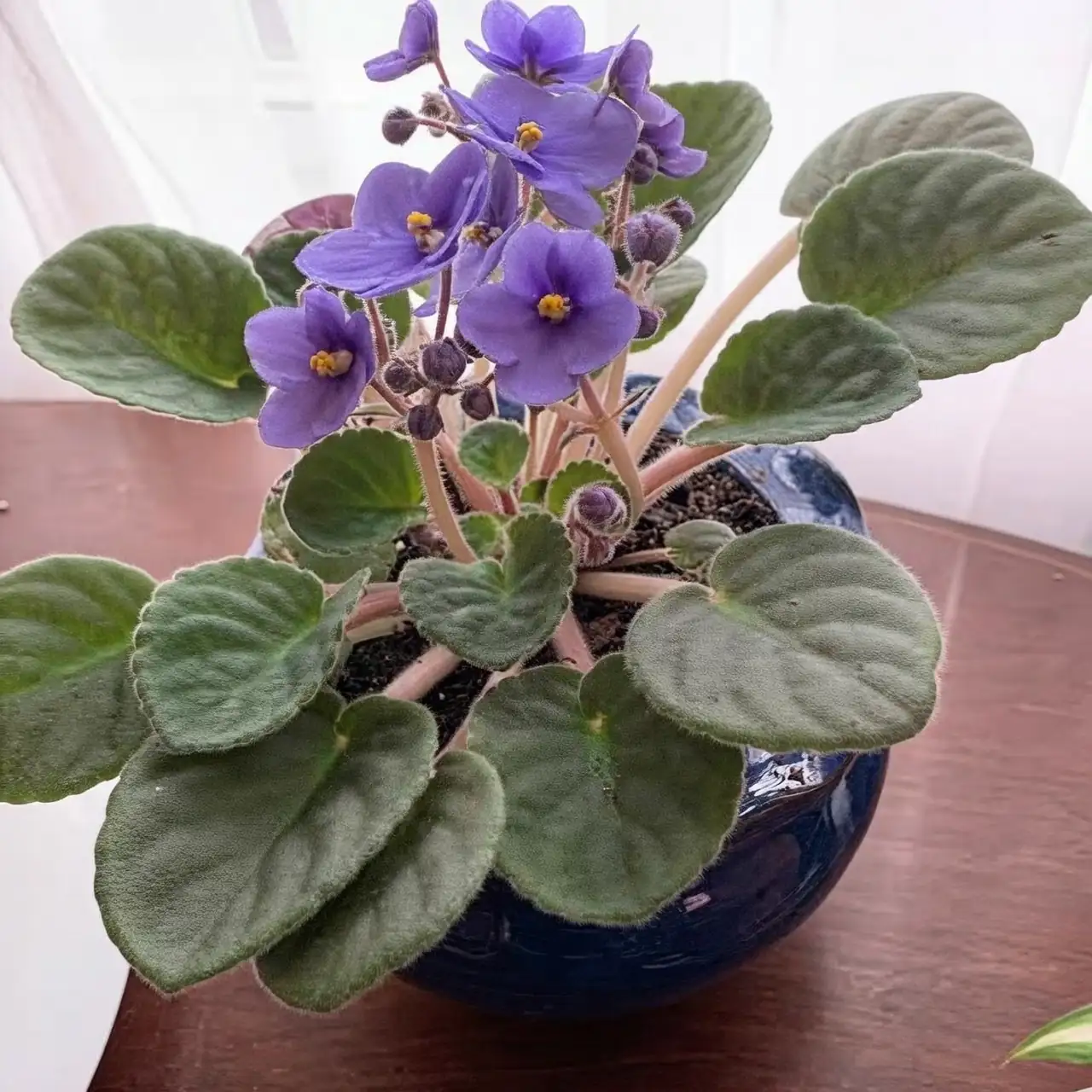
African violets are like the perpetual performers in a botanical theater, capable of blooming throughout the year with the right care. However, they often put on their best shows in spring and fall, when conditions naturally align with their preferences.
Seasonal Care:
- Spring (March–May): As growth kicks into high gear, consider repotting and fertilizing regularly to support lush blooms.
- Summer (June–August): Protect from the intense heat and direct sunlight; increasing humidity can be beneficial.
- Fall (September–November): Another blooming period—keep feeding and ensure stable light conditions.
- Winter (December–February): Provide supplemental light if natural light diminishes, and reduce watering slightly to prevent root issues.
Creating the Ideal Environment
To truly thrive, African violets require a cozy environment that mirrors their native tropical origins. They love warmth, moderate humidity, and well-draining soil.
Environmental Tips:
- Temperature Sweet Spot: Keep them in a comfortable range of 16–27°C (61–80°F), avoiding cold drafts and extreme temperatures.
- Humidity Helpers: Aim for 40–60% humidity. Use a pebble tray or humidifier instead of misting, which can harm the leaves.
- Soil Savvy: A peat-based mix with perlite or vermiculite ensures excellent drainage, preventing the dreaded root rot.
Troubleshooting Common Concerns
Despite your best efforts, sometimes issues arise. Here are quick fixes for common problems:
- Won’t Bloom? Check light levels and ensure the plant isn’t in too large a pot.
- Brown Leaf Spots? Avoid water on leaves and improve airflow.
- Floppy Leaves? Adjust watering practices and check for root health.
African violets are more than just pretty faces—they symbolize devotion and enduring love, making them perfect gifts for friends and loved ones. With their rich history, from the Usambara Mountains to windowsills worldwide, these plants continue to captivate hearts. By understanding their needs and nurturing them with care, you can ensure they reward you with vibrant blooms year-round, turning your home into a living tapestry of color and life.


