

Embracing Companionship: Foxglove’s Floral Allies in the Garden
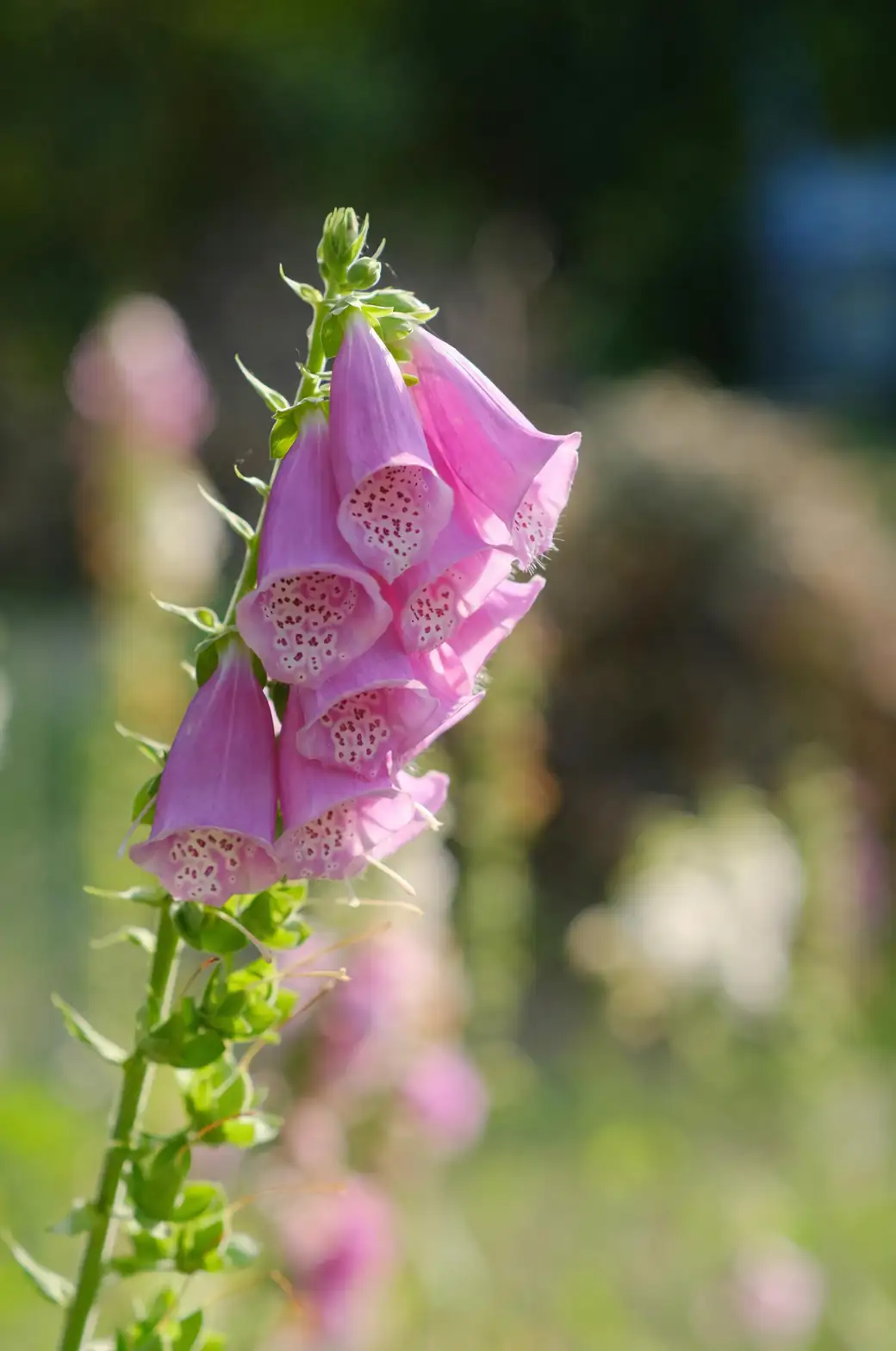
The foxglove, or Digitalis purpurea, is the epitome of botanical allure, with its tall, stately spikes and enchanting bell-shaped blooms. But what if I told you that this fairy-tale plant doesn’t just stand alone in beauty? As a master of companion planting, the foxglove can play a leading role in creating an ecosystem of vibrant colors and beneficial interactions.
Why Companion Plant with Foxglove?
Foxgloves are not just about striking aesthetics; they also bring ecological benefits to your garden. These plants are magnets for pollinators, particularly bumblebees, which are drawn to the spotted interiors of the flowers that act like nectar maps. By pairing foxgloves with the right companions, you can enhance their ecological value while crafting a garden that’s as functional as it is beautiful.
The Perfect Companions
Companion planting with foxgloves is about creating harmony in the garden. Let’s explore some top contenders that can complement foxglove’s dramatic presence:
1. Roses and Hydrangeas: The Classic Elegance
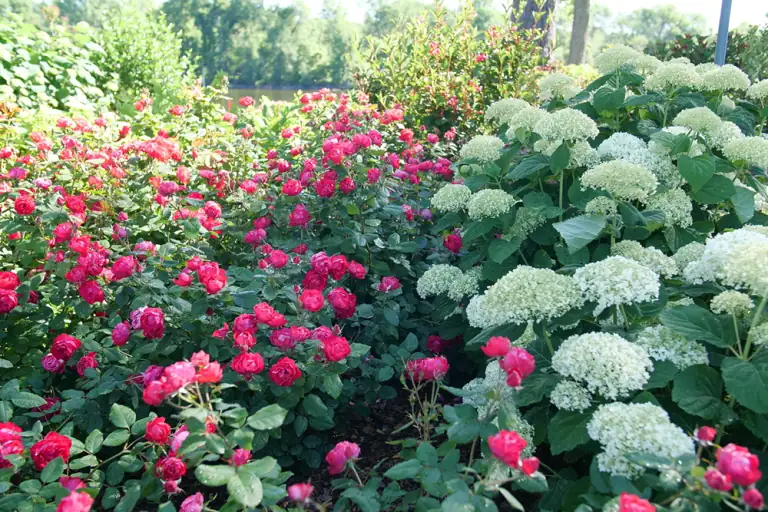
Pair the spires of foxgloves with the full, lush blooms of roses or hydrangeas. This combination not only creates a visual feast but also extends the flowering season in your garden. Choose varieties that bloom in sync with your foxgloves to maintain a continuous display of color.
2. Boxwood: The Evergreen Backdrop
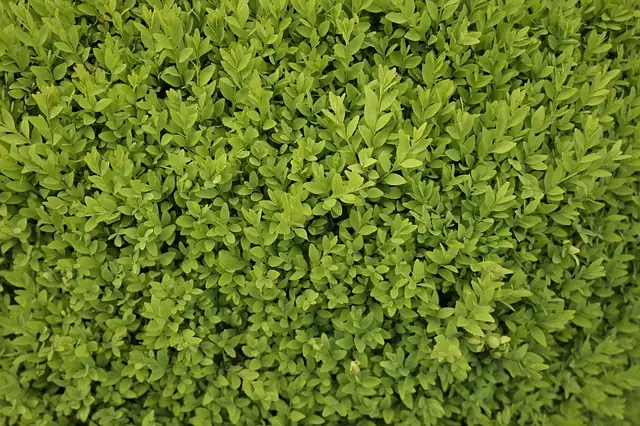
Boxwood’s glossy, evergreen foliage provides a classic, understated backdrop that allows the vibrant foxglove flowers to take center stage. This pairing works wonders in creating structured, formal garden borders, with the foxgloves adding an element of wild beauty.
3. Salvia and Dianthus: A Symphony of Colors
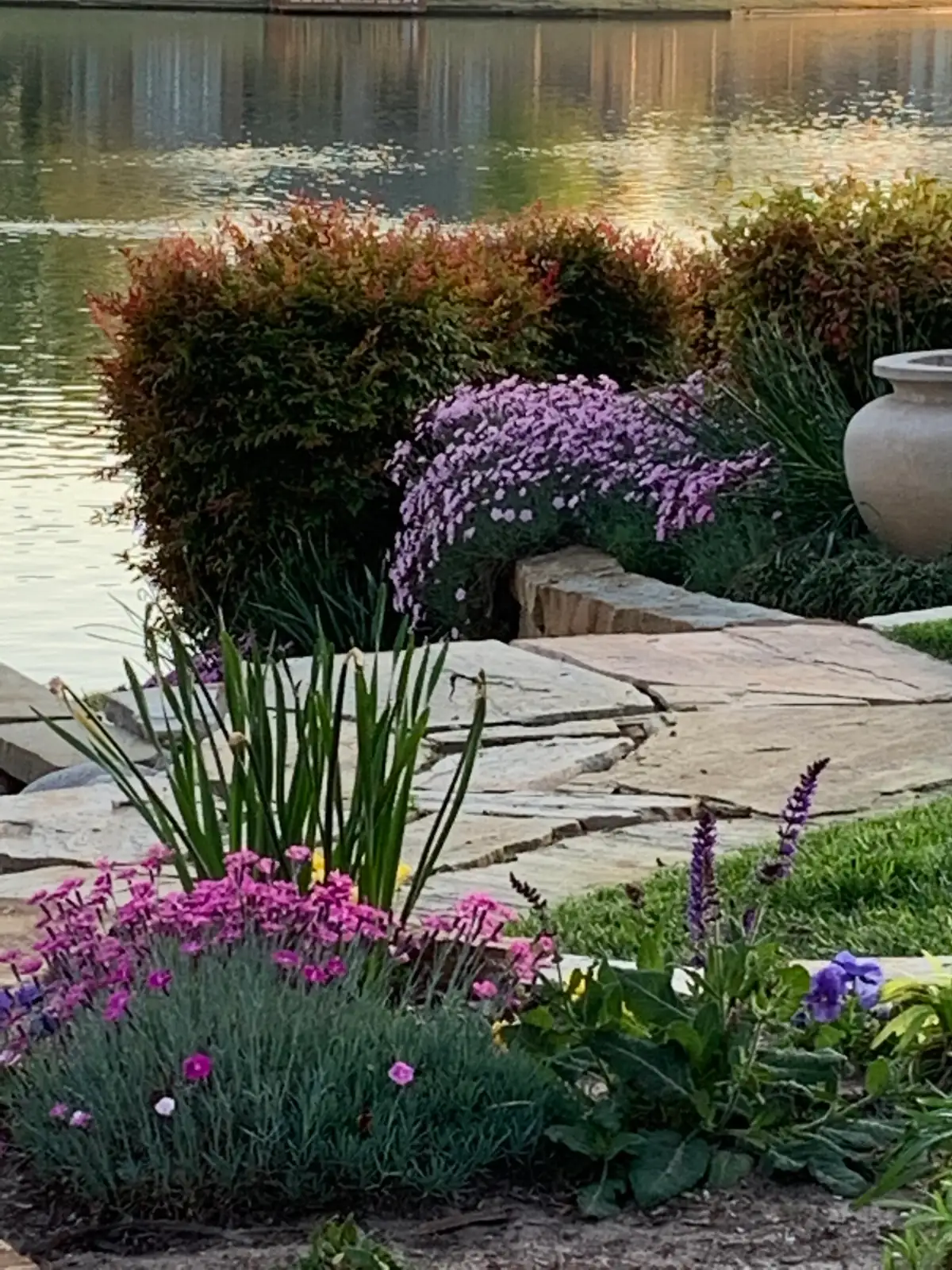
Salvia, with its tall spikes of purple or blue flowers, complements the foxglove’s bell-like blooms beautifully. Add Dianthus into the mix for its mounded form and prolific blooms, creating a tiered effect that adds depth and texture to your garden bed.
4. Ferns and Campanulas: A Woodland Retreat
For a touch of woodland magic, combine foxgloves with ferns and campanulas. This trio thrives in partial shade and creates a lush, layered look, contributing to a serene, forest-like atmosphere.

Planting and Care Tips
To cultivate a thriving foxglove and companion plant ensemble, follow these guidelines:
- Location: Foxgloves prefer partial shade, especially in warmer climates, making them ideal for shaded borders or woodland gardens.
- Soil: Ensure your soil is well-draining and rich in organic matter. Slightly acidic to neutral pH is perfect for these beauties.
- Watering: Keep the soil evenly moist but not waterlogged, especially during the growing season.
- Deadheading: Remove spent blooms to promote further flowering and manage self-seeding unless you want a naturalized look.
A Word of Caution
Remember, while foxgloves bring beauty and ecological benefits, they are highly toxic if ingested. Always plant them out of reach of children and pets, and wear gloves when handling them to avoid skin irritation.
Crafting Your Storybook Garden
By thoughtfully selecting companions for your foxgloves, you can transform your garden into a tapestry of color and texture. Whether you seek the structured elegance of a formal border or the whimsical charm of a cottage garden, foxgloves can be the star player surrounded by a cast of complementary plants. So, which companions will you choose to dance alongside your foxgloves this season? With a bit of planning and creativity, your garden can become a living work of art that delights the senses and nurtures the environment.


