

Embrace the Enchantment of Foxglove: A Guide to Creating a Storybook Garden
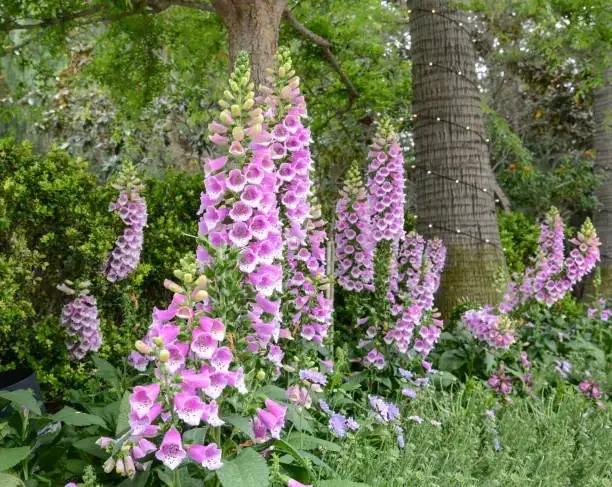
Imagine stepping into a garden where every corner whispers tales of fairy-tale lands, where flowering towers rise majestically, and the air hums with the gentle buzz of busy pollinators. Such is the world you invite into your backyard when you introduce the vertical elegance of Digitalis purpurea, commonly known as foxglove, into your cottage garden or mixed border. With its striking spikes of bell-shaped blooms and whimsical charm, foxglove is more than just a plant—it’s an invitation to a storybook landscape.
The Allure of Foxglove: A Cottage Garden Classic
Foxglove has long been a staple in English cottage gardens, beloved for its graceful stature and enchanting blooms. These plants are like the aristocrats of the floral world, standing tall and proud with their tubular, bell-like flowers in hues of purple, pink, white, and yellow. It’s no wonder that foxglove carries poetic names like “Fairy Bells” and “Witch’s Thimbles.” These names reflect its role in folklore as a plant associated with magic and mystery.
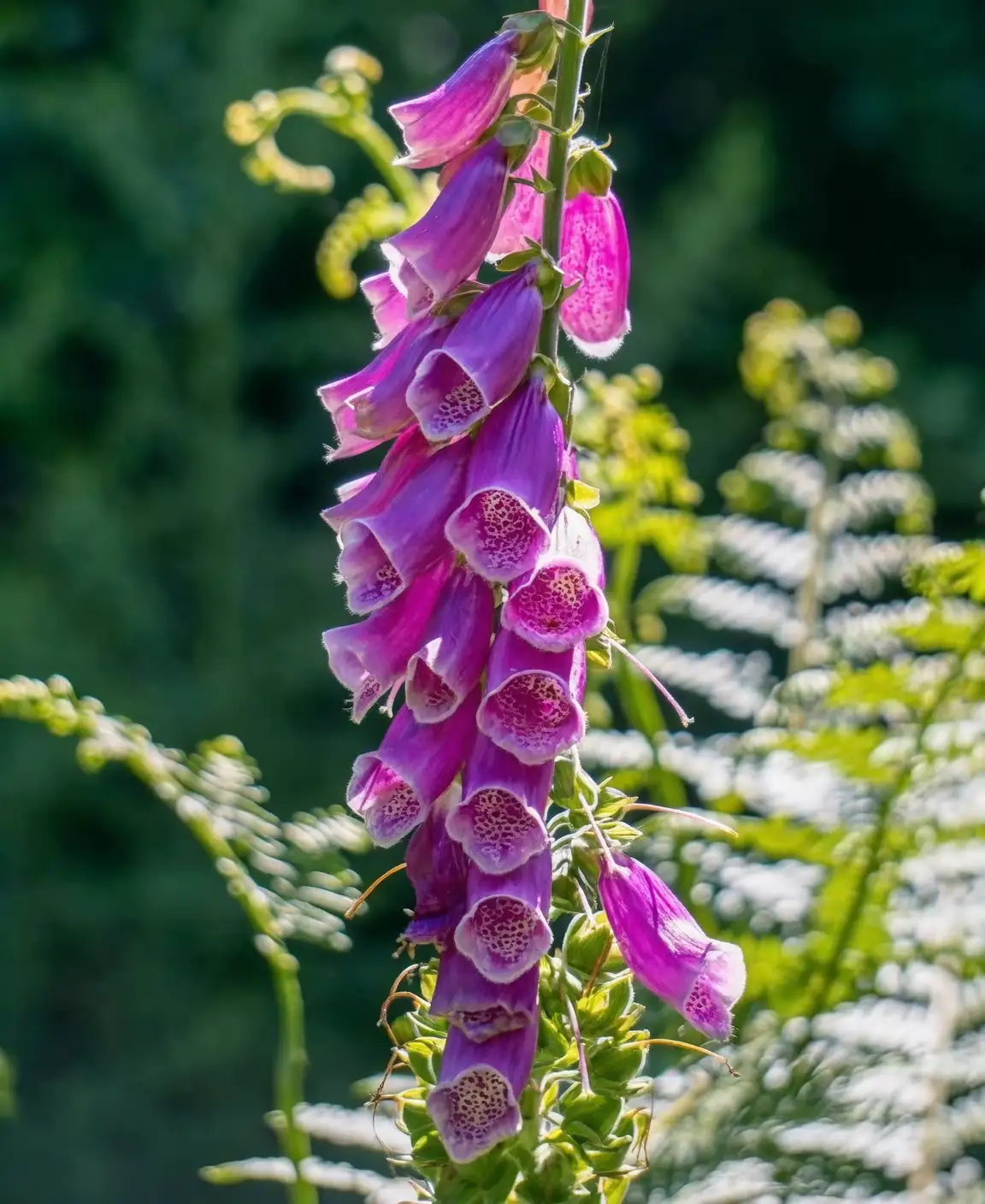
Incorporating foxglove into your garden is like adding a touch of the fantastical, a nod to the gardens of old where every plant had a story. Picture foxglove’s tall spires rising through a sea of greenery, their spotted throats acting as landing lights for bumblebees, guiding them to the sweet nectar within.
Cultivating Magic: Planting and Care
Sunlight and Soil
Foxglove thrives in partial shade, making it a perfect candidate for woodland edges or dappled garden spots. In cooler climates, it can handle more sun, but in regions where summers are baking, a rest from the afternoon sun is appreciated. The ideal soil is rich in organic matter, well-draining, and slightly acidic to neutral—think of the soft forest floor where foxgloves naturally flourish.
Watering and Fertilization
Keep the soil consistently moist but not waterlogged. A practical rule is to water when the top layer of soil feels dry. During the growing season, a balanced slow-release fertilizer will help sustain its towering growth without overwhelming it with too much nitrogen.
Pruning and Propagation
To keep your garden tidy and control self-seeding, deadhead spent flowers. However, if a naturalized effect is what you seek, let a few spikes go to seed. Foxglove readily self-seeds, ensuring its presence in your garden for years to come. For a more controlled approach, sow seeds in late summer or early fall for blooms the following year.
Styling Your Garden with Foxglove
Foxglove is a versatile player in garden design. Here are some ways to make it the star of your garden:
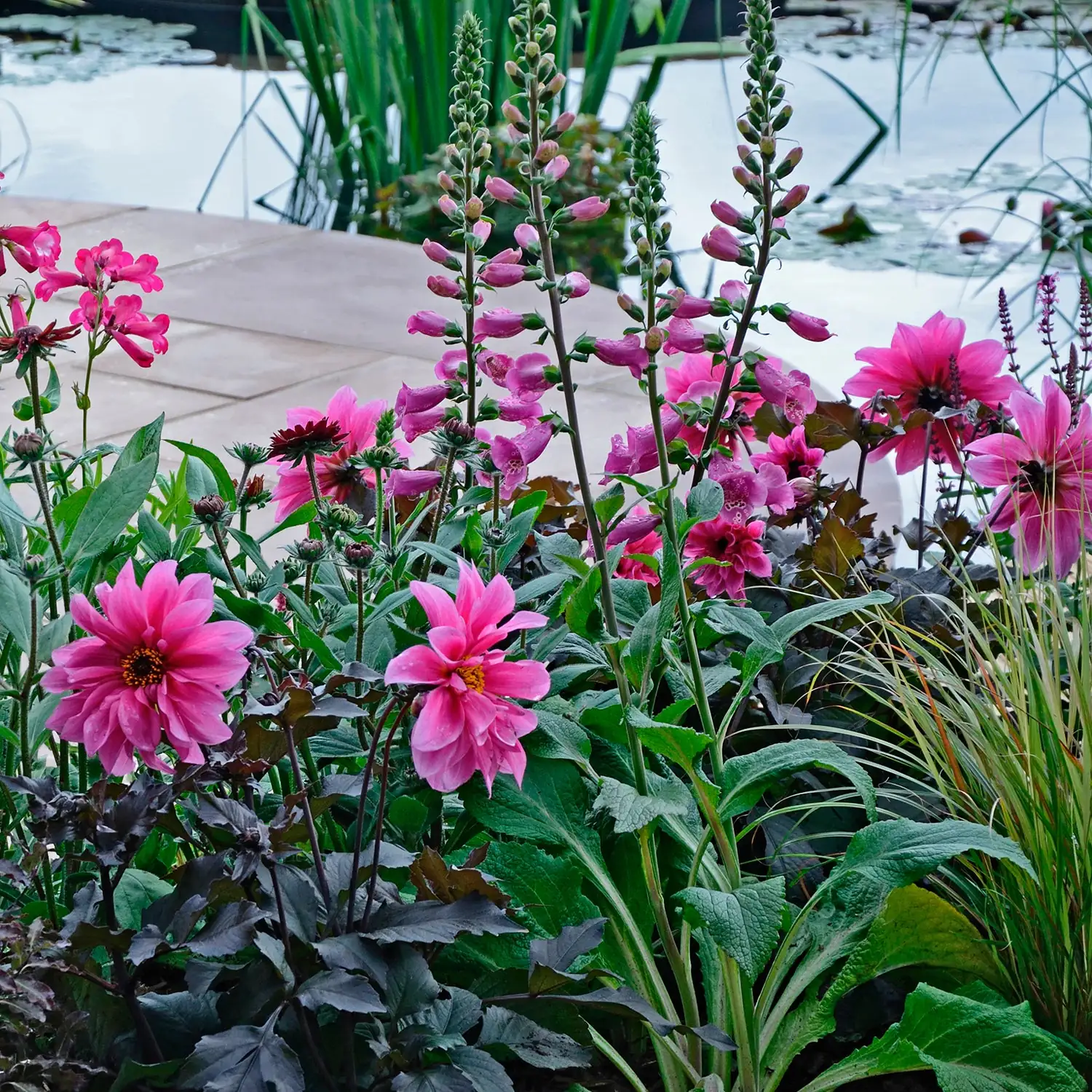
- Mixed Borders: Use foxglove to add height and drama to mixed borders. Pair it with plants like ferns or begonias, which can provide a lush, green backdrop that highlights its vertical elegance.
- Cottage Gardens: Embrace the quintessential cottage garden look by planting foxglove in drifts. This creates a natural, flowing effect, as if the flowers have always belonged in that spot.
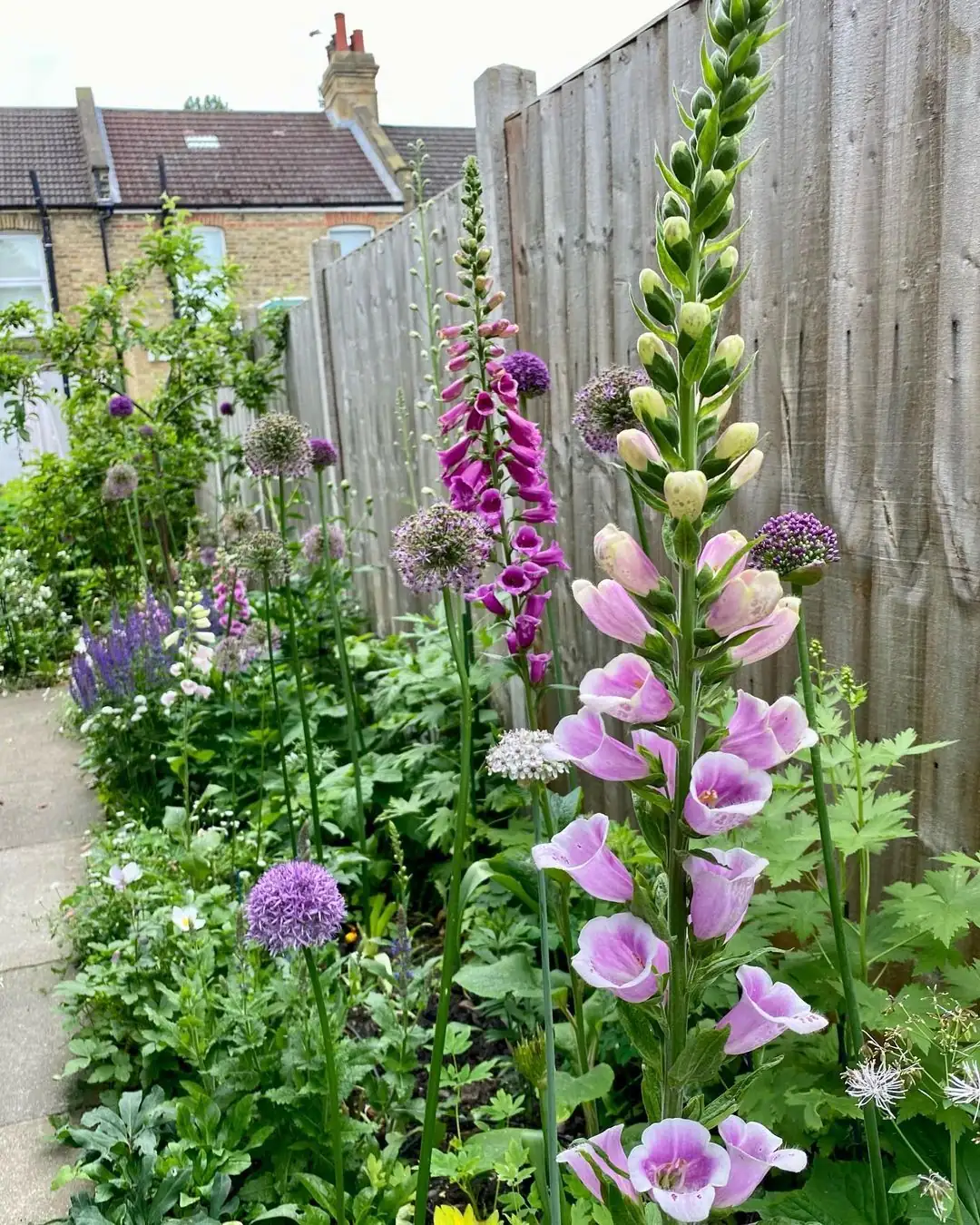
- Pathways: Plant foxglove along pathways, where their towering spikes can be admired up close, but ensure they’re out of reach from curious children and pets due to their toxic nature.
Safety First: A Beautiful Yet Cautionary Tale
While foxglove’s beauty is undeniable, it carries a warning: every part of the plant is highly toxic. This duality of beauty and danger adds to its allure but demands respect. When handling foxglove, wear gloves and wash your hands afterward. Plant it where it can be admired but not easily accessed by little hands or paws.
A Legacy of Lore and Medicine
The history of foxglove is as colorful as its blooms. In folklore, it’s said that fairies gave foxglove flowers to foxes to muffle their footsteps—a charming tale that adds to its enchanting aura. Medically, the plant has left a significant mark; its compounds are used in regulated doses to treat heart conditions, a testament to the thin line between poison and remedy.
Crafting a Storybook Landscape
Incorporating foxglove into your garden is more than an aesthetic choice—it’s a journey into the whimsical world of storybook gardens. Whether you’re drawn to its historical roots, its ecological benefits, or simply its sheer beauty, foxglove offers a unique blend of elegance and enchantment. So, why not let these graceful spires bring a touch of the fairy-tale to your own garden? With a little care and creativity, you might just find yourself living in a landscape out of a storybook.


