Meet Foxglove: Nature’s Quirky Enchanter
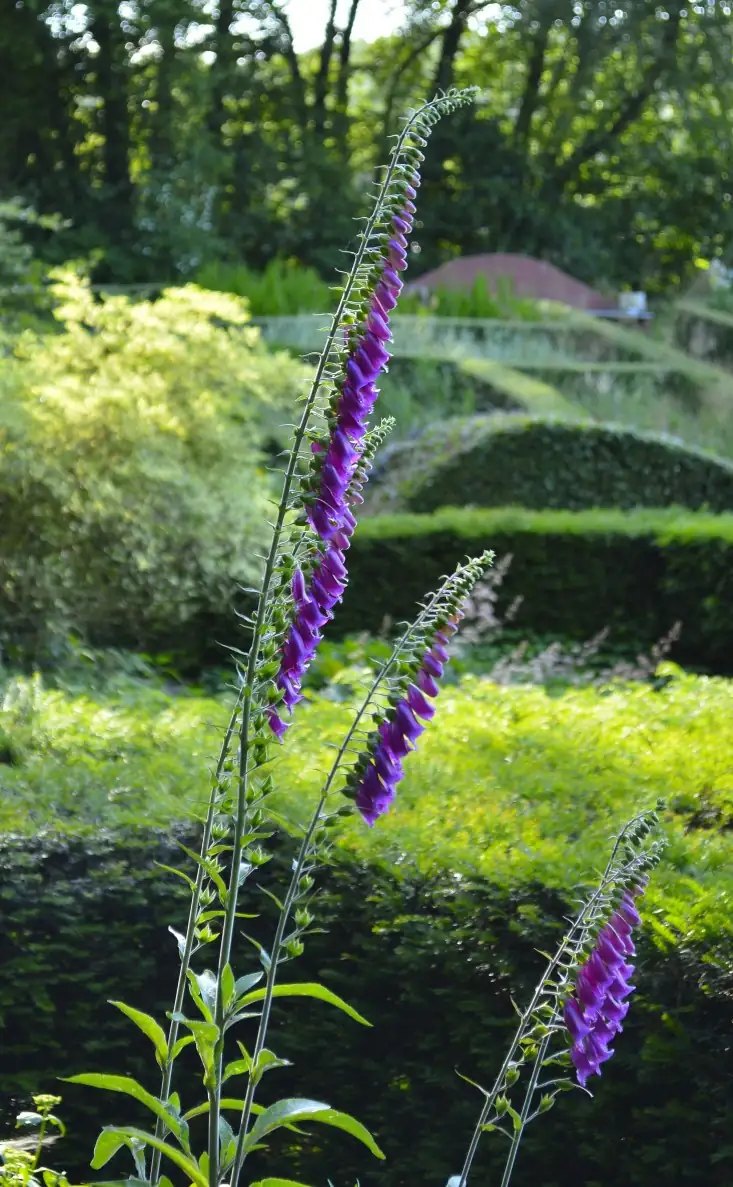
Imagine stumbling upon a plant that stands tall with dramatic spires, each of its tubular blooms an invitation to the bustling bumblebee. Enter the world of the foxglove, scientifically known as Digitalis purpurea, a plant that seems to have stepped straight out of a fairy tale. With its enchanting bell-shaped flowers and a touch of danger lurking beneath its beauty, foxglove is a botanical character full of surprises.
The Enigmatic Beauty of Foxglove
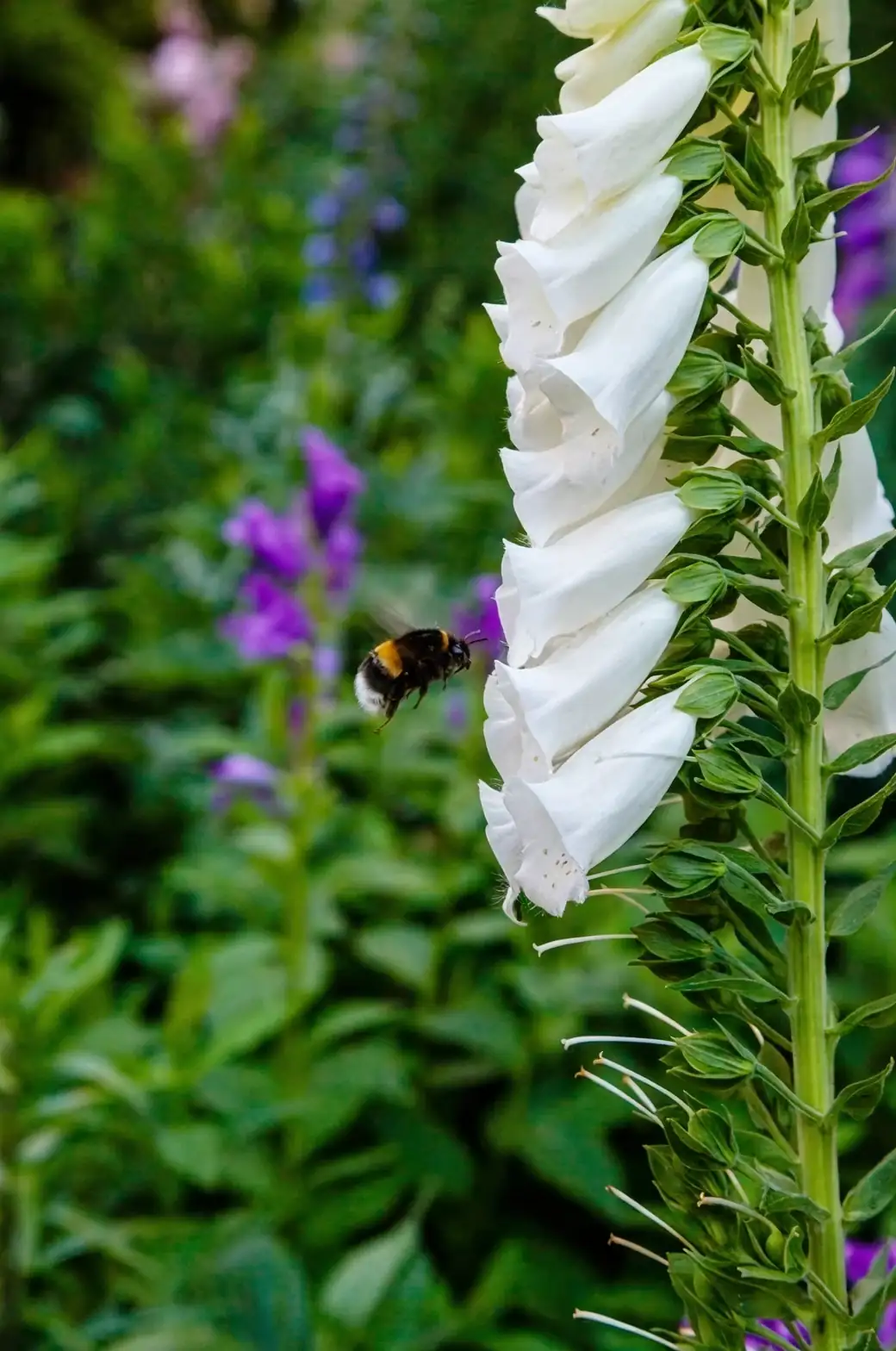
With a height that can reach up to 2 meters (around 6.6 feet) under optimal conditions, foxglove is a showstopper in any garden. Its flowers, predominantly in shades of purple and pink, but sometimes white or yellow, dangle like delicate thimbles from a towering spike. Each bloom boasts a spotted interior, a clever design feature that serves as a nectar guide for bees—think of it as nature’s version of a runway illuminated for landing. Bumblebees, in particular, find these spots irresistible, diving deep into the flowers to collect nectar and inadvertently aiding in pollination.
A Prolific Seed Machine
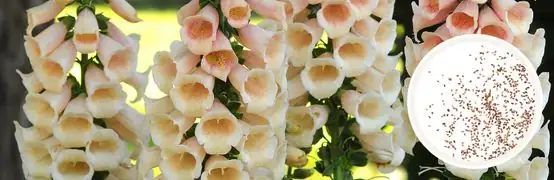
Foxglove is not just a feast for the eyes; it’s a prolific seed producer. A single plant can release an astonishingly large number of seeds—up to 1-2 million in its lifetime. This impressive seed production means that foxglove can quickly colonize a new area, especially in disturbed soils. Imagine a garden filled with these towering beauties, their seeds creating a self-sustaining sea of color year after year.
A Tale of Caution
Despite its enchanting appearance, foxglove carries a serious warning. All parts of the plant are toxic, containing potent cardiac glycosides such as digitoxin and digoxin. These compounds can have severe effects on heart rhythm if ingested, making the plant both a historical medicinal tool and a potential danger. Historically, the medicinal properties of foxglove were harnessed to treat heart conditions, but the line between a therapeutic and a toxic dose is razor-thin. Thus, while foxglove can be a lifesaver in controlled medical environments, it’s a plant best admired from a distance in the garden.
A Rich Tapestry of Folklore and Symbolism
Foxglove’s association with folklore adds another layer to its mysterious allure. Often dubbed “Fairy Gloves” or “Witch’s Thimbles,” tales say that fairies gifted the flowers to foxes to help them tread silently. Its genus name, Digitalis, meaning “finger” in Latin, hints at the finger-like shape of its blossoms. This plant is often linked with themes of secrecy and riddles, embodying a duality of beauty and danger that has fascinated humans for centuries.

Cultivating Foxglove: A Gardener’s Delight
For gardeners, foxglove is a low to moderate maintenance plant that thrives in partial shade with fertile, well-draining soil. It revels in cool to mild temperatures and can be seen gracing cottage gardens, woodland edges, and mixed borders. When planting foxglove, remember to deadhead spent flowers to control its natural seeding tendencies unless you’re aiming for a charmingly wild, naturalized look.
Fun and Quirky Facts
- Finger-Like Blooms: The name Digitalis comes from the Latin word for “finger,” aptly describing the shape of its flowers.
- Nature’s Landing Lights: The spotted interiors of the flowers act as visual cues for bees, guiding them to the nectar.
- Seed Extravaganza: A single plant can produce up to 1-2 million seeds, ensuring its continued presence in favorable conditions.
- One-Sided Wonder: In the wild, foxglove flowers often cluster primarily on one side of the stem, while cultivated varieties may bloom all around.
Final Thoughts
Foxglove, with its stunning towers of blooms and rich background of folklore, is a plant that captures the imagination. Its dual nature of beauty and danger invites us to appreciate its role in nature and history, all while reminding us to handle it with respect and care. So, next time you encounter a foxglove, take a moment to marvel at its quirky charm and the buzzing life it supports, but keep a respectful distance from its enchanting yet perilous embrace.