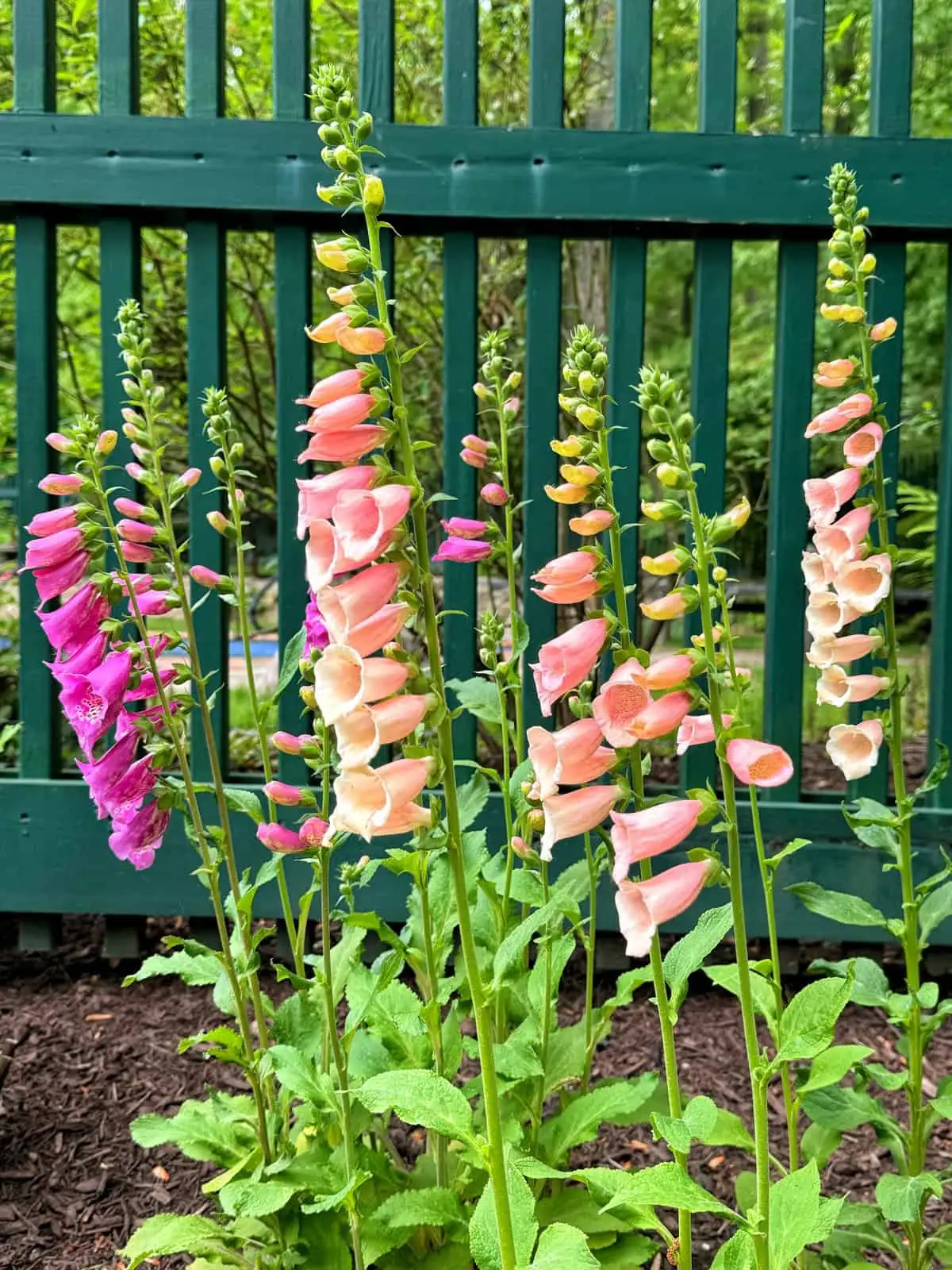
Imagine a garden bursting with color as tall spires of bell-shaped flowers sway gently in the breeze, their enchanting hues of purple, pink, white, or yellow catching the sunlight. This whimsical display belongs to none other than the Digitalis purpurea, better known as the foxglove or “Fairy Bells.” While these plants add a fairy-tale charm to any garden, growing them can sometimes feel less like a fairy tale and more like a mystery filled with challenges. But fear not, dear gardener! With a little wisdom on common foxglove woes like aphids and mildew, and some savvy tactics for their prevention and treatment, you can ensure your garden remains a magical haven.
Understanding the Challenges
Aphids: The Unwanted Guests
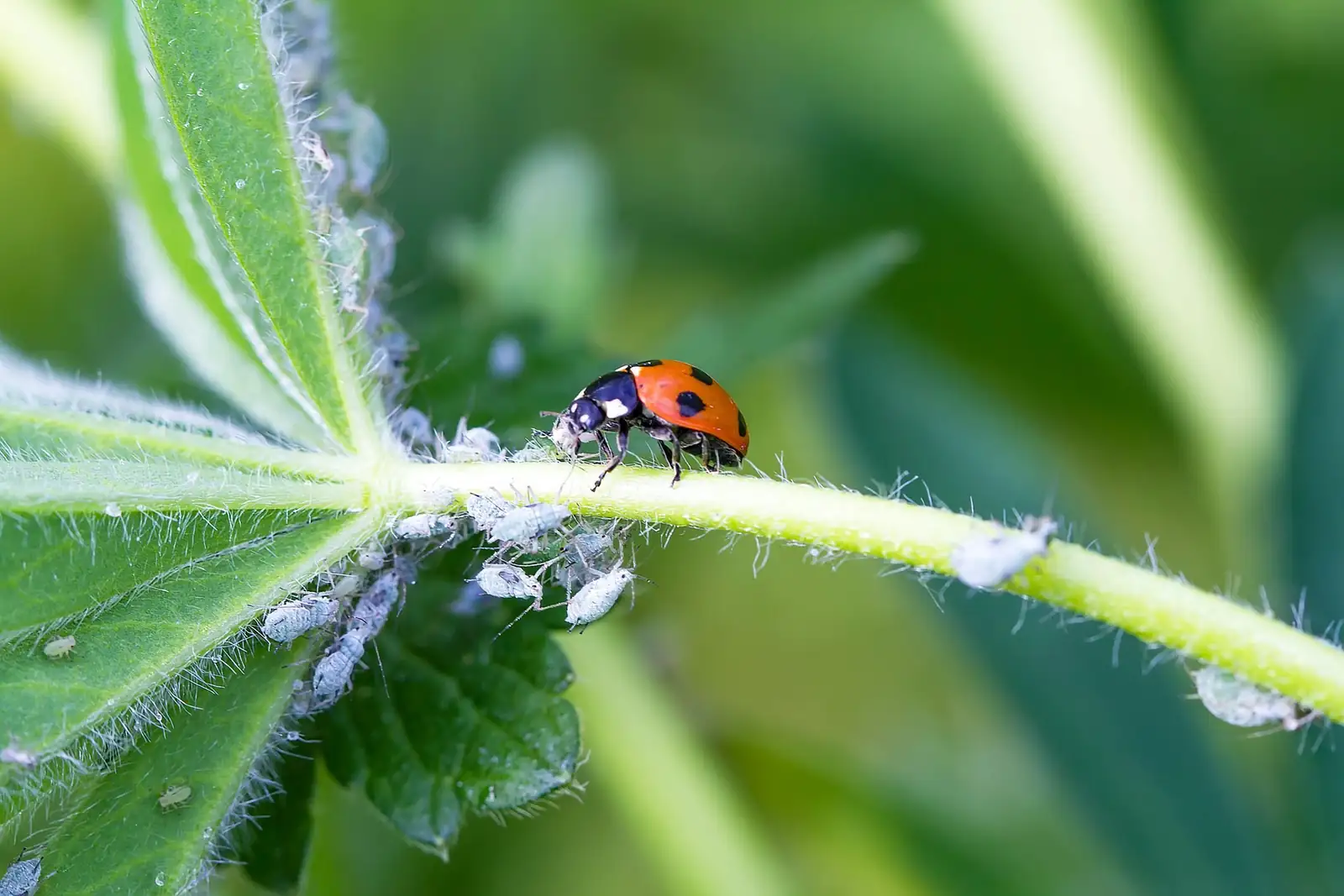
Aphids are small, sap-sucking insects that can quickly become a nuisance on your foxgloves. These pests tend to cluster on tender new growth and flower buds, siphoning off the plant’s life essence and leaving behind a sticky residue known as honeydew, which invites mold. But how do you wage war against these tiny invaders?
Prevention and Treatment:
- Encourage Natural Predators: Ladybugs and lacewings are nature’s aphid exterminators. Invite them into your garden by planting nearby flowers like marigolds and dill.
- Neem Oil: This natural pesticide disrupts aphids’ life cycles. Spray it on affected areas, ensuring you cover both sides of the leaves.
- Insecticidal Soap: A gentle yet effective option, this soap suffocates aphids without harming the plant. Apply it in the early morning or late evening to avoid harming beneficial insects.
Powdery and Downy Mildew: The Unwelcome Cloak
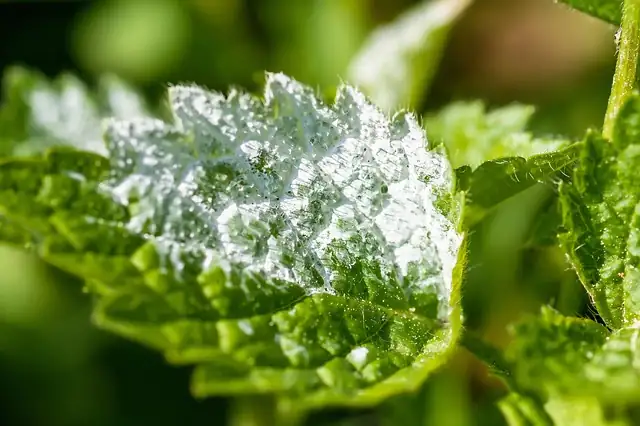
Foxgloves can be susceptible to both powdery and downy mildew, each presenting distinct challenges. Powdery mildew appears as a white, dusty coating on leaves, preferring cool, dry weather. Downy mildew, on the other hand, thrives in cool, wet conditions, forming dark spots that may develop a fuzzy underside.
Prevention and Treatment:
- Proper Spacing and Airflow: Space your plants adequately to allow good air circulation. This simple step helps prevent the humid conditions that mildew loves.
- Avoid Overhead Watering: Water at the base of the plant to keep foliage dry, reducing mildew risks.
- Fungicidal Sprays: Consider using fungicidal sprays like those containing potassium bicarbonate or sulfur. For organic options, neem oil can be effective against powdery mildew.
Cultivating Resilience
Soil and Sunlight
Foxgloves appreciate fertile, well-draining soil rich in organic matter, with a slightly acidic to neutral pH. While they can thrive in various light conditions, partial shade is their sweet spot, especially in warmer climates where afternoon shade helps prevent stress.
Companion Planting
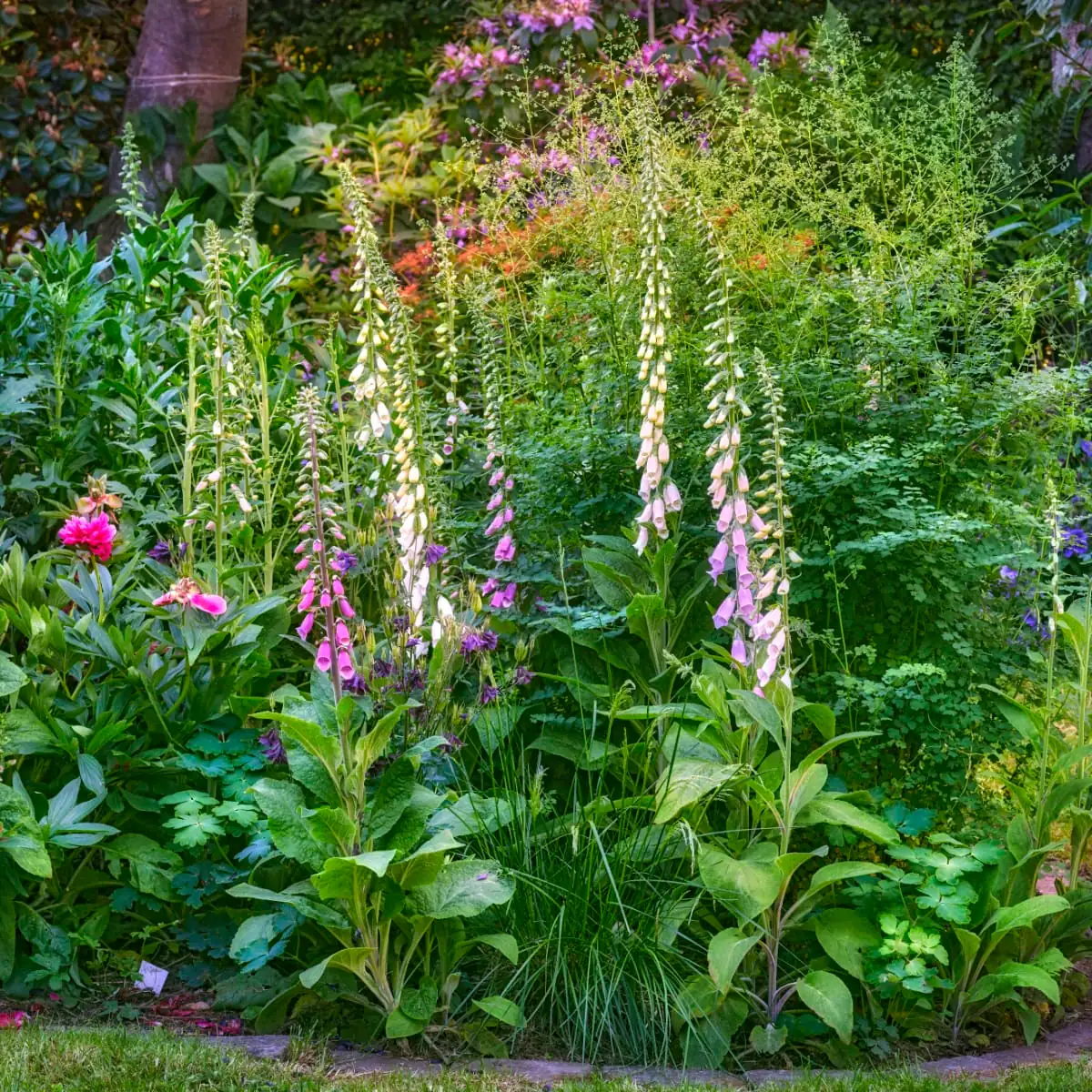
To bolster your foxgloves’ resilience, consider companion planting. Ferns and hostas are excellent partners, providing complementary textures and shared environmental preferences.
A Watchful Eye
Regular checks for signs of pests or disease can nip potential problems in the bud, literally. Remove any affected foliage promptly and dispose of it away from your garden to halt the spread of disease.
The Beauty and the Caution
Foxgloves, with their enchanting beauty, also harbor a sinister side. Every part of the plant is highly toxic, containing cardiac glycosides that can disrupt heart rhythm. Thus, they demand respect and caution. Always wear gloves when handling them, and plant them out of the reach of curious children and pets.
The Deeper Meaning
In the language of flowers, foxgloves symbolize both healing and the mysterious, a nod to their historical use in medicine and their fairy-tale allure. This duality captures the plant’s lore, where beauty and danger coexist—a reminder of the delicate balance in nature.
With this knowledge in hand, you’re now equipped to tackle the challenges of growing foxgloves. So go ahead, let these “Fairy Gloves” enchant your garden, knowing that you have the tools to keep their magic alive and well.