Unveiling the Charm of Monstera Deliciosa: The Swiss Cheese Plant
Imagine a lush, verdant rainforest scene—a cascade of green, with leaves so dramatic they seem to have been sculpted by nature herself. Amongst this wild tapestry, one plant stands out with its remarkable foliage: the Monstera deliciosa, affectionately known as the Swiss Cheese Plant. But what makes this plant’s leaves so uniquely captivating? Let’s dive into the world of Monstera deliciosa and explore the fascinating phenomenon of leaf fenestration.
The Enigmatic Fenestrations: Nature’s Artistry
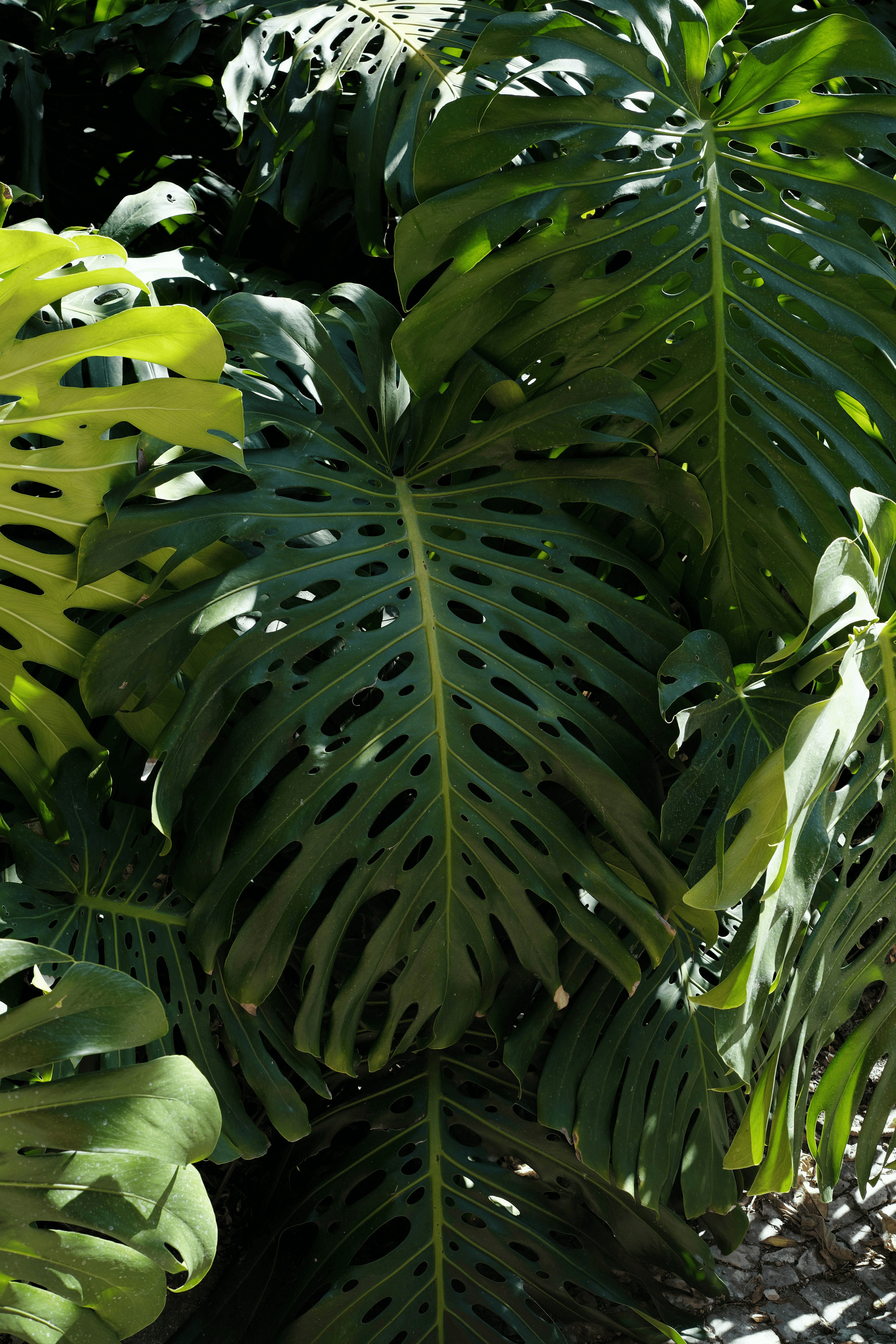
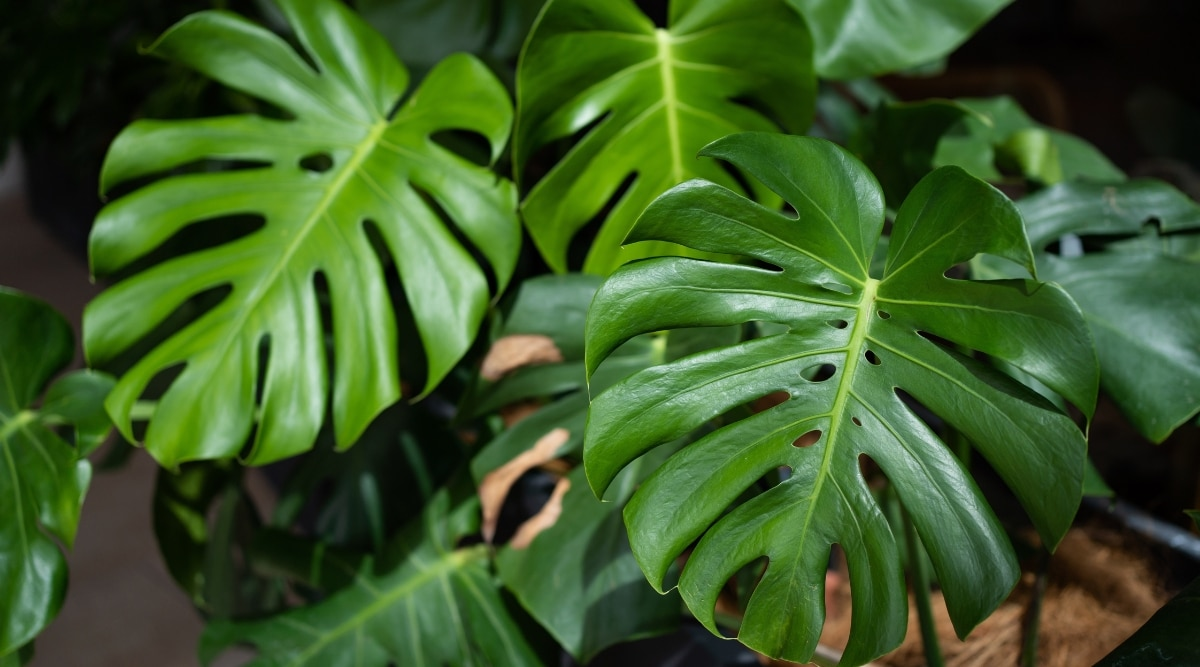
At first glance, the leaves of the Monstera deliciosa seem like a botanical enigma—a tapestry of heart-shaped, glossy greenery punctuated with holes and splits. These fenestrations are not merely aesthetic; they are a testament to the plant’s adaptability and evolutionary ingenuity.
Why the Holes and Splits?
The fenestrations in Monstera leaves have sparked numerous theories. Some speculate that these holes help the leaves withstand the forceful gusts of tropical storms by allowing wind to pass through, much like a sieve. Another suggestion is that the perforations help rainwater reach the plant’s roots more effectively in its native rainforest habitat, where competition for water can be fierce. While these ideas have merit, the true reason remains one of nature’s delightful mysteries, inviting us to appreciate the plant’s beauty and resilience.
Growing with Grace: The Transformation of Monstera Leaves
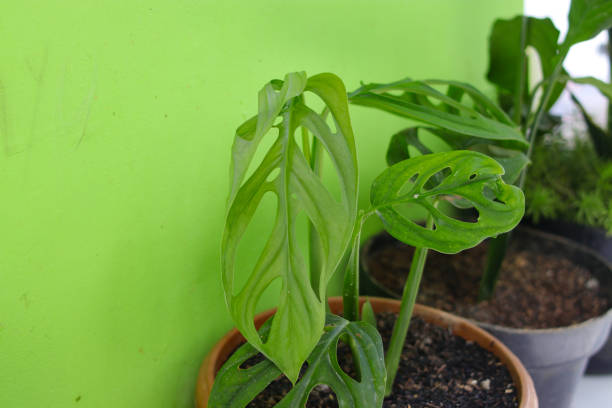
As the Monstera deliciosa matures, it undergoes a remarkable transformation. Young plants start with solid, heart-shaped leaves, reminiscent of a blank canvas ready to evolve into a masterpiece. Over time, and with the right conditions, the leaves begin to split and form their iconic holes. This process is much like an artist refining a painting, gradually revealing its final form.
Stages of Fenestration:
- Solid Heart Leaf: The journey begins with simple, solid leaves—nature’s way of laying the foundation.
- Side Slits: As the plant matures, slits appear along the edges, heralding the beginning of change.
- Primary Midrib Holes: Holes start forming parallel to the midrib, like a gentle whisper of what’s to come.
- Secondary and Tertiary Midrib Holes: Successive lines of holes emerge, crafting the intricate lacework that is the hallmark of a mature Monstera deliciosa leaf.
Cultivating the Icon: Care Tips for Fenestrated Foliage
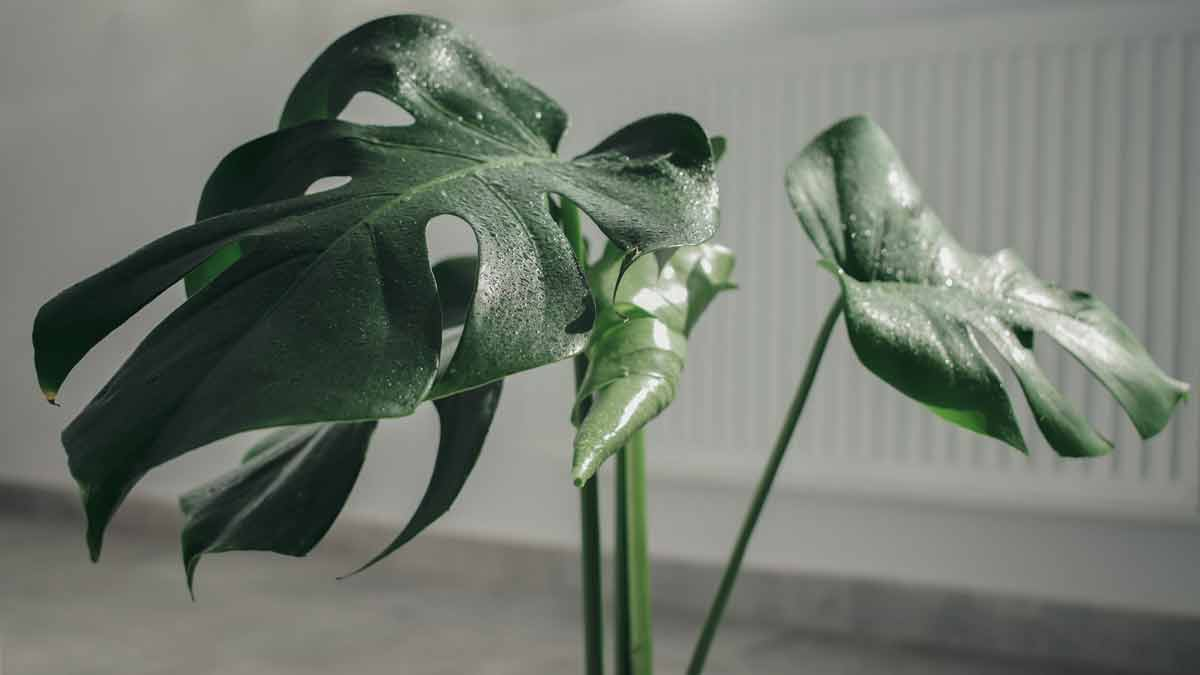
If you’re dreaming of those stunning, fenestrated leaves in your home, patience and proper care are key. Here’s how to help your Monstera thrive:
- Light: Position your plant in bright, indirect light. While it can tolerate lower light, brighter conditions encourage more dramatic fenestrations.
- Humidity: Emulate its tropical origins with moderate to high humidity. If your home is dry, consider using a humidifier or placing the pot on a pebble tray with water.
- Climbing Support: A moss pole isn’t just a decorative touch; it provides the support needed for larger leaves and more fenestrations.
- Watering: Water when the top inch or two of soil feels dry, ensuring good drainage to prevent root rot.
The Monstera’s Place in Our Hearts
Beyond its striking appearance, the Monstera deliciosa holds a special place in our hearts and homes. It’s a symbol of growth and abundance, a living testament to the beauty of nature’s designs. Whether you’re a seasoned plant enthusiast or a budding botanist, the Swiss Cheese Plant is sure to captivate and inspire, turning any space into a lush mini-rainforest.
In a world filled with the hustle and bustle of modern life, the Monstera deliciosa serves as a gentle reminder of the elegance and artistry inherent in the natural world. As you nurture this incredible plant, you’re not just growing a piece of decor; you’re cultivating a living masterpiece. So, next time you gaze upon those iconic leaves, take a moment to appreciate the wonder of nature’s handiwork—a botanical ballet of form and function.