

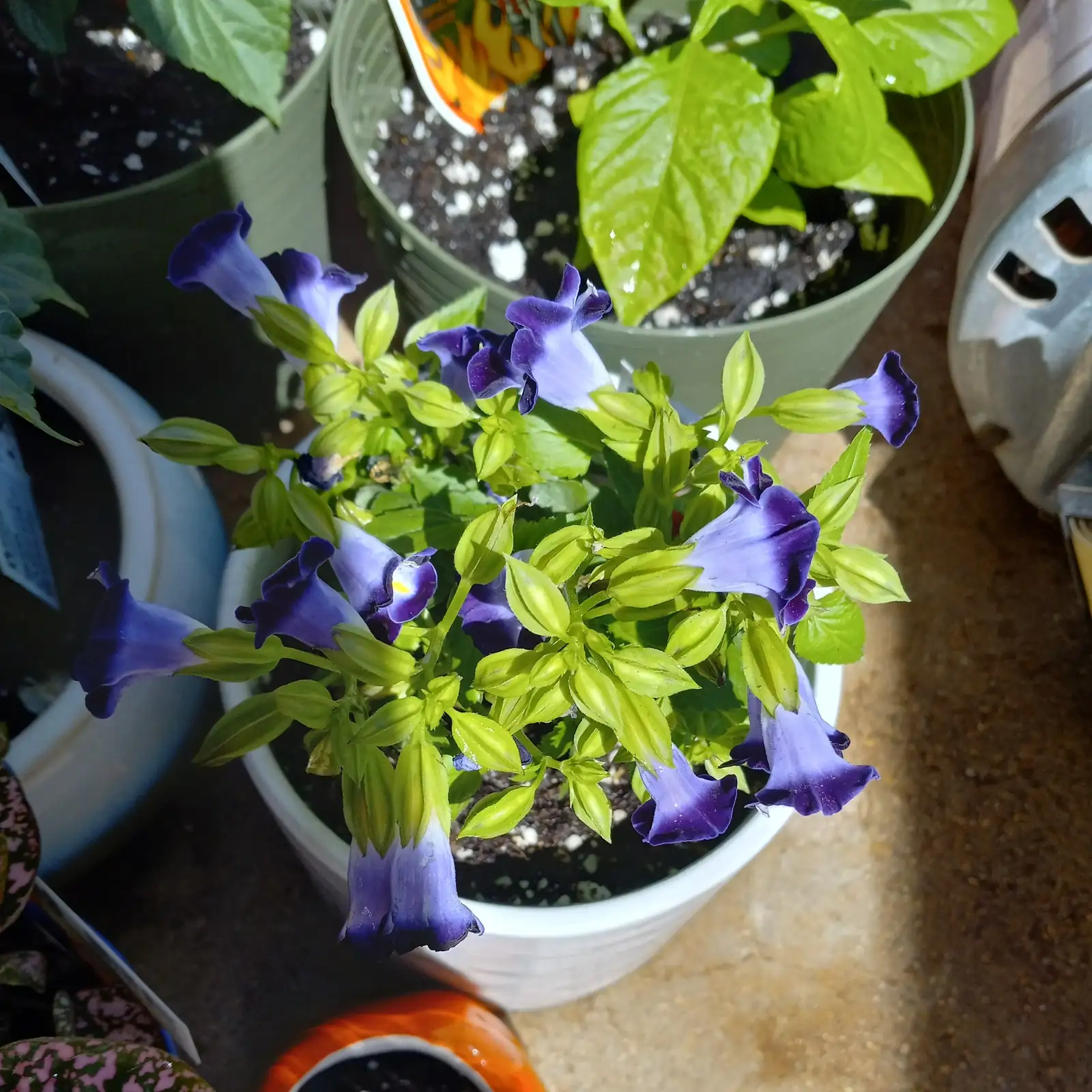
A Guide to Propagating Torenia fournieri from Seeds
Imagine your garden as a lively carnival where each plant plays a role in the grand performance of nature. Now, picture Torenia fournieri, commonly known as the Wishbone Flower, as the charming clown that brings color and cheer to the shadiest corners of your garden. With its trumpet-shaped blooms and vibrant colors, it’s the unsung hero of the shade garden. But how do you introduce this delightful performer to your garden stage? Let’s embark on a step-by-step journey to propagating Torenia from seeds, ensuring your garden is filled with vibrant life.
Why Grow Wishbone Flowers?
Before we dive into the technicalities, let’s set the stage for why Torenia is a worthy addition to your garden ensemble. This plant is not just about aesthetics; it’s a marvel of nature’s design. With flowers that resemble tiny pansies, Torenia blooms from late spring to fall, displaying an array of colors—blue, purple, pink, magenta, yellow, and white. Its self-cleaning nature means you won’t need to deadhead spent blooms, leaving you with more time to enjoy its charm.
Step-by-Step Guide to Growing Torenia from Seeds
Step 1: Gather Your Supplies
- Seeds: Start with high-quality Torenia seeds. They might be tiny, but they’re packed with potential.
- Seedling trays or small pots: Ensure they have good drainage.
- Seed raising mix: Opt for a light, loamy mix that retains moisture but drains well.
- Spray bottle: For gentle watering.
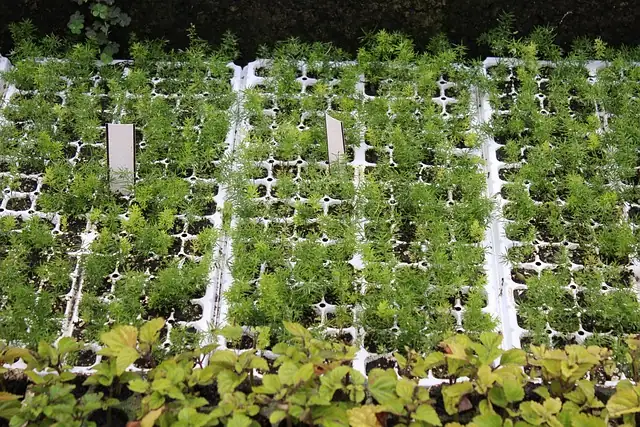
Step 2: Timing is Everything
Begin the process indoors 8–10 weeks before the last expected frost in your area. This timing gives the seedlings a head start, ready to be transplanted when conditions are just right.
Step 3: Planting the Seeds
- Surface sow: Torenia seeds require light to germinate, so sprinkle them on top of the seed raising mix without covering them. Gently press them into the surface to ensure good contact.
- Moisture and warmth: Keep the soil consistently moist using a spray bottle. Aim for a temperature around 21°C (70°F) to encourage germination, which typically occurs in 7–15 days.

Step 4: Nurturing the Seedlings
Once your seeds sprout, place them in a spot with bright, indirect light. A sunny windowsill with morning sun is ideal. As the seedlings grow, ensure they have good airflow to prevent fungal diseases.
Transplanting: The Move to the Garden
Step 5: Preparing to Transplant
When seedlings have developed a few true leaves, it’s time to prepare them for the outdoors. Harden them off by gradually exposing them to outdoor conditions over a week.
Step 6: Choose the Right Spot
- Location: Torenia thrives in partial to full shade, particularly where afternoons are hot.
- Soil: Plant in rich, moisture-retentive but well-draining soil. Incorporate compost to enhance soil quality.
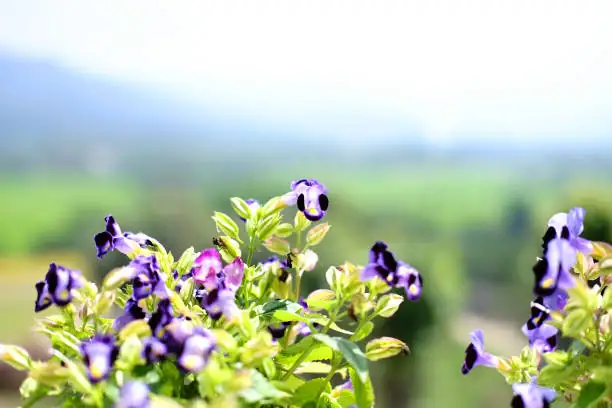
Step 7: Planting and Care
- Spacing: Space the plants 20–30 cm apart to allow for growth.
- Watering: Keep the soil evenly moist but avoid waterlogging. Water at the base to reduce mildew risk.
- Mulch: Apply mulch to help retain moisture and keep roots cool.
Tips for Success
- Fertilization: Feed Torenia every 2–4 weeks during the growing season with a balanced, water-soluble fertilizer.
- Pests: Watch for aphids and whiteflies; use insecticidal soap if needed.
- Humidity: Maintain moderate to high humidity to keep your Torenia happy.
Bringing the Carnival to Your Garden
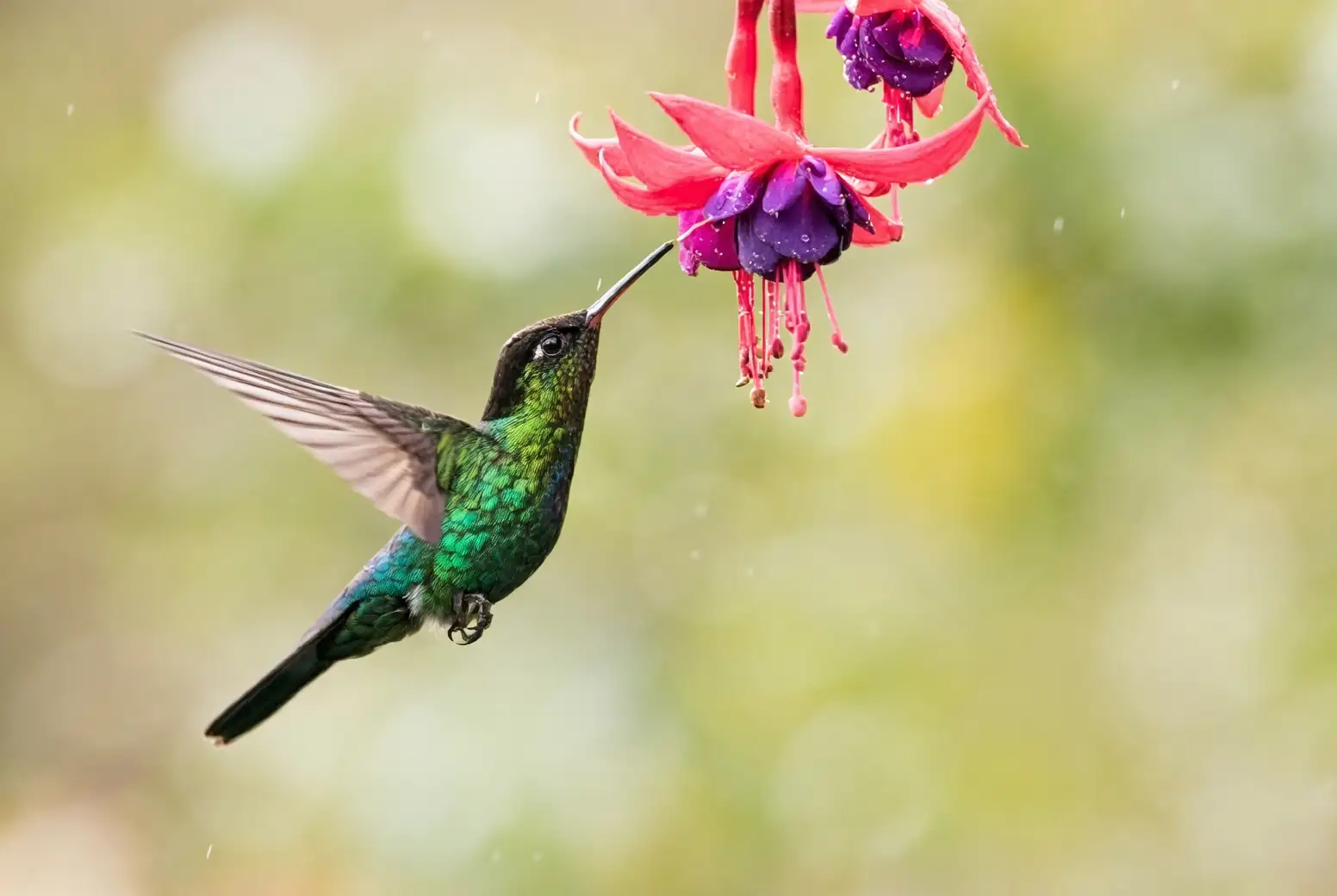
With these steps, you’re well on your way to transforming your garden into a vibrant, lively space with Torenia fournieri at the heart of the show. These plants, with their whimsical wishbone-shaped stamens and dazzling colors, are not just eye-catching—hummingbirds and bees find them irresistible too!
Remember, gardening is an art, and each plant adds its unique brushstroke to the canvas. Torenia is more than just a flowering plant; it represents happiness and a touch of luck, thanks to its wishbone-like stamens. By cultivating Torenia, you’re not just planting a flower; you’re inviting joy and a splash of color into your life. So go ahead, plant those seeds, and let the magic unfold in your garden carnival.


