

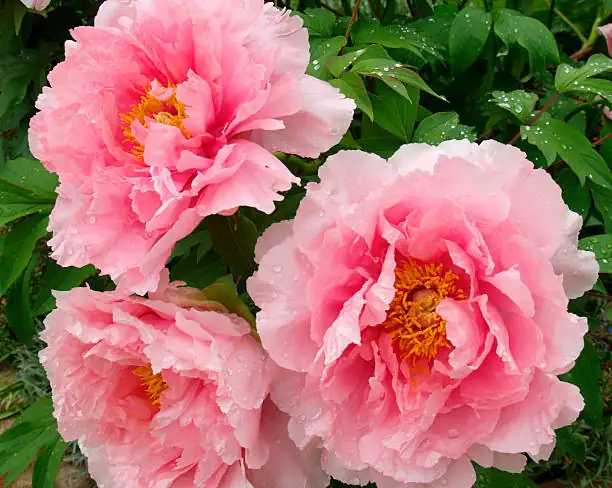
The Quirky World of Tree Peonies: Nature’s Architectural Marvels
What makes a plant truly fascinating? Is it the vibrant hues of its flowers, the intriguing ways it adapts to its environment, or perhaps its storied past entwined with culture and legend? Enter Paeonia × suffruticosa, commonly known as the tree peony—a botanical wonder that marries all these elements in one stunning package.
A Regal Past and Cultural Significance
Often hailed as the “king of flowers” in Chinese culture, tree peonies have been cherished for centuries for their opulent blooms and elegant stature. These plants are more than just garden showstoppers; they’re woven into the fabric of history and myth. From ancient Chinese texts to the legends of Greek mythology, where Paeon, the physician of the gods, was transformed into a peony to escape divine jealousy, these flowers have long symbolized prosperity, honor, and romance.
In the city of Luoyang, China, tree peonies are not just flowers but cultural icons. Known affectionately as the “City of Peonies,” Luoyang celebrates these blooms with festivals that draw visitors from around the world each spring—a testament to the perennial allure of these majestic plants.
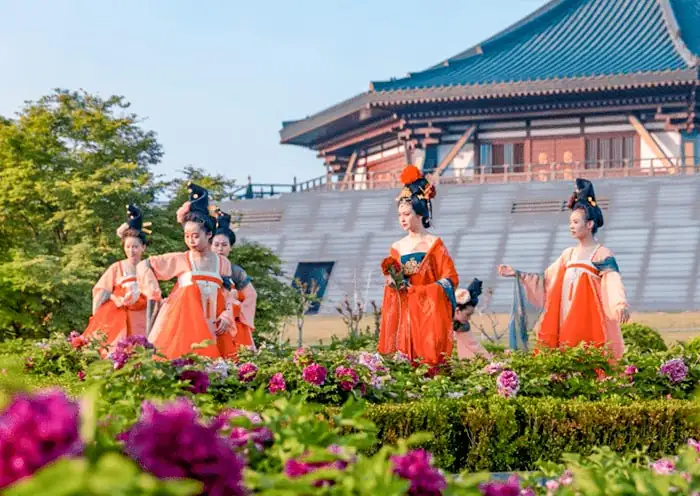
Growth Habits: The Woody Wonders
Unlike their herbaceous cousins, which retreat underground during winter, tree peonies boast sturdy, woody stems that endure year after year. Think of them as the architectural wonders of the plant world—small shrubs that gradually evolve into magnificent clumps over decades. They can reach a height of 1–2 meters (3–6.5 feet), creating a breathtaking spectacle when in full bloom.

This woody resilience not only lends them an enduring presence in the landscape but also makes them fascinating subjects for propagation. While many garden peonies get a head start by being grafted onto herbaceous rootstock, tree peonies can also be divided—a process that involves a bit of botanical artistry, requiring patience and a keen eye for detail.
A Palette of Peony Perfection
When it comes to flower power, tree peonies do not disappoint. Their blooms are nothing short of spectacular, with silky petals that range from pure whites and blush pinks to deep reds. These flowers, often fragrant, can reach up to 10 inches in diameter, making them a dramatic focal point in any garden.
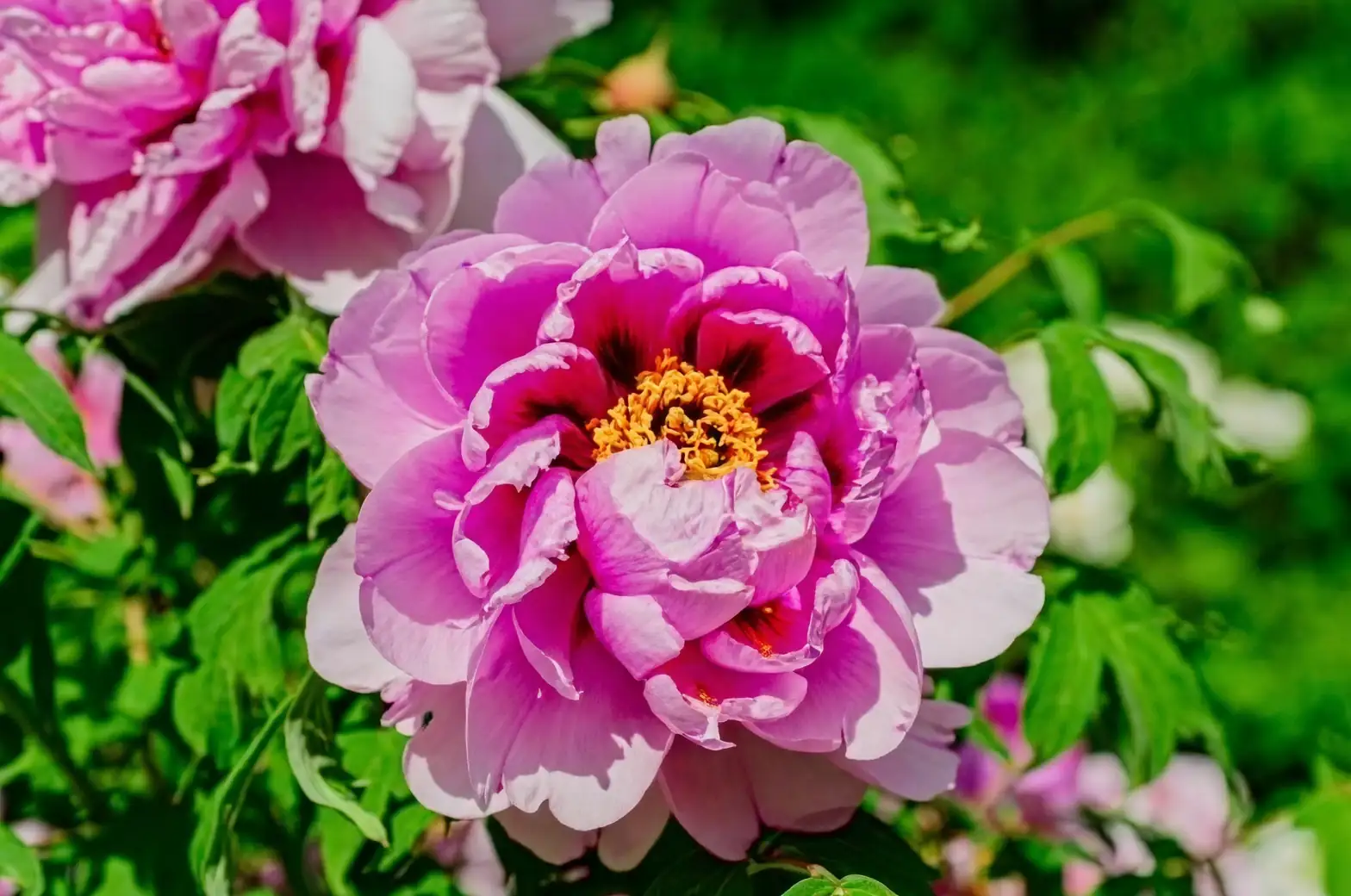
The flowering season is a much-anticipated event, typically unfolding from late spring to early summer. For gardeners, the challenge—and joy—is in nurturing these blooms to their fullest potential, ensuring they are protected from harsh midday sun in hotter climates and given the cool, temperate growing conditions they adore.
Quirky Propagation: A Glimpse into Peony Parenthood
Tree peonies have a couple of unique tricks up their sleeves when it comes to propagation. Division is a common method, where mature clumps are carefully separated to create new plants. Grafting, often onto the rootstock of the herbaceous peony, is another technique employed to speed up establishment. This method can be likened to adopting a fast track to floral glory, combining the best of both peony worlds.
Care Tips: Keeping the King Content
While tree peonies are relatively low-maintenance once established, they do have their preferences. They thrive in well-drained, fertile soil and prefer to avoid “wet feet,” as waterlogged conditions can lead to root rot. Regular feeding during the growing season and a cool winter rest are key to keeping these regal plants happy.
Fun Peony Facts to Ponder
- Longevity: Tree peonies can live for over 50 to 100 years, often outlasting the gardeners who first planted them.
- Ant Allies: Ants are often seen on peony buds. These tiny gardeners are attracted to the nectar and help protect the buds from pests.
- Seasonal Spectacle: Each peony variety blooms at its own pace, creating a staggered display of color across the garden.
In conclusion, tree peonies are more than just plants; they are living legacies, architectural masterpieces, and cultural icons. Whether you’re a seasoned gardener or a curious enthusiast, there’s always something new and delightful to discover about these magnificent blooms. So, next time you encounter a tree peony, take a moment to appreciate its rich history and the quirky, enduring charm it brings to the garden.


