

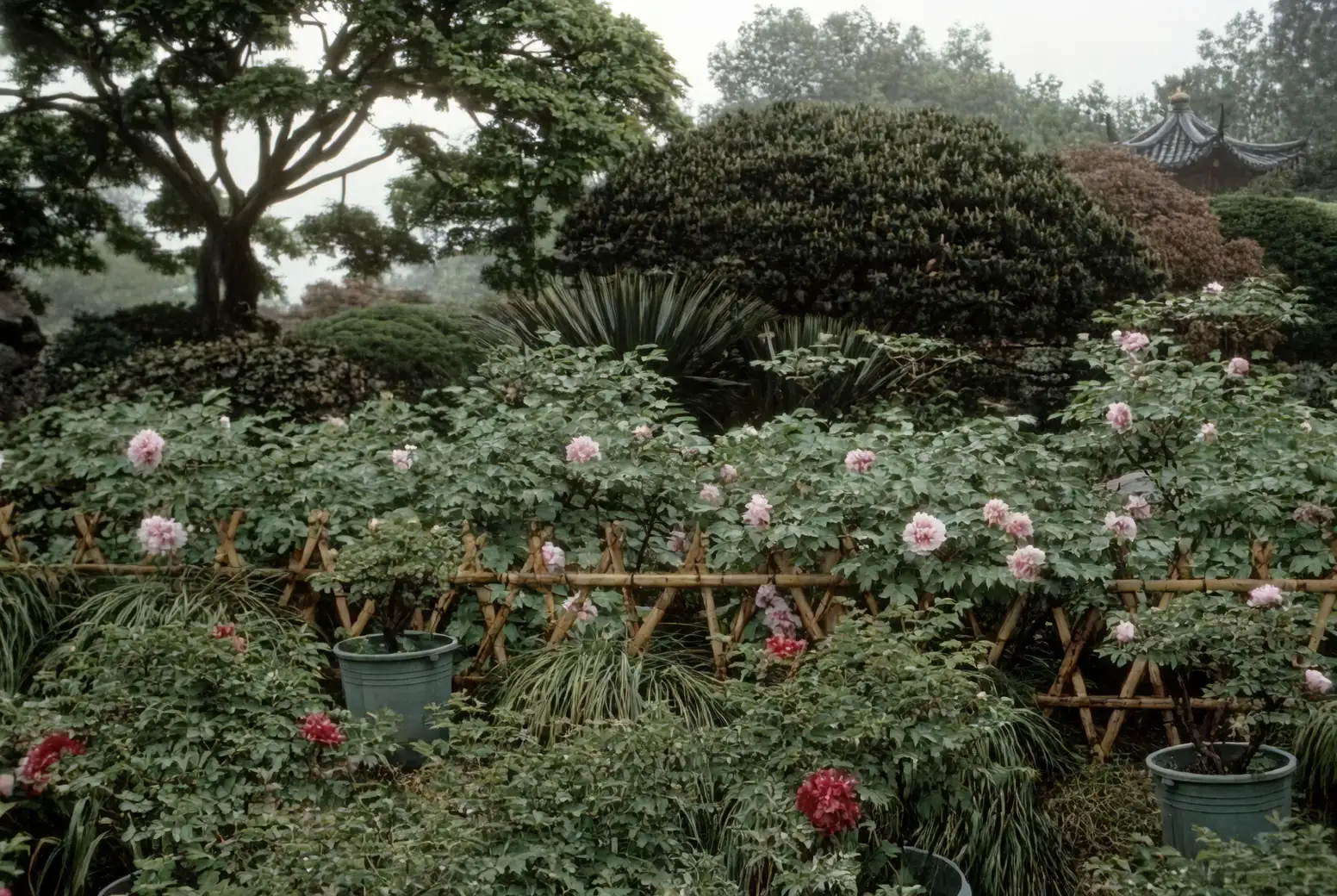
From Imperial Gardens to Global Glory: The Journey of the Tree Peony
Imagine a flower so revered it was granted the title “King of Flowers.” This is the tree peony, scientifically known as Paeonia × suffruticosa, a plant that has captivated the hearts of gardeners and emperors alike for centuries. Originating in the mountainous regions of China, the tree peony has a storied history that intertwines with art, culture, and horticulture—a journey that has seen it become a cherished gem in gardens around the world.
The Ancient Allure of the Tree Peony
The tree peony’s allure began in ancient China, where it was cultivated as early as the Tang dynasty (618-907 AD). Legends abound, such as the tale of Empress Wu Zetian, who commanded all flowers to bloom during winter. The proud peony refused, earning its “banishment” to Luoyang, where it flourished, symbolizing integrity and resilience. This association with nobility and elegance quickly elevated it to a favored status, becoming a staple in imperial gardens and a muse for poets and artists.
Tree peonies, or 牡丹 (mǔdān) in Chinese, symbolize prosperity, wealth, and honor. In the language of flowers, their myriad hues carry deep meanings: pink for romance, red for love and respect, and white for purity and reverence. These meanings are deeply rooted in Chinese culture, where the peony is often depicted in art and celebrated during festivals.

The Botanical Marvel
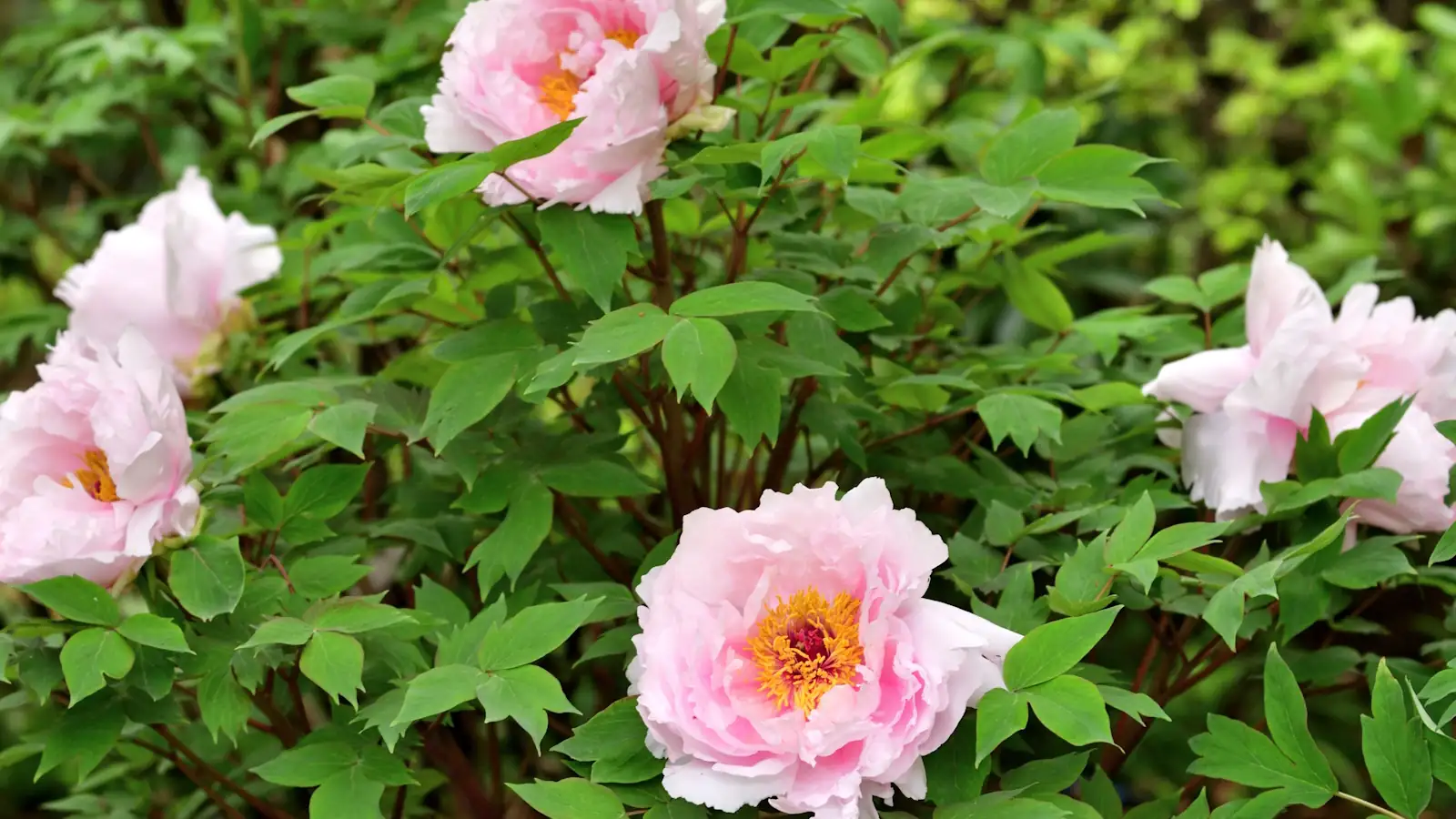
Unlike their herbaceous relatives, tree peonies boast woody stems that remain through winter, forming an architectural shrub over time. This perennial structure allows them to thrive for decades, making them a long-term investment for any garden. Their blooms are nothing short of spectacular—extravagant, ruffled petals in a wide array of colors, often accompanied by a delightful fragrance.
Tree peonies are not just eye candy; they require specific care to reach their full potential. They prefer cool, temperate climates and thrive in well-drained, fertile soil. While they are drought-tolerant once established, consistent moisture in the spring enhances their blooming. However, they dislike “wet feet,” so good drainage is crucial to prevent root rot.
Cultivation Across Continents
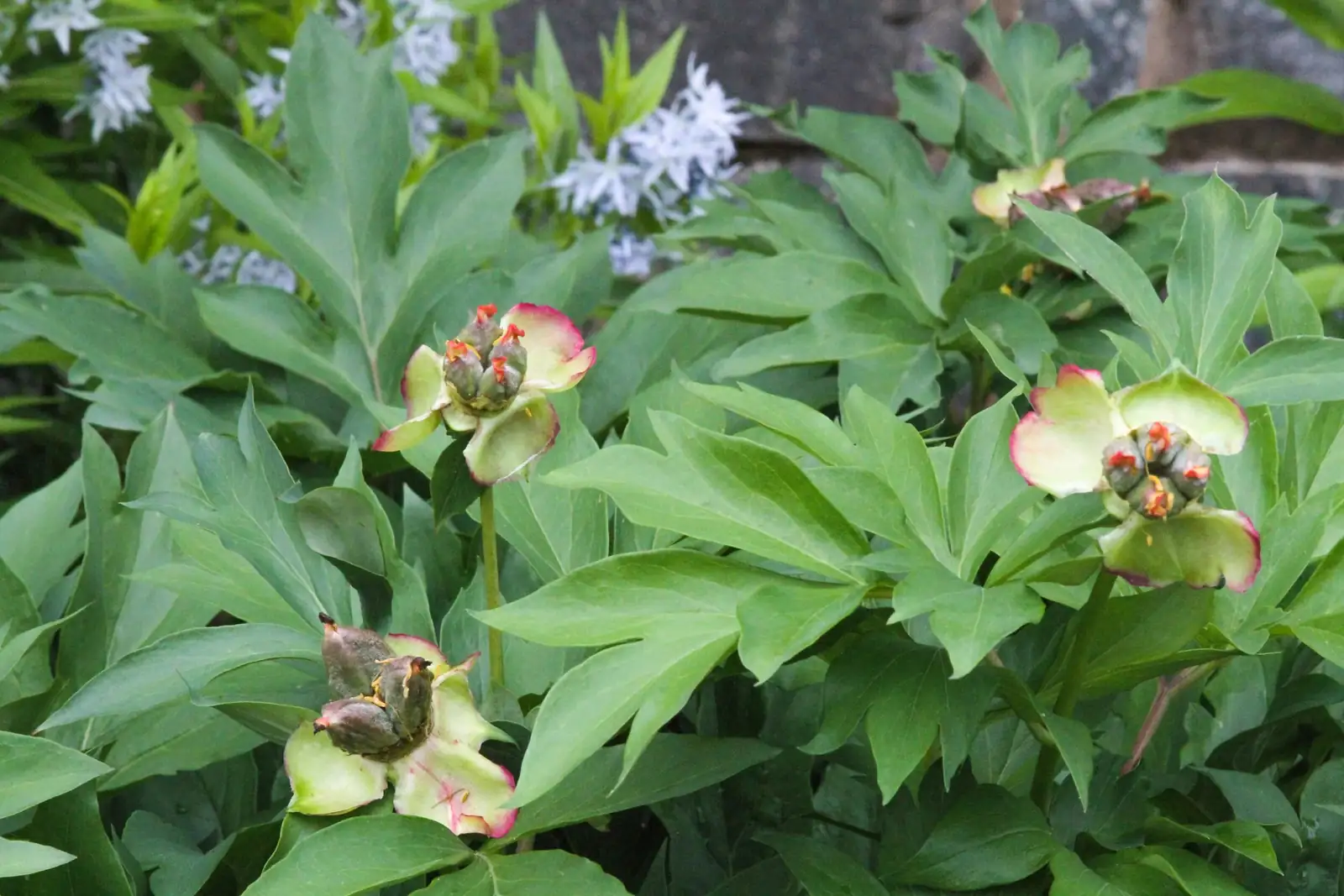
As the tree peony’s fame spread, so did its cultivation. It found new admirers in Japan, where hybridization efforts led to unique varieties that further enhanced its appeal. Today, tree peonies are cherished worldwide, from Europe to North America, often gracing gardens with their stately presence.
Modern gardeners enjoy cultivating them in diverse settings—from sprawling garden beds to compact patio pots. The key is providing the right conditions: full sun to light shade, especially in cooler climates, and protection from harsh midday heat in hotter regions. For urban gardeners, a sunny balcony with filtered light can provide a perfect home for these majestic plants.
The Art and Science of Growing Tree Peonies
Growing a tree peony requires a bit of patience and care—a dance between nature and nurture. Begin with a sturdy plant boasting well-developed roots and a few main stems. As it settles into its new home, ensure it receives bright light and isn’t waterlogged. Regular feeding during the growing season, with a focus on phosphorus and potassium, helps support vibrant blooms.
Pruning is an art in itself. Rather than cutting to the ground, as with herbaceous peonies, tree peonies benefit from careful thinning to improve airflow and light penetration. This encourages fewer but larger and more vibrant flowers.
Challenges and Triumphs
Despite their regal presence, tree peonies aren’t without challenges. They can be sensitive to pests like aphids and spider mites, and fungal issues can arise in poor airflow conditions. However, with proper care and preventive measures, such as good spacing and avoiding overwatering, these issues can be managed.
Their sensitivity to extreme heat and humidity can also be a hurdle; hence, gardeners must provide some afternoon shade in hot climates to protect the delicate blooms and foliage.
A Timeless Symbol
The tree peony’s journey from the imperial gardens of China to the global stage is a testament to its timeless beauty and resilience. Whether enjoyed in a serene garden setting or as a dramatic cut flower in a vase, the tree peony continues to captivate with its elegance and grace.
In embracing the tree peony, gardeners partake in a rich tradition, cultivating a plant that not only enhances their outdoor spaces but also connects them to centuries of cultural and botanical history. Indeed, planting a tree peony is like planting a piece of history—a legacy that will bloom beautifully for generations to come.


