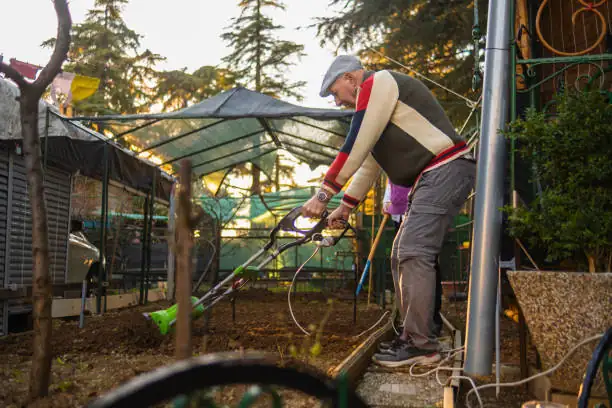
In today’s tech-savvy world, gardening is not just about getting your hands dirty in the soil. It’s also about integrating technology to boost plant growth and make gardening more efficient and fun. From electroculture to smart plant monitoring systems, let’s explore how electronic devices and their parameters can revolutionize your garden.
What is Electroculture and How Does it Work?
Electroculture is a fascinating gardening method that uses electrical currents to enhance plant growth. Originating in the 18th century, this technique is gaining traction again as a sustainable alternative to synthetic fertilizers and pesticides. Here’s how it works:
- Electrical Stimulation: By applying a weak electrical field to plants or soil, electroculture can enhance nutrient uptake and stimulate growth. This is usually done using direct current (DC) or alternating current (AC) applied through electrodes in the soil.
- Benefits: Research suggests that electroculture can increase crop yields by up to 20-30%, improve the nutritional value of produce, and reduce the reliance on chemical fertilizers—making it an eco-friendly option for gardeners.
Getting Started with Electroculture
To try electroculture in your garden, you’ll need a basic understanding of electrical principles and some simple materials:
- Materials Needed: A low-voltage battery or power source, electrodes or copper wires, and some basic tools for setting up your system.

- Setup Tips: Start by securing the electrodes in the soil and connecting them to your power source. Monitor your plants’ response and adjust the current as needed. Remember, too much electricity can harm your plants, so start with minimal settings.
Embracing Smart Gardening with IoT
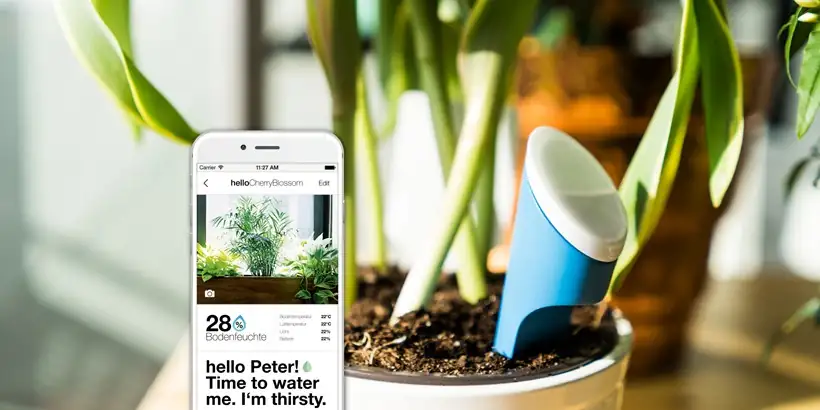
Incorporating the Internet of Things (IoT) into gardening is like having a personal assistant who never takes a break. Smart plant monitoring systems use sensors to track various parameters like soil moisture, light levels, and temperature.
Key Features of Smart Gardening Devices
- Real-Time Monitoring: Devices like soil moisture sensors and light detectors send data to your smartphone, allowing you to make timely decisions about watering and plant care.
- Automation: Some systems can automate watering or adjust lighting based on the data collected, reducing the need for constant manual intervention.
- Example Scenario: Imagine you’re at work and get a notification on your phone that your plants need water. With a smart irrigation system, you could water them remotely, ensuring they stay healthy even when you’re not home.
Common Mistakes to Avoid
- Over-Reliance on Technology: While gadgets are helpful, they should complement, not replace, your gardening instincts. Regularly check plants for signs of stress or disease.
- Ignoring Manual Checks: Always double-check automated systems. A faulty sensor could give inaccurate readings, leading to overwatering or underwatering.
- Neglecting Regular Maintenance: Keep your devices clean and regularly update their software to ensure they function correctly.
Conclusion
Whether you’re intrigued by the potential of electroculture or excited about the convenience of smart gardening devices, these technologies offer innovative ways to enhance your gardening experience. By understanding and leveraging the power of electricity and IoT, you can boost your garden’s productivity and make plant care easier and more sustainable. So why not give these high-tech methods a try and see how they transform your green space?