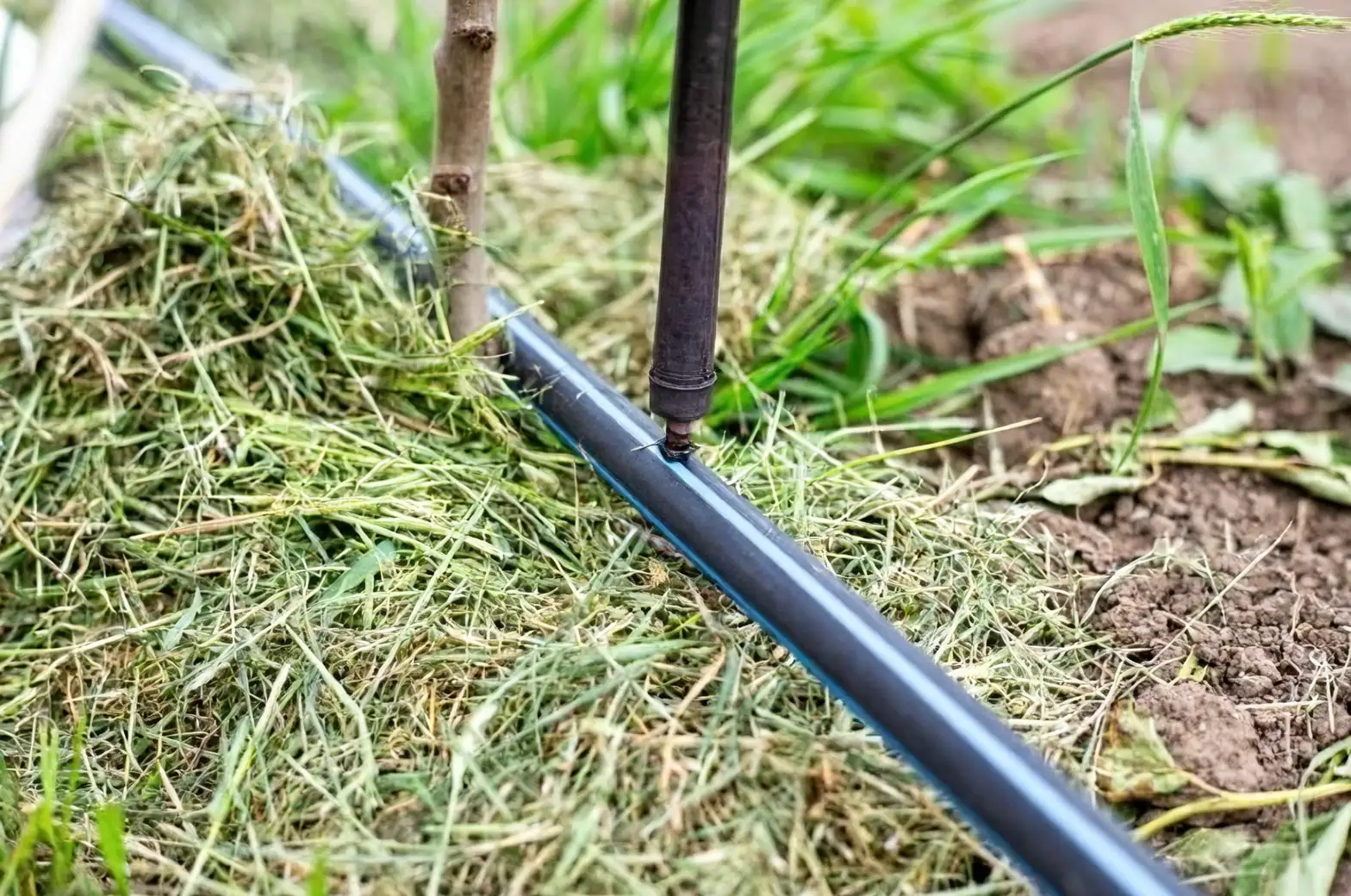
Drip irrigation systems are a gardener’s best friend, offering an efficient way to keep plants hydrated while saving water. However, just like any friend, sometimes they need a little help to stay in tip-top shape. One common hiccup is clogging, which can turn your green oasis into a desert if left unchecked. But don’t worry! Here’s how you can identify what causes these clogs and how to clean them, ensuring your garden stays lush and healthy.
Why Drip Systems Get Clogged
Understanding why clogs happen is the first step in preventing them. Here are the main culprits:
Sediment Buildup
Sediment, like dirt and sand, can sneak into your system, especially if your water source isn’t well-filtered. Over time, these particles accumulate and block the tiny openings in your emitters and driplines.
Algae and Microorganisms
If your system uses untreated surface water, algae and other microorganisms can thrive inside the moist environment of your drip lines, forming biofilms that obstruct water flow.
Chemical Reactions
Using fertilizers in your drip system (called fertigation) can be beneficial, but it also poses a risk. Chemical reactions between the fertilizers and minerals in the water can cause crystallization, leading to blockages.
How to Clean and Prevent Clogs
Regular maintenance is your best defense against clogs. Here’s how you can keep your system running smoothly:
Regular Flushing
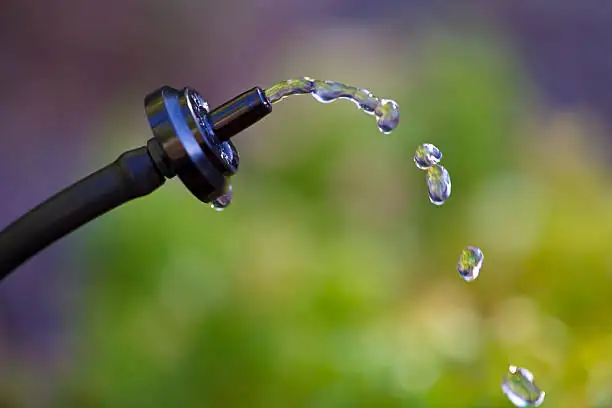
Flush your system with clean water at least three times a season. This helps dislodge any small debris before it becomes a bigger problem. To do this, remove the end caps from your main lines and let the water flow freely, flushing out any accumulated particles.
Acid Flushing
If your system is particularly clogged, an acid flush might be necessary. Mixing water with a small amount of hydrochloric or muriatic acid can dissolve mineral deposits. Always follow safety guidelines and manufacturer instructions when handling acids.
Inspect and Clean Emitters
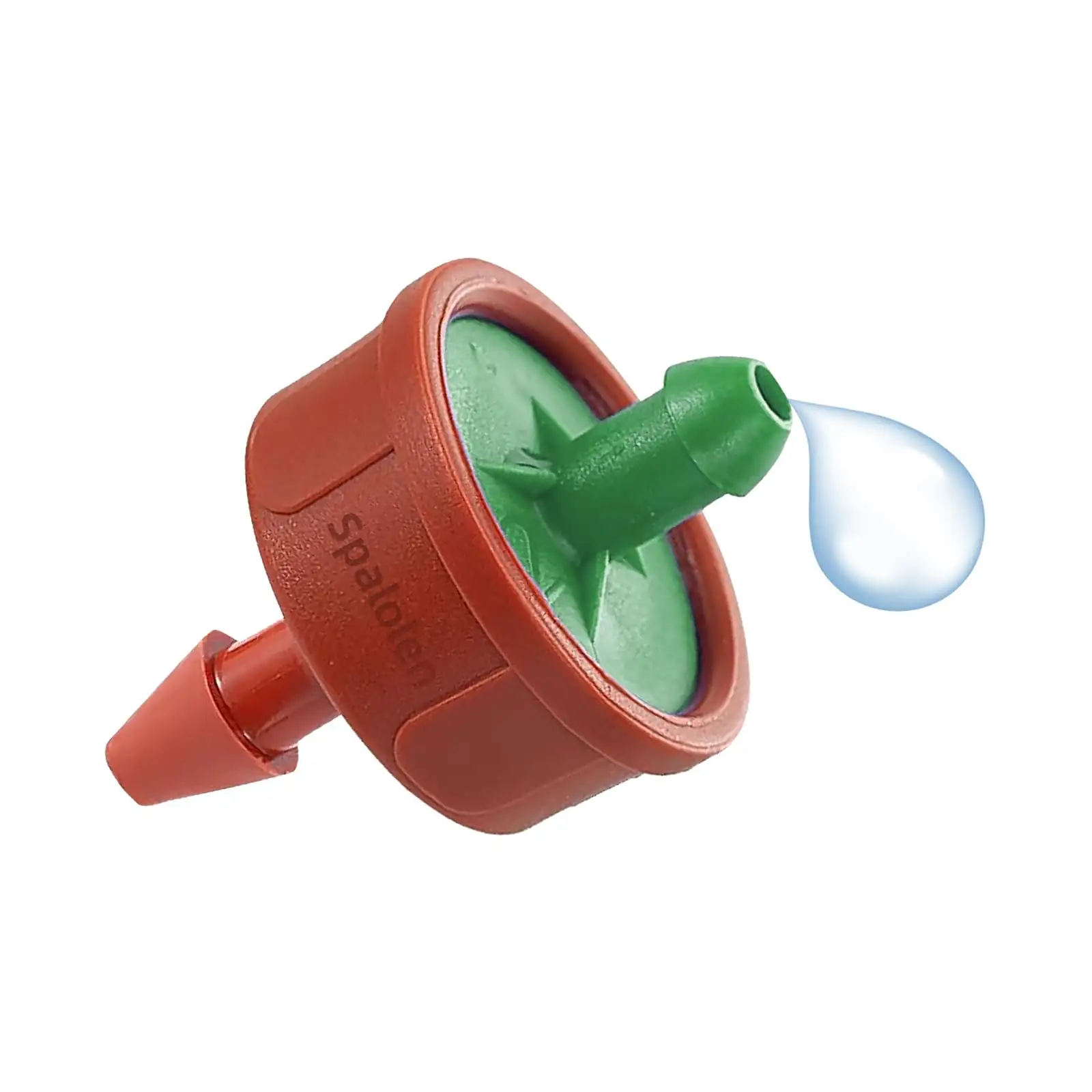
Remove individual emitters and soak them in vinegar or a mild acid solution to clear blockages. You can also gently poke through the emitter holes with a thin wire to dislodge stubborn debris.
Check Your Filters
Ensure that your filtration system is installed correctly and inspect it regularly. Clean or replace filters as needed to prevent sediment from entering the drip lines.
Tips for Ongoing Maintenance
- Monitor Water Quality: If possible, use filtered water or install a good filtration system to reduce sediment and chemical buildup.
- Inspect Regularly: Walk through your garden weekly to check for dry spots or uneven growth, which may indicate a clog.
- Avoid Over-Fertilizing: Use fertilizers sparingly and consider water-soluble options to minimize the risk of crystallization.
Common Mistakes to Avoid
- Ignoring Maintenance: Skipping regular flushing and cleaning can lead to more frequent and severe clogs.
- Improper Installation: Ensure emitters are correctly installed and compatible with your system to prevent leaks and blockages.
- Using Unfiltered Water: Unfiltered water increases the risk of sediment and biological growth, leading to clogs.
By understanding the causes of clogs and how to prevent them, you can keep your drip irrigation system functioning smoothly, ensuring your plants get the water they need to thrive. With a little regular upkeep, your garden will stay healthy and beautiful all season long!