

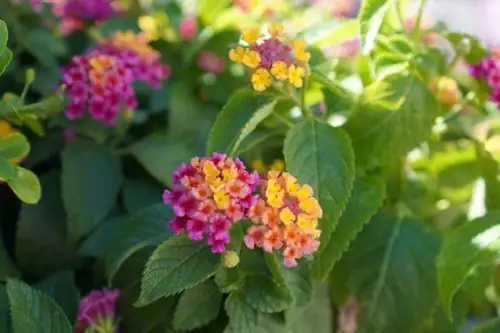
As the chill of autumn sneaks in and winter whispers its arrival, many gardeners are left wondering how to preserve their vibrant outdoor blooms. Enter Lantana camara, a dazzling performer known for its rainbow-hued flower clusters that can brighten any space. If you find yourself captivated by this flowering shrub and want to keep it alive indoors through the colder months, you’ve come to the right place. Let’s explore how to transition your lantana indoors and keep it flourishing until the warmth of spring returns.
Preparing Your Lantana for Indoor Life
Transitioning lantana indoors is like inviting a summer guest to stay for the winter. It requires a bit of preparation, but the reward is a splash of color and life when the outside world turns gray.
Timing is Everything
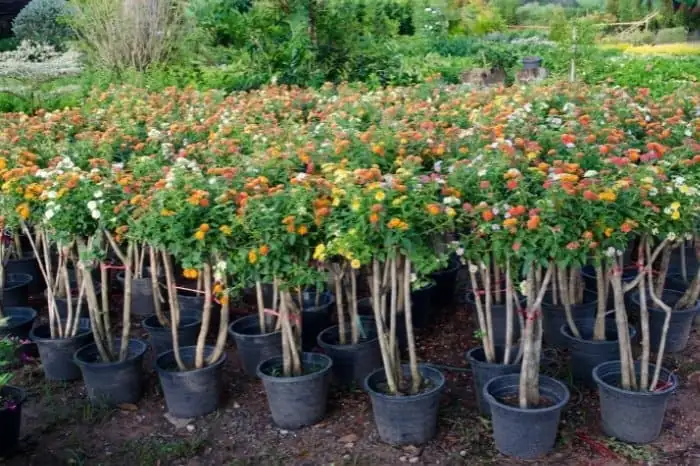
Begin by moving your lantana indoors just before the first frost. If your plant is in the ground, gently dig around its perimeter and transfer it into a large container with plenty of drainage. Already potted plants can simply be relocated. This careful timing ensures your lantana avoids the shock of sudden temperature changes.
The Perfect Spot
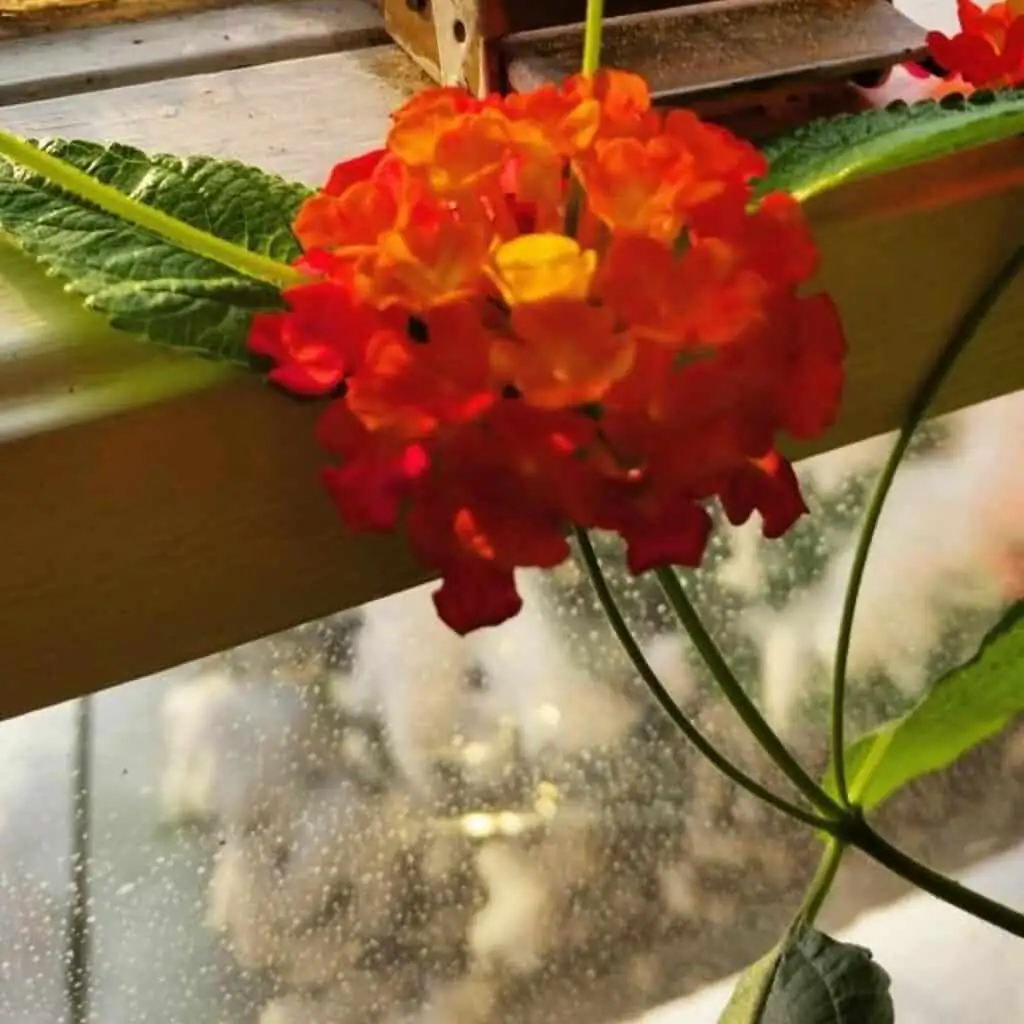
Once inside, your lantana will crave sunlight like a beach lover in mid-January. Aim to place your plant in a spot where it can soak up at least 6 to 8 hours of bright, indirect sunlight daily. A sunroom or a south-facing window can simulate the full sun exposure it loves outdoors. Without enough light, you might notice leaves turning yellow or dropping—an SOS from your plant that it’s feeling neglected.
Creating the Ideal Environment
Lantanas thrive in warmth, so aim to keep indoor temperatures above 13°C (55°F). While they’re flexible with humidity, maintaining a moderate level can prevent any stress.
Caring for Your Indoor Lantana
Now that your lantana is settled in, let’s talk about ongoing care. Think of it as keeping a beloved pet happy—attentive, but not overbearing.
Water Wisely
Lantanas prefer a “drink and dry” approach. Water deeply, then allow the top layer of soil to dry out before the next watering. Overwatering can lead to root rot, so ensure your pot has excellent drainage. In the slower growth of winter, your lantana will need less water than during its vigorous summer days.
Fertilizer and Feeding
Resist the urge to overfeed. A light feeding in the spring is usually sufficient, as too much fertilizer can lead to lush leaves at the expense of flowers. For indoor overwintering, you can hold off on fertilization until the growing season resumes.
Pruning and Propagation
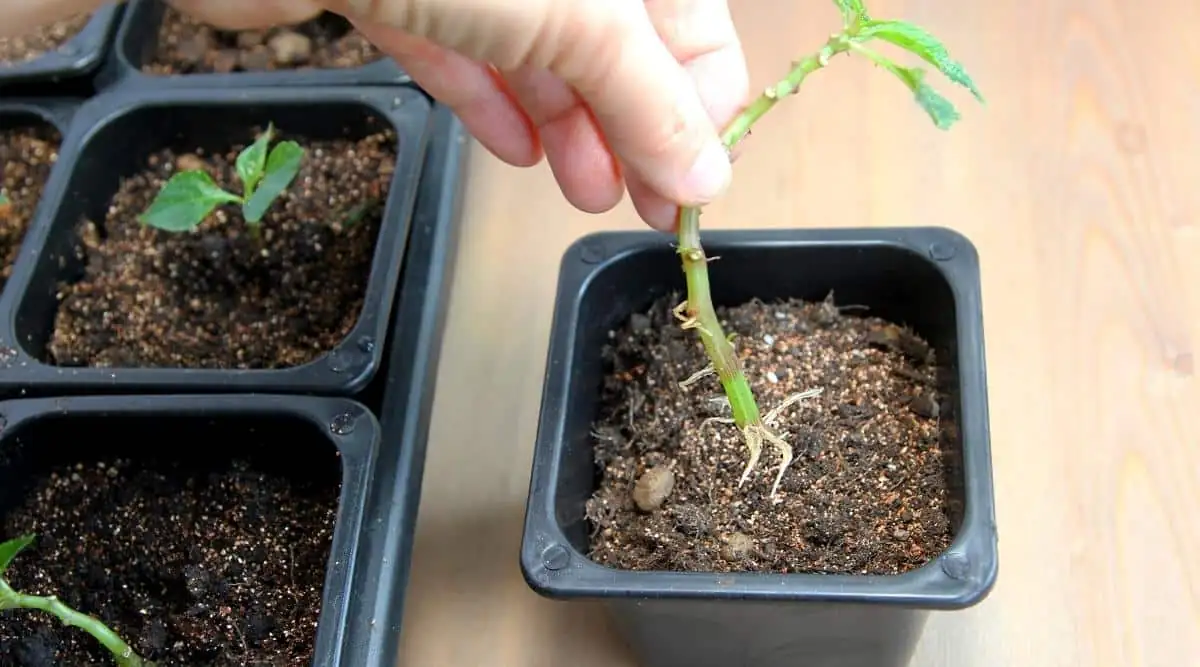
Lantana is forgiving and benefits from a good pruning. Trim back hard in early spring to encourage new, bushy growth and vibrant blooms. If space is a concern, or if you’re simply looking to multiply your collection, propagating from cuttings is a rewarding project. Take 10–15 cm (4–6 in) cuttings and root them in a well-draining mix for new plants by spring.
Troubleshooting: Common Concerns
- Why isn’t my lantana blooming indoors? It might be yearning for more light, or perhaps it’s getting too cozy with the nitrogen in its soil—more leaves, fewer flowers.
- Dealing with pests: Keep an eye out for aphids, whiteflies, or spider mites, especially when indoor air is dry. A gentle insecticidal soap can work wonders.
The Symbolism of Lantana
Lantana’s ever-changing colors can symbolize transformation and adaptability. Just as its flowers shift from yellow to orange to red, this resilient plant thrives in environments where others might struggle. Its lively blooms whisper stories of joy and positivity, making it a delightful companion to brighten the darkest days of winter.
A Final Thought
Bringing lantana indoors is more than a horticultural exercise—it’s a way to capture the essence of summer and keep it alive during the winter months. With just a little effort, your lantana can continue to dazzle and delight, standing as a testament to resilience and the promise of warmer days. So, why not invite a bit of the tropics into your home and watch as lantana transforms your winter blues into a rainbow of blooms?


