

Dive into the Quirky World of Lantana camara’s Color-Changing Blooms
Imagine a garden filled with vibrant colors that seem to dance and shift with every passing day. Lantana camara, often affectionately called the “Spanish Flag” or “Seven Sisters,” is the quintessential party guest in any garden, boasting an array of colors that change as if by magic. But what’s behind this botanical wizardry? Let’s peel back the layers on this fascinating phenomenon and explore the science and evolution at play.
The Color-Changing Act
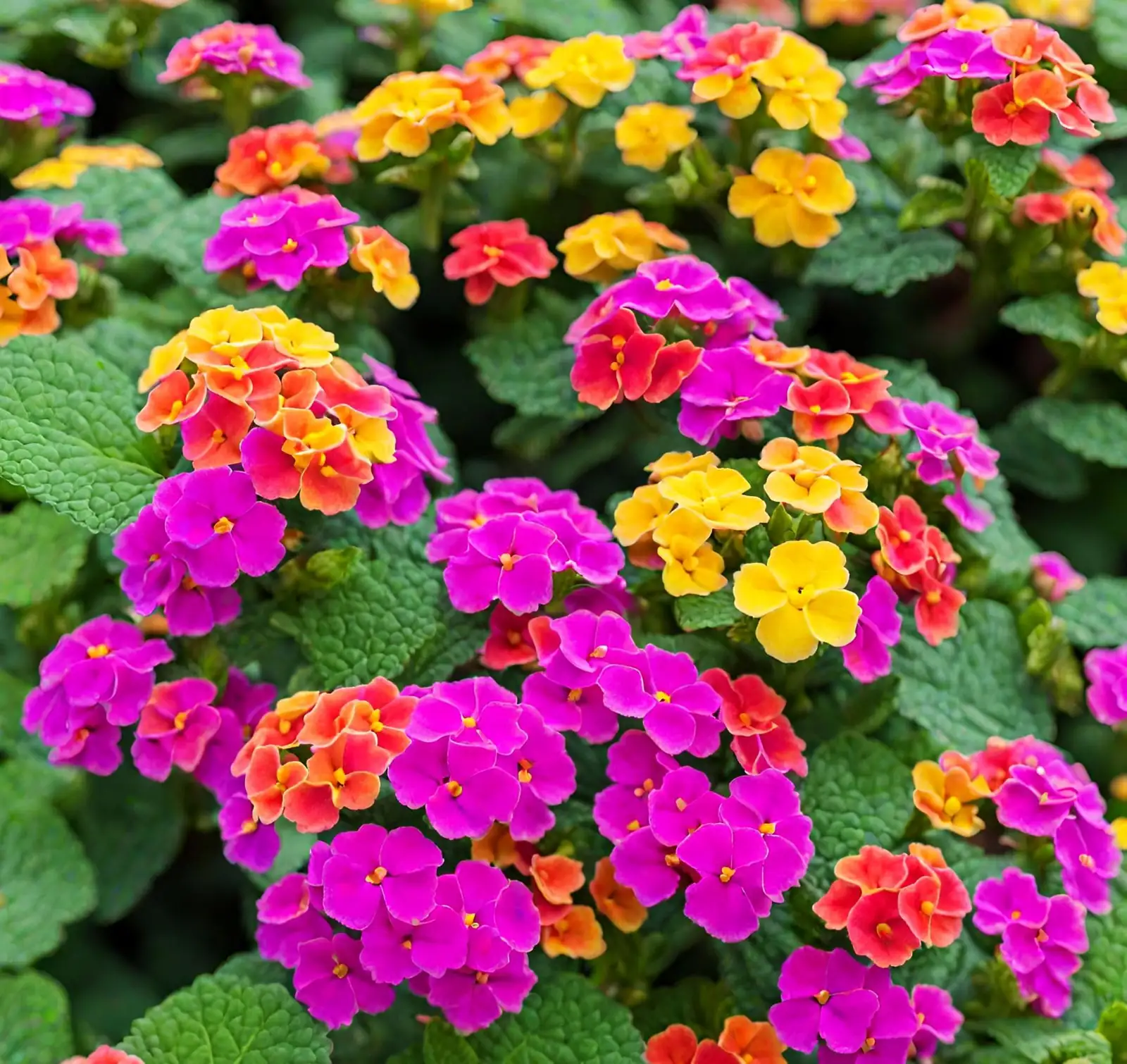
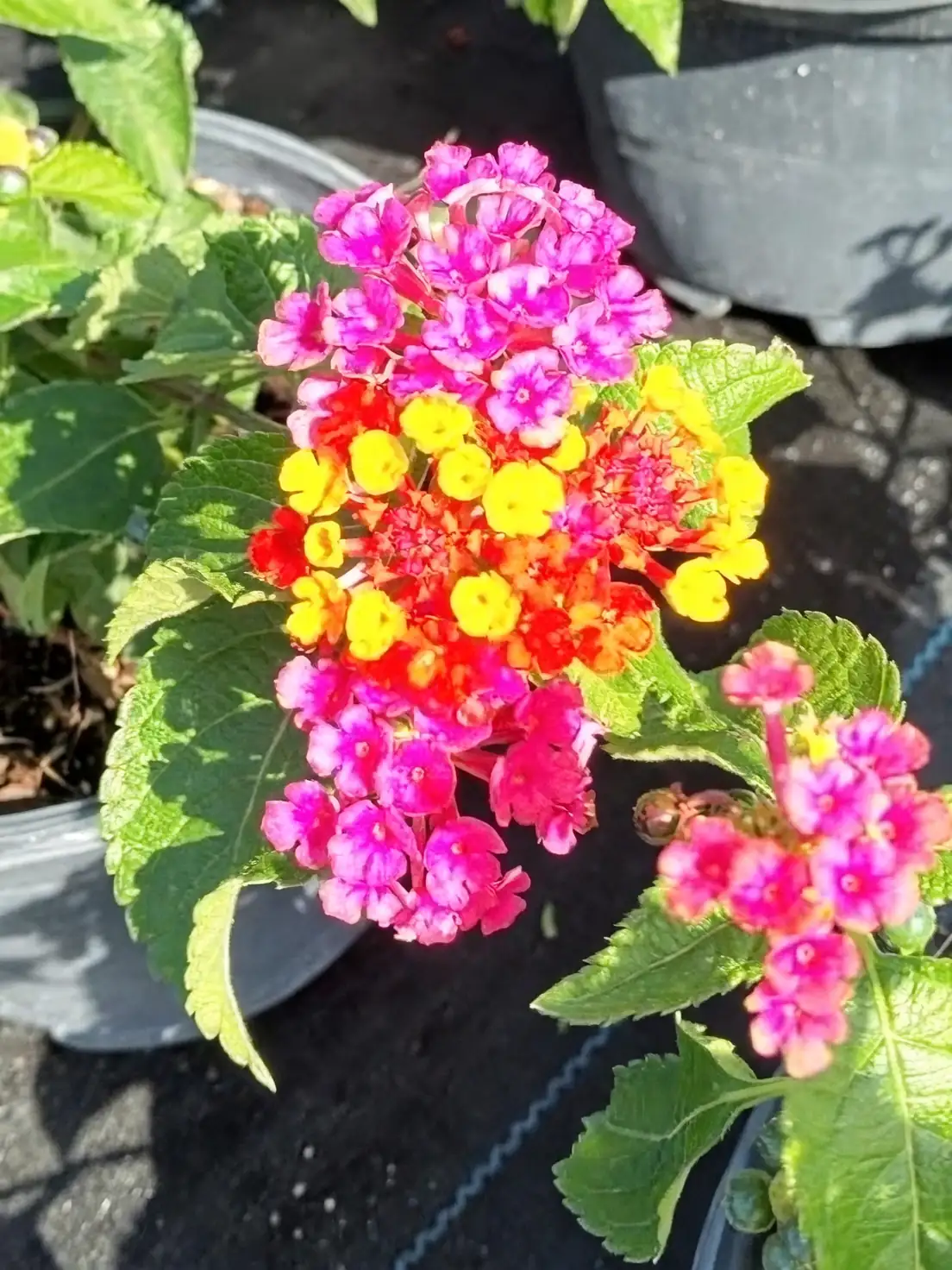
Lantana camara’s flower clusters are like nature’s confetti, a riot of hues ranging from sunny yellows to fiery reds and luscious purples. This color parade is not just for show; it’s a clever evolutionary strategy. As the tiny tubular flowers mature, their colors deepen—a transition primarily driven by changes in flower pigments like anthocyanins and carotenoids. This shift is not just random but a tactical move to attract pollinators when the blooms are most nectar-rich.
Pollinators such as butterflies and hummingbirds are drawn to the vibrant new blooms, ensuring that Lantana receives the attention it needs to thrive. In the process, older flowers, which have already been pollinated, change color to signal their status, conserving the energy of their winged visitors. It’s like a botanical traffic light system—new blooms flash bright colors to say, “Stop here, nectar available!”
The Science Behind the Spectacle
Delving deeper into the science, researchers have discovered that the presence of pollen on Lantana flowers can trigger rapid changes in pigmentation. In a study highlighted by the Journal of Experimental Botany, it was noted that even a single pollen grain can initiate this transformation, leading to a surge in anthocyanin production. This pigment, along with carotenoids, masks the original color, resulting in the multi-toned appearance that Lantana is famous for.
But why this particular mechanism? Thrips, small insects that serve as regular pollinators in some regions, are particularly attracted to the yellow stages of Lantana’s blooms. By changing colors post-pollination, the plant signals to these tiny helpers which flowers are worth their time, ensuring efficient pollination.
Evolutionary Marvels
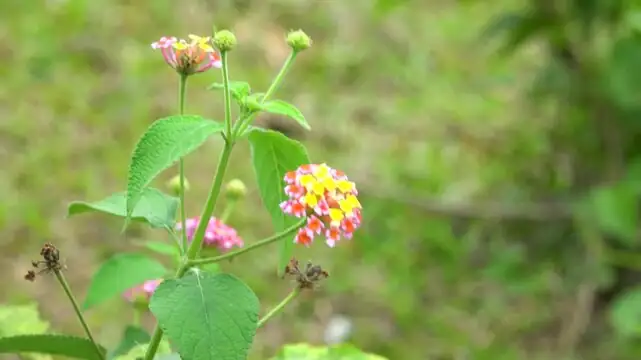
Lantana camara’s color-changing prowess is more than just a quirk; it’s an evolutionary masterpiece. Originating from the tropical regions of Central and South America, this plant has adapted to thrive in various environments, from the driest gardens to the humid tropics. Its ability to change flower colors is a testament to its resilience and adaptability—traits that also make it a formidable invasive species in some parts of the world.
In places where Lantana has escaped garden confines, it’s celebrated as a symbol of transformation and resilience. Its flowers embody these themes, not just in their shifting colors but in their ability to flourish against the odds, much like a phoenix rising from the ashes.
The Garden Paradox
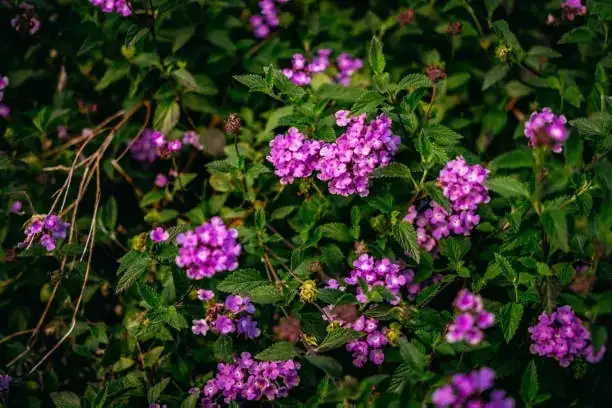
While it’s a delight in controlled settings, Lantana camara can become a garden paradox. Its vigorous growth and vibrant blooms make it a beloved choice for attracting pollinators and adding color to landscapes. However, in warm climates, it can quickly become invasive, forming dense thickets that outcompete native vegetation.
For gardeners, the key is responsible cultivation—opting for sterile or low-seed varieties, regular deadheading to prevent seed spread, and choosing container planting to keep its growth in check. Always check local regulations to ensure that your colorful floral haven doesn’t become an ecological headache.
Cultivating Your Colorful Companion
Growing Lantana camara is as rewarding as it is straightforward. Here are a few tips to keep your garden ablaze with color:
- Sunlight: Aim for full sun, about 6–8 hours a day, to encourage the best flowering.
- Watering: Water deeply but allow the topsoil to dry between sessions. Overwatering can lead to root rot.
- Fertilization: A light hand with fertilizer is best. Too much nitrogen can lead to lush leaves but fewer blooms.
- Pruning: A hard prune in early spring will encourage bushiness and abundant flowering.
With these care tips, your Lantana will not only thrive but put on a spectacular show of color that changes with the seasons.
Final Thoughts
Lantana camara is more than just a pretty face in the garden—it’s a testament to nature’s ingenuity and adaptability. Whether you’re a seasoned gardener or a curious observer, the ever-changing blooms of Lantana offer endless fascination and a reminder of the beauty and complexity of the natural world. So, next time you see those vibrant clusters, take a moment to appreciate the subtle signals and strategies nature has woven into this incredible plant.


