

Unraveling the Journey of Lantana camara: From Tropical Beauty to Global Garden Favorite
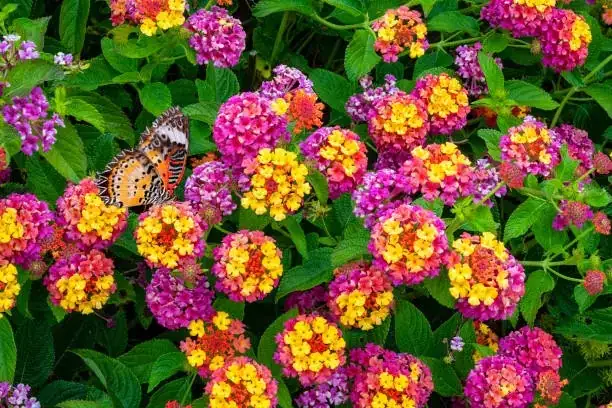
Imagine a plant that brings a splash of rainbow colors to your garden, attracts butterflies and hummingbirds, and thrives in the harshest of conditions. This is Lantana camara, a plant that has captivated gardeners worldwide with its vibrant blooms and robust nature. But how did this tropical beauty, native to Central and South America, become a cherished garden staple across continents?
From Tropical Origins to European Gardens
Lantana camara, often known by its charming aliases like “Spanish Flag” or “Big-Sage,” first made its journey from the lush tropics of the Americas to Europe in the 1700s. At a time when the world was opening up to the wonders of exotic flora, Lantana’s colorful, changing blooms made it a fashionable choice for European horticulturists. Its adaptability and stunning appearance soon saw it spread beyond conservatories and into gardens, where its cheerful flower heads became a symbol of joy and positivity.
A Garden Star with a Colorful Twist
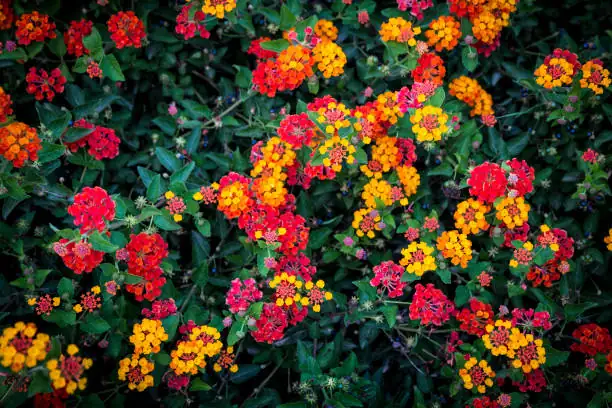
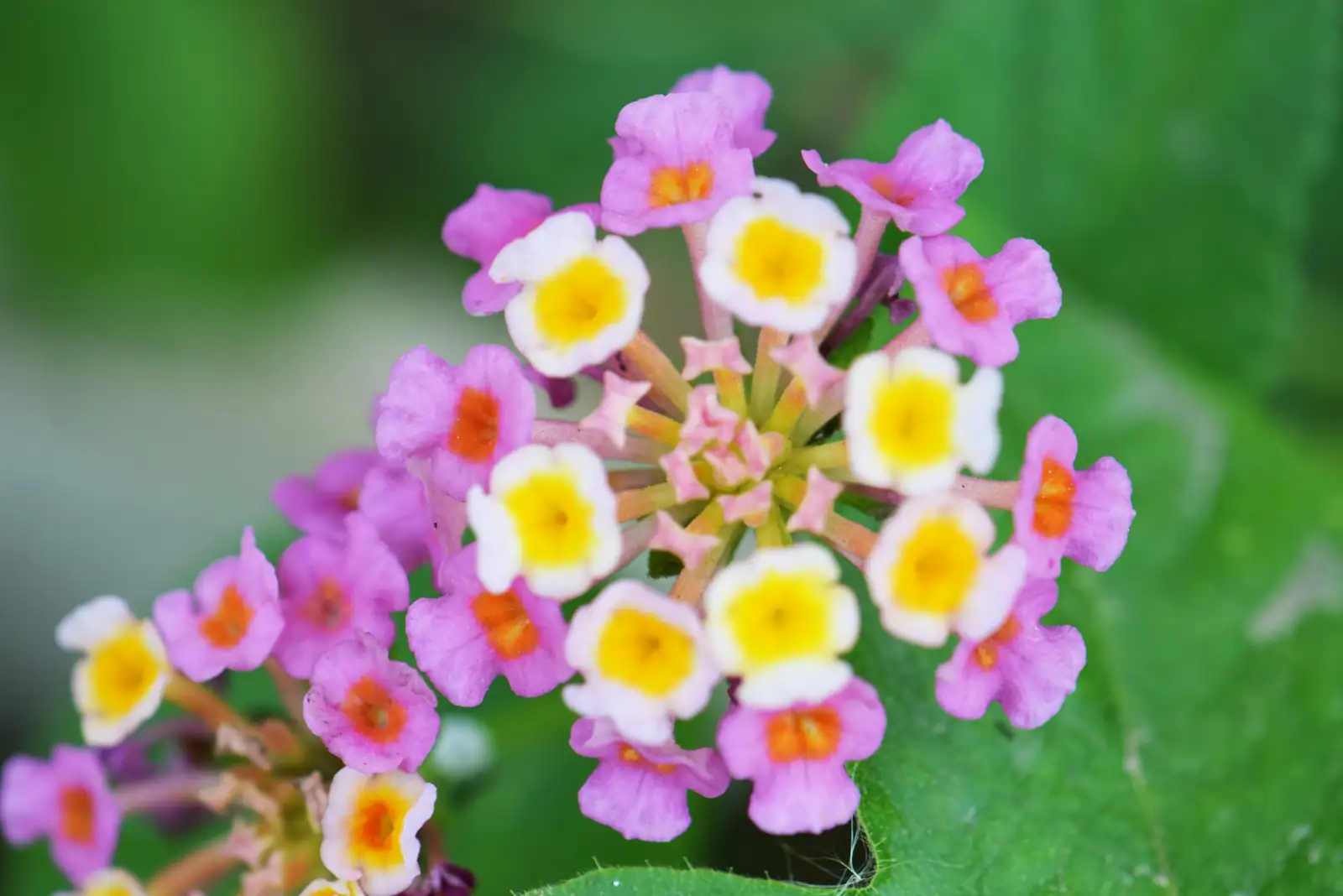
One of Lantana camara’s most captivating features is its ability to change flower colors as they age. This natural chameleon effect not only adds visual interest but also serves as a clever signal to pollinators. The younger, lighter-colored flowers are rich in nectar, making them irresistible to butterflies and hummingbirds, while older blossoms deepen into richer hues, indicating they’re past their prime.
Lantana’s Global Impact: A Tale of Beauty and Caution
Despite its ornamental allure, Lantana camara has not been without its controversies. In many parts of the world, particularly in Australia, India, and South Africa, this beautiful shrub has turned into an invasive species, outcompeting native flora and altering ecosystems. Efforts to manage its spread have been ongoing for over two centuries, often with mixed results. In some regions, it’s even illegal to plant or sell Lantana due to its invasive tendencies.
This dual nature of Lantana camara—both as a beloved garden plant and a cautionary tale of plant invasiveness—highlights the importance of responsible gardening. For those in warmer climates, selecting sterile or low-seed cultivars, and opting for container planting can help mitigate its spread.
Growing Lantana: A Gardener’s Dream
If you’re considering adding Lantana to your garden, you’ll find it to be a forgiving companion. Its sun-loving nature makes it perfect for bright borders and beds, while its drought resistance and heat tolerance ensure it thrives where many plants struggle. With its upright mounding habit, Lantana can grow between 3 to 6 feet tall, though dwarf varieties offer more compact options for smaller spaces.
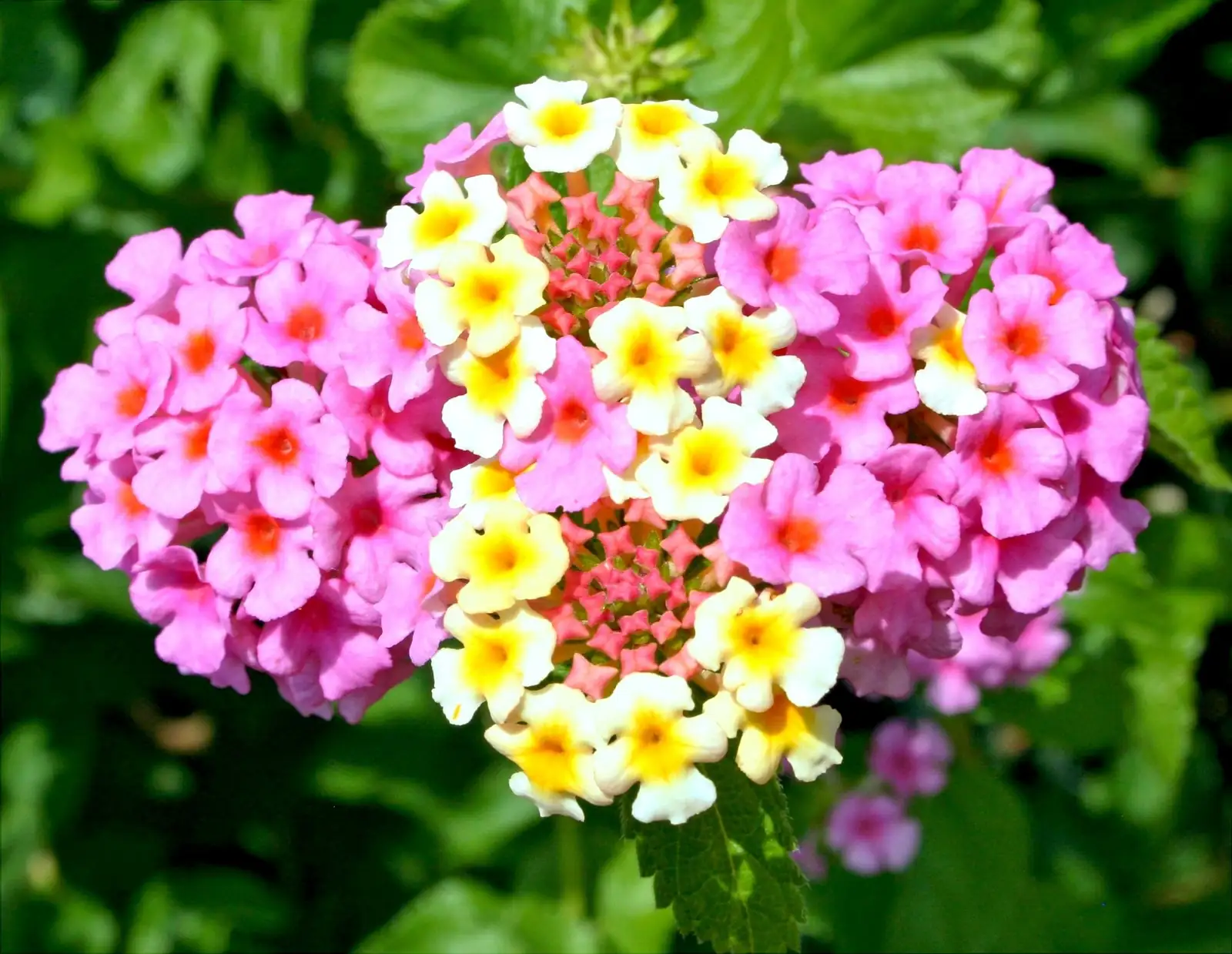
To keep your Lantana flourishing, provide it with well-draining soil and a sunny spot with at least 6–8 hours of direct sunlight daily. A light feeding in spring and regular deadheading will keep those vivid blooms coming from summer through fall, and sometimes even year-round in frost-free areas.
The Language of Lantana: A Symbol of Transformation
In the language of flowers, Lantana embodies resilience and change, much like its own journey from tropical forests to global gardens. Its transformative blooms serve as a metaphor for adaptability—thriving in diverse environments and symbolizing the joy of life’s colorful transitions.
Final Thoughts: Embracing Lantana’s Charm
Lantana camara stands as a testament to nature’s artistry and adaptability. While its vibrant blooms and hardy nature make it a garden favorite, its potential as an invasive species reminds us to plant with consideration. By understanding its history and characteristics, we can enjoy the beauty of Lantana while ensuring that our gardens flourish responsibly. So, whether you’re in it for the butterflies or the bursts of color, Lantana camara is sure to bring a lively, joyful touch to your landscape.


