
Unveiling the Secrets of Lantana camara: A Year-Round Blooming Marvel
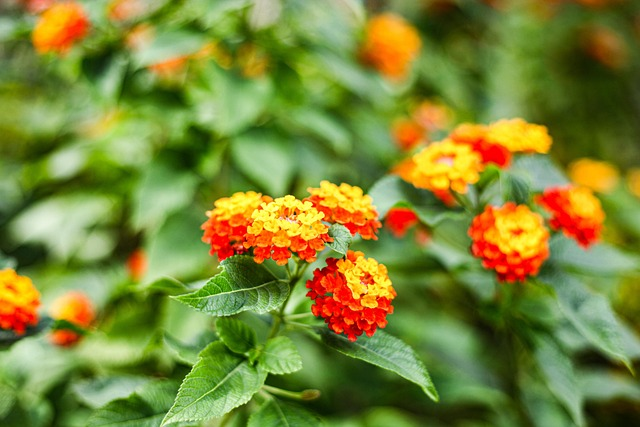
Imagine a plant that’s not only a vibrant addition to your garden but also a relentless bloomer, transforming your space into a butterfly and hummingbird haven. Meet Lantana camara, a charismatic flowering shrub known for its kaleidoscope of colors and easy-going nature. But how do you ensure this beauty continues to dazzle throughout the year? Let’s unravel the secrets of keeping Lantana thriving with its brilliant blooms.
The Sunshine Lover: Perfect Sunlight for Lantana
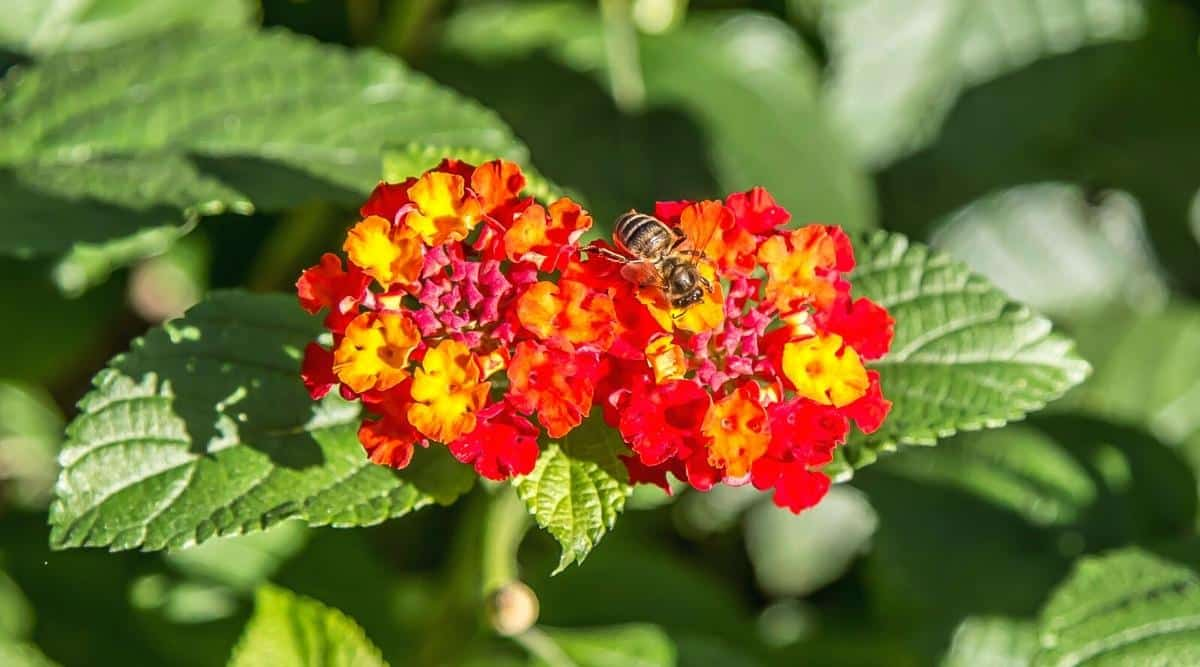
Lantana camara is nothing short of a solar-powered dynamo. This plant thrives on full sun exposure, demanding at least 6 to 8 hours of direct sunlight daily to put on its best floral display. Just like any sunbather, Lantana soaks up the rays and rewards you with continuous blooms. While it can tolerate a bit of afternoon shade, planting it in a shady spot might rob you of its floral fireworks.
Watering Wisdom: Finding the Balance
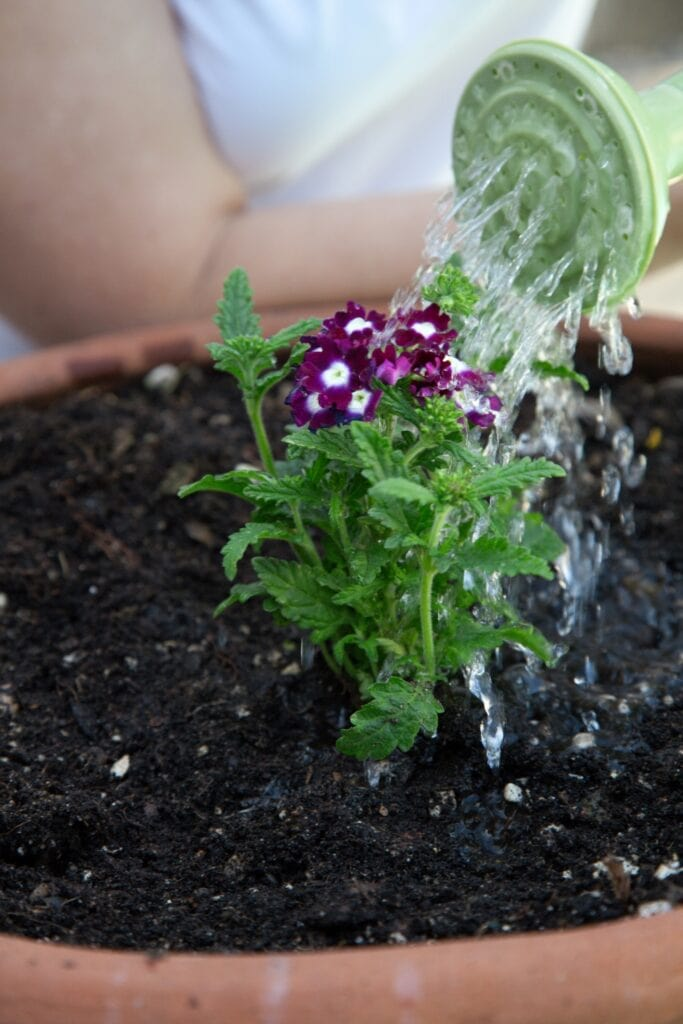
When it comes to hydration, Lantana prefers a deep drink followed by a dry spell. Aim to water deeply, letting the top layer of soil dry out between waterings. Typically, about 2.5 cm (1 inch) of water per week suffices, but this may need adjusting based on your soil type and climate. Sandy soils or blistering heat might require more frequent watering, especially during peak summer. Remember, soggy soil is the nemesis of Lantana – good drainage is paramount.
Soil and Nutrient Needs: Less is More
Lantana is not a fussy eater. It flourishes in well-draining soil and is tolerant of poor, sandy, or rocky conditions. A slightly acidic to neutral pH (6.0–8.0) suits it best. Over-fertilizing, particularly with high nitrogen products, can result in lush foliage at the expense of flowers. A balanced, modest feeding in spring is usually sufficient for in-ground plants, whereas container plants might benefit from monthly feedings during the growing season.
Seasonal Adjustments: Pruning and Protection
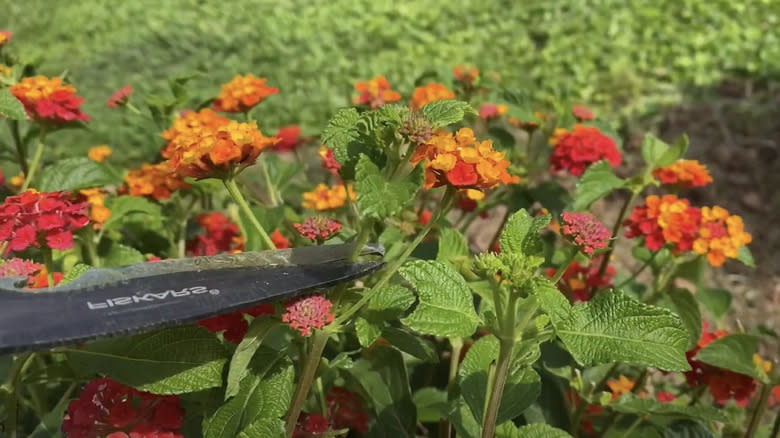
Pruning is key to encouraging more blooms and maintaining Lantana’s shape. A hard cut back in early spring – down to about 15–30 cm (6–12 inches) from the ground – can stimulate bushy growth and abundant flowering shoots. Throughout the blooming season, deadheading spent clusters will keep the plant vigorous and prevent unwanted seed production.
In cooler climates (Zones 7-8), Lantana can be sensitive to frost. Mulching heavily around the base can protect roots in marginal zones, while moving container plants indoors before frost can preserve their perennial nature.
The Allure of Lantana: A Pollinator’s Paradise
Beyond its stunning visual appeal, Lantana is a magnet for pollinators. Its multicolored, tubular flowers are irresistible to butterflies and hummingbirds, turning your garden into a lively hub of activity. The color-changing trick of the blooms often serves as a natural signal for pollinators, guiding them to the freshest, nectar-rich flowers.
A Note on Safety and Invasiveness
While Lantana is a joy to have in the garden, it’s important to handle it with care. All parts of the plant are toxic if ingested, with unripe berries being particularly dangerous. It’s wise to keep it out of reach of children and pets.
In some areas, particularly in tropical and subtropical regions, Lantana can become invasive. If you’re in a warm climate, consider choosing sterile or low-seed cultivars and practice responsible planting by deadheading to control its spread.
Conclusion: Lantana’s Floral Symphony
With its vibrant blooms and carefree nature, Lantana camara is a garden virtuoso, performing a symphony of colors and life. By mastering its sunlight, watering, and seasonal care needs, you can enjoy a year-round display of this delightful plant. Whether adorning your borders or spilling over a hanging basket, Lantana promises to be a captivating addition to your garden ensemble.