
Gardening in a hot, humid climate can feel like taming a wild beast. The lush, tropical vibe might be a dream come true for some plants, but it can also invite a host of challenges like powdery mildew and wilting foliage. Fear not! Let’s explore practical tips to keep your garden thriving amidst the sweltering heat and sticky air.
Understand Your Climate’s Impact
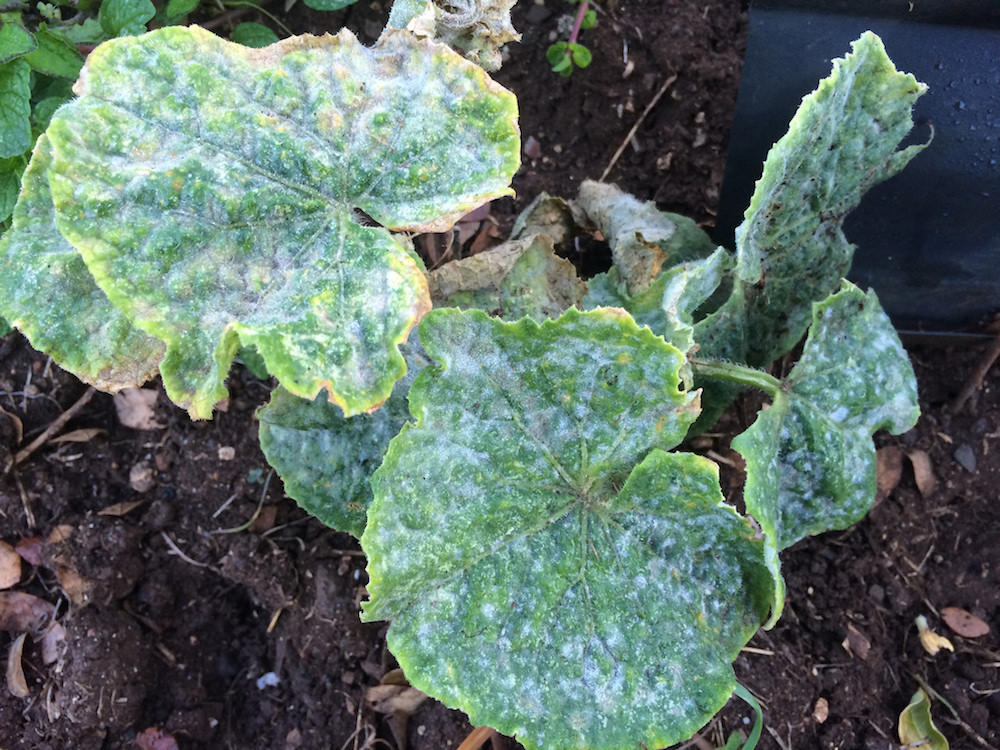
Humidity is a double-edged sword in gardening. On one side, it helps boost plant growth by preserving leaf moisture, much like how a humidifier benefits your skin in the winter. On the flip side, persistent high humidity can lead to fungal diseases such as powdery mildew, especially if air circulation is poor. In short, while your plants might feel like they’re in a tropical paradise, you need to stay vigilant about potential pitfalls.
Choose the Right Plants
Selecting heat and humidity-tolerant plants is a huge step toward gardening success. Consider plants that naturally thrive in such conditions, like:
- Flowers: Marigolds, Vincas, and Zinnias are not only vibrant but also resilient.
- Vines: Morning Glory and Passion Vine bring a tropical flair with their stunning blooms.
- Vegetables and Herbs: Basil, Cherry Tomatoes, and Hot Peppers are solid choices for your humid garden.
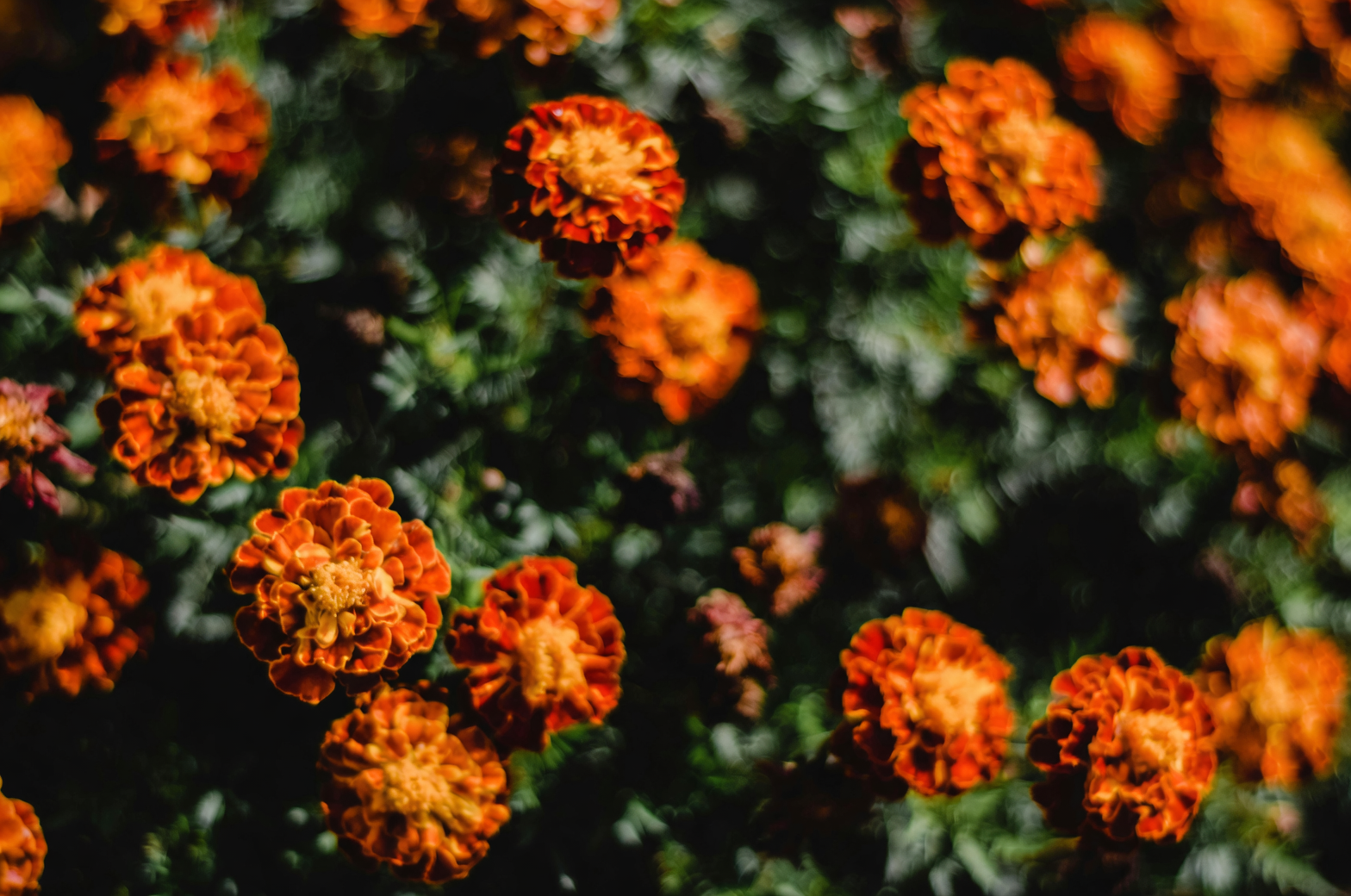
These plants have evolved to love the moisture and heat, making them less susceptible to the common diseases that plague more delicate species.
Soil and Watering Strategies
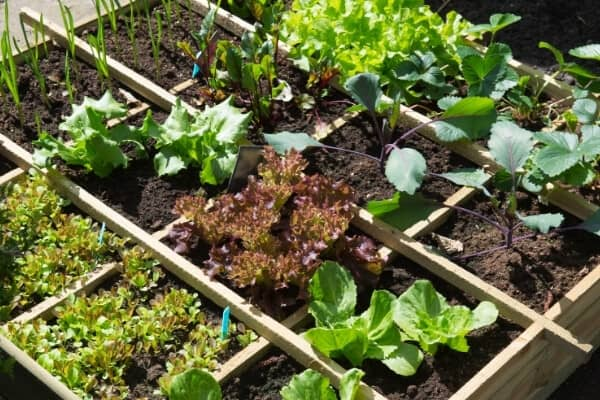
Well-Drained Soil: Ensure your garden has well-draining soil. If your yard is prone to waterlogging, consider raised beds or containers. Using potting mix or a raised bed soil mix can help your plants avoid “wet feet” that lead to root rot.
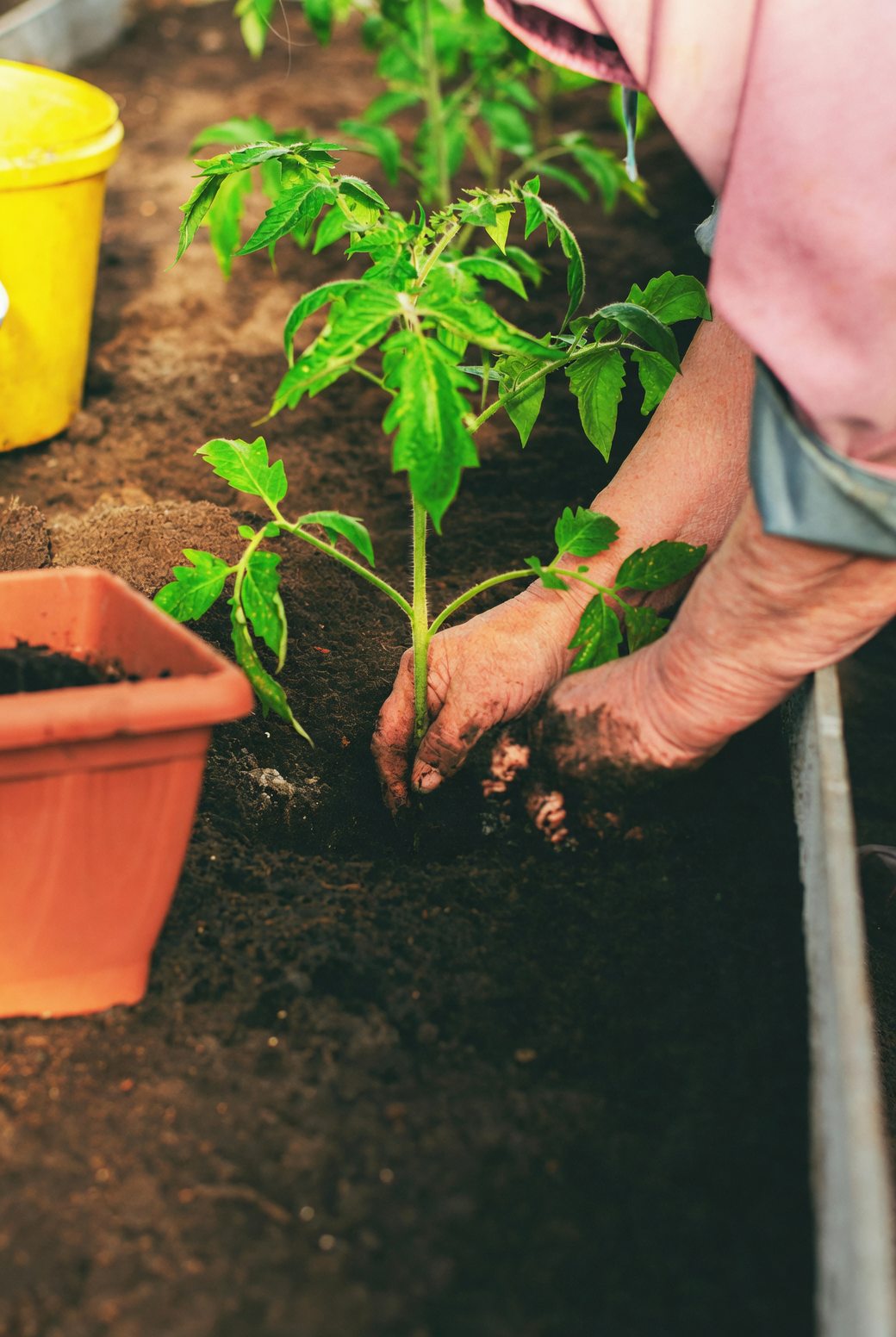
Water Wisely: Timing is everything. Water your plants in the early morning to give foliage time to dry before nightfall, reducing the risk of fungal diseases. Avoid overhead watering; instead, focus on the base of the plants to keep leaves dry.
Promote Airflow
Plant spacing is more crucial in humid climates. By spacing plants further apart, you enhance airflow, allowing foliage to dry more quickly and reducing the risk of disease. Think of it like personal space for your plants—they appreciate it just as much as you do!
Humidity Hacks
To combat dry spells or areas within your home that aren’t as humid, try these tips:
- Misting: Regularly mist your plants, especially indoor ones, to mimic tropical humidity.
- Bathroom Paradise: Place humidity-loving plants in your bathroom. The steam from showers creates a perfect microclimate.
- Pebble Trays: Set your plant pots on trays filled with pebbles and water. This simple trick can significantly boost humidity around your plants.
Watch for Warning Signs
Keep an eye out for brown, crispy leaf edges, which can indicate low humidity. If you spot powdery mildew, increase airflow and remove affected leaves immediately to prevent spread.
Embrace the Challenge
Gardening in a hot, humid climate isn’t always a walk in the park, but with the right strategies, you can create a vibrant, healthy garden that thrives even in the stickiest conditions. Embrace the challenge, keep an eye on your plants, and enjoy the lush beauty that comes with mastering the elements.