

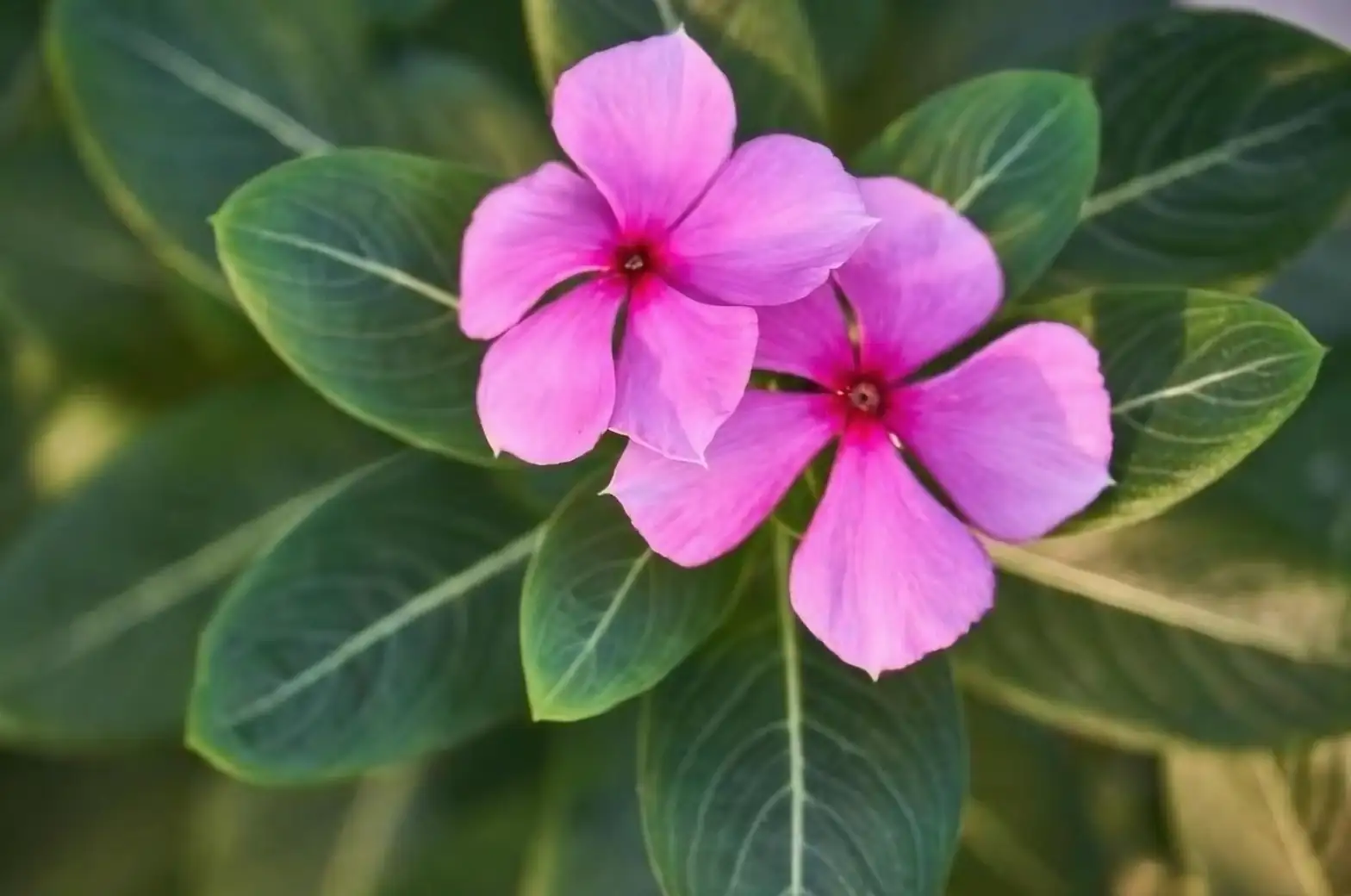
Discovering the Marvelous Madagascar Periwinkle
Imagine a plant that’s not only a beauty to behold but also a champion in the world of medicine. Enter Catharanthus roseus, or as many fondly know it, the Madagascar Periwinkle. While it might be easy to overlook this unassuming plant amidst the vibrant chaos of a garden, its unique features and impressive capabilities make it anything but ordinary.
A Symphony of Colors and Resilience
With its glossy, deep-green leaves and five-petaled “pinwheel” flowers, the Madagascar Periwinkle paints a vivid picture of resilience and charm. This sun-loving perennial, part of the Apocynaceae family, originates from the tropical paradise of Madagascar. It has, however, found a second home in warm climates worldwide, thriving in sunny gardens, borders, and hanging baskets.
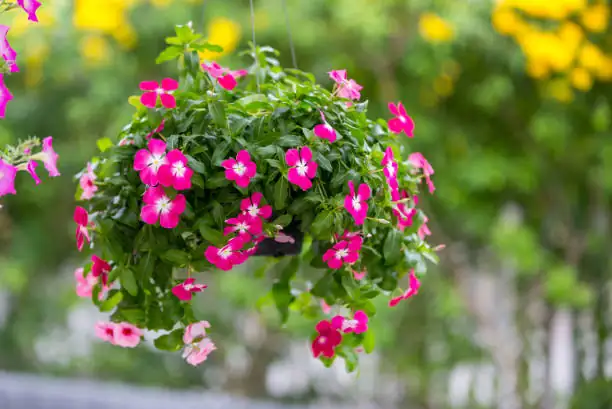
But what makes this plant truly fascinating is its ability to bloom almost year-round in the right conditions. While it is most prolific from spring through fall, in frost-free environments, it can grace us with its colorful display nearly year-round. Imagine a plant that keeps on giving, even when the summer heat turns other blooms into wilting wallflowers!
The Secret Life of a Healer
Beyond its ornamental allure, the Madagascar Periwinkle harbors a secret that has changed the course of medical history. Hidden within its delicate petals and leaves are potent alkaloids, vincristine and vinblastine, which have become invaluable in the battle against cancer. These compounds, derived from the plant’s natural defense mechanisms, are used to treat various cancers, including Hodgkin’s lymphoma and leukemia.
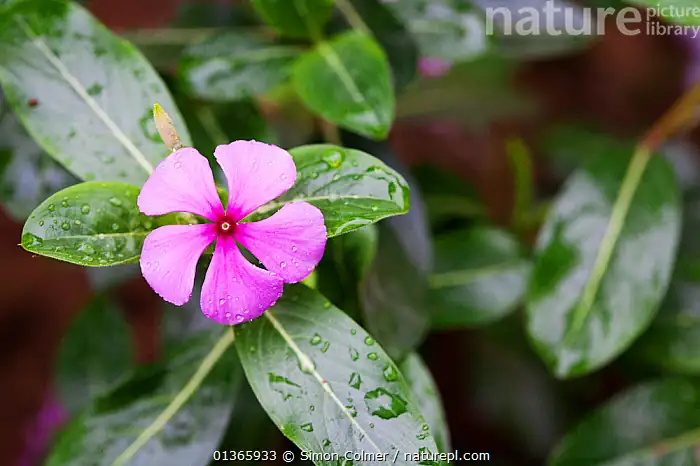
This medicinal prowess has its roots in traditional practices, where the plant was used to treat an array of ailments, from diabetes to depression. Today, the extraction and refinement of its alkaloids have placed the Madagascar Periwinkle on a pedestal as a botanical hero in modern medicine.
A Carefree Companion
The Madagascar Periwinkle is not just a pretty face; it’s a gardener’s best friend. Known for its drought resistance and heat tolerance, it’s a perfect pick for those who prefer low-maintenance plants. Just provide it with well-draining soil and a sunny spot, and it will reward you with a cascade of blooms.
In terms of care, it’s as easy as 1-2-3: water moderately, ensure good drainage, and provide occasional light feeding during the growing season. And while many cultivars are self-cleaning, removing spent flowers can help keep the plant tidy and prevent mold in humid conditions.
Fun Facts and Folklore
- Despite sharing a name, the Madagascar Periwinkle is not a true periwinkle like those in the Vinca genus. It stands proudly in its own genus, Catharanthus.
- It’s a favorite for hanging baskets, where its trailing varieties spill over in a cascade of color.
- In the language of flowers, the periwinkle often symbolizes sweet memories and the resilience of friendship—apt for a plant that stands strong in the face of heat and drought.
A Word of Caution
While the Madagascar Periwinkle is a joy to behold and a powerhouse in the medicinal world, it’s important to note that all parts of the plant are toxic if ingested. This means it’s essential to keep it out of reach of curious pets and children. Also, if you’re handling the plant extensively, wearing gloves might be a good idea to prevent skin irritation.
In conclusion, the Madagascar Periwinkle is a testament to nature’s ability to combine beauty, resilience, and healing in one remarkable package. Whether you’re an avid gardener or someone interested in the wonders of plant-derived medicine, this periwinkle is sure to captivate your heart and mind. So next time you see this vibrant plant, take a moment to appreciate all of its hidden depths—because the Madagascar Periwinkle is truly more than meets the eye.


