

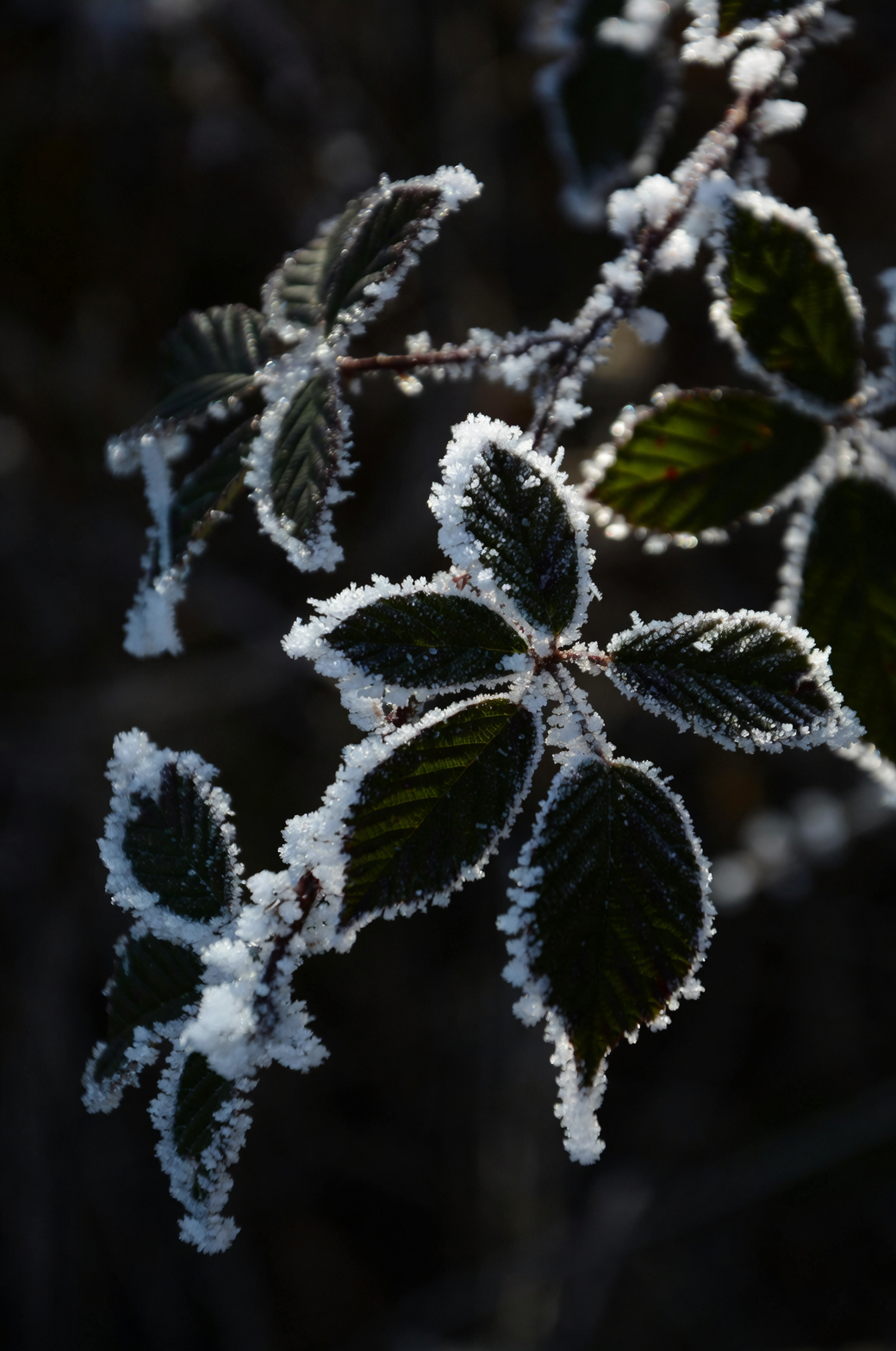
As winter wraps its icy fingers around our gardens, it’s time to roll up our sleeves and ensure our beloved plants make it through the chilly season unharmed. Frost might look picturesque, but for your plants, it can be a silent killer, causing leaves and stems to wilt or turn brown. But fear not! With a few simple strategies, you can outsmart Jack Frost and keep your garden thriving until spring.
Understanding Frost and Freeze
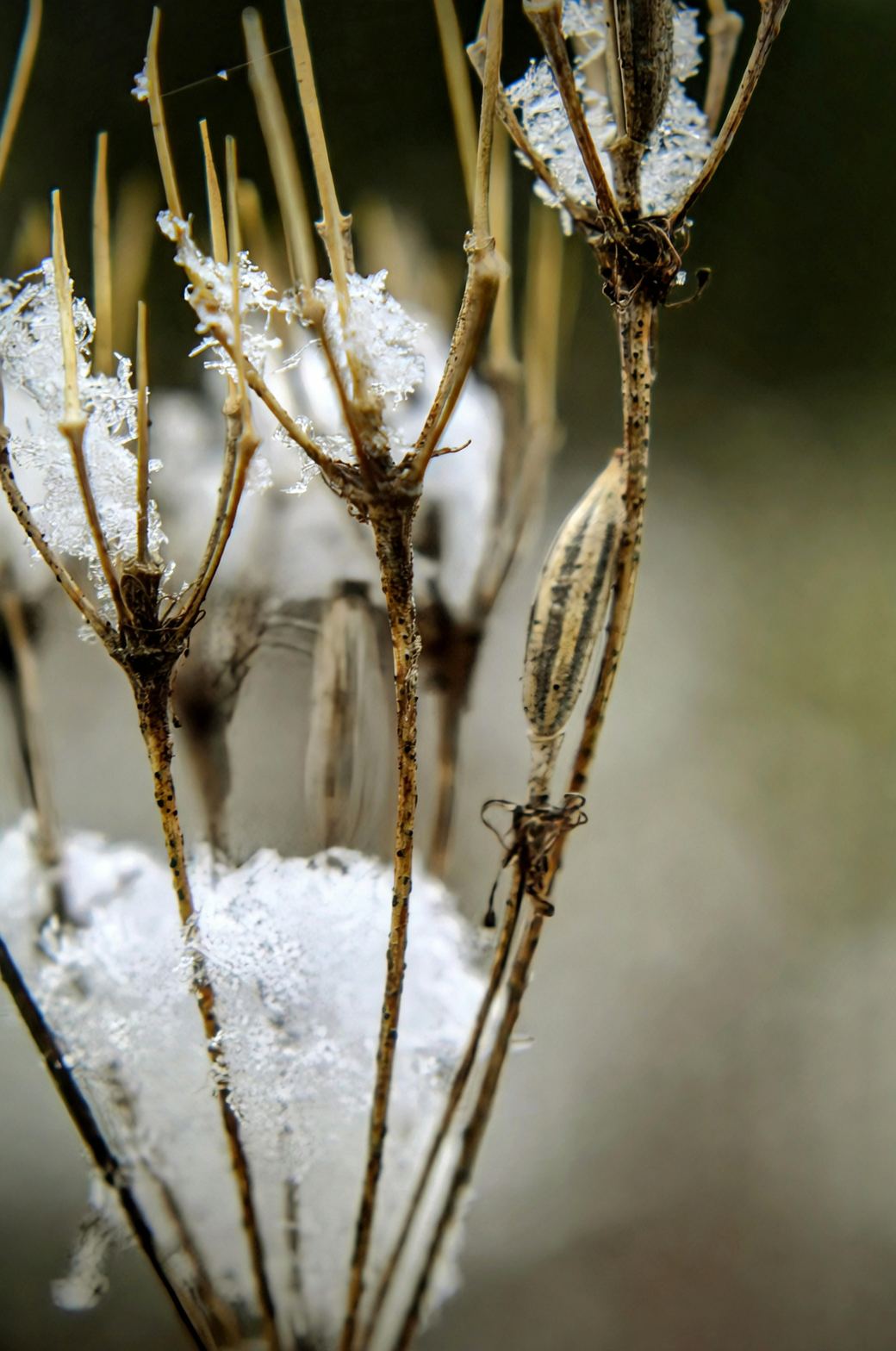
First, it’s crucial to know the enemy. Frost forms when water vapor in the air condenses and freezes on cold surfaces, usually during clear, windless nights. While frost can cause minor damage, a freeze—when air and plant temperatures dip below 32°F—can be more destructive, leading to cellular damage in plants.
Watch the Weather
Stay one step ahead by monitoring weather forecasts closely. Frost advisories are typically issued when temperatures are expected to hover between 33-36°F. If a cold snap is on the horizon, it’s time to take action.
Quick and Cozy Fixes
1. Cover Up Before Sun Sets
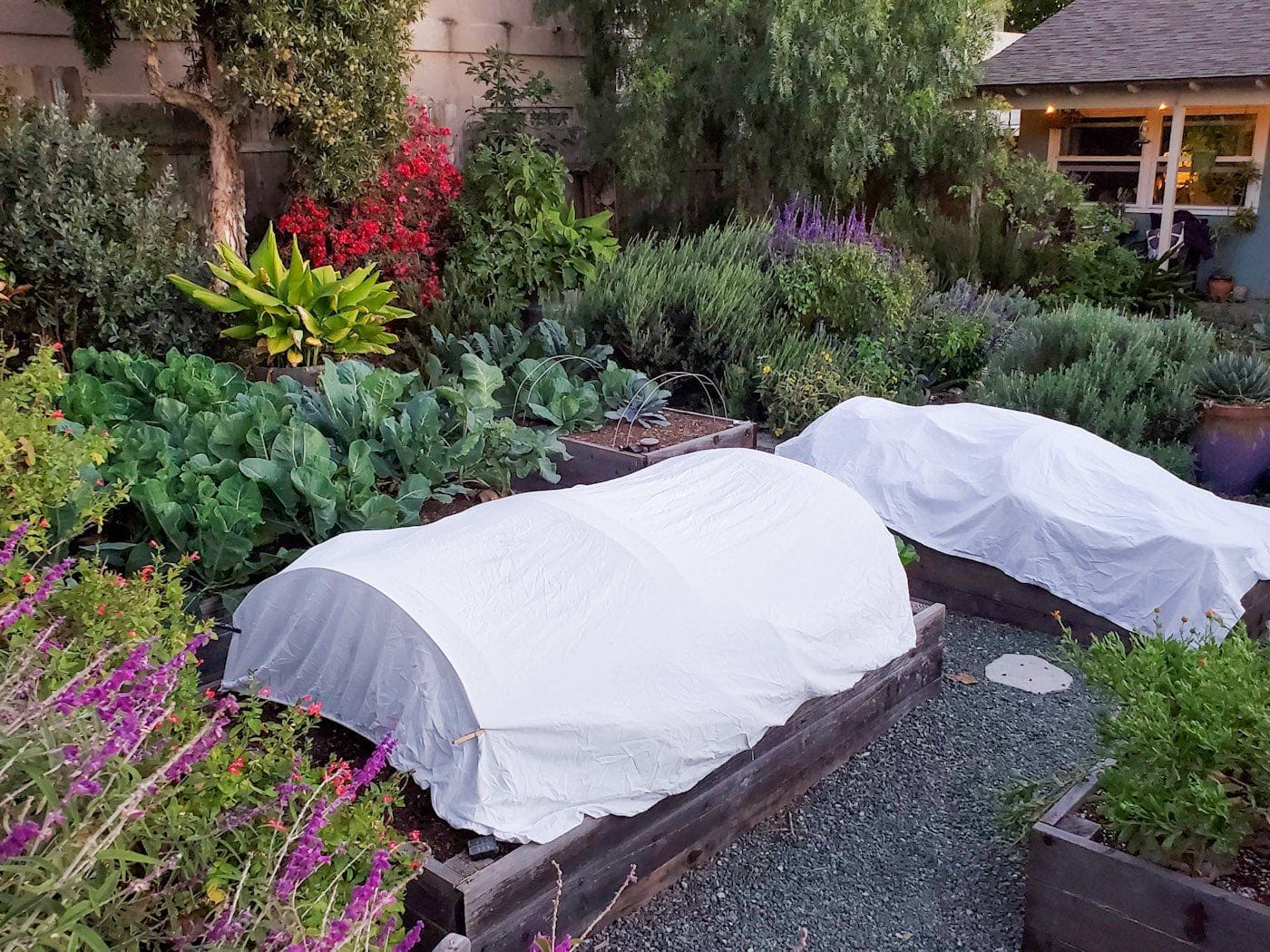
Covering your plants is one of the simplest and most effective ways to protect them from frost. Use old bed sheets, towels, or blankets to trap the heat radiating from the soil. Just make sure coverings don’t touch the plants directly, as this can cause more harm than good. Remove these covers in the morning once the frost has melted to let the sunshine in.
2. Move to Safety
If you have potted plants or seedlings, consider moving them to a sheltered location like a garage, shed, or even under a deck. This is especially important for tropical plants or tender annuals that are more susceptible to cold damage.
3. Warmth with Water
Watering your plants in the evening before a frost can help. Moist soil retains more heat than dry soil, keeping the ground warmer overnight. Additionally, placing water-filled jugs or buckets around your plants can help. These containers will absorb heat during the day and release it slowly at night, providing a buffer against the cold. Remember to paint them black for maximum heat absorption.
4. Elevate Your Plants
Since cold air sinks, placing your plants on elevated surfaces, like benches or tables, can prevent them from being exposed to the coldest air pooling at ground level. Positioning plants near heat-absorbing walls can also offer some warmth.
Common Mistakes to Avoid
- Don’t Overwater: While moist soil is beneficial, too much water can lead to frozen roots or foliage.
- Avoid Plastic Covers: Plastic materials can trap humidity and lead to condensation, which might freeze and damage your plants.
- Neglecting to Remove Covers: Leaving covers on once the sun is up can lead to overheating and damage.
Mulching: The Unsung Hero
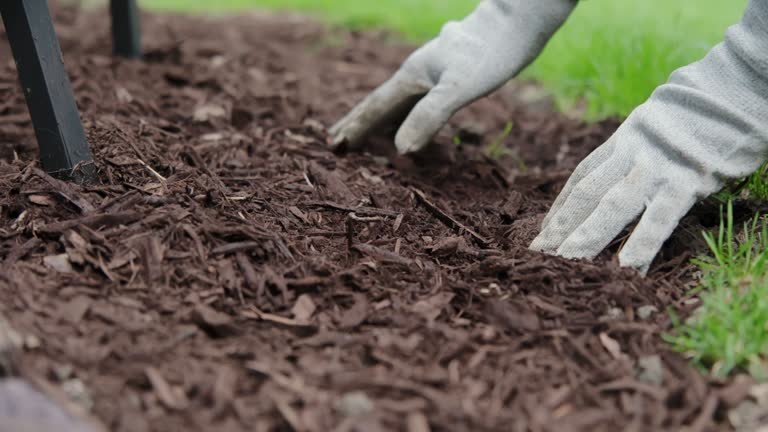
A thick layer of mulch can act as a great insulator for your garden beds. Mulch helps maintain soil temperature and moisture levels, offering an added layer of protection against the cold.
Keep the Air Moving
On still nights, an electric fan can help prevent frost by keeping the air circulating around your plants. Just ensure any electrical connections are safely protected from moisture.
With these protective measures, your garden can stand resilient against winter’s frosty threats. By staying proactive and prepared, you can ensure your plants emerge in spring healthy and ready to thrive. Happy gardening!